
Roblox is leveraging new feature rollouts as a way to sell ads and sponsorships.
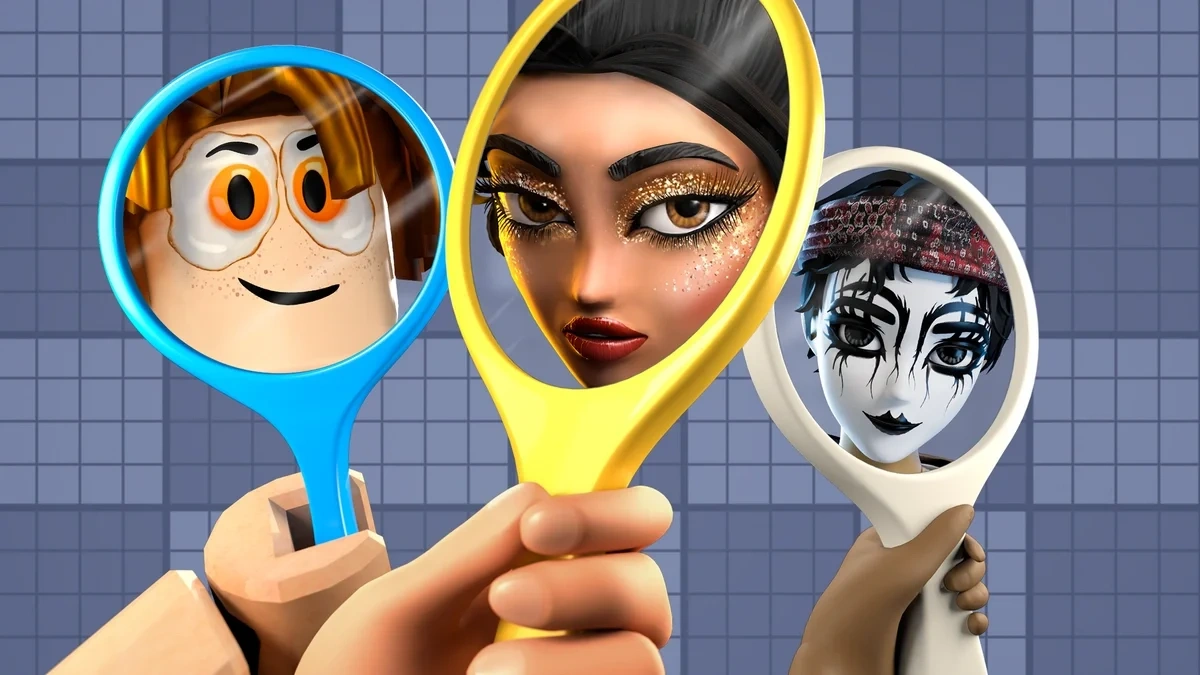
On March 31, Roblox launched its new Makeup feature, allowing creators to make and sell avatar items that can overlay on players’ virtual faces. It was far from Roblox’s first rollout of a new player or creator tool — but this time around, the update came with a sponsor. Ahead of the feature’s public launch, the cosmetics brand e.l.f. Beauty worked with the Roblox tech team to fine-tune the offering and collaborated with the Roblox design studio Kestrel to develop five looks, which e.l.f. offered for sale shortly after the Makeup feature launch on both Roblox’s marketplace and inside Glow Up and e.l.f. Up, e.l.f. Beauty’s owned Roblox experiences.
“When Roblox was ready to launch makeup as a platform-wide category, we were a natural partner because we’d already been proving the demand,” said e.l.f. chief integrated marketing officer Patrick O’Keefe in a written interview with GamesBeat.
E.l.f. Beauty paid Roblox to be the title sponsor for the platform’s Makeup rollout. A Roblox representative declined to share any specifics regarding the value of the sponsorship, but similar platform-level sponsorship deals on other social platforms often sell for hundreds of thousands or upwards of one million dollars for larger campaigns. As Roblox looks to expand its advertising offerings and bring more brands onto its platform, feature rollouts like last month’s Makeup launch represent a largely untapped form of new — and particularly attractive — inventory.
“With avatar makeup, we saw an opportunity to introduce not just a new feature, but an entirely new dimension of identity on Roblox,” said Roblox global group director for fashion, beauty, retail and CPG Winnie Burke in a written interview with GamesBeat. “As we continue to evolve the platform, we’re thinking more intentionally about how brand partners can show up at key moments like feature launches — when it genuinely adds value for users, creators and the broader ecosystem.”
The value
Sponsoring Roblox’s Makeup rollout allowed e.l.f. Beauty to be the first prominent cosmetics brand to use the new feature, resulting in a boost in traffic to e.l.f.’s owned experiences. Since the launch, over two million players have visited e.l.f. Up and Glow Up, spending over 12,000 total hours in the experiences, according to O’Keefe.
“On Roblox, e.l.f. is always looking to explore more ways we can meet our community where they are and give them new and exciting ways to express themselves. 87% of Gen Z say experimenting in virtual spaces helps them feel more comfortable expressing themselves in real life,” O’Keefe said, citing a figure published by Roblox in December 2025.
Notably, O’Keefe did not explicitly say that e.l.f. is looking to leverage Roblox Makeup sales as a pipeline to sales of real-life e.l.f. products, although the company’s virtual items share names and aesthetic elements with some of its IRL products. His diplomatic answer reflected the delicate nature of advertising through new feature rollouts as Roblox tightens up its branded content guidelines. In March, Roblox announced updated branded content guidelines blocking all rewarded ad content in games played by under-13 users. However, users under the age of 13 are able to view and purchase branded avatar items, including e.l.f.’s Makeup items.
“There’s not really a clear definition of what is an advertisement; the FTC is the agency that regulates this, and they focus less on how you label it, or what Roblox is calling an ad versus not an ad, and more on how a user experiences it,” said Brian Hall, an associate at the law firm Stubbs, Alderton and Markiles, LLP, in an interview with GamesBeat. “From how you described it, it does look like commercial messaging, even though it’s integrated into the platform. If you’re going into the Roblox store, and it’s saying, ‘here’s this branded makeup you can put on your avatar,’ what really is the purpose, if not to drive outside sales?” (Disclosure: GamesBeat has worked with Stubbs, Alderton and Markiles, LLP, in the past.)
Roblox has its own definition of ads: any content promoting off-platform products, services or paid brand integrations inside an experience. Based on this definition, items like e.l.f.’s virtual Makeup are not considered ads; instead, these items represent brands like e.l.f. acting as creators that exist organically on the platform. As long as UGC marketplace items don’t directly promote off-platform products, Roblox views them as digital products in their own right — not ads. The fact that e.l.f. is also a title sponsor of the Makeup rollout inserts some ambiguity into this dynamic, blurring the lines between the brand’s activities as an independent creator and its business relationship with the platform.
“That’s where Roblox is going to maybe find some risk there, if they’re taking this hard-line position that these things aren’t advertisements, and they’re not showing ads to kids,” Hall said. “If the FTC says, ‘well, we think you actually are,’ that’s where they could get in trouble.”
Complexities over the definition of an ad notwithstanding, Roblox is going full-steam-ahead on branded Makeup items. On April 10, the platform introduced Nyx Professional Makeup as its second Makeup partner, with Nyx collaborating with Roblox creators Raekaro and MiracleDrops to launch looks on the platform and integrating into the popular Roblox role-playing experience Livetopia.
“Together, these partnerships reflect a broader shift — we’re not just bringing brands onto the platform, we’re building an ecosystem where creators, brands, and users can all participate in shaping the future of self-expression,” Burke said.