
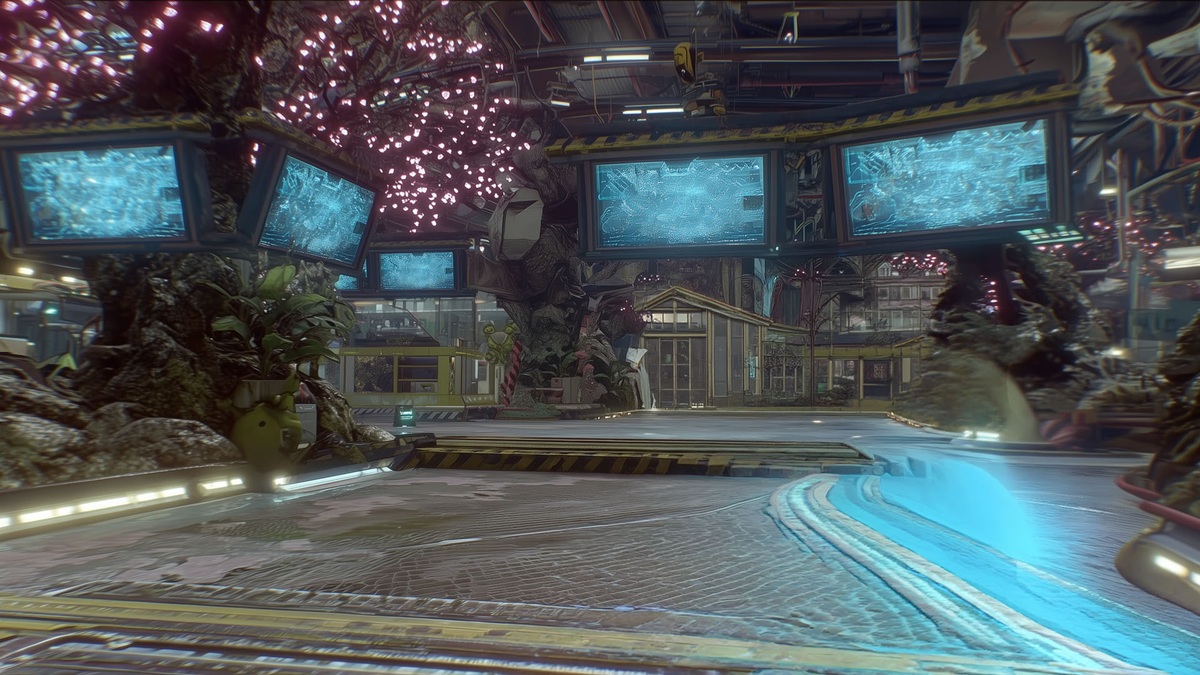
Overworld, the AI world model company building real-time generative worlds, today announced the release of Waypoint 1.5, the latest update to its real-time world simulation system.
Waypoint 1.5 expands access with support for both Mac and Windows. It introduces a streamlined local runtime and delivers real-time environments at up to 720p and 60 frames per second on consumer hardware, alongside a 360p model tier designed to run across an even broader range of gaming systems, from high-performance RTX-class GPUs to more accessible systems.
Overworld is a research and development studio developing world models that you can actually interact with. Instead of watching previously authored environments, you can create and explore worlds that are shaped continuously by your input.
By running locally at game-level framerates, Overworld introduces a new standard of responsiveness, control, and interactivity. The company is building this as a full system. The world model generates and maintains the environment, while a structured prompting pipeline translates user intent into changes that the system can reliably execute.
“Visual fidelity matters, but it is not what makes a world feel real,” said Louis Castricato,
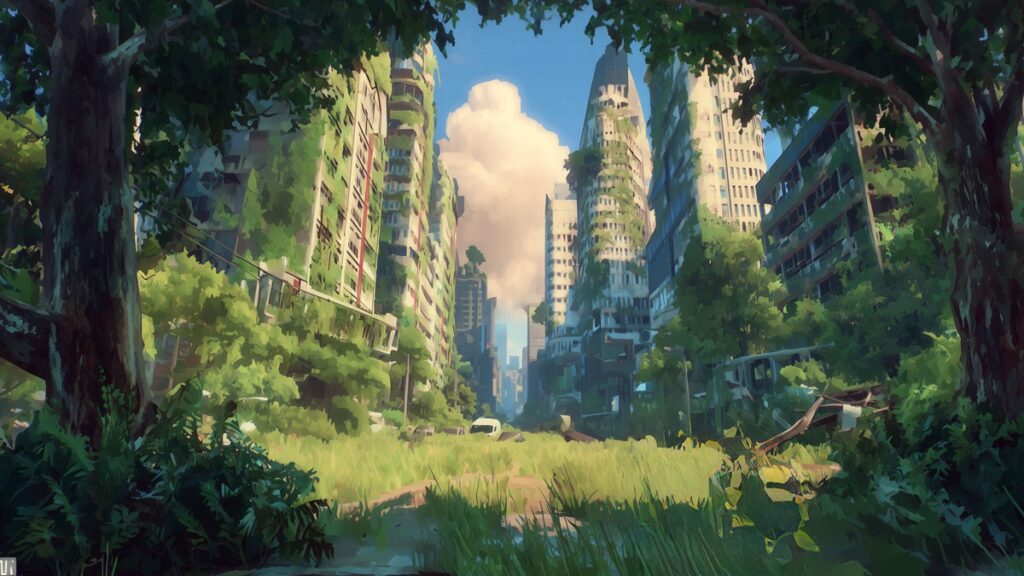
cofounder and CEO of Overworld. “People describe the interactions, the environment, and the emergent behavior that led them there. That is the immersion gap, the difference between watching a generated world and actually exploring and interacting with it.”
Waypoint 1.5 is designed around that idea. The release introduces two new model tiers
optimized for different hardware profiles: a 720p model for higher-end systems and a 360p model designed to run smoothly on a wide range of mid-to-high-end gaming PCs. These two tiers significantly broaden access to real-time generative worlds without compromising interactivity.
I caught up with Castricato’s cofounder, Shahbuland Matiana, head of mathematical research at Overworld, at the recent GDC Festival of Gaming.
“We are creating a simulated world like that that runs locally on the consumer’s own hardware and runs at playable frame rates, like, 60 FPS,” Matiana said. “The goal is to get it fast and seamless with no latency, so that it can have the same level of emerging quality as a traditional game.”
He had an interesting story about the genesis of the company.
Origins
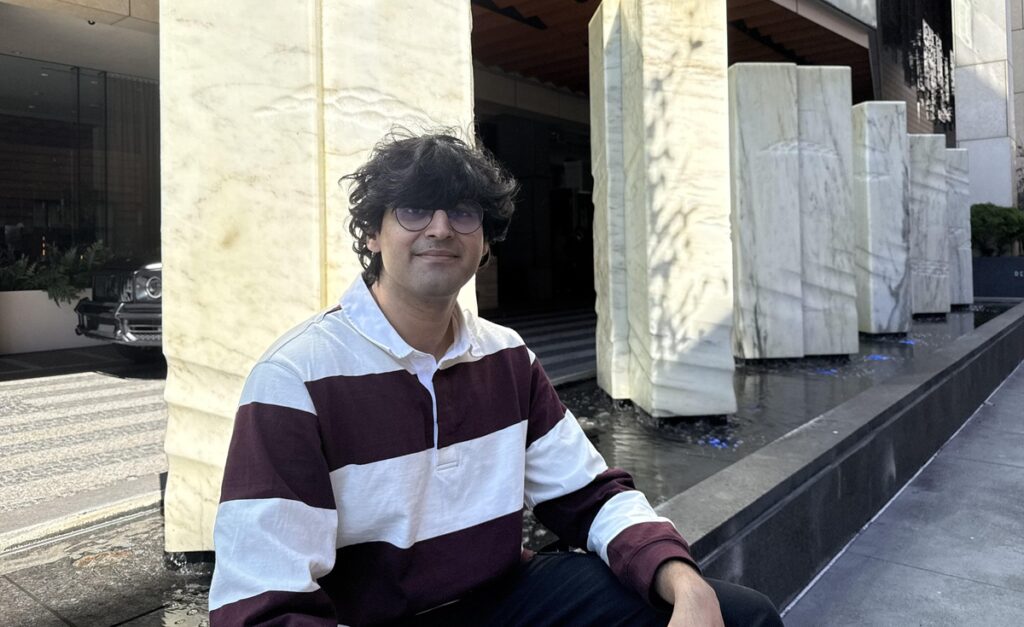
By way of introduction, Matiana said his backstory was growing up “super into video games, and as a direct result of that, I got really into lucid dreaming when I was 13.”
That’s where you are aware you are dreaming while you’re dreaming, and he recalled things like fighting dragons with sword and fighting video game characters in space.
“I decided very early on that I was going ti make it my life’s goal to basically take that level of generality and immersion and that level of wow, for those experiences, and make it something super accessible, as shareable, as reproducible, as controllable, as video games are in the real world.”
It’s why he got into neuroscience as a teenager. He tested EEG monitoring on his bald father. He tried to get his fateher to move around a cursor and play games using his brainwaves, but it was hard to control.
He met his cofounder Castricato and they did university reserarch together on usability. And when OpenAI’s Sora video generation tool came out in 2024, they thought it was time to make his visions possible. He worked at Stability AI for a time and then left.
Castricato and Matiana started Overworld a year ago. They have focused on getting the quality of the image generation up while holding to the idea that it needs to run on consumer hardware.
“It’s like a video model that’s taken and then fine tuned on one game, just to see if you have a very small model and you’re just playing a single game, how far can you push it?” Matiana said. “Now, the interesting thing here is that this isn’t an actual game, right? There is no game engine. It’s literally just a neural network that sees the previous frames, takes your controls and stuff in, and then just predicts new frames out of it.”
How it works
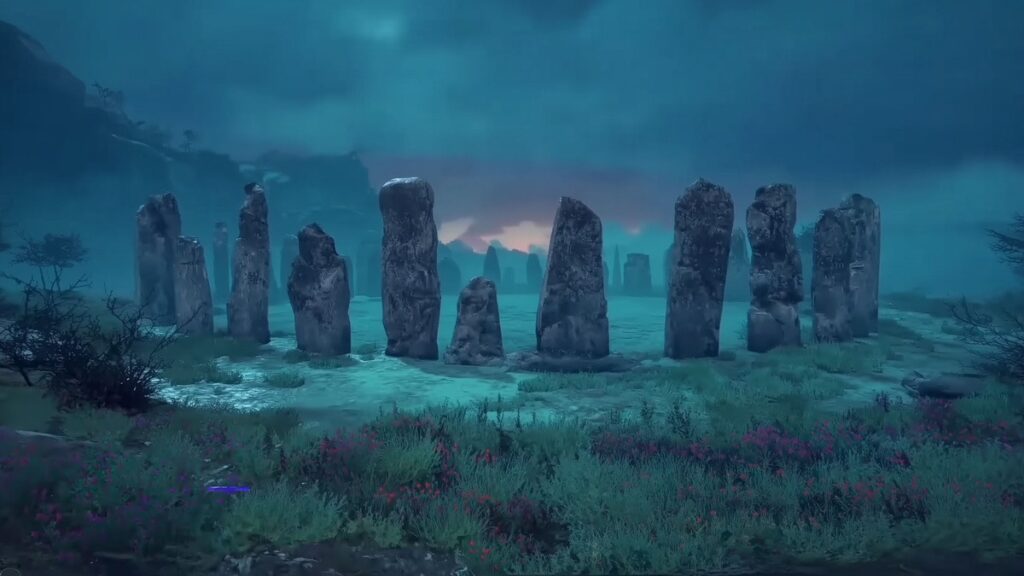
Users can run both models locally through Overworld’s Biome runtime, a downloadable
version designed for accessibility and supported by a simple installer. For immediate access, environments can be explored using Overworld.stream, a hosted experience that runs the model in the cloud.
Waypoint 1.5 was trained on roughly 100 times more data than the original Waypoint release. This increase in data enables significant improvements to visual fidelity and environmental coherence. These advancements allow Waypoint 1.5 to deliver richer environments while running on more accessible hardware.
“Efficiency matters if generative worlds are going to become a real medium,” said Shahbuland Matiana, head of mathematical research, in a statement. “If these systems only run on clusters, they remain demos. If they run on everyday GPUs, they become something people can actually explore, interact with, and play.”
Waypoint 1.5 marks another step toward Overworld’s vision of accessible AI-native interactive worlds. While many generative systems today rely on large GPU clusters, Overworld is building toward a local-first future where generative worlds are a widely accessible medium for play and creativity.
Download Waypoint 1.5 and run it locally with Overworld’s Biome runtime, or explore it
instantly on Overworld.stream.
Matiana said if you imagine a world in a game where developers program a door. If they were thorough, you could open the door and go inside. But if not, it would never open. Overworld is creating something where the AI can predict what you’ll do next and then make it possible to go through any door inside a game world.
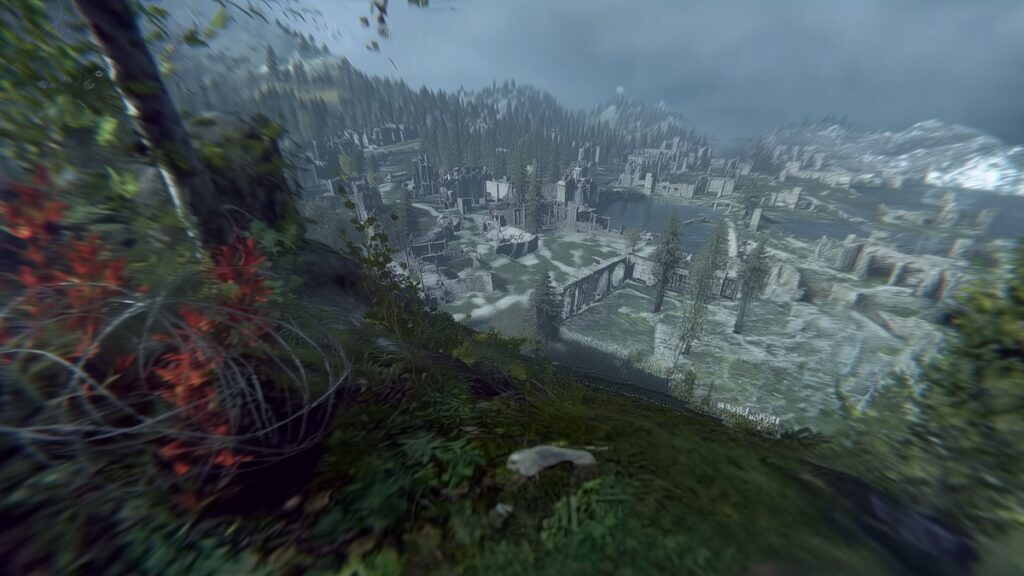
“You can open any door, go into any new area,” he said. “What I really want, long term, right, is to be able to get the same kinds of experiences I got in my lucid dreams, right? If you can have just a very general simulator of the world, there are so many use cases.”
For those making world models, the goal is to achieve visual learning, where AI characters can learn and figure things out, like how to open doors. It’s a sign of better intelligence.
“I think in the near future, I’m hoping that it gives people a new way to make interactive experiences. I hesitate to say new new games, because I think that, at its limit, this becomes something a lot more than just games, in the same way that games are more than movies,” Matiana said. “he immediate use case is to lower the barrier to making experiences significantly. I mean, if you could just describe the kind of game that you want to play, then have that created, that would obviously be like something that doesn’t currently exist. I think it also gives people new ways of making games.”
The hope is to take a video or snapshot of your home and feed it into the world model, and then you can step into that video and play that game in your house.
” I’ll give you an example of like a thing we were playing. Around internally. It’s like, you hold up your phone and you have, like, a snapshot of your house, right? You take a photo and that photo, or even a video. You ever put a video, you walk around for a bit, that video becomes the context and the seed for the world model. So now you can step into that video, and now you can play a game that’s in your house, things like that, right?”
He said there are a lot of things you can do here that you could never do with a traditional game engine or any tools that are out there right now.
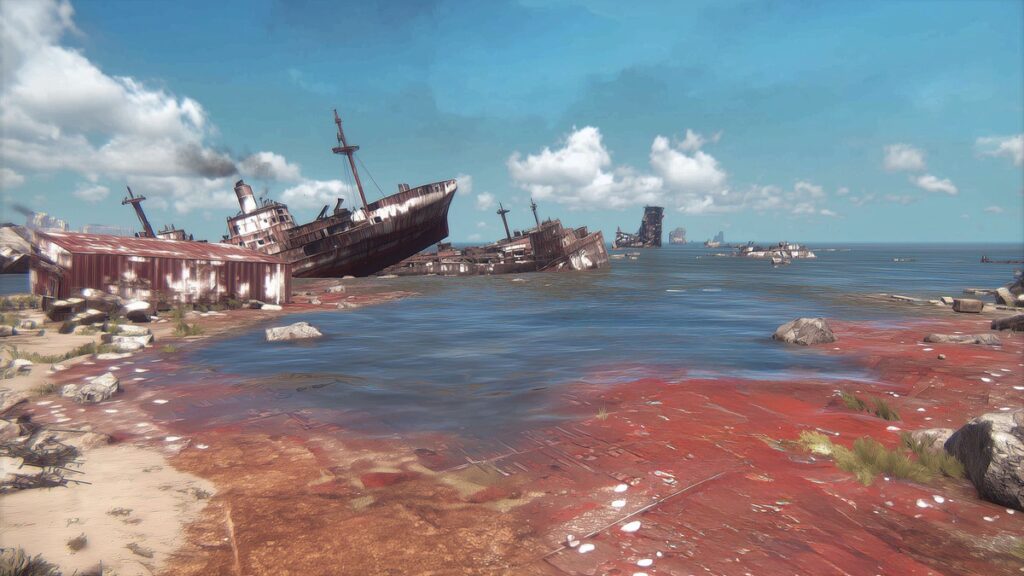
“There’s a level to which just having that function in a way where people can have it on their own devices, play around with it, have full freedom to hack and develop stuff with it, and they don’t have to worry about a cloud connection or delays or latency,” Matiana said. “It’s probably gonna unlock.”
He said that Waypoint 1.5 is intended as a developer preview for the model, and he is excited to see what people build with it.”
The company has raised about $5 million to date and it is raising more. The company is based in Rhode Island.
“Limiting it to just one thing, or one kind of game or one kind of experience really makes sense. I think the example my cofounder likes to make, but I think highlights the whole thing about it being a new thing over games and movies,” Matiana said. “Imagine you’re watching a movie. You’re in a world model. You’re watching a movie on a TV. You step you step into the TV, you get a beer with a protagonist. He remembers your conversation. Then you step out and he keeps going on. He watching the movie.”
“We call it the immersion gap. Like there’s this like barrier between where we are right now and because when you play a game right there’s always going to be immersion breaking moments,” he said. “You can be as picky as you want. I think in VR, people are the most picky with it.”