
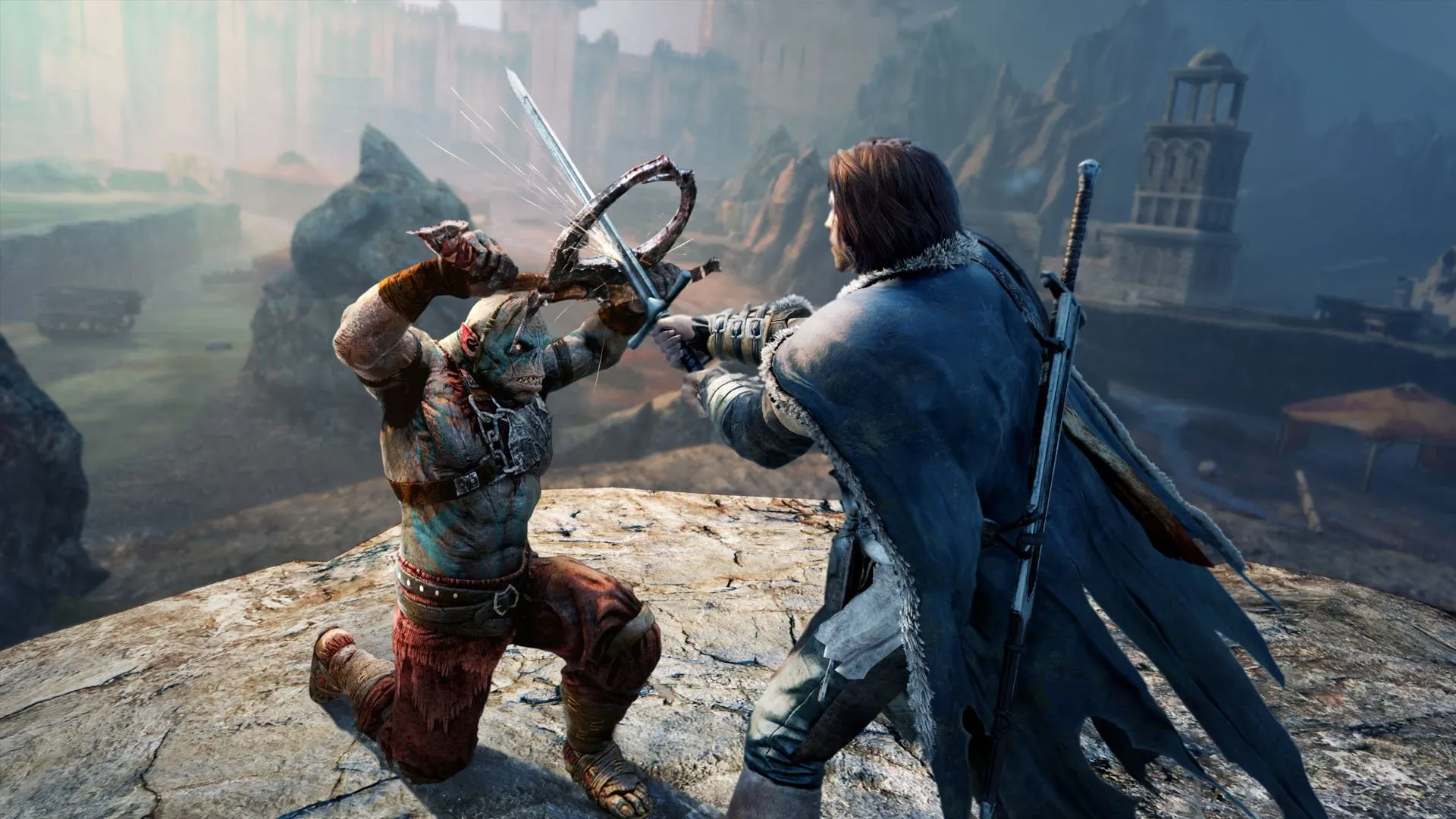
Netflix’s proposed acquisition of Warner Bros. Discovery could give the streaming giant access to a newfound wealth of fan-favorite intellectual properties. The source? Gaming.
In addition to Warner Bros. Discovery-controlled intellectual properties like DC Comics and Harry Potter’s Wizarding World, WB’s game portfolio also includes a wealth of licensed third-party IPs, from “Lord of the Rings” to Lego. If the Netflix–WB acquisition goes through, Netflix subscribers will soon be able to access Warner Bros. titles like “Middle-earth: Shadow of Mordor” and “Mad Max” directly through the platform’s gaming tab.
Netflix downplayed the role of gaming in its proposed Warner Bros. Discovery acquisition, with Netflix co-chief executive officer and president Gregory Peters saying his company viewed WB’s gaming division as a “relatively minor” source of value in the deal during a talk at the UBS Global Technology Conference earlier this month.
“It’s always hard to know what to make of these statements, because the deal is going to take 12 to 18 months to close. There’s still regulatory approval, and in particular anti-trust approval, which is going to be a big issue,” said Marius Adomnica, a partner at the legal firm Segev LLP, whose practice focuses on technology and video game law, in an interview with GamesBeat. “So, whatever they say publicly, they know the regulators are going to hear it, and you have to keep that in mind.”
Netflix would be far from monopolizing the video game market even if it acquired WB, but the deal could provide an unexpected source value on the gaming side in the form of access to otherwise exclusive IP. Although Amazon holds extensive rights to the “Lord of the Rings” properties, including television and film rights, gaining access to WB’s licensed “Lord of the Rings” games would allow Netflix to offer its users access to the world of Middle Earth without requiring them to leave the platform.
“Netflix will really want to upend traditional gaming models, not least core gaming and low-growth sectors, and work out how to do that with an amazing IP portfolio that has really proven its worth in the gaming space, particularly Harry Potter and Batman,” said Gareth Sutcliffe, analyst for games and technology at Enders Analysis, in a message to GamesBeat. “That’s where they will be focusing on capturing and retaining subscribers, and competing against Disney long-term with a full stack of IP.”
Video games remain a relatively new business unit for Netflix, and although Warner Bros. Discovery’s gaming business is highly profitable, it still represents less than 10 percent of the company’s annual revenue. But as the battle between platforms expands across all forms of media to become an all-out war for IP and eyeballs, WB’s gaming portfolio is a useful weapon.
“For these platforms, it’s not particularly about the type of IP; it’s more about being able to offer users a broad experience,” said David Hoppe, the founder and managing partner of the media and technology law firm Gamma Law, in an interview with GamesBeat. “For me, as a consumer, it just feels like there’s something wrong when you go to a platform looking for a major franchise and there’s just absolutely nothing there on that IP.”