
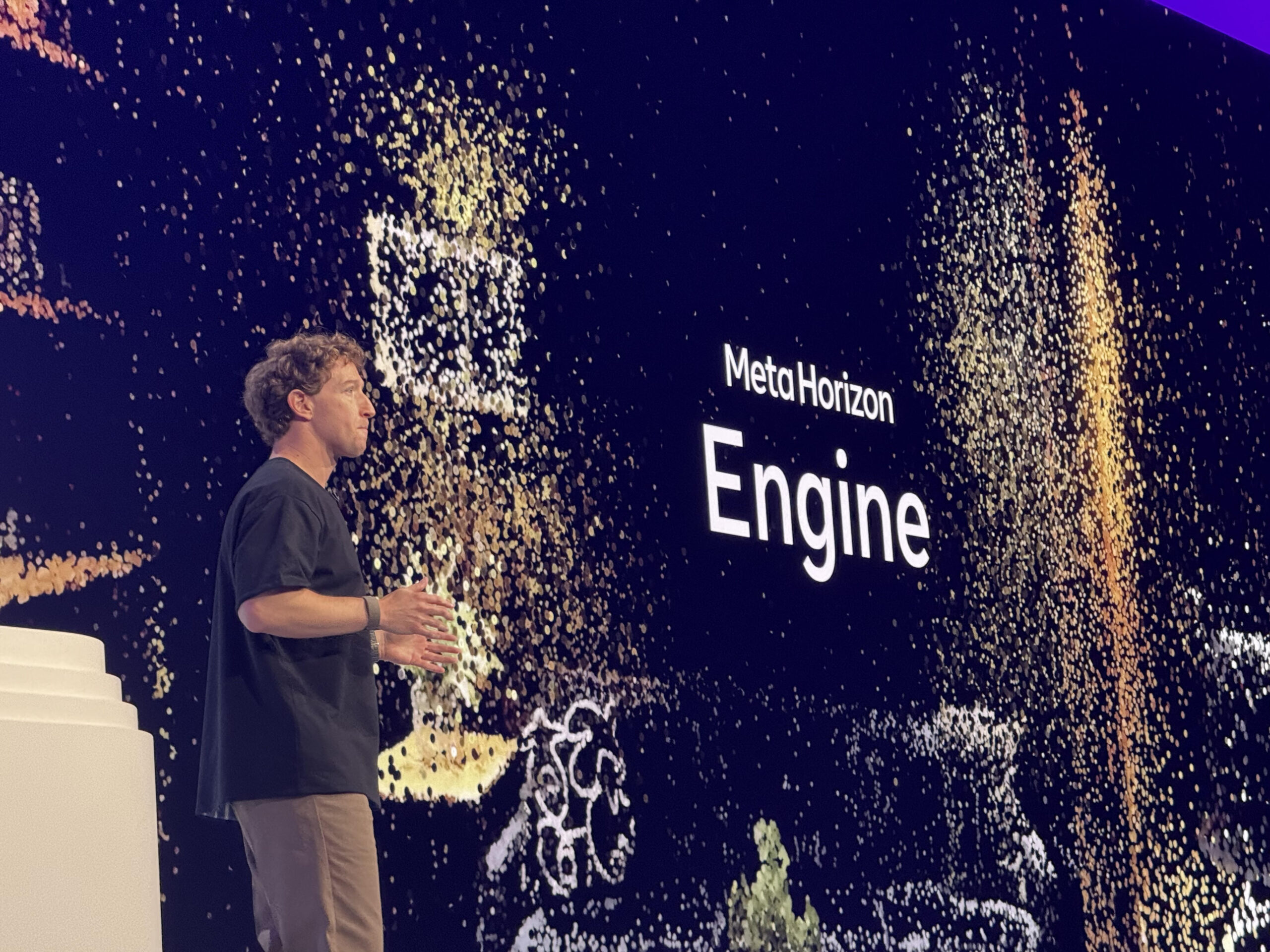
Meta reported $19.2 billion in losses for its Reality Labs “metaverse” division in 2025, a higher loss than the $17.7 billion lost in 2024.
In its annual and quarterly report, the company said it lost $6 billion on an operating basis in the fourth quarter ended December 31, compared with a loss of $4.97 billion a year earlier.
The loss is no surprise, and it’s also something that Meta can afford, given its other businesses altogether reported revenues of $59.4 billion for the fourth quarter ended December 31, up 25% compared with $48.3 billion a year earlier.
For the 12 months ended December 31, Meta’s overall revenues were $201.4 billion, compared with $164.5 billion a year earlier.
Overall income from operations for Meta was $24.7 billion in Q4, up from $23.4 billion a year earlier. And for the year ended December 31, Meta’s operating income was $83.3 billion, up from $69.4 billion a year earlier.
There is, however, a shift happening at Meta, with more resources being invested in AI over the “metaverse” applications at Reality Labs such as VR games, VR hardware and augmented reality applications and hardware.
Because of that shift, Meta laid off about 10% of the staff at Reality Labs earlier this month and closed three VR studios. Estimates suggested the numbers laid off were more than 1,000.
Meta CFO Susan Li said that for 2026, the expense growth will be driven by the Family of Apps, with Reality Labs operating losses remaining similar to 2025 levels. In after-hours trading, Meta’s results are up 5%.
Earnings call
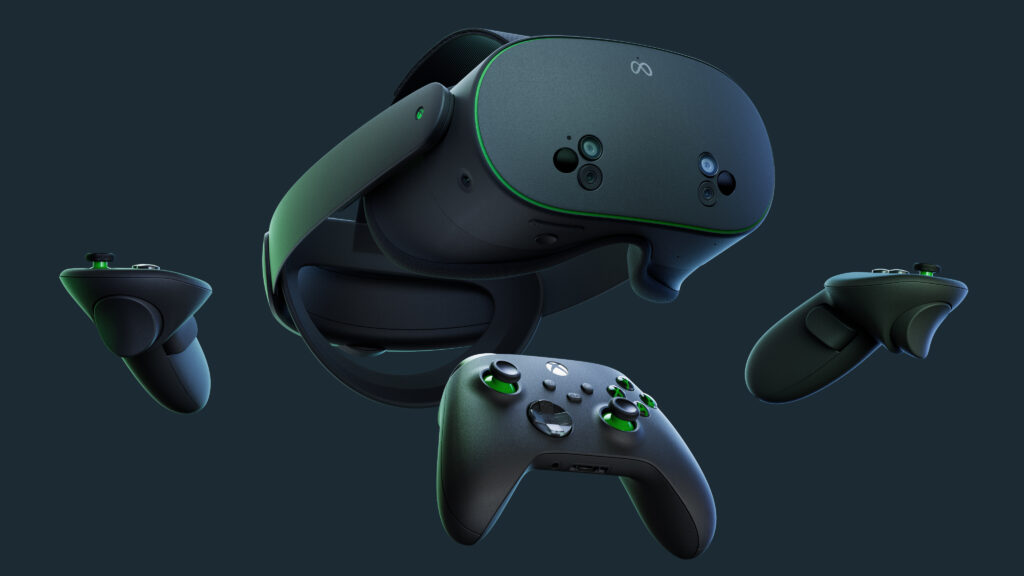
Mark Zuckerberg, CEO of Meta, said in an analyst call that the company ended 2025 with 3.5 billion people using at least one of its apps. He said AI agents are really starting to work, and he said in 2025 the company rebuilt elements of its AI program. He wants Meta to build “personal super intelligence.”
Zuckerberg said he thinks Reality Labs’ losses are around their peak, with losses for 2026 likely to be similar to 2025 losses. Over time, the losses would gradually go down. He said that Facebook’s apps reach two billion daily active users across Facebook and WhatsApp, while Instagram is just shy of that number.
“We are now seeing a major AI acceleration. I expect 2026 to be a year where this wave accelerates even further,” Zuckerberg said. “On several fronts, we’re starting to see agents really work. This will unlock the ability to build completely new products and transform how we work.”
He said that in 2025, Meta rebuilt the foundations of its AI program.
“Over the coming months, we’re going to start shipping our new models and products. I expect our first models will be good, but more importantly, we’ll show the rapid trajectory that we’re on,” he said. “And then I expect us to steadily push the frontier over the course of the year, as we continue to release I’m very excited about the product that we’re building. Our vision is building personal super intelligence. We’re starting to see the promise of AI that understands our personal context, including our history, our history, our interests, our content, our relationships.”
Zuckerberg said that a lot of what makes agents valuable is the unique context that they can see. Meta believes it will be able to provide a uniquely personal experience, as the company is merging large language models (LLMs) with the recommendation systems that power Facebook, Instagram, Threads and its ad system.
“Our world-class recommendation systems are already driving meaningful growth across our apps and ads business, but we think that the current systems are primitive compared to what will be possible soon,” Zuckerberg said. “Today, our systems help people stay in touch with friends, understand the world and find interesting, entertaining content, but soon, we’ll be able to understand people’s unique personal goals and tailor feeds to show each person that helps them improve their lives in the way that they want. This also has implications for commerce, our ads today help businesses find just the right very specific people who are interested in their products.”
He added, “New agentic shopping tools will allow people to find just the right very specific set of products from the businesses in our catalog. We’re focused on making these experiences work across both our feeds and across business messaging significantly increasing the capabilities of WhatsApp over time, new kinds of content will soon be possible as well. People want to express themselves and experience the world in the most immersive and interactive way as possible.”
Zuckerberg noted Meta started with text and then moved to photos when moved on to phones with cameras, and then moved to video.
“When mobile networks got fast enough, soon, we’ll see an explosion of new media formats that are more immersive and interactive and only possible because of advances in AI,” he said. “Our feeds will become more interactive overall. Today, our apps feel like algorithms that recommend content. Soon, you’ll open our apps and you’ll have an AI that understands you and also happens to be able to show you great content or even generate great personalized content for you.”
AI glasses
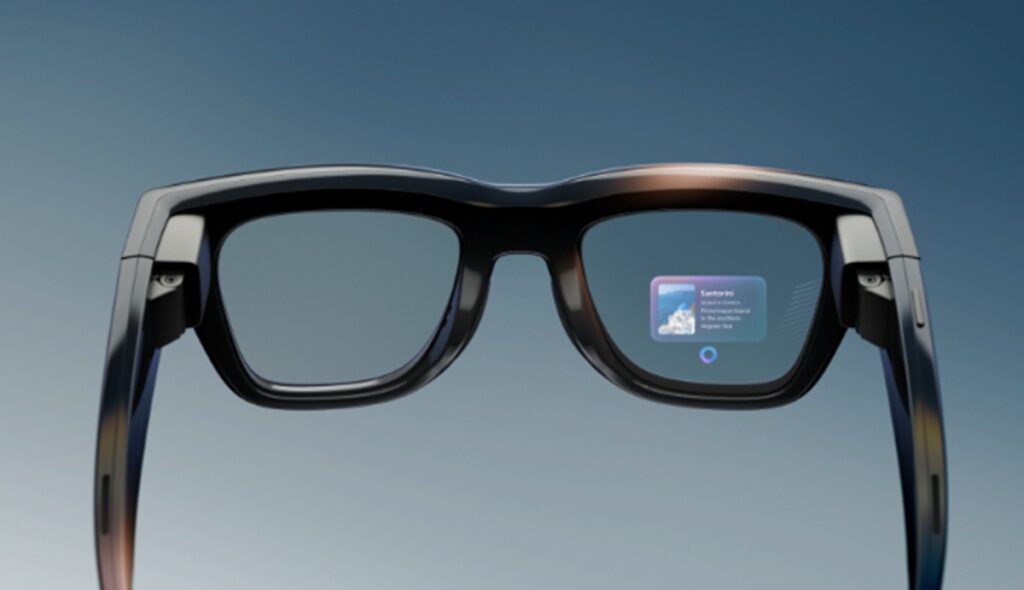
He said that glasses are the ultimate incarnation of this vision.
“They’re going to be able to see what you see, hear what you hear, talk to you and help you as you go about your day, and even show you information or generate custom UI right there in your vision,” he said.
Sales of glasses more than tripled last year, and Meta thinks that they are some of the fastest-growing customer electronics in history.
“Billions of people wear glasses or contacts for vision correction. And I think that we’re at a moment similar to when smartphones arrived, and it was clearly only a matter of time until all those flip phones became smartphones,” he said. “It’s hard to imagine a world in several years where most glasses that people wear aren’t AI glasses.”
The Reality Labs investment
“For Reality Labs, we are directing most of our investment towards glasses and wearables going forward, while focusing on making horizon a massive success on mobile and making VR a profitable ecosystem over the coming years, I expect reality labs losses this year to be similar to last year, and this will likely be the peak as we start to gradually reduce our losses going forward, while continuing to execute on our vision as we plan for the future,” Zuckerberg said.
He said the company will continue to invest very significantly in infrastructure to train leading models and deliver personal super intelligence to billions of people and businesses around the world.
Li said that Q4 total expenses were $35.1 billion up 40% compared to last year. The growth in expenses was driven primarily by employee compensation expenses, legal expenses and infrastructure costs growth and employee compensation.