
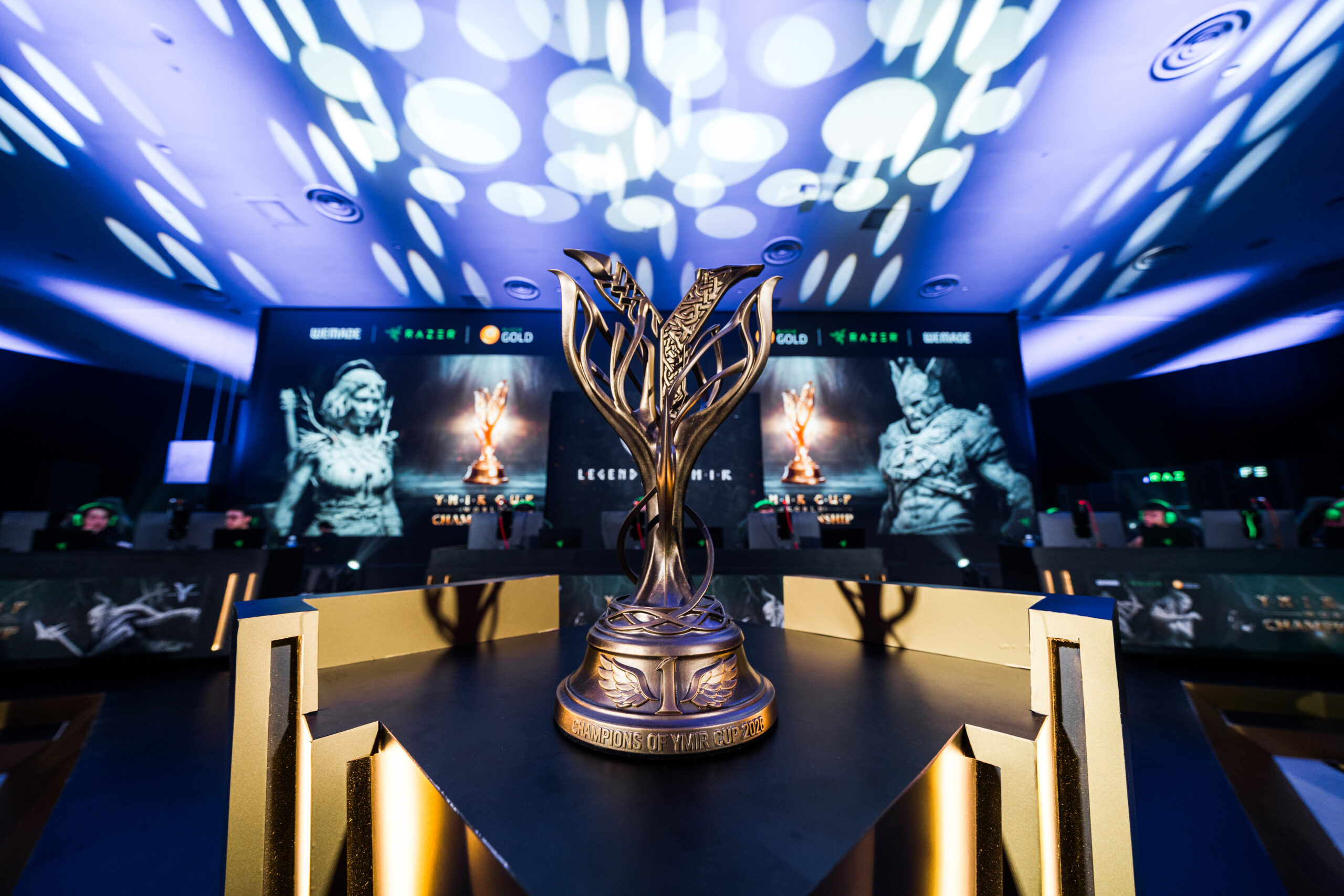
The lights inside Razer’s Southeast Asia Headquarters dimmed as the final matches of the YMIR Cup World Championship approached. On screen, armored warriors collided with towering monsters amid flashes of steel and spellcraft. In the audience, spectators tracked positioning and timing with the focus usually reserved for major competitive titles. Except, this wasn’t a competition for a traditionally popular competitive game, it was an MMORPG taking center stage in a live, in-person tournament.
Held from February 28 to March 1, the YMIR Cup marked a defining moment for Legend of YMIR, WeMade’s massively multiplayer role-playing game rooted in Nordic mythology. Since the game launched on October 28, 2025, players had spent months exploring its persistent world, refining builds, coordinating with clans, and developing strategies that reflected both individual skill and long-term investment. The tournament was not simply a competitive exhibition, it offered a window into how the game’s systems and community had matured, and the kind of players it is designed to reward.
When persistent worlds step into competition
MMORPGs have historically struggled to carve out a competitive space, despite a few exceptions. Their appeal is rooted in long-term progression, layered systems, and player-driven identity, qualities that don’t easily translate to standardized match formats.
Legend of YMIR challenges the assumption that MMORPGs can’t support meaningful competition by designing encounters that emerge organically from the same systems players engage with every day. The YMIR Cup reflected this philosophy. Matches were shaped by choices made over time, from how characters were developed to which abilities were emphasized, as well as how teams coordinated roles built through long-term progression. Victory was never solely about day-of tactics; it was a culmination of preparation, strategy, and the accumulated weight of time spent inside the world.
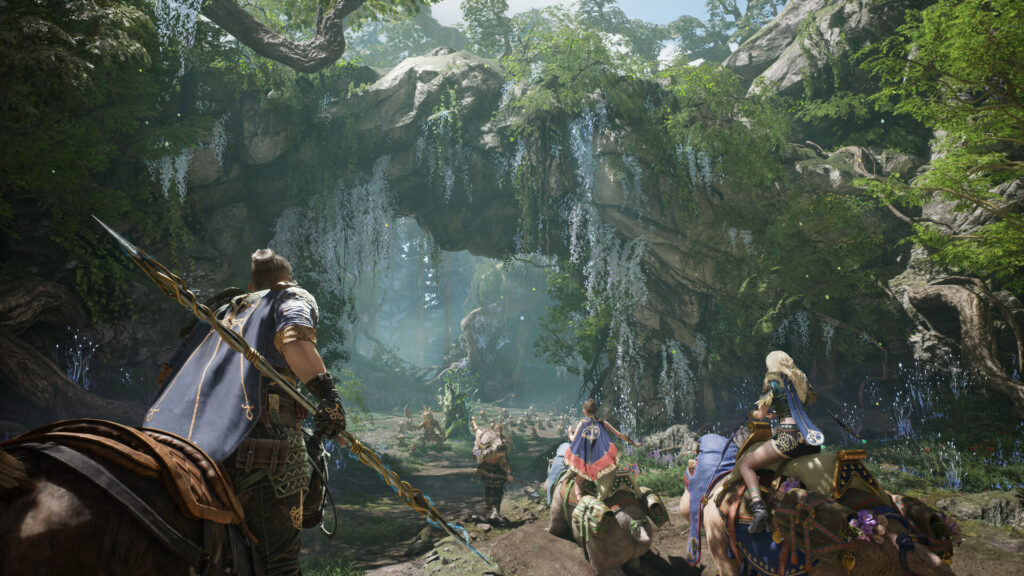
This approach mirrors the game’s mythic setting. Legend of YMIR draws from cycles of creation and destruction, where power is earned through struggle and fate is never far away. Its world is steeped in tales of primordial giants and watchful gods. Translated into competition, the YMIR Cup extended that sense of consequence across a global stage, with teams from multiple regions clashing in high-stakes battles that reflected both individual preparation and the collective skill of an international community. Every match became part of a larger narrative, connecting players worldwide through shared strategy and the pursuit of MMORPG mastery.
Built for players who invest, not pass through
Legend of YMIR makes no attempt to disguise its expectations. Progression is methodical and systems are layered, rewarding consistency and understanding. That depth is precisely the appeal.
Massively multiplayer games have long offered something beyond immediate entertainment. At their best, they create worlds where identity, reputation, and community matter, where effort compounds over time. WeMade’s approach with Legend of YMIR is a deliberate response to players who don’t want their investment diluted in exchange for faster, shallower experiences.
What sets Legend of YMIR apart is how it respects that commitment. While the game asks players to think in terms of long-term goals, it provides automated tools that help them visualize the big picture. Questing, combat, harvesting, and navigation can all be guided by automated systems, allowing players to focus on strategic decisions rather than repetitive tasks.
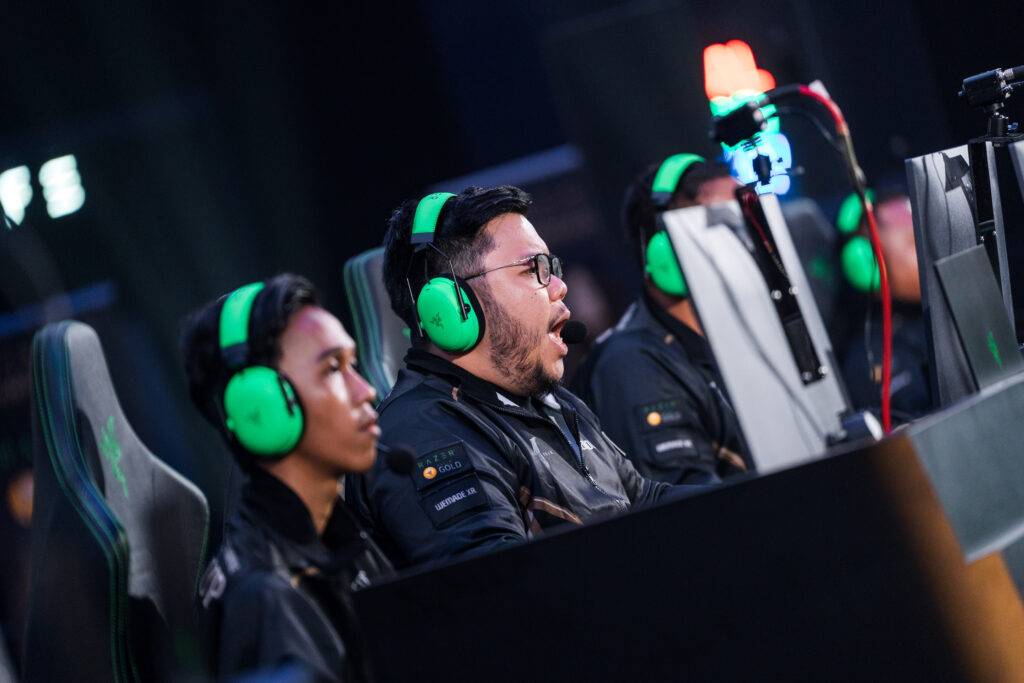
The YMIR Cup put this philosophy on display: competitors demonstrated not only mastery of individual mechanics, but the ability to manage complex progression systems and coordinate with their teams over time. These are players and clans who have built lives inside the world, leveraging its tools to reach the objectives they set for themselves.
From Singapore to a global audience
While the YMIR Cup live event took place in a single venue, its implications extend beyond Singapore. WeMade is preparing to bring Legend of YMIR to Steam in 2026, building on momentum established since the game’s launch last October. That early performance validated demand for an MMORPG built around persistence and long-term progression.
Steam represents the next stage of that vision in reaching a broader global audience. The platform already supports major MMORPGs and live-service titles with entrenched communities, but Legend of YMIR enters the market with a different focus. Rather than prioritizing onboarding speed, it emphasizes persistent character identity, layered systems, and competition that emerges from sustained play. That positioning allows it to occupy space alongside established MMOs without directly mirroring them.
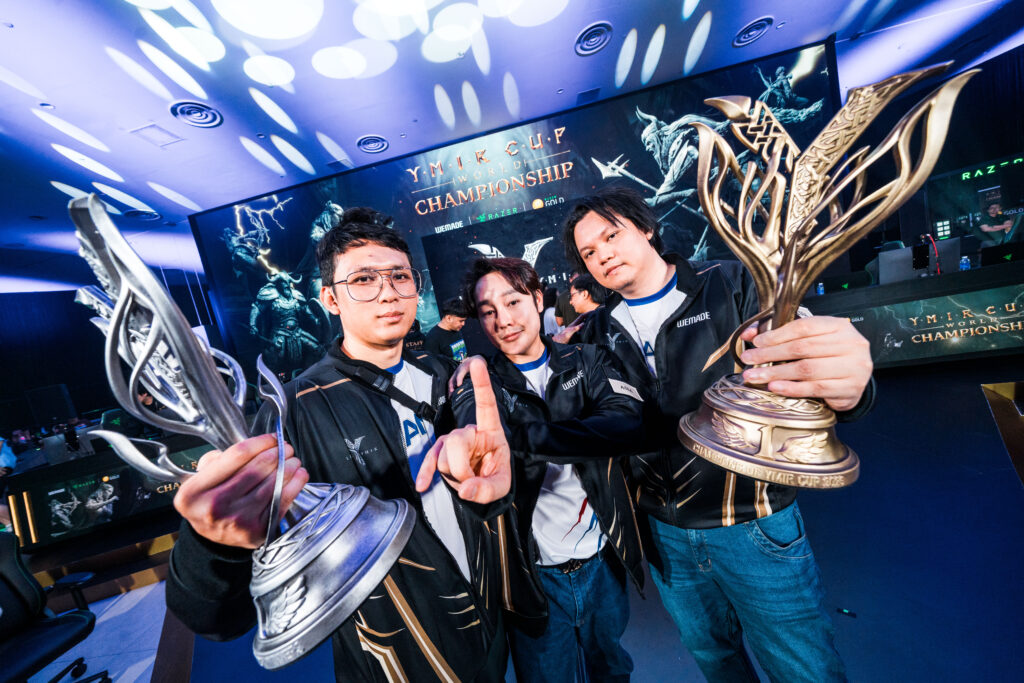
By the time Legend of YMIR arrives on Steam, the game will carry an even clearer sense of direction. The YMIR Cup functioned as an early signal of that approach. Instead of adapting its systems to fit conventional competitive formats, WeMade is extending existing progression and core MMORPG experience into a public, high-visibility competition.
As the event concluded, the takeaway was not limited to match results. The YMIR Cup clarified how Legend of YMIR is being positioned as a long-term service built to support both deep investment and visible competition. With its Steam launch on the horizon, WeMade is betting that there is still room in the market for an MMO that asks players to commit to fighting for glory.
GB Studio creates custom content in partnership with sponsors. GamesBeat’s editorial team was not involved.