
Alex Nichiporchik is the CEO of TinyBuild, which he started with Tom Brien back in 2011 to develop and market, No Time to Explain, via Kickstarter. Over the years, Nichiporchik has picked up a lot of experience in indie and double-A game publishing, and how he’s sharing some of it for the company’s 15th anniversary as an indie publisher.
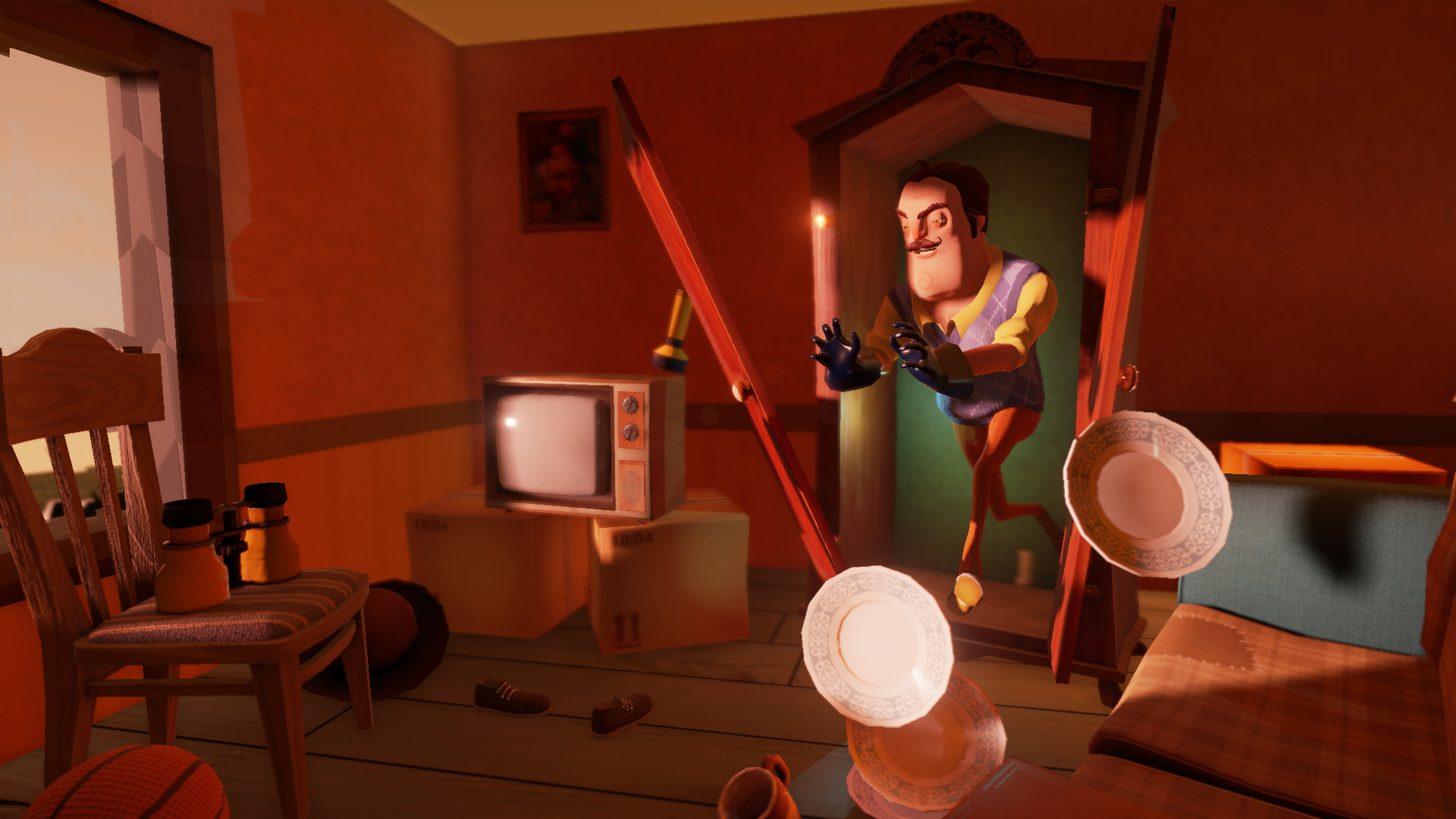
Nichiporchik told me in an interview about the struggle he went through just to get to the creation of TinyBuild, now based in Seattle, while growing up in Eastern Europe. But he never stopped searching for new games and making big bets. And that led him to Hello Neighbor, a giant hit that has had more than 300 million downloads since hitting the market in 2018.
Nichikporchik acquired the development team behind the game from Dynamic Pixels in 2020, and that enabled the company to go into the pandemic with momentum. The firm went public in 2021 on the London Stock Exchange and acquired more development studios. The stock has declined dramatically since then, but Nichiporchik has poured $10 million of his own money into the company in an effort to turn it around.
Since that time, the company has continued making bets, including on a new title dubbed Kingmakers that has more than million wishlists on Steam and millions of views for its trailers. This story is about Nichiporchik’s journey and TinyBuild’s growth as a publisher, and his advice for those who are newer to the business of games.
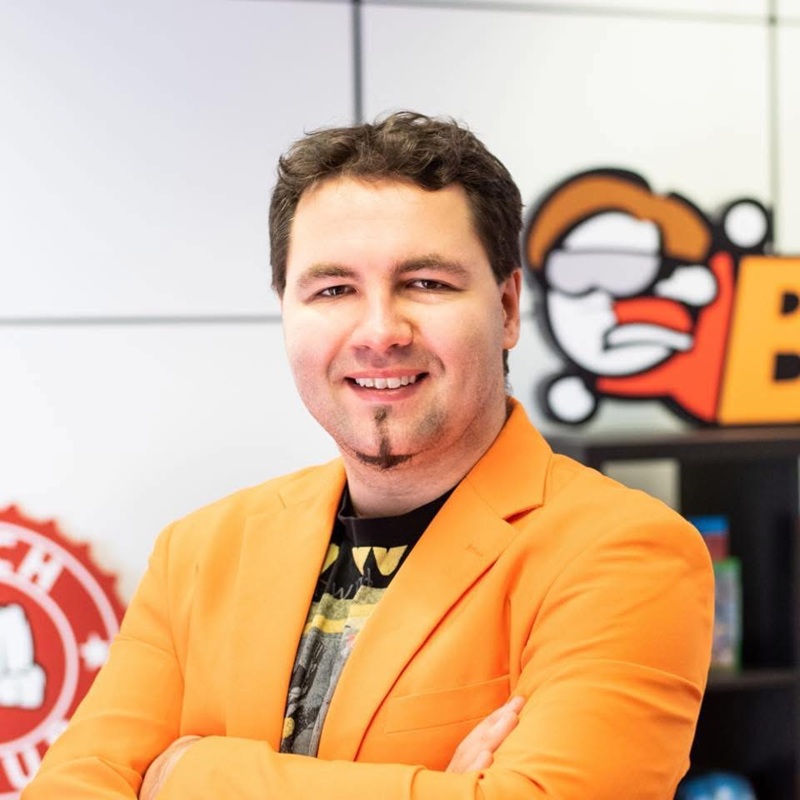
I asked Nichiporchik what was the lesson from 15 years of publishing games.
He replied, “The biggest lesson is to never give up. You can’t lose if you never quit. Things get really really difficult, and it takes a lot of courage to make the right decisions and follow your gut.”
Nichiporchik added, “Also it’s about working with people you like and trust. This is an industry built on passion for a common lifestyle: video games. You need to surround yourself by people you would trust with your life (in a video game and in real life). The other one is to not follow trends, and instead stay ahead of them.”
I asked him what the role of a publisher should be.
“I see the role of a publisher as being a partner, someone who is deeply vested into the products, knows how to develop a proper go to market strategy and execute it,” Nichiporchik said. “It’s also about always being there. We often pull in all nighters during critical milestones, because the developers do too.”
Origins
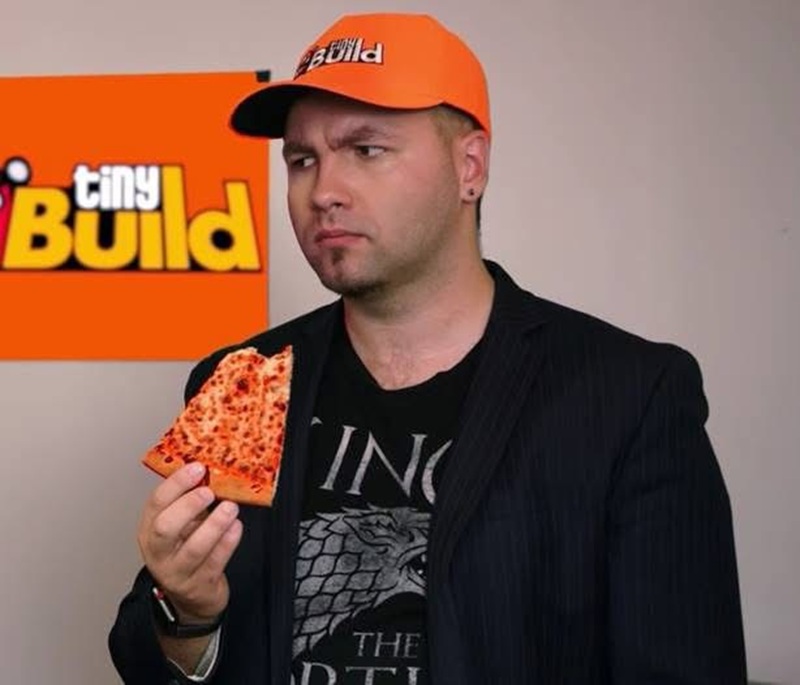
Nichiporchik had an informal entry into gaming as he was growing up in Latvia. He stopped going to high school (which he said is a bad thing) as his family had financial troubles and he had to help out.
He wasn’t passionate about school subjects, except perhaps history, and the school sysetm wasn’t so good. (He learned English watching cartoons and playing games). He started going to LAN cafes and participating in Counter-Strike tournaments. He got really good at Counter-Strike and was winning some tournaments.
He played it for perhaps five years, using his lunch money to practice. As the esports scene grew across Europe, Nichiporchik realized he wasn’t very competitive on the international front. But he did start to randomly write video game reviews. While Latvia was bilingual with both Russian and English, he wrote his reviews in English.
At age 18, he was offered an internship at a games company and then that turned into a job as a game producer for casual games — something like RealArcade back in the day a couple of decades ago.

“These were really simple, replayable titles, and that was a dream come true,” Nichiporchik said. “I decided, ‘I’m just not going to go back to high school at all.’ Then the work just spiraled out of control for me. I did that for about a year, then I did marketing for non video games, which then lended me a job back in video games for marketing, and I essentially landed in this niche about 18 years ago” back in 2004 at a place called CTXM in Latvia. A year after that, he got into flash games, where you could market them on forums.
“I got pretty good at flipping those websites. There was this whole concept way back when you build a website and some get traffic. And then you would make some revenue, and then you would sell it for 10 times the monthly revenue.”
Right around this time, the global financial crisis hit Latvia pretty hard.
“I essentially sold all of my websites and was looking for a job because I knew that I liked working in games. My dreams was to eventually go into console and PC because that was my passion. I wrote about those games for years, and I landed a job in marketing at a Dutch company called Spil Games. They were quite big. They had at peak about 200 million monthly app users, and their concept was that they make a whole bunch of different Flash game websites for different target audiences, and they also localized them in as many languages as possible.”
At about the same time, there was an indie revival. Indie Game: The Movie came out (2010), Facebook games become a new avenue of growth. Super Meat Boy released in 2012 on Xbox Live. That pave a path for Nichiporchik to become interested in indie games.
Nichiporchik tought about ways to find a Flash game that was going viral and then find a way to make it into a premium game on PC or console platforms. He went to work at Flash game comapny Newgrounds, which had a big hit with the Flash game Alien Hominid.
Creating TinyBuild

There, he found a game called No Time to Explain, a Flash title that he believed could be turned into a premium game. He met with the maker, a teenager named Tom Brien in the United Kingdom. He reached out to brainstorm how to take the game into the big time. They had no funding, and Nichiporchik could barely pay his rent.
So they did a Kickstarter, one of the earliest games to seek money from players on the crowdfunding platform. The trailer went viral on Twitter, Reddit and Facebook. Notch, the creator of Minecraft, saw it and gave the game $10,000. And the campaign got $26,000, far more than its $7,000 goal.
“I was like, holy hell,” Nichiporchik. “What do we do now?”
They made the gaem and tried to get it onto Steam. But after writing to them five times, they still couldn’t get onto Steam. Instead, they released the PC game in 2011 on a website that, unfortunately, was called Gamergate.com. It wasn’t actually about the infamous Gamergate issue. They made a little money and went their separate ways for a couple of years. Nichiporchik continued to do well as Spill Games in his early 20s.
And then Steam announced its Greenlight in 2012, where the gaming community could vote on game ideas and enable indie game devs to publish on Steam without having a direct relationship with Valve. He submitted No Time to Explain again and it got approved. They worked on the game more and released it in 2013. On the day of the launch, Nichiporchik looked at the Steam page and saw they had made more money than he otherwise would have made in the past three years.
“This is great. It’s also bad. I might need to quit my job. Had a little bit of an existential crisis there,” Nichiporchik said.
He wasn’t sure if he wanted to keep diving into new games and take such risks. He went to a conference in Hamburg and he saw a game that was called Speedrunner HD. It’s like a local multiplayer game where you race around in the environment. He realized that with a bit of polish and art revamping, it could be a hit.
“And if we were to do the production marketing, we had enough resources and we could partner up,” he said. So they partnered with Double Dash Games on the title and published it in September 2013. It was a moderate success, but it was TinyBuild’s first published game from the ground up. A week after it came out, the game exploded with YouTubers like Pewdiepie playing the title.
“The game explodes over a weekend, and so we found this publishing thing works,” Nichiporchik said. “We then took all of that money and started reinvesting it over the next year. Between 2013 and like 2016, we had moderate success here and there. We became actually quite big in Eastern Europe.”
They started traveling through the region and they got one game from EasternUkraine called Party Hard during a game jam.
“We were scrappy, and I was sleeping at friends’ places, on the floor, in like a little camping bag for seven years before I was able to afford a hotel,” he said.
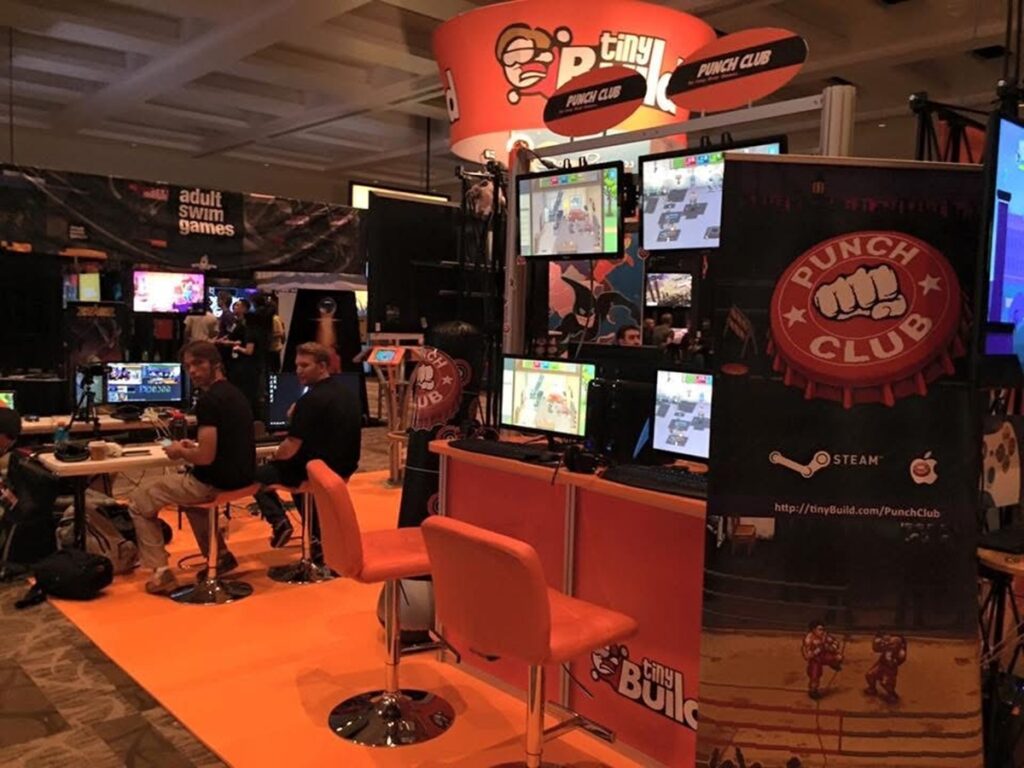
That turned into a success, and that paved the way for Punch Club, another satirical game that did well with streamers on Twitch.
“When we launched it, the whole thing went viral and every single outlet was writing about us,” he said.
Hello Neighbor

And that led them to a title called Hello Neighbor, the culmination of TinyBuild’s efforts. The title had a Kickstarter campaign that failed. There were signs that the game wasn’t going to fly.
But TinyBuild had confidence in that title — so much so that they spend their entire fortune from all their games on that one title, Nichiporchik said.
It was around $500,000. It was such a large amount of money for TinyBuild that they didn’t have money for a second promising game, Human Fall Flat. They had to give that one up, and they went instead with Hello Neighbor, which had the advantage of being highly replayable.
It was a tough decision. They were now based in the Netherlands and had an office on top of a warehouse, where the air conditioning was terrible. They had an 18-year-old intern who was drawing characters for Speedrunners. He saw the intern playing Hello Neighbor and asked him what was interesting about it. The kid wanted to uncover a secret.
And Nichiporchik decided to sign up the game in a publishing deal at the end of 2016. There were maybe nine people at TinyBuild at the time, and they all went to work on Hello Neighbor.
The team spent time developing the game and TinyBuild set up a publishing relationship. But it was always there to get creatively involved with the game developers, as Nichiporchik had always done in previous games.
“It’s really beneficial to build a rapport with the creatives,” he said. “We like to be deeply involved in production. This was still a publishing relationship.”
They rekindled their relationships with YouTubers and sent them a preview. They had a huge mailing list at that point (and would later create a big Discord presence). Almost overnight, it went viral. They were getting tens of millions of views on YouTube.
“Everyone was playing it, and everyone was having a blast,” he said.
The team started releasing more alpha gameplay builds for players. And that helped the game go more and more viral.
The game debuted in 2018 at a low price, particularly on Xbox Game Pass, and it went multiplatform. But cashflow came through as the game was selling and TinyBuild could ut more marketing behind it.
“We needed to bet all of our money we just made to acquire the IP and acquire the studio in quick succession, and that’s what we did,” he said.
That deal wsa significantly more than the $500,000, and the company needed to raise new capital. The deal made Nichiporchik think about how to structure deals, and one way was to grant developers who were successful a kind of passive income where TinyBuild could fully exploit the rights while the original developer moved on to other things.
It has now sold more than 300 million downloads. Soon, there were multiple teams at work on Hello Neighbor, with the original team doing a prequel. The company started merchandising efforts and a board game, and it started talking to companies about transmedia efforts, like a Hello Neighbor movie.
“Now we have a few development teams that are doing something else, that are getting a passive royalty from the work that we continue to do, which I think is a win, win,” Nichiporchik said.
Going public and then the post-pandemic slowdown
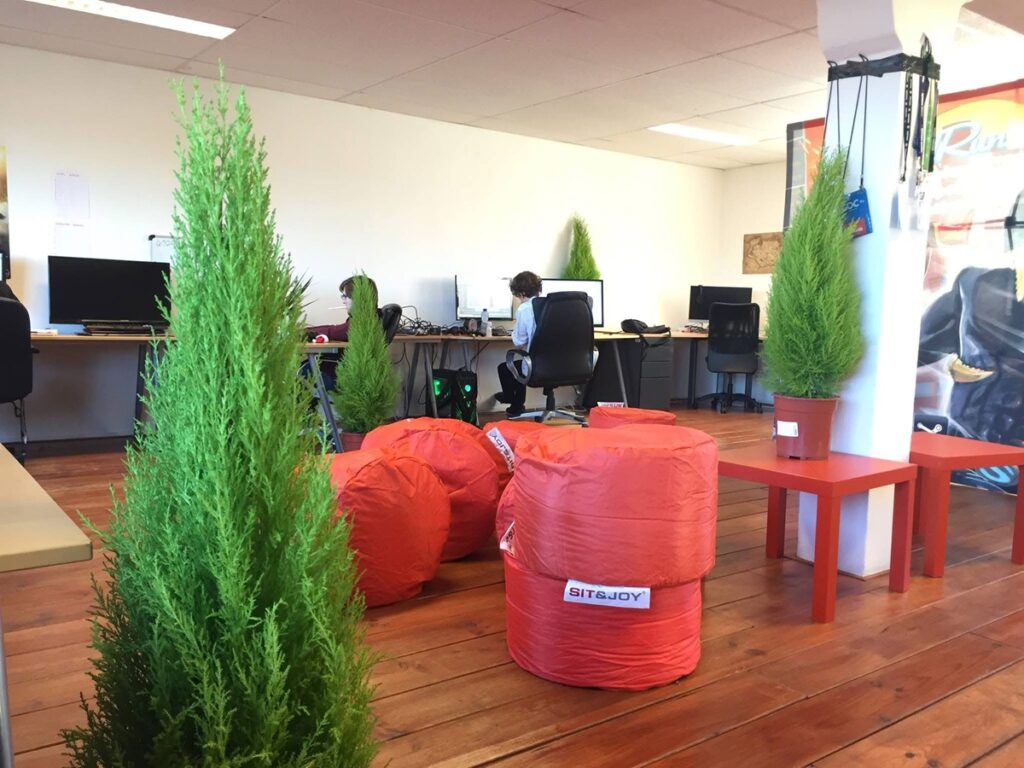
Sometimes the original creators come back years later to work on another game. That’s a more generous approach than simply taking over an IP. Since the success of Hello Neighbor, TinyBuild was able to raise two rounds of funding and then it went public on the London Stock Exchange in 2021. The company added internal development and increased its publishing efforts.
“I did feel like we started becoming much more corporate because of rapid hiring, overfunding, and the times when the public markets were riding high,” Nichiporchik said. “I felt like we were going in the wrong direction.”
He felt at times that he could do a task in five minutes, but it would take an hour to delegate the taks to a manager.
“This shit is broken,” he said. “That’s not what I want to do because we scaled in the classical departmental structure. We had heads of departments, directors and all of that. We hired some people who were from established companies, and I really don’t enjoy it. At one point, I was like, man, we need to get back to being a startup.”
TinyBuild went through a reorganization process to deal with processes that slowed the company down. At one point in late 2023, the company shut down its Versus Evil division and laid off more than a dozen people.
“Things started to pick up again, and that was probably the best decision I’ve ever made in terms of difficult company structure decisions.”
Nichiporchik said the story was similar to many other game companies, where they didn’t realize that the industry demand would go back to normal pre-pandemic levels until the pandemic was really over.
“Many companies fell into that trap,” he said. “When it comes to an M&A deal, there are earnouts, and then the market is tapering off and people aren’t happy and they start lawsuits. It’s an unpleasant situation because people who sold their companies have this expectation. I think it was a very expensive learning lessson for the industry.”
The state of the industry and the road ahead
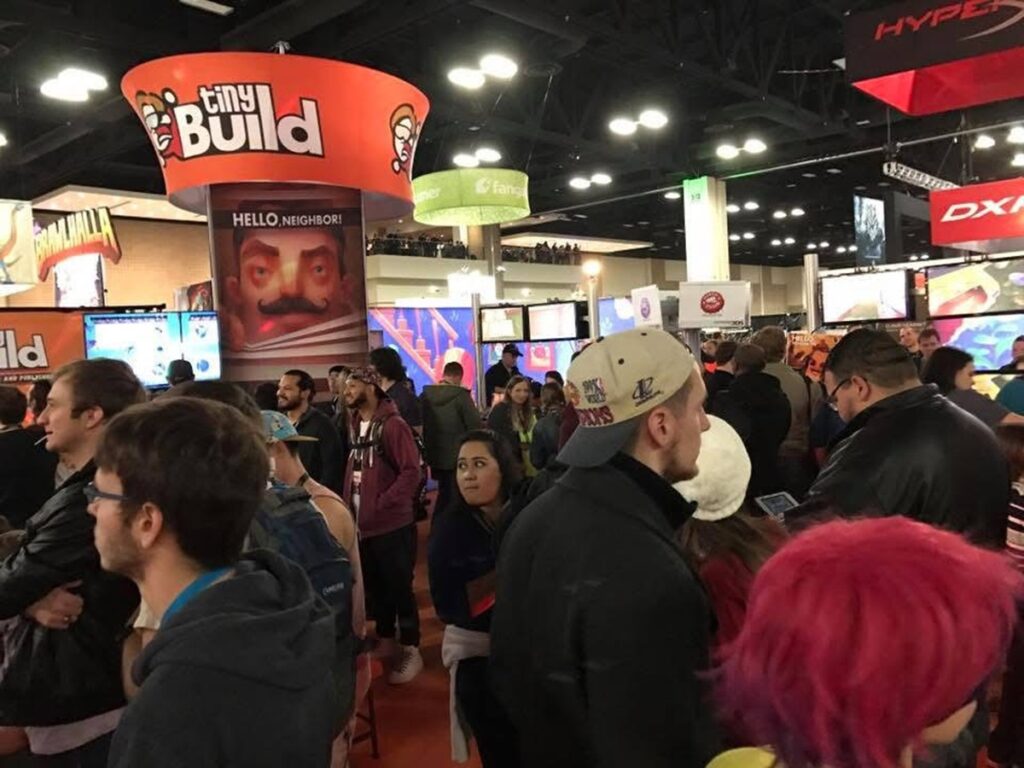
As for the industry’s layoffs, he said we’re still seeing the consequences of over investments and overly high return expectations — specifically when it comes to mass studio shutdowns.
“At the same time we’re seeing unprecedented levels of double-A and indie success. Those who adapt to a changing market will be absolutely fine,” he said. “What’s critical I believe is for people in decision making roles to be really, deeply into video games. Understand what’s happening within gaming culture. This year will likely be the last with massive triple-A restructuring as games funded during the pandemic come out or get cancelled.”
Last year, the company launched a game called The King Is Watching and it managed to sell more than 500,000 units, generating return on investment. The company launched another title dubbed Hozy that is selling tens of thousands of units.
“This structure really shows when you have really smart people, and you empower them, and a lot of them have development backgrounds,” he said. “You can just build a structure that facilitates this kind of collaboration with creators.”
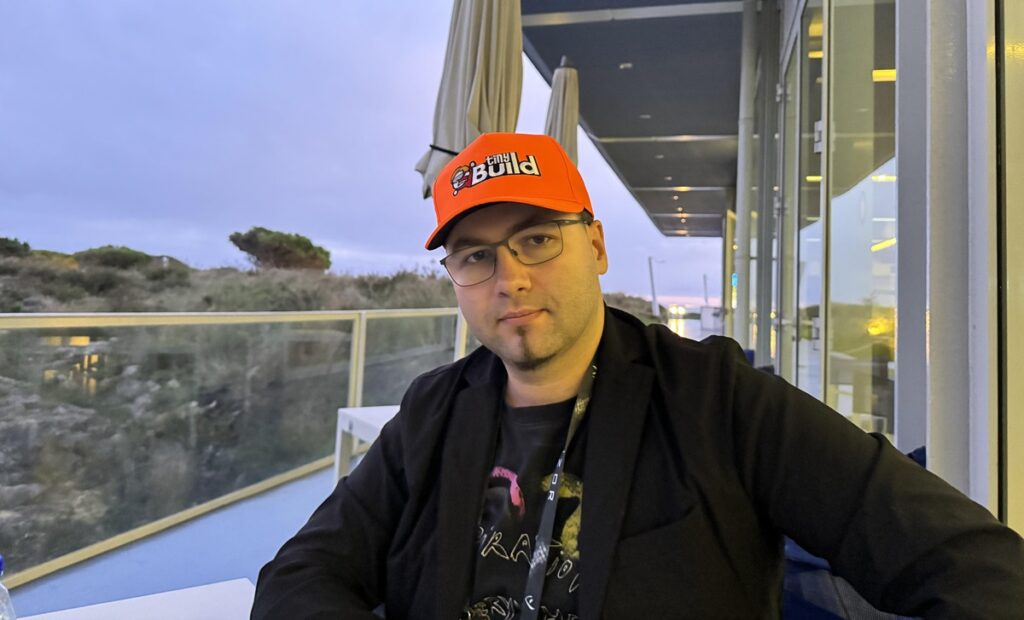
Eight years later, after the launch of Hello Neighbor, the franchise is still going strong. For the month of March, 2026, Hello Neighbor had its best month ever on Steam and it has had a record number of concurrent users. It’s interesting to think about it as a “forever game.”
Responding to that, Nichiporchik said that 30 years into Resident Evil, Capcom made Resident Evil Requiem. And it’s become a huge hit. On the other hand, there are games like Fortnite, that are beginning to show weakness and are prompting owner Epic Games to lay off more than 1,000 people.
“It is very sad that so many people as their jobs,” he said. “It’s about making very smart investments into diversifying. You’ll have your evergreen IPs, but you also have to continue to invest into potentially new evergreen IPs.”
Nichiporchik has noticed how the triple-A game companies have moved into positions of making only repeats of established games. These sequels command huge budgets, but they’re lower risk than new titles.
“In practical terms, I think we’re in the unique position because, like our budgets range from like $50,000 to $10 million on some projects, and it’s a very like diversified portfolio in that regard,” Nichiporchik said. “We don’t need some games to make hundreds of millions of dollars. Uf you look at those budgets, we’ll be happy with 2X, 3X or 5X [returns].”
Kingmakers
Kingmakers made a splash with a trailer review two years ago. The title is deep in game development, but Nichiporchik said he couldn’t comment on its current state or a possible film deal for that game. The game trailer, where you use modern weapons to fight medieval armies, was a huge hit when it was revealed.
“As for Kingmakers, we are putting a lot more resources into it, and my goal is to make it as replayable as possible,” he said. “That’s a goal. It has a lot of different mechanics, a lot of things that you do not expect in a video game, and it’s our job to deliver on those expectations.”
And Hello Neighbor 3 is in in development now. Another game is launching dubbed All Will Fall, a strategy game in a Waterworld-style world. There’s also an MMO-style shooter game in the works. All told, there are something like six games in the top 200 Wishlist on Steam coming from TinyBuild. The goal is to launch 12 games in a year, and at least a half dozen.