
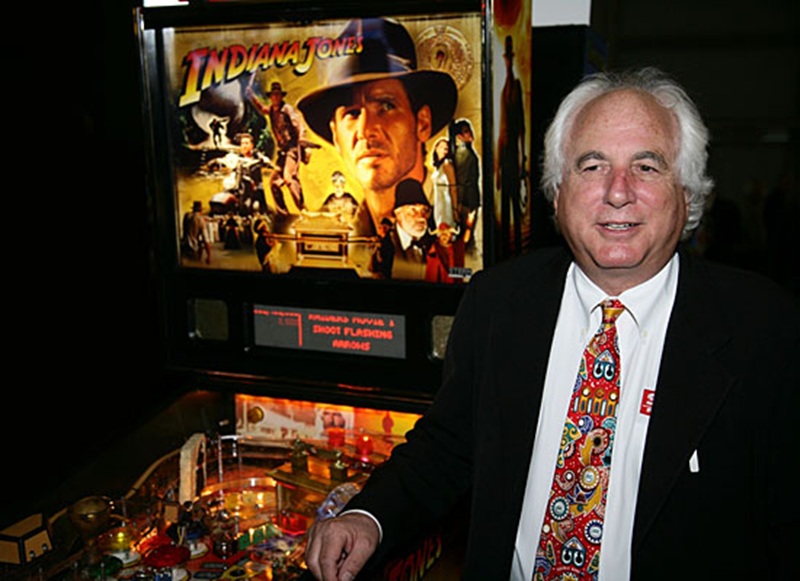
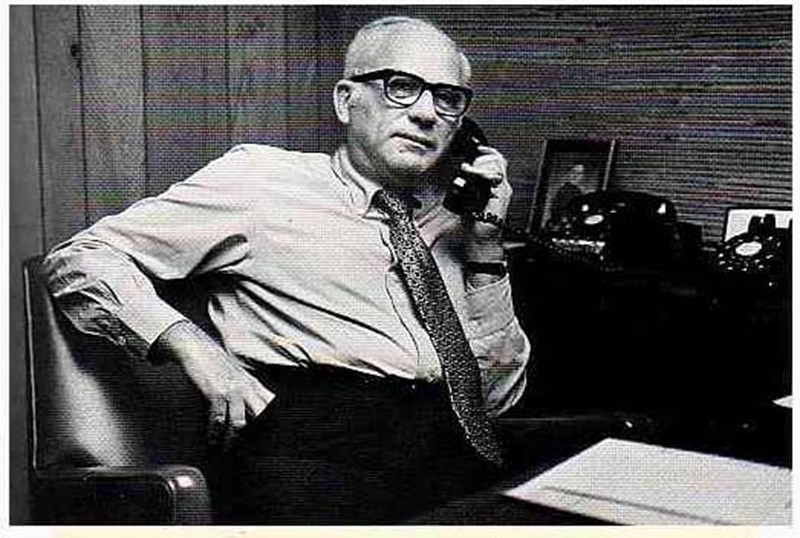
Gary Stern, the founder and chairman of Stern Pinball, has been a fixture of the pinball industry for decades. His father, Sam Stern, started a pinball-related distribution company in the 1930s, and in 1947, Sam Stern became an owner of Williams Electronics, the pinball pioneer.
Gary Stern grew up in Chicago with pinball, working every day with his father and learning the business, particularly with the entry of coin-op games in the 1970s and 1980s. After Sam Stern passed away in 1986, Gary Stern started his own company.
He helped found Data East Pinball, which was then purchased by Sega and re-named Sega Pinball. Gary Stern subsequently bought the business from Sega and renamed it Stern Pinball, Inc. But as far as Gary Stern was concerned, it was the same company with the same people.
Meanwhile, the other Chicago-based pinball companies — Williams, Bally, Midway and Gottlieb — churned out of the business.
In the fall of 2009, in the midst of the Great Recession, Stern Pinball partnered with an affiliate of Hagerty Peterson & Co., a private equity investment firm, to help the company prepare for its next phase of growth. A team led by Dave Peterson, managing director of HP, helped the company strengthen its operations and financial condition, expand its product offering and enter new markets.
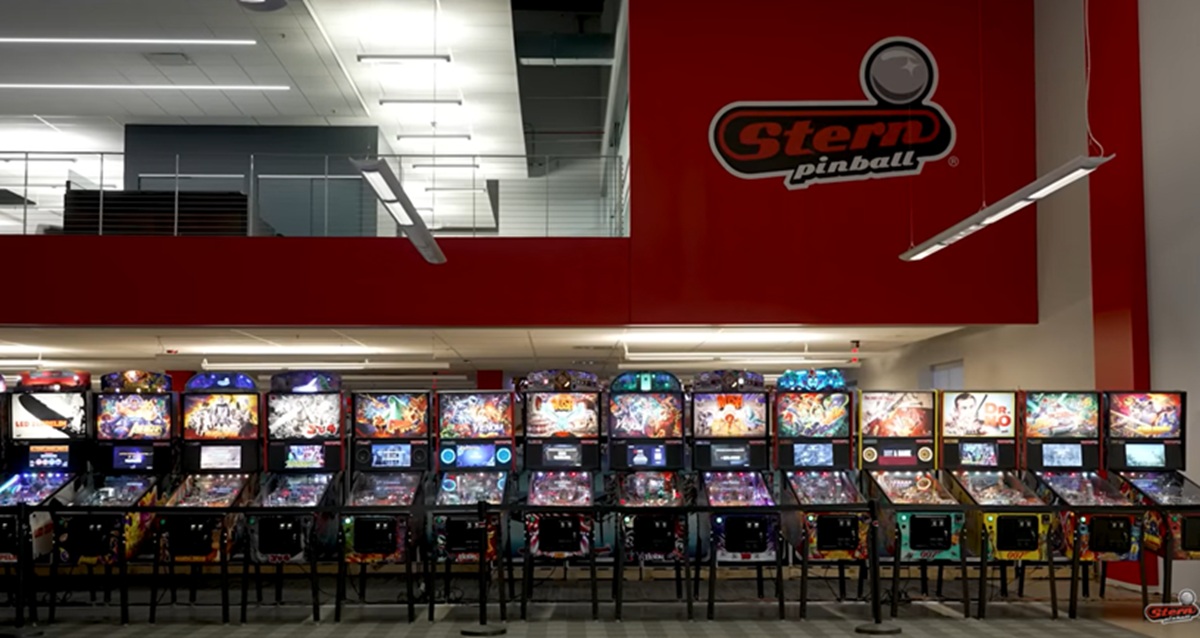
While pinball started to lose its hold on arcades with the arrival of video games, it retained a dedicated audience. Stern Pinball focused on selling machines for those who were interested in the nostalgia and simple fun. It focused on the home market and corporate lobbies and lunchrooms, and it continues today with more than 500 people. Gary Stern passed on the CEO role to Seth Davis in 2023, but Stern remains chairman.
To celebrate the company’s 40th anniversary, I interviewed Stern, 81, about his experiences and advice for riding through the slings and arrows of outrageous fortune.
Here’s an edited transcript of our interview.
GamesBeat: I don’t remember when we first talked. It was years ago at CES. It’s good to see you guys hit this milestone. What do you think about on an occasion like this?
Gary Stern: I think about pinball. We’re here. We made it. When we started out in 1986, it was myself. Shelley working in the garden level, which was the basement of my townhouse, where Denise and I lived. She put up with us through all this. Joe joined us. In 1986 I needed a job. We were sort of the misfits, Joe and myself. We needed a job, and there weren’t a lot of jobs for former pinball people.
Everyone said, “Well, we’ve got Gottlieb. We’ve got Bally. We’ve got Williams. Do we need another pinball company?” I think I proved we needed another pinball company, because Bally, Gottlieb, and Williams are all gone. If we hadn’t continued, I don’t think there would be pinball. There are other small manufacturers because we were able to continue. They’ve joined the business. We’re building the community. We’re adding new players. It wouldn’t exist if we hadn’t fought to stay in it.
We make six or seven different models a year. Some others make one model every year and a half, something like that. Pinball wouldn’t exist with just one or two models here and there. We appreciate the Spookys of the world, the other manufacturers. They add something to the community. But over the years, over many changes, we’ve been doing a lot of things to increase that community. We were originally just a commercial game company making games for bars and restaurants and bowling alleys. We still make those. But we’ve done a lot of things to promote the business with our street team, with Insider Connected. We have more than half a million players registered. Our launch parties, all the social media. We’ve kept pinball in the forefront.
One of our retail dealers said, if there weren’t any pinball on the street, pinball would be gone in 10 years. We’re still current. We’re topical. People see us out there and they’re interested. Now, the game has changed. The players have changed. There are more gamers.
GamesBeat: It seems like the great thing about lasting this long–you made it to the point where this became a kind of retro fancy for people. Pinball reached a nostalgic stage. People still wanted it. They started buying it for their homes.
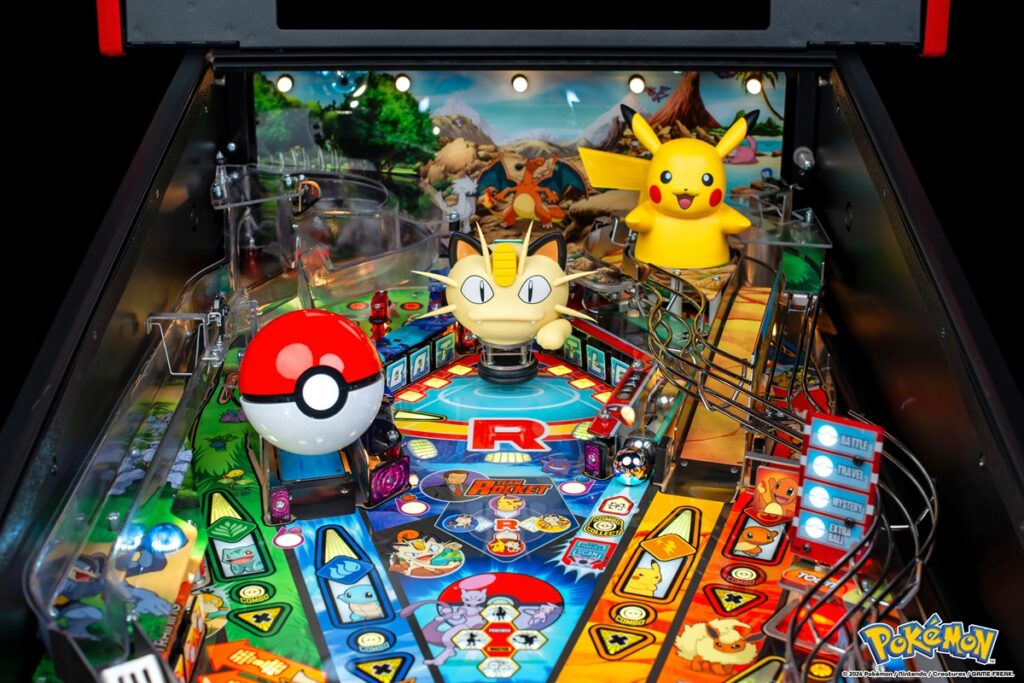
Stern: But it’s more than that. I used to talk about how we were retro, but not nostalgic. Comparing a Super Beetle convertible from the ‘70s to a New Beetle, which is retro, but modern. When I say, “but modern,” we manufacture games, but we’re really game designers. The games have changed. They’re not the same game where you light the A-B-C-D lanes at the top, light the red special light, hit it, and get a free play. There’s something for players like me, who are old and slow. Pokemon has targets that you hit, Meowth comes down, you hit him and it goes up and down the middle. That’s how I get my multiball, so I know it.
But gamers, people who get these games for their homes today – 35, 45, 55 years old – they grew up as gamers. The games today are much more complex. They have many more rules. Simple things for me, where I’m gonna go get Meowth and my multiball. But there are modes and new themes. A lot of deep rules that let you play through for longer. You might never get through it all. And we continue to add to them. We have licensed titles, licensed music and speech and all that. It gives you a lot to design around. It’s a much more sophisticated and complex game, just like all games are, all electronic games.
GamesBeat: When did you start figuring out that people would buy these for themselves, rather than just going to bars or arcades?
Stern: My partner, Dave Peterson, he came along in the Lehman Brothers recession of 2008, 2009. I told him when he came in, “I’m the coin-op guy. We have a home aspect. We’re growing in the home.” In around 2013, he and I had dinner and decided we were really going to concentrate on growing the marketplace, growing in the community, and growing in the home with new first-time buyers.
Today, we still export about 35% of our games, and 70% of those are in the home. With Insider Connected, we know that about 70% of the play is on the street. Something like Insider Connected works both ways. It tells us a lot. We know when they’re playing. We can see what the games are making. We sell through game distributors. We have game dealers that concentrate on pinball or a few other things. But now we have retailers like Nebraska Furniture Mart, which gets even more involved in wanting these machines and playing them.
COVID certainly didn’t hurt our home business. It hurt the commercial business. The commercial business came back after COVID very strong, though. Another reliable business in break rooms at companies. We have games that we operate at the Google offices. There’s an operator in the San Francisco area who only has games rented to break rooms at tech companies.
GamesBeat: How do you view some of the biggest transitions for pinball? With the original version of Stern, Stern Electronics, when did the electronic version of pinball come around?
Stern: My father, in the 1930s, started as a game operator. He put games in locations. They were very simple. In fact his first games were just a countertop unit with a push chute. No electricity. He was not going to stay with it, up until the first night he got a call that his games were broken. He went running down there and found out the push chute was jammed because there were so many coins in it. That made him stick with being a game operator. During the ‘30s was when they added batteries to pinball machines, before plug-ins. It would power a couple of lights. They were pretty simple.
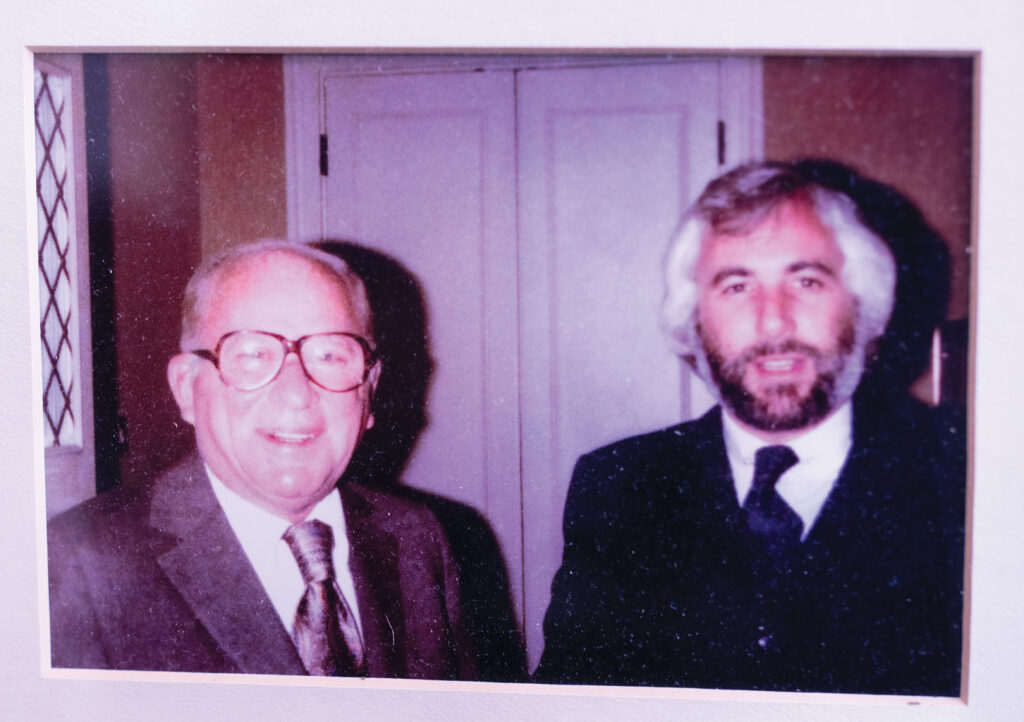
He then became a game distributor. In 1947 he was a distributor in Philadelphia. As a–I can say this because I’m 81 now. As a punk 35-year-old kid he came to Chicago to see Harry Williams at the Williams pinball company. Maybe he was 38 or 39 years old. He sat behind Harry’s desk, put his feet up, kidding around, and said, “Why don’t you sell me the company?” Harry went up in his airplane. He had a Beechcraft Bonanza with the little V tail on it. He flew around Chicago for a few hours, came back down, and sold my father half of Williams. That’s how I say I’ve been in pinball for 79 years, because I was two years old at the time.
GamesBeat: I was reading a history of pinball. Wasn’t 1947 around the year flippers came out?
Stern: It was Humpty Dumpty. I think it was ‘47. Instead of two flippers down at the bottom, they had four on either side facing the wrong way. Harry Mabs was the designer, I think? I’m not sure. I think it was 1947, yeah.
GamesBeat: At what point did you start learning the business?
Stern: As I say, I’ve been in it since I was two. As a kid, a youngster, a child, at family events there would be business people there. I was next to it. I’d go to the office. My father would take me and I’d play there. I remember at Williams, one of the guys reminded me that I took the different switch blades–we used to have stacked switches. You may not know. Little round switches. I mixed up all the switch blades. I used to have, in a drawer in my desk, little posts and bumper caps and all that.
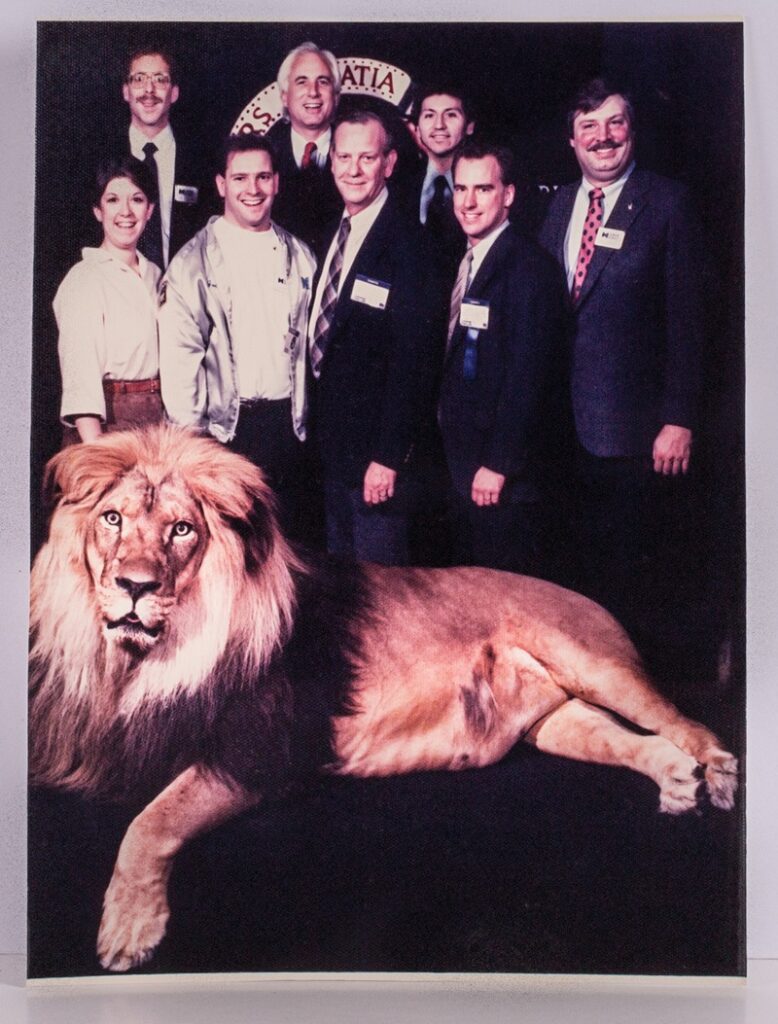
But as far as officially getting paid for working, when I was 16 I started in the stockroom during the summer. Then every summer I worked at the company in accounting, in personnel, in whatever it might be. I had some diversions in college. I was an accounting major in college, and I worked at Seeburg’s accounting department, the Seeburg that bought Williams. After school, in 1971, I practiced law for a couple of years, but I decided that wasn’t for me. I wanted to go back to the pinball business. I started working at Williams full time in 1973.
At the same time, I owned Wise Fools Pub, which was a hippie jazz and blues club. I started as a location owner. You have operators, distributors, and manufacturers on the commercial side, but the location is where the operators put the game. In a sense I was both a manufacturer and a location owner.
GamesBeat: What did you love about the business so much that made you dedicate your life to it?
Stern: You see that shoemaker’s kids become shoemakers. Eventually you have people named Shoemaker. Doctors’ kids become doctors. Presidents’ kids become presidents, the Adamses and the Bushes. Actors’ kids become actors and directors. My father was a pinball manufacturer. I became a pinball manufacturer. I don’t know if it’s idolizing your father, or having grown up around it and you know what it’s about.
But also, I’ll tell you something that’s very interesting to me. I was very lucky to work with my father. It doesn’t always work when you work with your family. I was able to work with my father. I think it was Midas Muffler, the son took over the business, he went a little off and his father came back and threw him out. But my father and I–I won’t say we never disagreed. I was working for him one summer. We had some disagreement. I was staying at the house, and my mother woke me up at seven in the morning and said, “It’s time to go to work.” I said, “No, Sam fired me.” She said, “Well, I just rehired you. Get your ass out of bed and go to work.”
It’s interesting to work with your father, because you know strengths nobody else knows, weaknesses nobody else knows. You know him in a way that’s not like a child normally knows their parent. I’ve found, now that I’m 81–I see my kids, but they don’t work with me. My father was very lucky. He had part of his nuclear family, his child, with him every day. It’s like farmers years ago, where the business could get as big as the family could get. He was very lucky to have his child with him every day. I was lucky as a child, but he was even luckier. I don’t have my kids with me. I see them, talk to them, but not every day.
At our office, the game in the entranceway has a foam core of me and a foam core of my nine-year-old granddaughter. She wants to be a pinball designer when she grows up, as of today. I sent her business cards, Stern Pinball business cards. They say “Designer in Training.”
Anyhow, a big part of why I’m in pinball is my father was in it. He gave me footsteps to follow in. Also, practicing law–it’s an interesting profession, and I was okay at it, but I was with a corporate bankruptcy law firm. Representing a big business or a bank, that’s fine. Smaller businesses, you worry about the businessman. You start to feel it. Then you do some pro bono work, help some indigent person. I finally realized, if I’m going to be upset and worried all the time, I’m going to be upset and worried about my own stuff. I can’t deal with everybody else’s problems.
GamesBeat: What were some of the challenges of staying in the business for so long? It’s a rough time in the video game industry right now. We’ve had years of layoffs happening and companies closing. Looking at your history, you had to deal with a lot of changes – changes in ownership, buying back your company, things like that. What would you impart from that to people in the business today, in the much larger game industry?
Stern: I can’t say that everything relates. We started because we needed jobs. We were outcasts. We went through a lot of ups and downs. I mentioned the recession, when Dave joined us. We had video games taking over, and then commercial video games not being as strong. Today we have a lot of gambling, but we’ve switched to both the commercial and home business.
It’s tenacity. It’s not giving up. Sometimes that’s good. Sometimes you should know when to give something up. During the 2008 recession we stripped down to nothing and rebuilt it. We’ve rebuilt this business a number of times. But sticking with it is what we did. Stick with it and find good people. Be good people.
GamesBeat: Have you had a favorite game over the years, something you played the most?
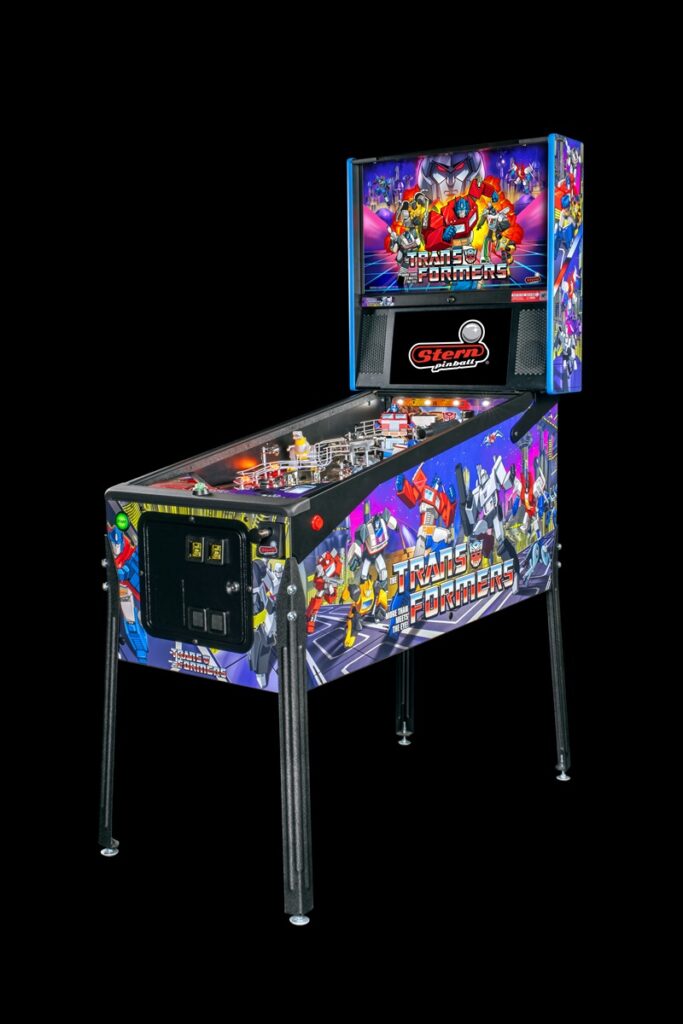
Stern: I look out this window behind me at the factory and I see that we’re making Transformers. That’s my favorite game. The game we’re making today is always my favorite game. Maybe that’s the salesman in me. But if I didn’t–I’ve said this before. If I didn’t like the game I wouldn’t make it. I love all my children. My favorite game is the game that’s on the line, that we’re building right now.
I will tell you, the Pokemon title, that’s one in a lifetime. It earns a lot of money for game operators. It’s a great game for the home. It introduces a lot of people to the community, to get interested in games. I also call it the grandfather game. Grandfathers have one in their house for the grandchildren.
GamesBeat: Do you think the business moves in waves or cycles?
Stern: I can go back through various cycles and technological changes, or really style changes, over the years. I’m not sure that it quite relates anymore. When we went in the ‘70s from electromechanical to solid state logic, you could say that was technological. We would make the same game with both electromechanical parts and solid state parts.
I make the comparison to the Raymond Loewy Studebaker in 1953. I’m dating myself. But Studebaker said, the four-door sedan is what will sell, so we’ll make the sedan three-quarters of the run and one-quarter will be the sporty two-door. They were the same car under the skin. The sales ended up being the opposite. It’s style more than technology. It was the same with our demo machines, when we went to solid state. We all thought we’d still make more electromechanical machines. The operators didn’t know solid state yet. But the players–the games were the same, but there was something about the solid state games that players wanted to play.
We went to ramps in games. It’s like every seven years there was something. We went to dot matrix displays. Things like that. But it’s not the change in technology. It’s the use of technology. A guy who bought a game for the home prior to when Dave joined us, prior to that 2008 time, he bought it because it was a cool piece of furniture. He played it, but his kids, really, were the gamers. Today, the 35, 45, 55 year old who buys a game? He’s a gamer. And so the games have become more sophisticated.
Although we’re a manufacturer, we’re really a high-tech game company. These are high-tech games. You can look at the playfield as a ball and bat game, but it’s really a joystick and buttons affecting things on the display. It’s different in that the ball is wild, as Harry Williams said, or it’s a randomizer, as George Gomez here says. But it’s displaying up there what you’re doing with the computer and your buttons.
GamesBeat: How did you feel about bringing in Seth Davis in as president? It’s been about five years now.
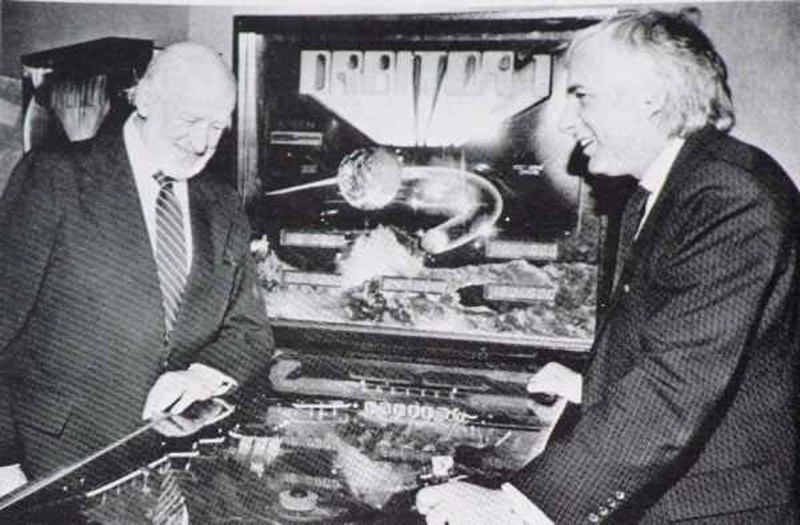
Stern: Now he’s president and CEO. I’m absolutely thrilled. I had said to my partner a number of years ago, when I was 72, “One day you need to finance this business without a 72-year-old CEO.” You got to a bank with a 72-year-old CEO, they’re gonna say, “What?”
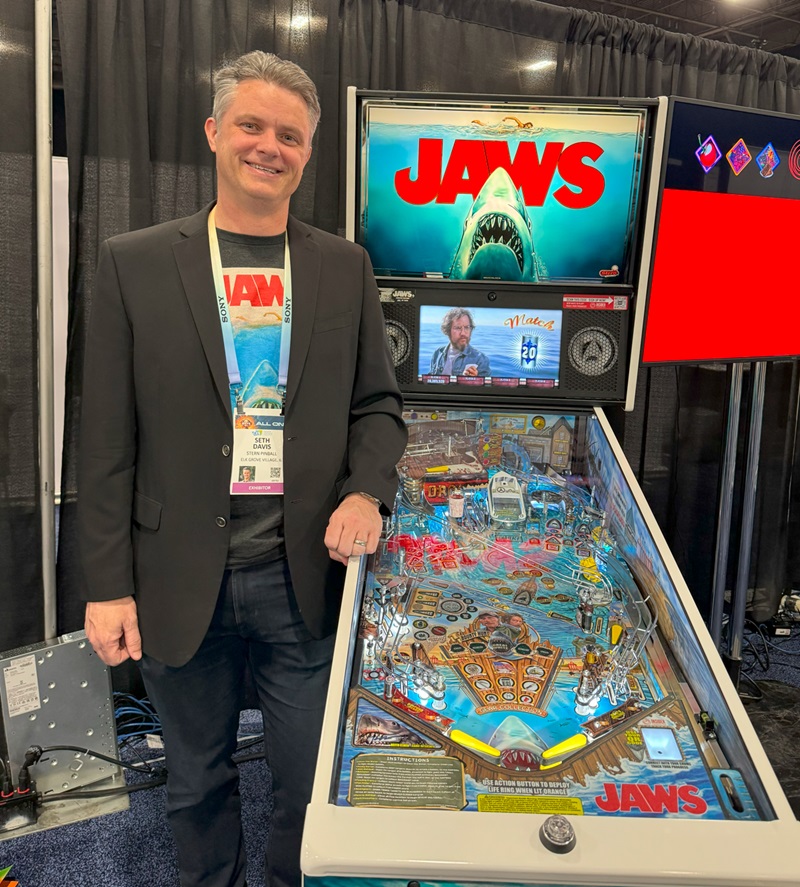
Now, Seth, we had a headhunter. It was during COVID, so we met on video. But his background–he had undergraduate degrees in accounting, like I do, and in information technology. Information technology didn’t exist when I was an undergraduate. That was 1967. He’d worked in finance and manufacturing at GE, when GE was really the place you’d go to learn, a great place to learn. He went back to Wharton and got his MBA. He had a decade plus at Disney in streaming and games. He’s a gamer. He knows pop culture. He was born in 1981, so he’s a little past me. He’s up on the technology. I knew we had to have Insider Connected, but that didn’t mean I knew what all that meant. I just knew it was important. Somebody like Seth, he’s a young man in his late 40s – young compared to me – and that’s what you need for a transition and succession to continue this business.
My ego is not built on being here and doing everything. My ego, if you will, or my goal is built on the company continuing to design and make great games. We employ, between employees and consultants and what have you, 500 people. Part of the responsibility in business, to maintain it for everyone you have to support people so that they can support you and design your product and build your product. Once again, although we make pinball machines, we’re first and foremost high-tech game designers.
GamesBeat: It’s part of the larger game business, but it’s sort of a predecessor as well, and yet also an industry unto itself. It’s different from what video games have become, but it’s also part of that.
Stern: It’s unique. The rules, the gameplay have become more complex, yet there’s a simple way to play. Unlike video games, it’s physical. It’s mechanical action. People see the mechanical action. They see the dinosaur in Jurassic Park eat the ball and spit it back out, or they see Kenny fall over dead, or they see drop targets fall versus the lights lighting up. They see it and they’re thrilled. Pinball is Pavlovian.
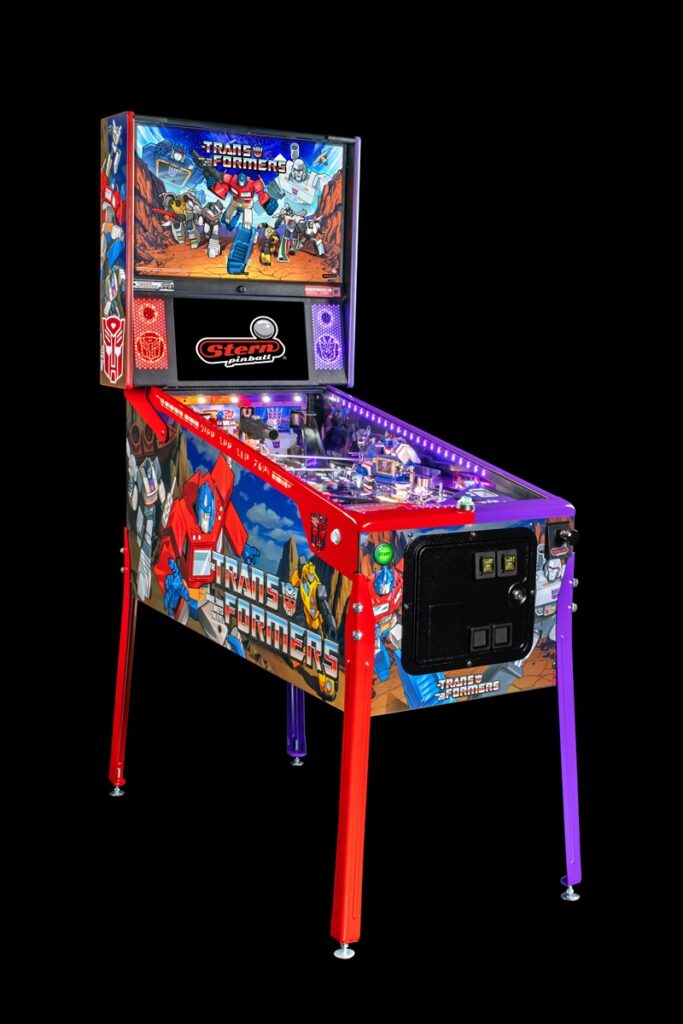
GamesBeat: How do you choose some of the licenses and themes, like Jaws or Godzilla or the Mandalorian? Godzilla might have the widest possible audience there, but the Mandalorian is something more modern.
Stern: Many of the titles–this is not about pinball per se. But many of the titles are what your 45-year-old knew as a kid. They matured from there. The toy business right now is as much or more about 45-year-olds buying for themselves as opposed to buying for children. A lot of the play business is grownups buying these toys and collecting them. When we pick titles–I’m not at the licensing show much anymore. Seth goes. But we have meetings with myself, with my partners, with the head of the sales department, with George Gomez, the head of design, when we talk about titles and try to come to conclusions.
Then we have to look at whether the design team will be available and whether they’ll want to do it. You can’t tell a design team to design something they’re not interested in. You have to get their creative juices flowing. They have to be interested. They’re part of the decision-making process for sure. We can say, “We want to do such and such,” but if nobody wants to do it? We’ll talk to the designers, but sometimes you finally have to say that nobody’s going to make a great game out of this. Some of the titles you might like just don’t lend themselves to a game.
GamesBeat: Do you think of pinball as something that currently has a fragile existence, or do you think pinball is going to live forever?
Stern: Forever. It’s a ball and bat game. It has real mechanical action, real physical action, real challenge, randomness and risk. The games continue to develop. Also, we in particular, between the Stern Army, our enthusiasts throughout the world–we’re building the community. We have events. We have launch parties. We have our social media. The growth in the distribution aspects–again, we distribute through commercial distributors, through game dealers selling to homeowners, and now through retailers. These are real retailers who get more people to see the games. We have home versions at Costco. Millions of people walk through those stores and see the games.
We enlarge the community, and so we enlarge the base of people who want to buy the games. You might say, you buy one, so you don’t need to buy another one. But there’s active trading of games among the owners. We see, through Insider Connected–almost everyone is attaching their game. That’s what you do today. Any product needs connectivity. I start with my car with my phone. We see that when people buy a game, within six months they own one and a half games. In other words, some percentage of those people have bought one or more additional games.
GamesBeat: If you have an opportunity for a forever business, I think about the line from Spider-Man. With great power comes great responsibility. How do you manage a business to serve that forever opportunity?
Stern: You’re right about that. There is a great responsibility. There’s a responsibility to the business itself, which means to the people who work there. There’s great responsibility to the people who buy the product and become part of the community. There’s a responsibility to make a quality product, which we do, and a responsibility to keep making products. Small manufacturers can make one new model every year, year and a half. We’re making three new models, three cornerstones, with three versions, so that’s nine SKUs. Plus a remaster, taking a game we made and updating it with Insider Connected and the LCD screen. Plus special versions, anniversary games. Plus Costco games, and maybe something else. We have 12 SKUs a year that we’re making, maybe half a dozen titles. So part of the responsibility is just to continue making good products, and a variety of products. If there isn’t that continuation, it’ll die away.
GamesBeat: Have you ever added up just how many machines you’ve made and sold?
Stern: I think so, but I don’t know the answer. It’s somewhere. This company, we’re 40 years old. I’ve been here the whole 40 years. I have half a dozen people – a couple out in the factory, assemblers, our former CFO Michael who’s a director and shareholder now, a couple other people – that have been here for 37, 38, 39 years. Their children work here, because they think it’s a good place, a good career for their children. Some people newer than that, who have only been here 10 or 20 years, their children work here. Everybody’s included. Everybody’s part of it.
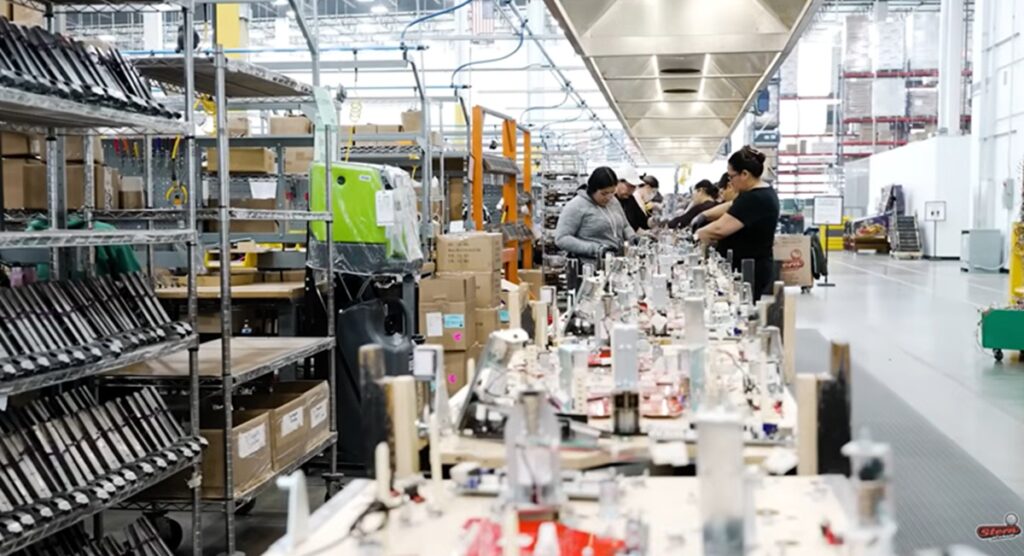
A big part of it, of course, for the factory we’ve provided relatively consistent work. I’m not going to say we’ve been going 100% for 40 years. There have been some ups and downs. We’ve struggled through some ups and downs. But we have a core that we’ve had here and protected here. The engineers, designers, salespeople, accountants, there’s security. We have a responsibility to provide consistency. We also provide, if you look out the window here–this is the kind of factory where someone from Ford or Hewlett Packard would come in and say, “This is a real factory.” High ceilings, fully air conditioned, a nice place to work. My father used to say, if you give people a crappy place to work they’ll do crappy work.
GamesBeat: Do you think AI is going to change your business in any way?
Stern: Yes, but I’m not smart enough to do it. There are some software solutions. It’s not going to replace anyone. But there are some things to be done there. Probably something in the business systems. But they don’t let me touch the MRP. I’ve never been allowed in it. I own the company, but I’ve never been allowed to touch that. I think a lot of it will be in software and a lot of it in the business systems.
GamesBeat: What else are you going to do to celebrate 40 years?
Stern: At Pinball Expo here we’re having an event. We participate in commercial shows, in enthusiast shows. Pinball Expo is in the Chicagoland area, so that’s always been a show for pinball people to get together – the former designers, the current designers. Hasbro has invited us to be part of their Comic-Con party. We’re planning different activities.
GamesBeat: How do you feel about the ecosystem in Chicago around pinball and games, and its legacy as well?

Stern: Chicago is the home of pinball, like Detroit was once the home of cars. We’re a Chicago manufacturer. Atari tried to make pinball in California all those years ago, and they ended up shipping most of the stuff out there from Chicago. They ended up losing $100 on every game.
We were owned by Data East. The company started as Data East Pinball, and then they sold it from Data East to Sega, and then from Sega to my group. But it’s always been the same corporation, just with different owners. We wanted people to know that even if a Japanese video game company owned us, we were a Chicago manufacturer. Our first game, game and a half–it was Laser War and Torpedo Alley. On the front of the game we had a little map of America with a DE flag coming out of Lake Michigan, to show that we were a U.S. manufacturer. “Manufactured in Chicago, Illinois, pinball capital of the world.” Of course, the same way the Japanese would translate a manual and it would end up a little goofy, we misspelled “capital” on all those games. We ultimately fixed that.
Chicago is where pinball came from, at least in my lifetime. It comes from France, if you go back to bagatelle. But we’re very committed to Chicago. We’ve seen people try to make pinball elsewhere. This is where the people who know how to do it live, the people with the tooling for all the little plastic posts and what have you. This is the home of pinball.