
Steam wishlists have become one of the most closely watched metrics in game marketing. Publishers announce wishlist milestones alongside trailers, developers build campaigns around wishlist calls-to-action, and launch forecasts are often tied to wishlist performance.
But as wishlists have become a core measure of pre-launch interest, marketers are confronting a new challenge: how do you turn intent into action?
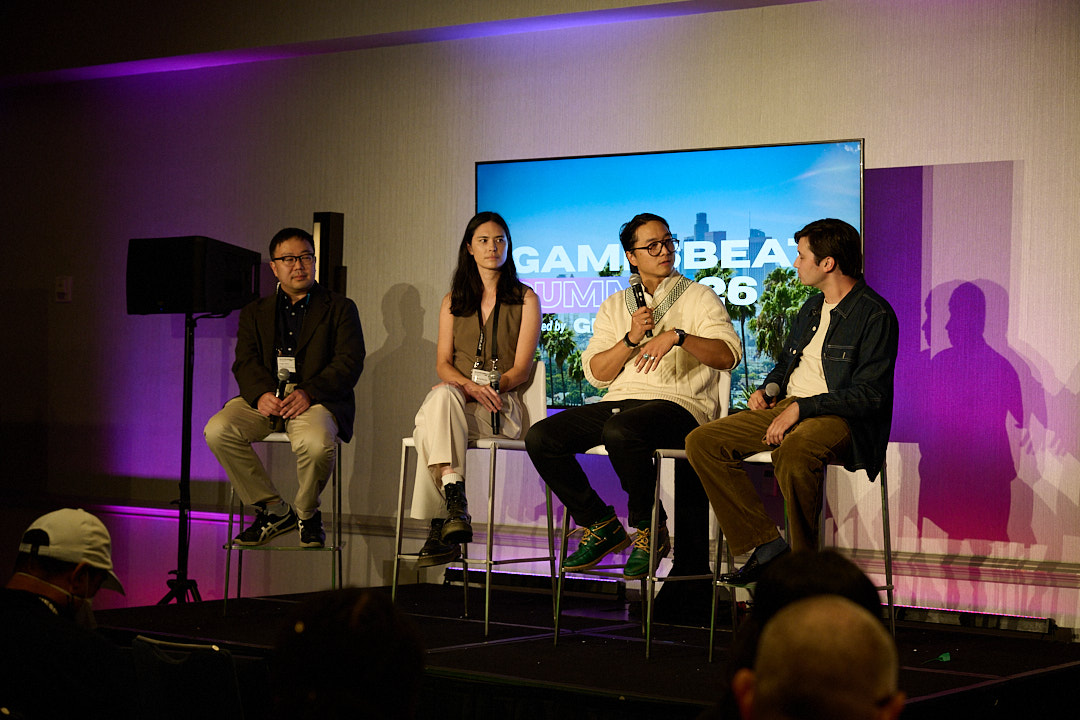
During a sponsored session at GamesBeat Summit 2026, Hugh Kim, director of U.S. brand partnerships at WEBTOON, Nikki DePaola, vice president of global media at Liquid Advertising, and Bonnka Lim, vice president of marketing for digital games at Hasbro, discussed how game marketers are approaching that question through Steam wishlisting campaigns, rewarded engagement, creator partnerships, and community-driven discovery. The discussion was moderated by Alexander Lee, lead news writer at GamesBeat.
Wishlists signal intent, but not conversion
For publishers, wishlists have become one of the strongest indicators of potential launch performance.
“Wishlist[s] are one of the best indicators of pre-purchase intent for us,” Lim said. As physical retail has given way to digital storefronts, wishlists have effectively replaced pre-orders as a way to measure consumer interest before launch. Publishers now routinely encourage players to wishlist games through trailers, showcases, and social campaigns. Lim also argued that wishlists should not be viewed in isolation.
“What I’m advocating internally is that this is not the only metric that we should look at to determine the performance of the campaign,” he said. Research conducted by Hasbro found that 52% of users wishlist games to track discounts, while 48% use wishlists to receive notifications when games become available. The findings suggest that many players use wishlists as a bookmark rather than a direct commitment to purchase.
“The key challenge for us is how do you move from intent to action?” Lim said. The challenge becomes even more pronounced closer to launch. According to Lim, Hasbro’s research found that 86% of wishlists occur during the month before release, highlighting the industry’s need to sustain interest throughout a campaign rather than relying solely on launch-day momentum.
Discovery is becoming more community-driven
The panelists agreed that the mechanics of game discovery have shifted dramatically over the last decade.
“I’ve been in this industry for about 25 years,” Lim said. “What is true is that the industry used to be very event-based on the marketing side, and now it’s different because it’s all about algorithms. It’s all about community.”
Major moments such as Gamescom and The Game Awards still play an important role, but publishers do not control the conversation around their games. User-generated content, community discussion, creator advocacy, and social engagement now influence discovery alongside traditional marketing efforts.
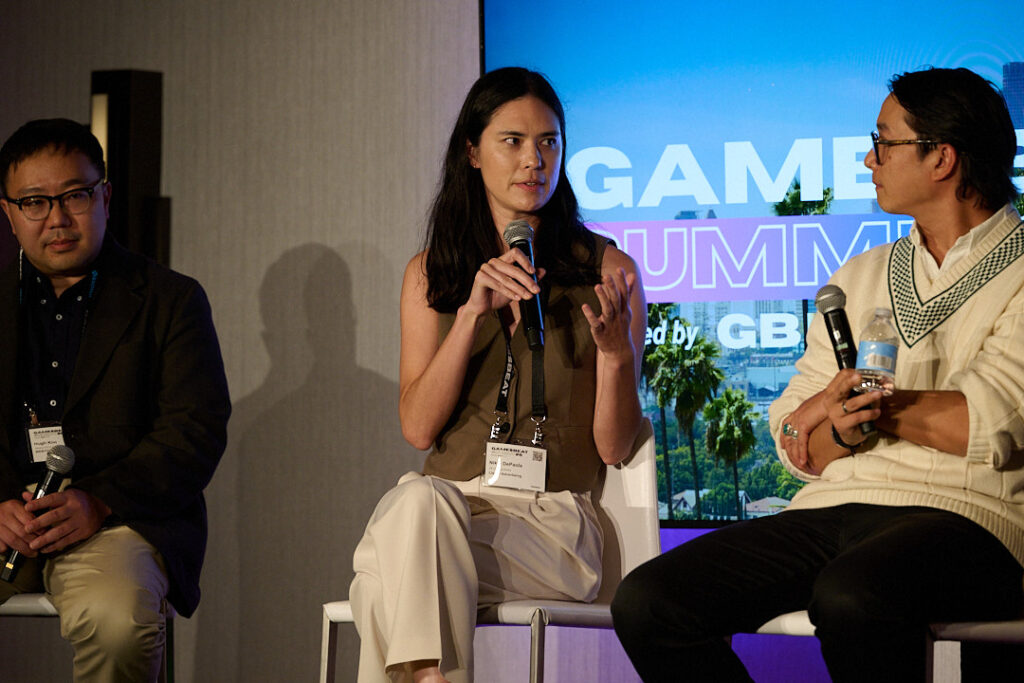
“The power of UGC and community has dramatically increased the touchpoints that a consumer might have with a game,” DePaola said. DePaola noted that game marketing has evolved from a largely top-down approach driven by PR and paid advertising into a broader ecosystem shaped by audiences themselves. That evolution has pushed marketers to search for new ways to engage players and encourage meaningful actions beyond awareness.
Rewarded engagement creates a new value exchange
One approach gaining attention is rewarded engagement. WEBTOON has developed programs that reward users for taking specific actions, including adding games to their Steam wishlists. In exchange, users receive rewards that can be used to unlock premium content..
“We wanted to do something that we can play a role in to really make intent into the action,” Kim said. According to Kim, participating campaigns have generated tens of thousands of wishlists within a week while maintaining cancellation rates below 10%.
For publishers, the benefit extends beyond the immediate wishlist. Additional wishlist volume can improve visibility on Steam, creating another layer of discovery for prospective players.
Ads are competing with entertainment
The discussion also highlighted a shift in how marketers should think about advertising.
“Ads are not competing against other ads, but really competing against other entertainment,” Kim said. For WEBTOON, that means helping brands communicate through formats that feel native to the audience, including creator-driven comics and branded storytelling. Rather than interrupting consumers, successful campaigns should provide value through entertainment, cultural relevance, or meaningful engagement.
The same principle extends beyond comics. Lim argued that successful marketing campaigns rely on creators, players, and communities to build credibility around a game.
“The publisher that will win is now less about making a big noise and a big splash,” Lim said.
Instead, marketers should focus on building long-term relationships with players through consistent engagement and authentic community interaction.
“You can buy awareness, but you can’t buy trust,” Lim said. For an industry searching for better ways to convert attention into action, that trust may be the most valuable metric of all.