
As games, media, technology, and audience behavior keep changing, the old publishing playbook is no longer enough.
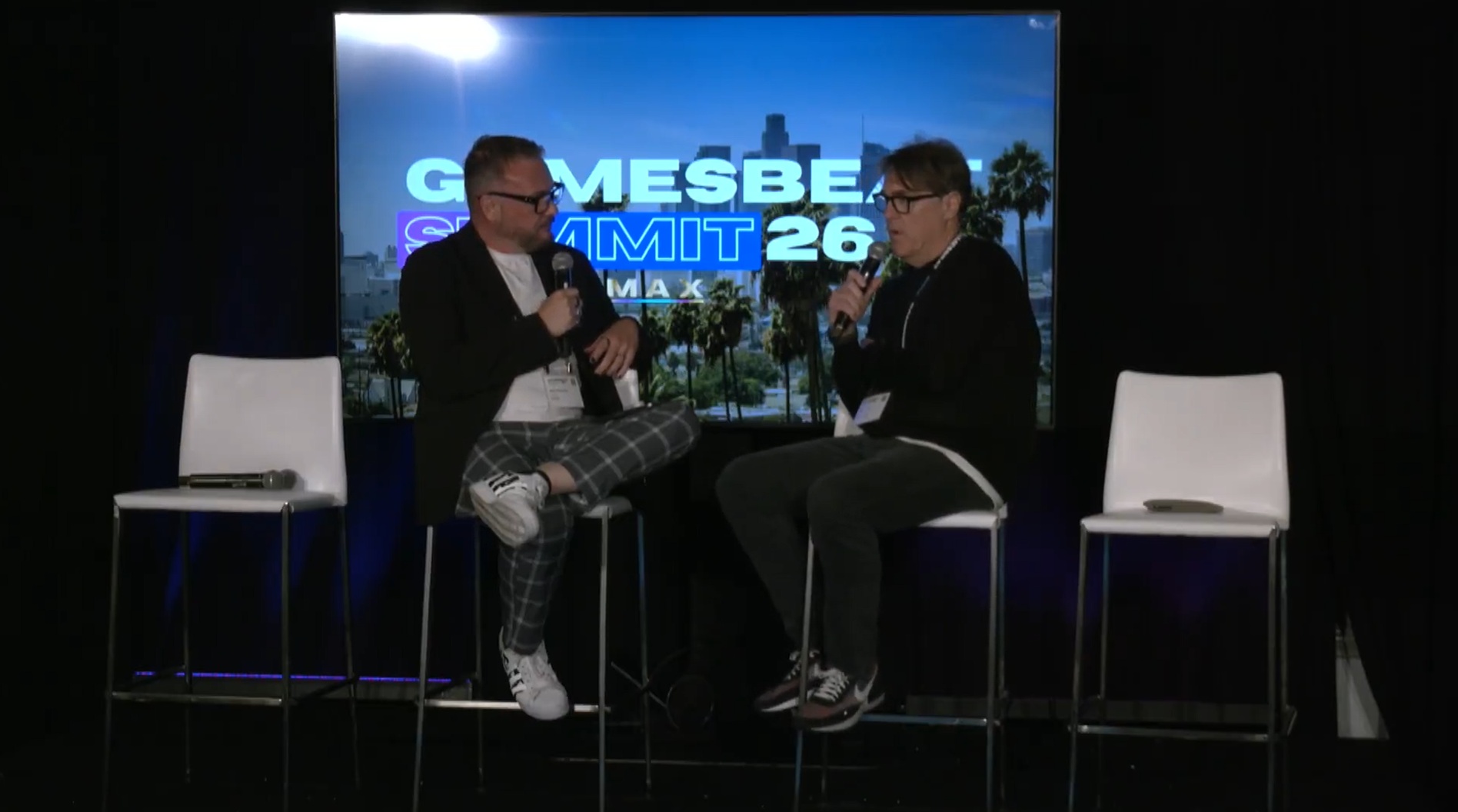
At GamesBeat Summit 2026 last month, Midwest Games chief operating officer Adam Orth joined moderator John Davison for a discussion about how his company is approaching publishing differently through flexible models, sharper specialization, closer developer partnerships, and a more modern view of what teams need to bring games to market and grow them. This conversation took a candid look at where traditional approaches fall short, what new models are emerging, and how companies can adapt to a more fluid and demanding industry.
Orth began by agreeing with the assessment that “publishing is broken,” but that there are things companies can do to succeed in this uncertain time. On top of traditional publishing deals, he flagged that Midwest Games also offers bridge publishing, helping developers with their financial goals by making up shortfalls in funding goals, and recouping costs later. The company also provides shadow publishing services, which Orth explained is when his team embeds within another publisher in support roles such as running social media campaigns, marketing plans, and launches.
“Why is a publisher hiring you to publish their games? And it’s an obvious answer, if you look at the industry, right? Everyone’s been laid off, no one’s working at these publishers anymore, and now these publishers have a much lower financial margin of operation, but they still have to publish their games, and that business has exploded for us,” Orth said during the panel discussion. “And it also takes the onus off ‘every game we publish must succeed, or we will go out of business.'”
Davison brought up the topic of wishlists on platforms like Steam, asking if publishers have been over-indexing on these and relying on them too heavily as an indicator of a game’s success. Orth said this was indeed the case, explaining that an over-reliance on wish lists as a marker of future success can often go wrong for publishers when the numbers don’t translate to sales.
“Yes, everyone’s over-indexing on wish lists,” Orth said. “If you announce a game and you get 100,000 wish lists, and you have a two-year road ahead of you, those are pointless. Those are not going to convert to sales.”
Orth added that a more reliable approach is to “deeply understand the audience for the game,” rather than put too much faith in wishlists or to assume that fans of that game’s genre will always turn out to support it. So many genres are oversaturated in 2026, and each title needs to build its own community, not just piggyback on an existing one, per the Midwest Games operator.
Finally, Orth revealed that the guiding policy at Midwest Games is to let creators create, rather than forcing release dates and adding pressure that risks tarnishing the final product.
“We allow them to dictate their release date. This developer only needs that publishing support to get their game done. We charge a flat rate per game per month, and that moves differently based on what you need from us,” Orth said during the panel discussion. “It could be 40 things, it could be one thing — and I think if you approach publishing like that, that’s actually more competitive and interesting and important for developers.”