
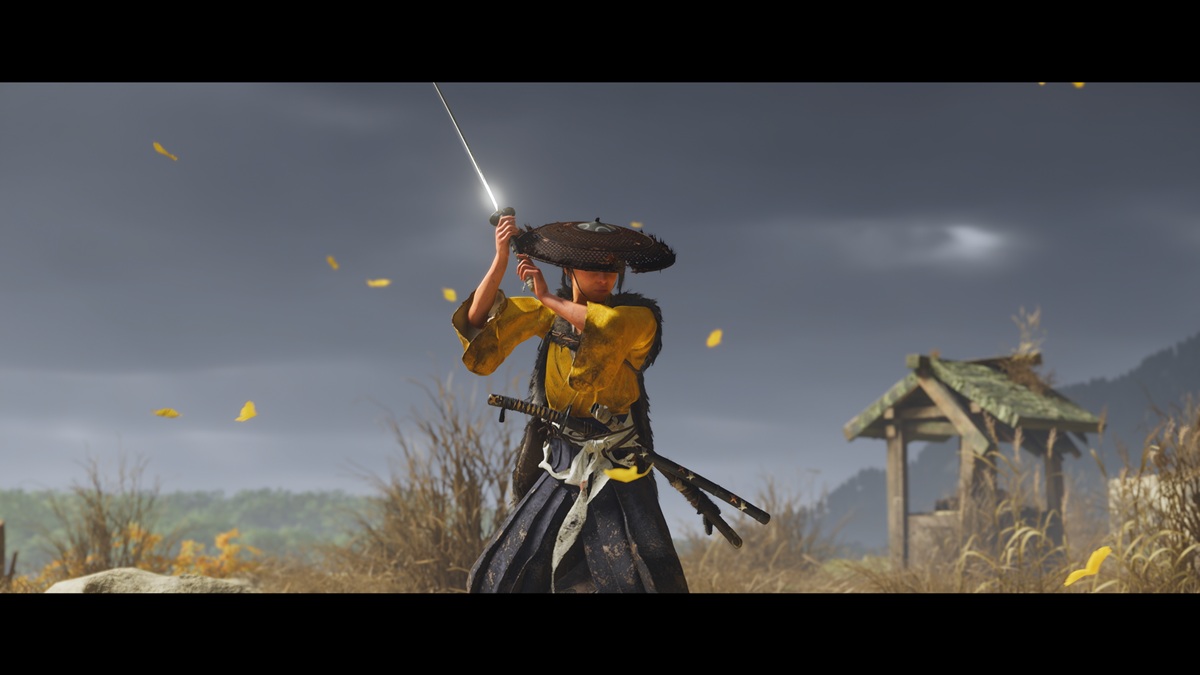
As sequels go, Ghost of Yotei had a lot of challenges to overcome. The predecessor Ghost of Tsushima was a massive game that won a lot of praise when it debuted on the PlayStation 4 in 2020. That alone is a lot for a sequel to beat. On top of that, Ghost of Tsushima had a Director’s Cut with DLC that looked gorgeous on the PlayStation 5, which is the console that Ghost of Yotei runs on.
But the amazing thing is that Ghost of Yotei is a wonderful experience, full of memorable moments, classic samurai duels and big battles, and some amazing visual effects that outdo the original. You can, for instance, turn on raytracing on the standard PS5 as well as the PS5 Pro, and it makes the game look better. (Check out Digital Foundry‘s review for some visuals on that).
As Sucker Punch Productions promised, fans of Ghost of Tsushima will feel right at home. That’s me for sure. But there is something more liberating about the fresh experience that the developers created in this game. Perhaps the best thing we can say is that it’s like being inside one of those classic wandering samurai movies.
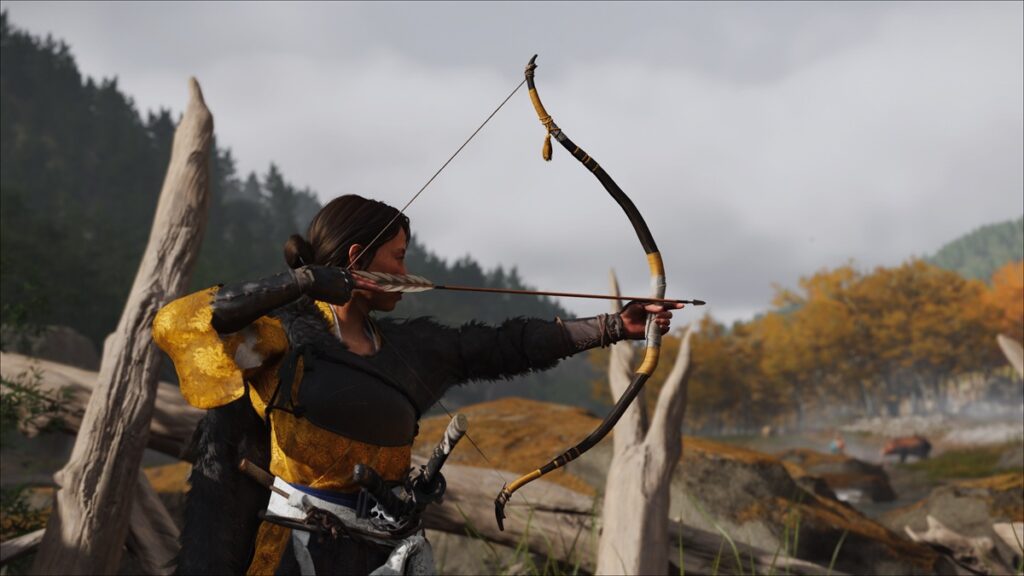
Ghost of Yōtei was inspired by the team’s love of classic wandering samurai films–with an emphasis on “wandering.” Our team built this game to celebrate the freedom and simple joys of discovery on the lawless edge of Japan.
“We hope you fully embrace this wandering samurai fantasy. Carry out Atsu’s emotional hunt for vengeance, master a new weapon with a sensei, seek out the lost myths of Ezo… and most importantly, follow the wind toward whatever excites you most,” said creative directors Nate Fox and Jason Connell, in a statement.
The game is set in the northern edge of Japan, where a new ghost rises. It takes place 300 years after the critically acclaimed Ghost of Tsushima, which was on the extreme southern end of the the island nation where the Mongols invaded. That gives Yotei a lot of room to different, as the environment and characters are totally new, even if the dueling samurai weaponry is not. Tsushima was more like a story that went on too long and then made its finale feel like it was just one more item on a checklist. Yotei, on the other hand, has gravity around its big story moments.
Ghost of Yotei begins with an accomplished samurai warrior, a woman named Atsu, fighting cannon fodder soldiers. It flashes back to the night when Lord Saito and his outlaws — the Yotei Six — murdered Atsu’s parents. They left her pinned to a giant tree with a sword. They set the tree afire and left her to die — only she unpinned herself before she was consumed in flames. Atsu later revisits this place — something she can tolerate as she unlocks memories of the happy home with her parents and brother.
This story takes place in the 1600s, after the unification of Japan under a Shogun in the wake of the Battle of Sekigahara. The story follows the haunted, lone mercenary Atsu as she seeks revenge against the Yotei Six amid the beautiful, rugged landscapes of northern Japan. Yet this is more than just a revenge fantasy.
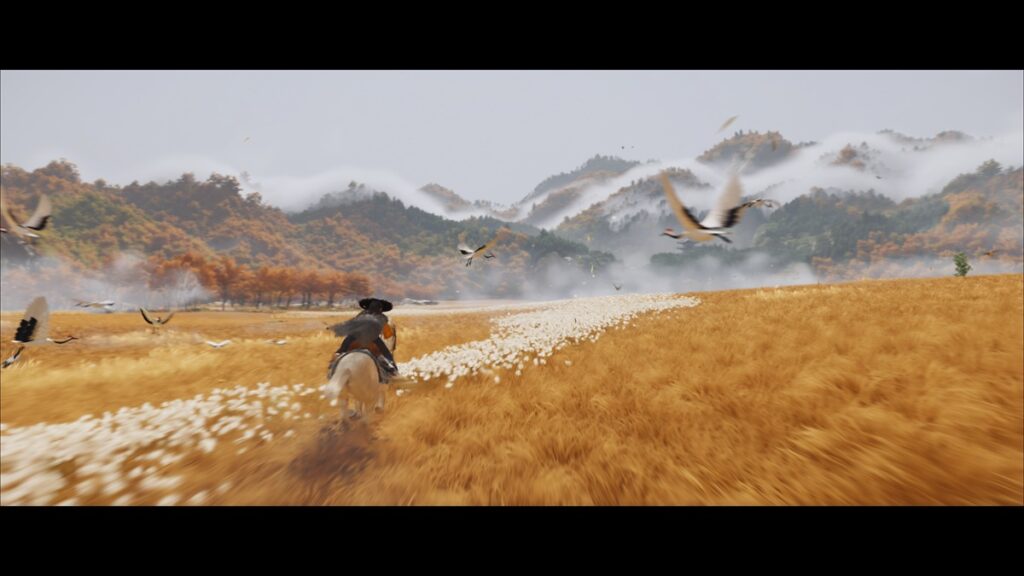
It has small improvements. For instance, it’s still a grind to ride your horse from one place to another distant location. But you can run through fields full of flowers and go much faster as long as you stay in the “lanes” of the flower highway. Not only does it look prettier to go through the flowers, it’s also faster and more functional.
That’s a small example of the improvements that Sucker Punch put into the sequel. There’s also the fact that this isn’t a “map game,” as so many open world titles have been dinged for giving you a laundry list of tasks spread across a giant map.
Instead, you can come to a new area and use a spyglass to discover adjacent places that can expand your adventure, revealing the next part of the story or just a side quest that can help your character go stronger.
The inevitable comparisons arise versus Assassin’s Creed: Shadows, Ubisoft’s samurai/ninja open world game that debuted in March. That game was serious competition for Ghost of Yotei, partly because it dropped its DLC on September 16 — and it was a samurai fighting game played out on an open world map. Both games severely overdue it on the beautiful flowers of Japan, but the “map game” criticism is stronger against Shadows.
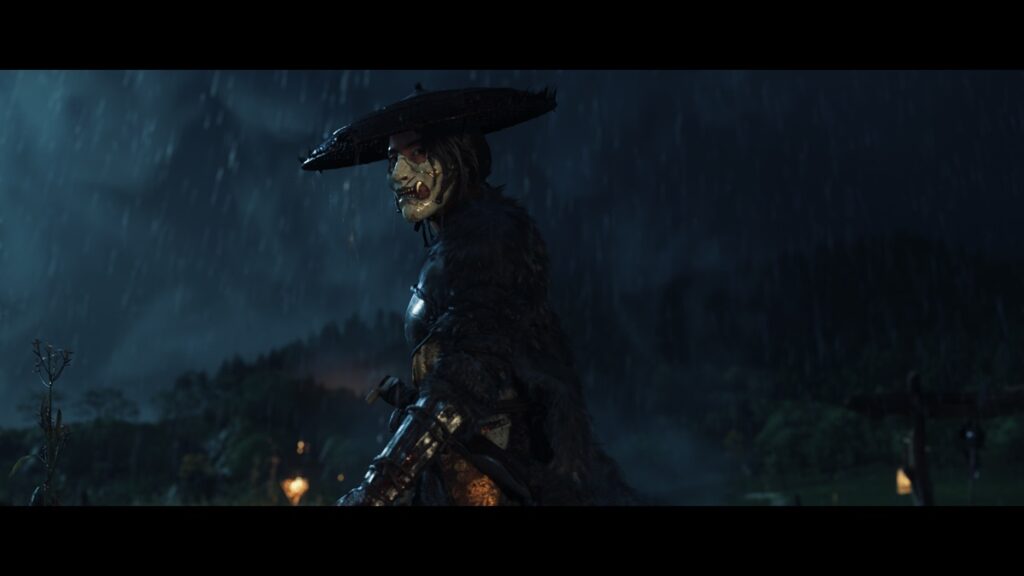
For instance, I really didn’t like it when the compelling story of Shadows — not so different from the revenge story of Yotei — stopped in the middle so I could develop my home base and go on a bunch of collection missions. In the Assassin’s game, it’s like one of the main characters forgot about her revenge mission to do some collecting instead.
There are plenty of side quests you can take in Ghost of Yotei. But they’re often related to helping people against the oppression of the outlaws or other military forces in the region. It feels like the purpose is to level up Atsu so she can take hunt down the Yotei Six, where each of the villains is stronger than the last one.
The duels reflect a lot of glory and frustrations of the game. It’s maddening when you keep losing against a boss that you can’t beat. But it’s a wonderful feeling when you finally take that boss out against the odds. Yet it’s more forgiving in the fights than Souls games, where one bad move can make you lose a fight and restart.
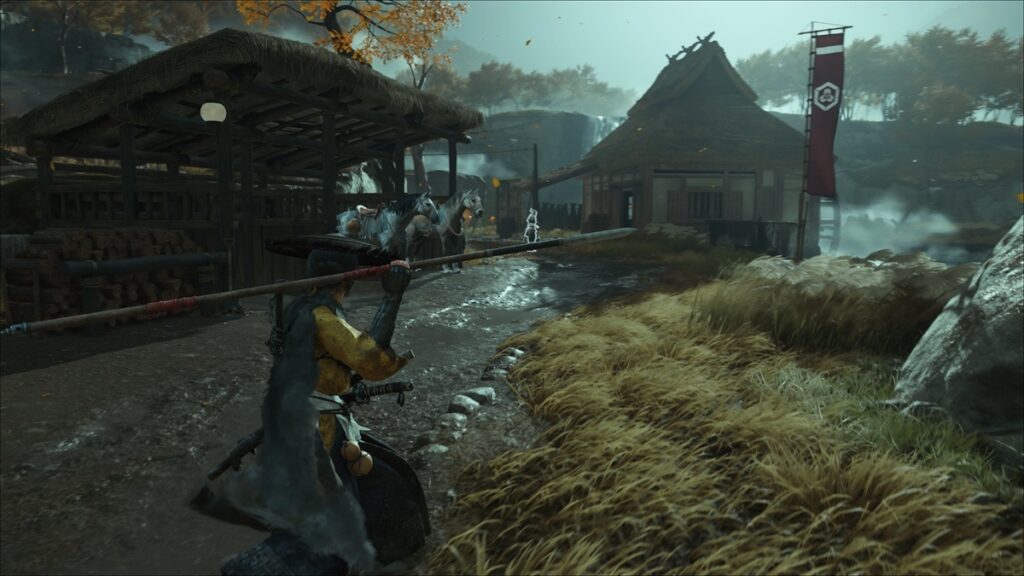
Each duel against a tougher enemy follows the classical Western-style duels of samurai movies. The Clint Eastwood-style music is a great fit to set up the tension and the artistry of the battles. On the other hand, Sucker Punch could have taken the time to create more variations of the animation of Atsu’s face as she grits for combat. I have to say I have seen that animation so many times I wish there was a skip button.
The combat itself is ferocious, and you need to level up your weapons to deal with bigger and bigger bosses. On top of that, you have multiple weapons to master, including the katana, dual swords, the Yari (spear), the Ono (heavy sword) and Kusarigama, the chain and sickle. I also love the bow, as it’s like bringing a gun to a knife fight, and I love that you can pull out the bow against a boss and do some damage from afar and go back to the blade in the same fight. The combat feels better than the first game.
Since it takes a dedicated mission or missions to get a single point for leveling up, it takes a long time to build mastery in Ghost of Yotei. But it’s always sweet when a boss pulls out all they can against you and you’ve got a move that brings them low.
Of all of the mastery task you face in the game, the one that stalls me is the bamboo strike. You have to get the directional pad pushes and button pushes exactly right, hitting seven up them in rapid succession in order to slice seven pieces of bamboo. This is a kind of torture for players like me, alongside the bouts when I am up against a stronger boss.
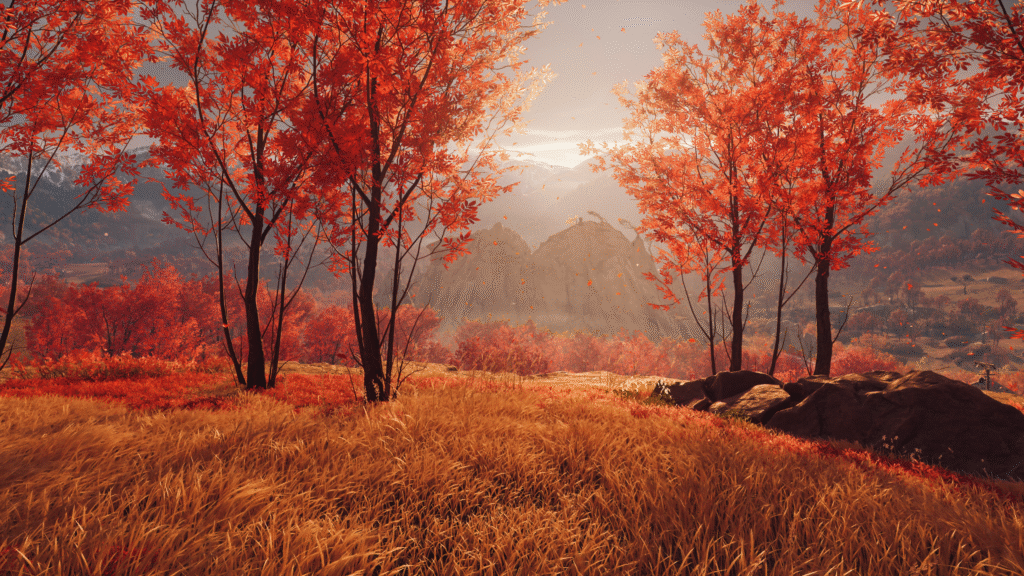
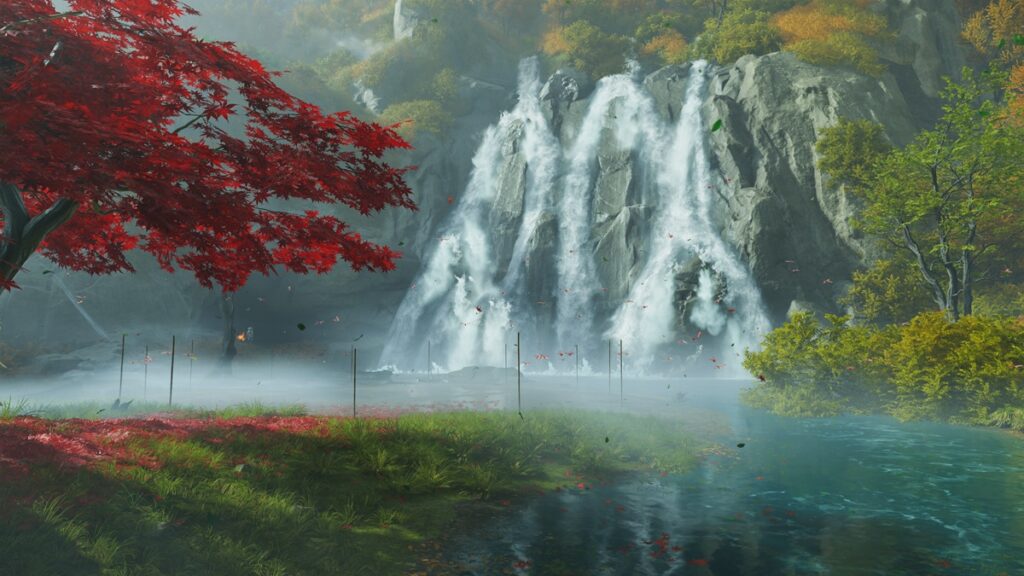
The beauty of the game is more than enough for me to dedicate a lot of time to Ghost of Yotei. The world is alive with so many creatures in it, including ambient humans and birds that draw you to secret treasures.
I love the bond with my black horse that takes me anywhere and crashes a lot less than it does in Assassin’s Creed: Shadows. I love the timid wolf sidekick that’s not really a sidekick but sure comes in handy during a fight. And after a big showdown I can always use a bath in a hot spring or play a little music on my shamisen. In fact, one of the better missions involves music.
But what I really welcome about Ghost of Yotei is the strength of the characters and the depth of the story. The nature of revenge and how deep it goes comes when you can compare the insatiable desire for it in one character versus another. I won’t say more than that to avoid spoilers, but this game is a descent into a narrative that keeps pulling you in. It doesn’t dilly dally along the way as so many open world games do. You plunge into the extended version of revenge along the way. And I’m just glad that Sucker Punch didn’t think about Ocean’s Eleven when they were dreaming up the Yotei Six.
I heartily recommend this game. I’ll revisit this story later when I have completely finished it. But I hope you’ll dive in with me. It’s one of the best games of the year for me.
Updated 10/11/25 with review score: Five out of five stars.
Disclosure: Sony provided me with a PS5 game code for the purpose of this review.