
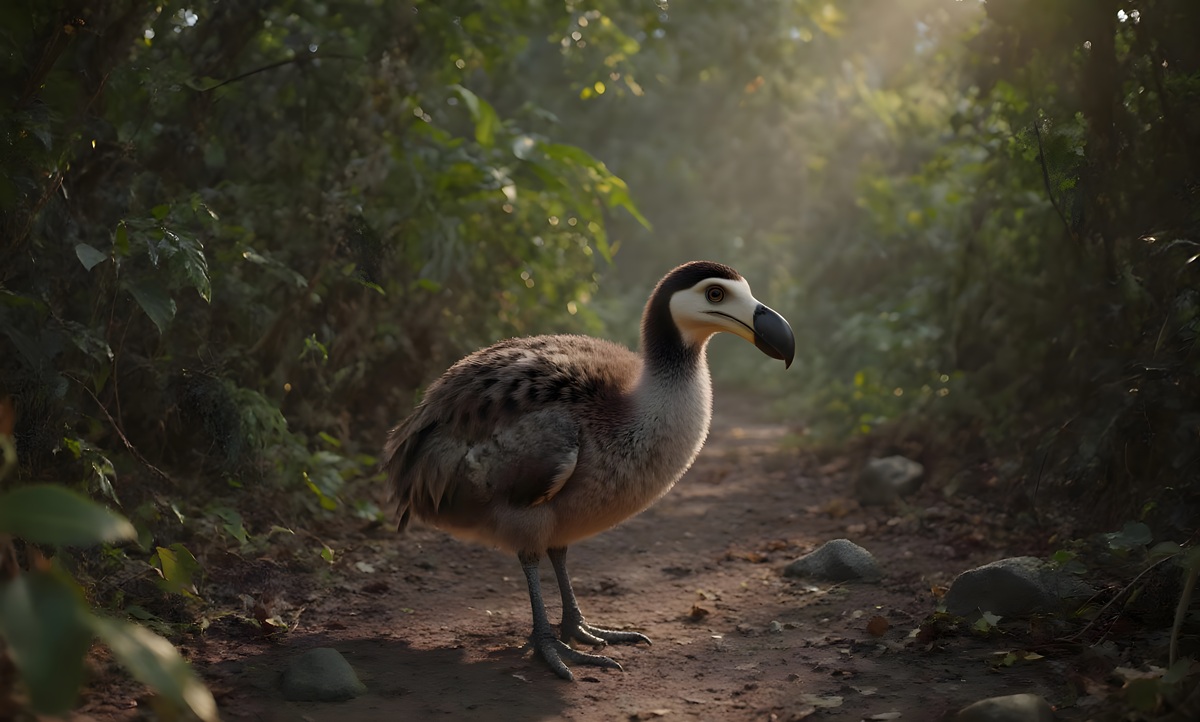
Colossal Biosciences, the world’s de-extinction company that brought back the dire wolf, keeps making astounding announcements in bringing back extinct species. Today the company is announcing it has made progress in bring back the dodo bird — and it has raised $120 million.
The company said it has hit milestones in avian cellular science bringing the dodo revival one step closer.
The Colossal Avian Genetics Group has successfully grown pigeon primordial germ cells (PGCs) for the first time in history, a pivotal step in bringing back the dodo. In addition to this breakthrough, Colossal has also made strides in bringing back the Direwolf as part of its ultimate quest of bringing back the Woolly Mammoth from extinction using Jurassic Park-style genetic research.
To hear more about the project, I did an interview with Ben Lamm, CEO of Colossal Biosciences, about the mission of bringing back the dodo. I asked Lamm why the dodos went extinct. He joked it was the Dutch. He said he meant that the dodos thrived on Mauritius and other islands because they had no competitors.
“They were ground dwelling, flightless birds, and they lay one egg and then nothing would eat it,” Lamm said. “They didn’t have a tremendous amount of of of predators on the island. But when humans came to the island, they brought pigs and Macau monkeys and rats and other and other species. Well, guess what? Those invasive species are really what drove the dodo to extinction, not people eating them because people think they were delicious or dumb.”
Why the dodo?
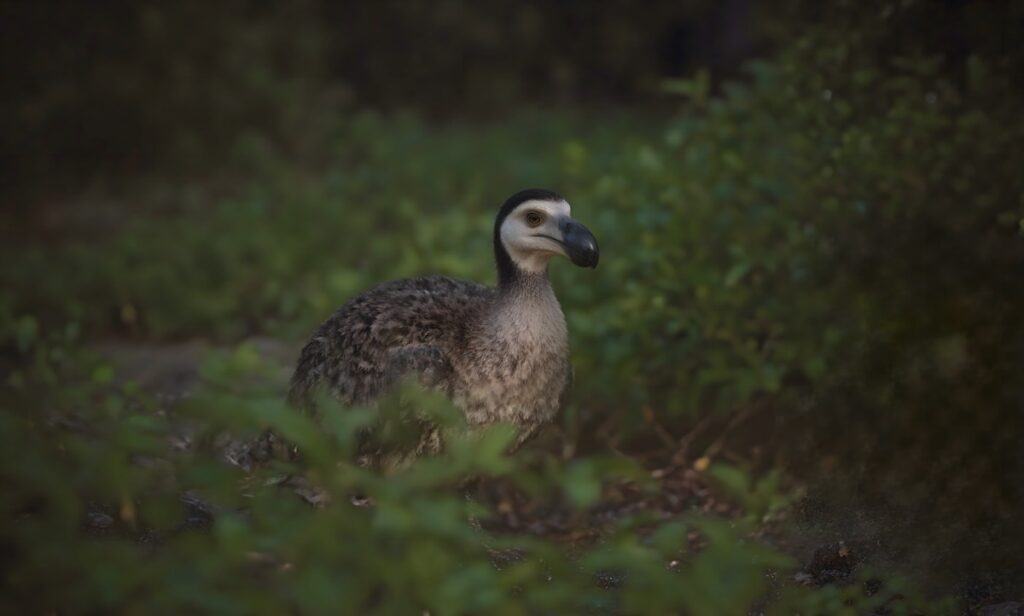
Lamm said the dodo, a funny flightless bird that wasn’t very competitive in nature, is the No. 1 thing the company gets asked about.
“You know, we’ll do something incredible. Okay, that’s amazing. But also, where are we on the dodo? As for the timing for the dodo, what we’ve always said is, ‘We really need to get through generating the right culture conditions for primordial germ cells, the PGCs, because that is really the blocking step on the dodo. That was something that was just absolutely mission critical.”
In the past, there were only two other bird species where anyone’s ever developed culture conditions to grow primordial germ cells: chicken and geese. It’s pretty complicated science. And so I’m pretty excited because we achieved this in parallel with creating the reference genome for dodo and others.”
He added, “We’ve also been working on developing our transgenic surrogate chicks that will be ready to receive the edited PGCs. So we’ve had a lot of these other components of the project that we’ve been making incredible progress on.”
“We were waiting to get this big gating factor around the dodo done before we made a general dodo progress report,” he said. “I’m happy because, hopefully, the people last year that were breaking down my door trying to get dodo updates. I hope this satisfies them because the PGC thing is a world’s first, and I think people are going to be pretty excited about it.”
He said the company is using computational analysis to rebuild lost genetic codes and it will make edits using its CRISPR gene editing tools. He said that the company will take into account biodiversity and ecological impacts when it makes edits.
“We don’t have a dodo yet, but we’re making progress. We did a big progress report last year on the Thylacine. And everyone was so excited. But when we show progress on the Thylacine, then people ask us about dodo or some other species,” Lamm said.
New money
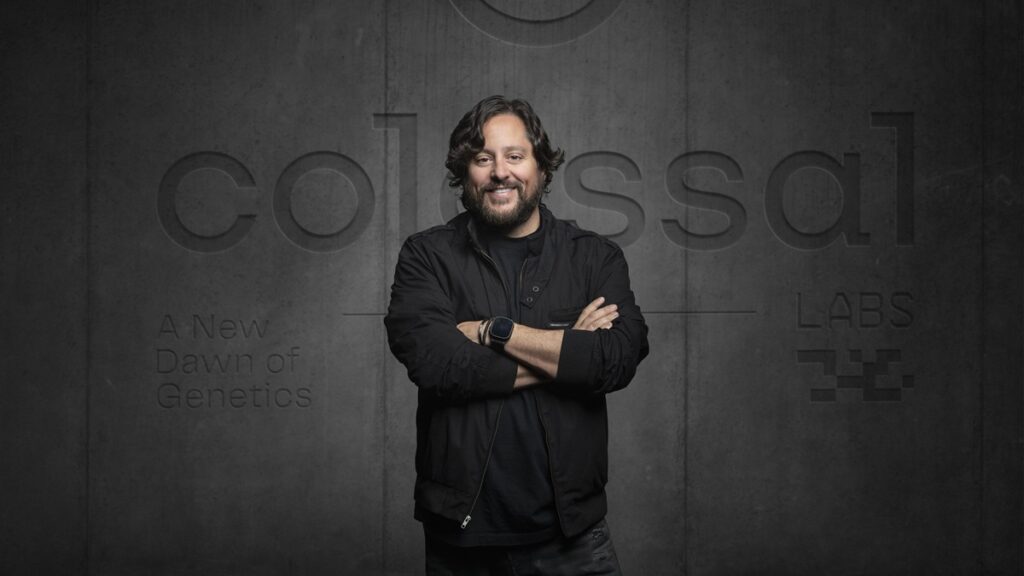
Colossal said it has announced an additional expansion of $120 million in new funding adding to its $200 million Series C bringing this round of capital to $320 million. Colossal has 172 scientists working for it, including 60 postdocs. The funding will be used in part by the avian genomics group.
Lamm said the avian genomics group is very different from the mammalian groups in terms of staffing, and he said there are some shared services like computational biology.
On the heels of the Moa de-extinction announcement, the funding allows for the expansion of Colossal’s Avian Genetics Group who also have established a flock of gene-edited chickens that will serve as potential surrogates for dodos and other endangered bird species and generated new genomic resources for exotic and endangered pigeons that will facilitate identification of editing priorities for the dodo de-extinction project.
These advances significantly accelerate progress toward dodo de-extinction and broaden tools for advancing biodiversity conservation for birds. The advances Colossal has made now extend avian PGC culture technology beyond chicken and geese, opening a new frontier in avian reproductive science.
Colossal has also announced the formation of the Mauritius Dodo Advisory Committee, a board of qualified individuals with deep connections to the country’s culture. The experts will continue to provide input on Colossal’s local conservation efforts and aid in the development of a dodo rewilding program in Mauritius.
“Our avian team’s breakthrough in deriving culture conditions that allow pigeon primordial germ cells to survive long-term is a significant advancement for dodo de-extinction,” said Colossal CEO and cofounder Ben Lamm. “This progress highlights how Colossal’s investment in de-extinction technology is driving discovery and developing tools for both our de-extinction and conservation efforts. Following the global excitement around our recent moa announcement, this new infusion of capital will help us expand our infrastructure and grow our avian genomics team to accelerate not only the new moa de-extinction project, but also continue to track progress on the dodo.”
Surmounting the PGC roadblock
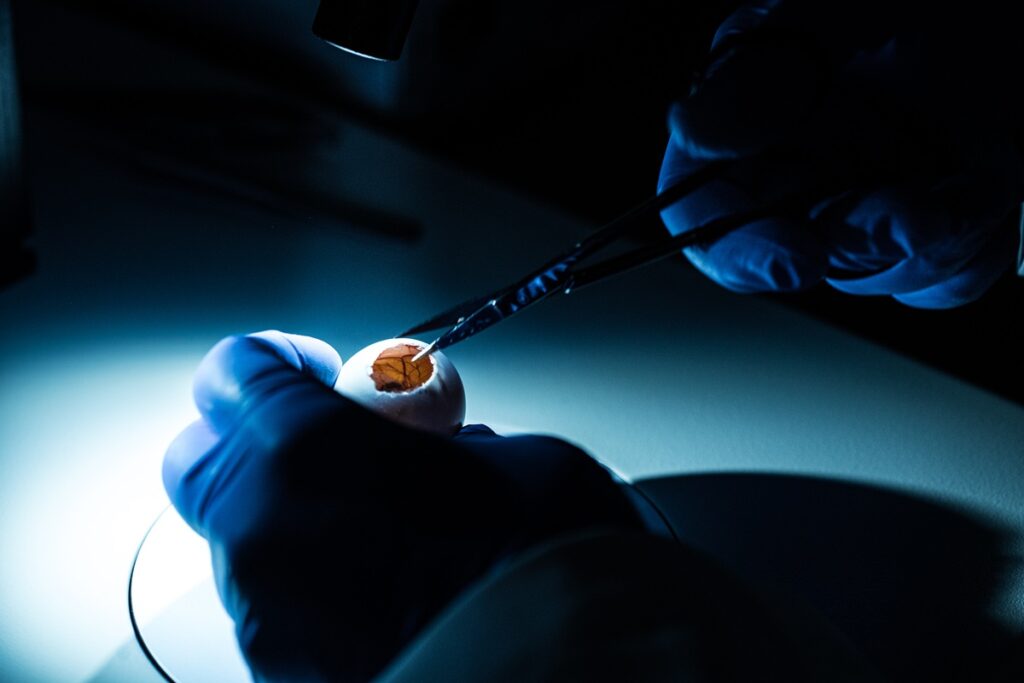
The path to de-extinction of any species includes transforming an edited cell into a living organism. For mammals, this process involves somatic cell nuclear transfer, which is commonly known as “cloning.” Because of the large size and opacity of avian eggs and because they are laid after the embryo starts to develop, it is not currently possible to clone birds, which require a different technology in order to pass genetic modifications on to the next generation. This path involves culturing and editing primordial germ cells (PGCs), which can then become the sperm and eggs used to produce the next generation of birds. By fertilizing modified eggs with modified sperm, the gene edits are passed to the next generation.
Until this milestone achievement by Colossal’s avian team, PGC culture was only possible for chickens and geese, limiting the application of genome engineering technologies in birds. Today, Colossal announces a breakthrough in PGC culture for pigeons, paving the way to create the world’s first dodos in nearly three hundred years.
“The first cell culture recipe was for chicken PGCs, and was published nearly 20 years ago,” said Anna Keyte, Avian Species Director. “Unfortunately, that recipe has not worked on any other bird species tested, even closely related species like quail. Colossal’s discovery of a recipe for pigeons dramatically expands avian reproductive technologies and is the foundation for our dodo work.”
To develop the pigeon PGC culture protocol, the avian team tested more than 300 combinations of growth factors, small molecules, and metabolites. The PGCs have now been growing for more than two months with a doubling rate of 35 hours. The cultured cells successfully migrate to the gonads when injected into surrogate embryos, confirming that they behave as PGCs. The team is banking these cells and will use them to apply the company’s genetic engineering strategies for pigeon PGCs. Details of the research were published today as a preprint on bioRxiv and submitted for peer review.
Beyond de-extinction applications, PGC culture opens new conservation pathways for endangered species like the Mauritian pink pigeon, which has suffered population bottlenecks and genetic diversity loss. The technology enables restoration of lost genetic variation using museum specimen data, engineering of disease-resistant cell lines, and biobanking as insurance against future genetic losses.
“This breakthrough in culturing pigeon primordial germ cells represents a transformative tool for avian conservation,” said Beth Shapiro, Colossal’s chief science officer, in a statement. “By developing these protocols, we’re establishing crucial biobanking capabilities and opening new possibilities for genetic rescue of endangered species.”
A Colossal colony gene-edited birds
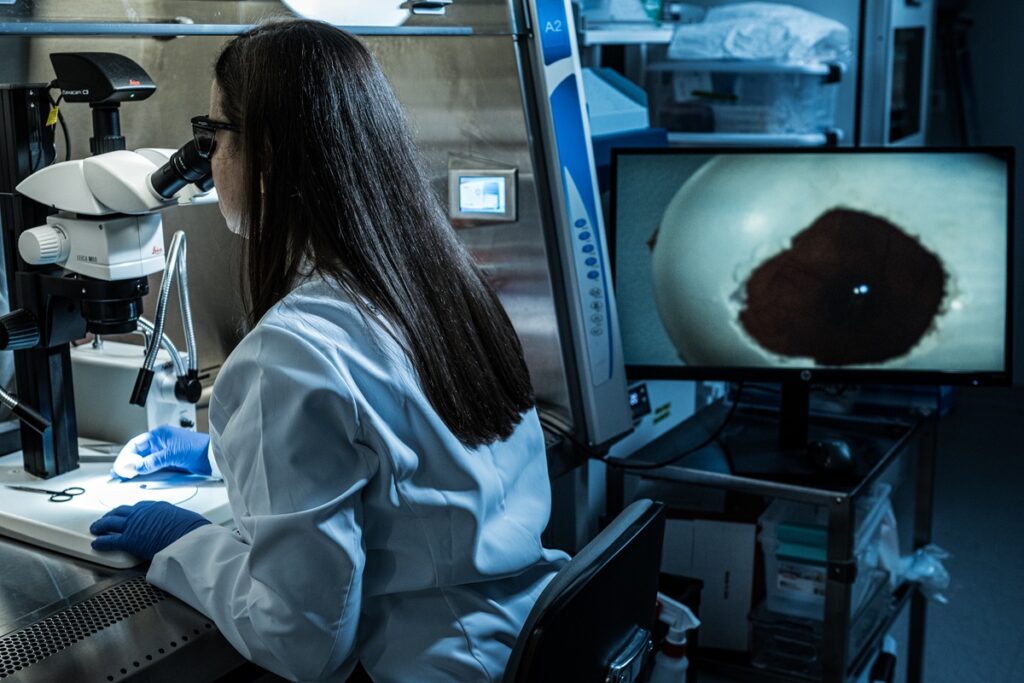
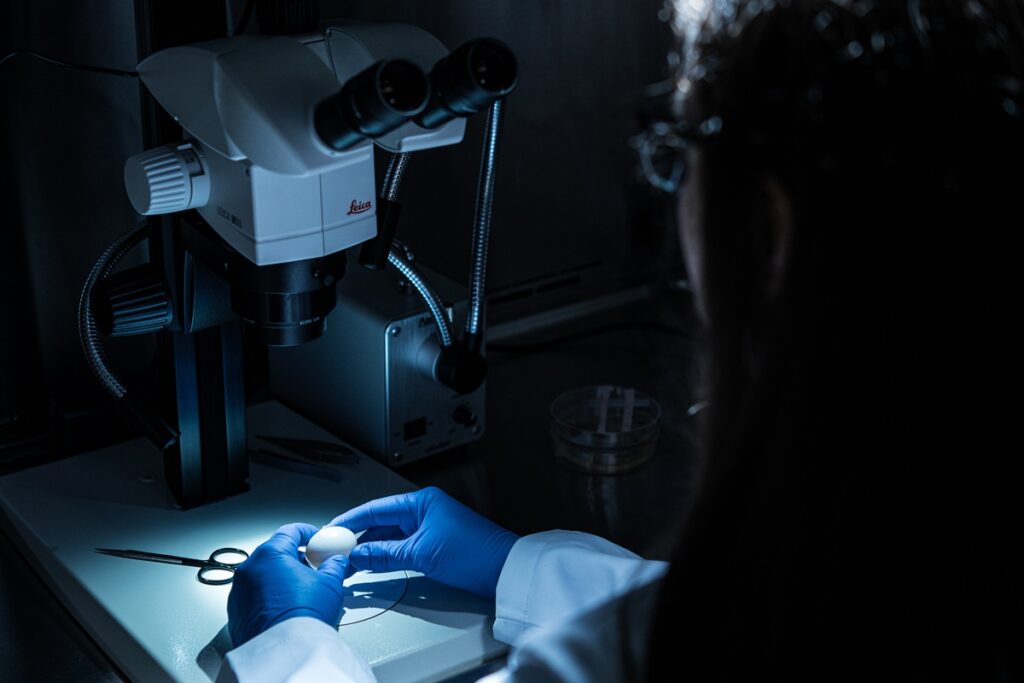
Generating edited PGCs is only the first step of a two-step process to create genetically modified birds. To create a genetically modified bird, edited PGCs are injected into developing chick embryos, where the PGCs continue to develop into functional eggs and sperm. When those chicks hatch, they will be chimeric: their sperm or eggs will contain the intended edits, but the rest of the cells in their bodies will contain unmodified genomes. When they reach sexual maturity, these edited sperm and eggs can be fused via normal or artificial fertilization, resulting in genetically edited birds.
While this process sounds simple, few labs in the world have achieved production of chicks with gene-edited germ cells in their gonads. Today, Colossal also announces that it has achieved this success, and done so within less than six months of establishing the company’s avian colony.
Colossal is using the Nicobar pigeon, the closest living relative of the dodo, as the donor genome for de-extinct dodos. They established a colony of breeding Nicobar pigeons in Texas that have started laying eggs and, from those embryos, the team has established fibroblast cultures for test editing and collected the first Nicobar PGCs. These PGCs will be grown using Colossal’s newly described pigeon PGC culture media. Colossal and its network of partners have already applied for and been granted all necessary US permits and approvals for the import and export of biological samples and specimens needed for this project.
At the same time, Colossal is gene-editing chickens so that they don’t make their own germ cells. To make a dodo, the avian team will inject edited Nicobar pigeon PGCs into these developing chicks, so that they carry pigeon germ cells rather than chicken germ cells. This means a chicken could eventually lay an egg that hatches into a pigeon. Together, these advances – pigeon PGC culture and gene-edited chickens that do not make their own PGCs – set set the stage for using surrogate chickens to help bring back dodo relatives, and eventually the dodo itself.
New high quality avian genomes improve dodo-specific variants
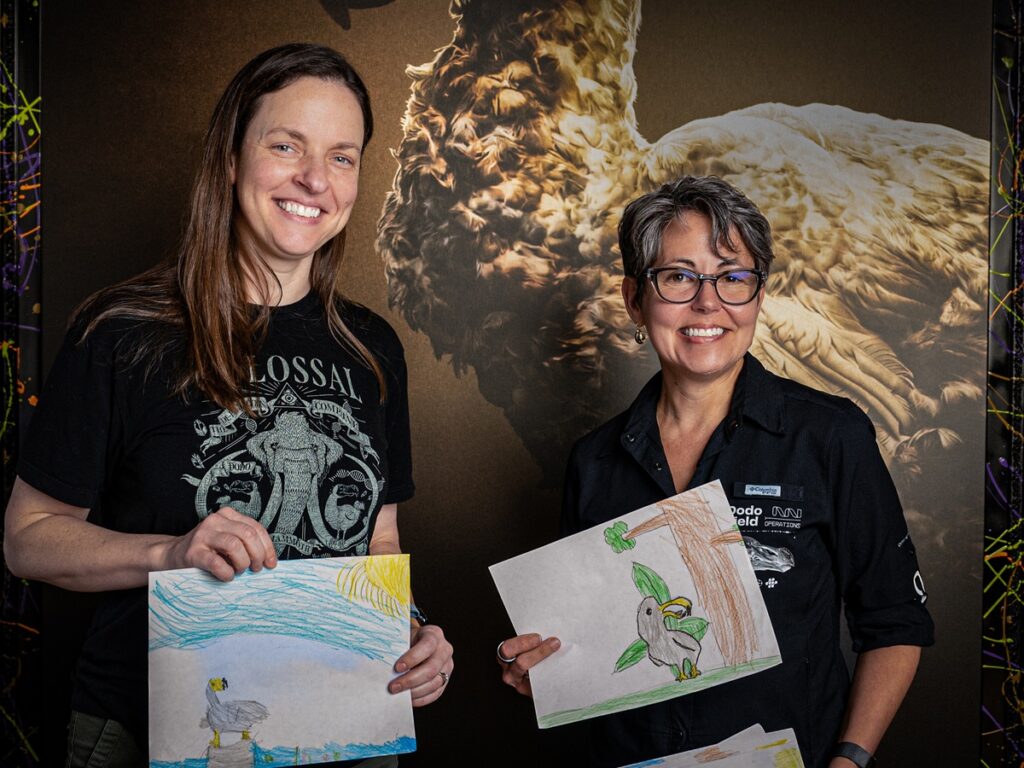
With the system to engineer a dodo now realized, the avian team is also announcing new resources to allow the discovery of dodo-specific genomic traits: the genetic edits that will transform the Nicobar pigeon genome into the dodo genome. Specifically, the team is announcing the generation of high-quality genome sequences for three species: the tooth-billed pigeon (or manumea), Rodrigues solitaire, and Nicobar pigeon.
The tooth-billed pigeon or little dodo, is a critically endangered bird that is closely related to the dodo. Restricted to forested regions in Samoa, it is considered a lost species, with the last confirmed photo taken in 2013. In partnership with the University of California Santa Cruz Paleogenomics Lab and Harvard University Museum of Vertebrate Zoology, Colossal’s Avian Genomics Group sequenced and assembled a reference genome for the tooth-billed pigeon from a preserved skin sample.
Colossal’s avian team also generated a 10-fold coverage genome from a Rodrigues solitaire, an extinct flightless bird that is a sister species to the dodo. Dodos were endemic to Mauritius Island, and solitaires were only ever found on neighboring Rodrigues Island. The two species shared a common ancestor approximately 7 million years ago.
“The solitaire was a large flightless bird that was similar in many ways to the dodo but also behaviorally and physically distinct,” said paleontologist Julian Hume of the Natural History Museum in London and Tring, who collected the samples from cave sites on Rodrigues. “Colossal’s genome will allow new insights into the genetic reasons underlying the differences between these birds and highlight what DNA sequences made the dodo distinct.”
Colossal’s team also produced a new chromosome-scale genome for the Nicobar pigeon using a combination of short- and long-read sequencing technologies, resulting in the highest quality Nicobar pigeon genome available. This genome is available for download from the NCBI database and the description of the sequencing and assembly process has been peer reviewed and published in the Journal of Heredity.
“Like the advances the team has made in avian reproductive technologies, these genomic resources will have far-reaching implications for our work and for the work of others,” said Anna Keyte. “The genomic data will help us learn why each of these birds are unique, making it possible for us to prioritize our gene editing but also helping us to understand what we’re losing as bird species become increasingly rare and possibly extinct.”
Colossal forms Mauritius dodo advisory committee
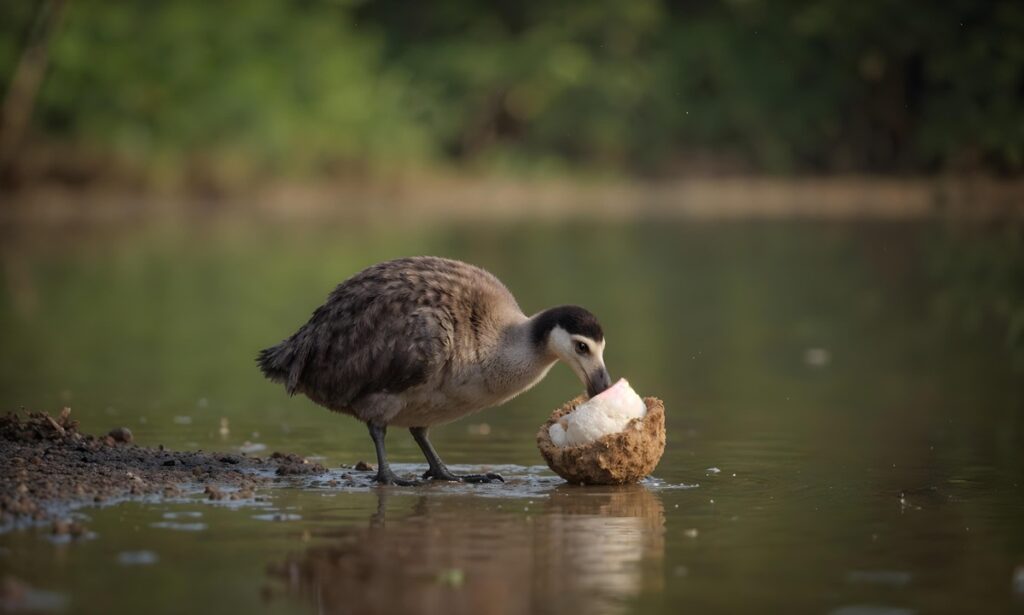
As part of its partnership with Mauritius, Colossal has established the Mauritius Dodo Advisory Committee, composed of cultural, commercial, government, and community leaders with strong local ties and expertise. Meeting quarterly, the Committee provides input on Colossal’s conservation efforts, addresses community needs and concerns, and guides the development of a safe and successful dodo rewilding program.
Devina Lobine, Ph.D., is the Chair of the MDAC, Research Officer, Mauritius Institute of Biotechnology) said “Driven by a deep passion for scientific discoveries and inspired by the dream of seeing the dodo walk the earth once more, I am pleased to lead the Mauritius Dodo Advisory Committee. This journey is more than reviving a lost species–it is about honouring our island’s unique heritage.” Lobine will help lead discussions focused on updates from Colossal related to genomics research, biodiversity, environmental restoration, and the long-term wellbeing of the Mauritian community.
The Mauritius Advisory Committee is made up of the following advisors:
- Dr. Devina Lobine, Research Officer at the Mauritius Institute of Biotechnology & Global Leader in Science, Policy, and Innovation and Chair of the Mauritius Advisory Committee
- Prof. Carl Jones, PhD, Chief Scientist, Durrell Wildlife Conservation Trust & 2016 Indianapolis Prize Laureate
- Ananda Devi, Officier des Arts et des Lettres (France), Grand Officer of the Star and Key of the Indian Ocean (Mauritius), Neustadt Prize Laureate
- Joya Bhandari, Environmental Consultant & Green Policy Advisor for Island Sustainability
- Kallyanee Bodha, Chemistry Educator | Author | Advocate for Conservation
- Dr. Dhanjay Jhurry, GOSK, CSK, Managing Director of Uniciti International Education Hub
- Kevin Ramkaloan, CEO of Business Mauritius & Economic Policy Leader
- Mehul Bhatt, Head of Strategy, Savanne Life Sciences & Board Director, Business Mauritius
- Dr. Vidushi Neergheen, Director of the Doctoral School, University of Mauritius & Leading Researcher in Biopharmaceutical Innovation
- Krishna Pentayah, Science Diplomat, Researcher, Mechanical Engineer, Climate & Cultural Leader, Author, Artist
- Meiya Gujjalu, Conservation Student & Co-Founder of Daring Dodos
- Vikash Rupear, Director, Natural History Museum of Mauritius
- Vikash Tatayah, Director of Conservation, Mauritian Wildlife Foundation
Below is a full list of Colossal’s Avian Genetics Group scientific breakthroughs on the dodo project.
Cell Biology and Engineering:
- Successfully grown pigeon primordial germ cells (PGCs) in culture for multiple weeks and they maintain important characteristics of germ cells, indicating they are healthy PGCs. Doubling rate is approximately 35 hours.
- Created chickens carrying edited PGCs that have reached sexual maturity and are laying eggs. We have begun to screen offspring and have identified our first fully gene-edited birds! At sexual maturity, these chickens will lay sterile surrogate host eggs, which we will test for their ability to support the growth and development of pigeon PGCs.
- Nicobar pigeons in Colossal’s Texas facility have begun to lay eggs. We have collected embryonic fibroblasts and are currently generating a cell line in which we can perform test edits. From these same embryos, we have also collected our first Nicobar PGCs.
- Developed media conditions for growth of embryonic stem cells (ESCs) of pigeon, emu and tinamou. We have healthy looking ESC colonies growing and are now working to verify that they are true ESCs. ESCs can potentially be used to generate gene edited birds, as an alternative to PGCs.
- Used the stable PGC colonies to edit pigeon DNA sequences with targets from the company’s computational biology work on the dodo genome. Currently, the team is working with PGCs from rock doves.
- Expanded the team’s work with PGCs from Nicobar pigeon embryos, which, as the closest living relative to the dodo, will serve as the genomic surrogate for the dodo de-extinction work.
- Used in ovo electroporation to target editing constructs to neural crest cells, the primary cell population that makes up a bird’s beak. We tested dodo variants to identify which genetic changes were most critical for the formation of the dodo’s unique beak and face.
- Optimized delivery of editing components to avian PGCs, ensuring the highest possible cell survival following editing.
- Established a new protocol for cryopreserving cells from feather pulp. This will provide conservationists with a new tool to biobank avian cells in the field and safely transport them long distances.
Genomics and Computational Biology:
- Generated high quality reference genomes for Goura (a close living relative of the dodo), quail (a species we are using for development studies), and Nicobar pigeon (closest living relative of the dodo). This is in addition to the genomes we have already generated for Nicobar pigeon, Manumea (Tooth-billed pigeon), and Rodrigues Solitaire.
- Curated CT scans of 75 bird skulls, matched with high quality genomes, that will be used to query which genes are most important in the development of beak and face shape
- Completed collection of hundreds of individual samples of craniofacial tissues from three different areas of the face for four species of birds (chicken, duck, quail and pigeon) across six embryonic developmental stages. These are currently being sequenced to detect regions of open chromatin (ATAC-Seq) and gene expression (RNA-Seq). The data will be used to determine the roles of different genes in beak development. As with the analysis of the bird skull scans, this information will be used to filter dodo variants for editing.
- Generated a pangenome of the Dodo and its close relatives
- Analyzed the dodo genome, pinpointing regions responsible for key phenotypes
- Built a comprehensive Google Bigquery database that integrates analyses, genome annotations, and functional data to rank and prioritize dodo variant edits
- Identified flightlessness-related gene candidates for editing
- Completed single-cell RNA-seq analyses of PGCs to identify best cell culture conditions across species
Colossal was founded by emerging technology and software entrepreneur Ben Lamm and world-renowned geneticist and serial biotech entrepreneur George Church, and is the first to apply CRISPR technology for the purposes of species de-extinction.
Will it really be a dodo?
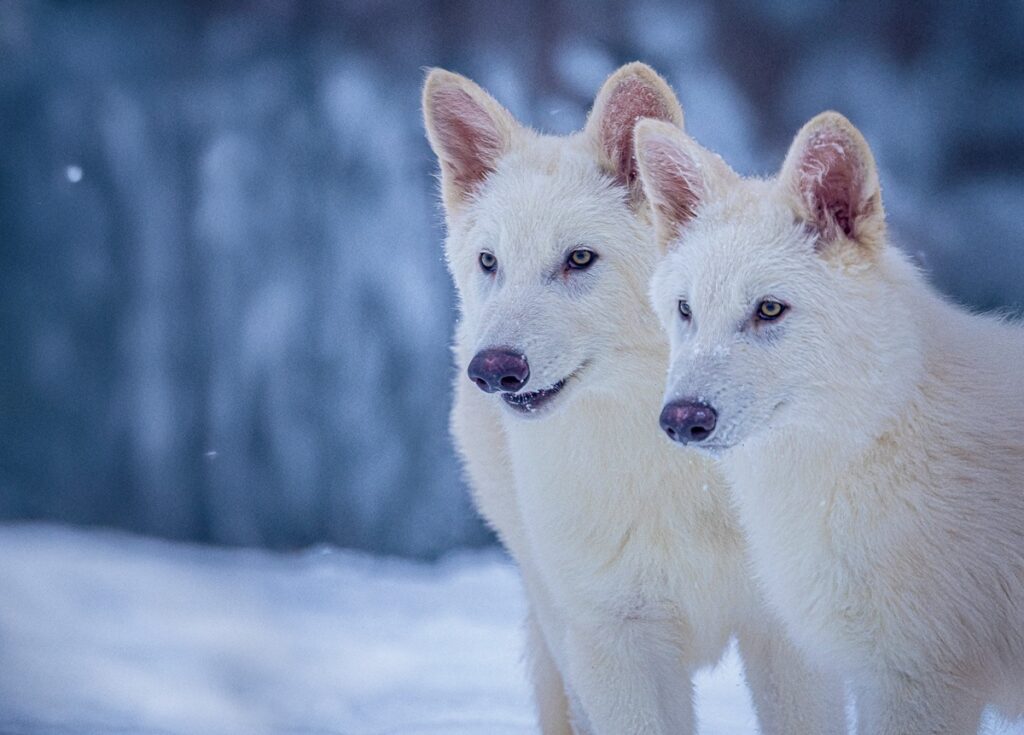
After the announcement of the de-extinction of the direwolf, critics came out in force saying these genetically re-engineered wolves were not direwolves. I asked Lamm if he would face the same questions about the dodo’s expected return.
“We’ve been very clear from day one what we’re doing as a company. So I come from a software perspective, right? And so in software, if you can do something that achieves the outcome in 30 lines of code versus 3,000 lines of code, you do that all day long.”
He added, “And so what sometimes people forget is that mammoths were elephants. And people also forget like, like mammoths are closely related to Asian elephants, and Asian elephants are African elephants. And people also forget that like dodos were pigeons, and direwolves are wolves, right?”
He said part of the confusion with the dire wolf is that people believed it was closer to a jackal than a than a dire wolf, which is actually inaccurate.
“That was just what people believed based on the data they had at the time, because that’s how science works, right? You get more data,” Lamm said. “We’ve been very clear since day one that we are not cloning extinct species, because that’s not possible.”
He added, “What we’ve been doing is we’ve been talking about rebuilding extinct species for today.”
The dire wolf reactions generated hundreds of billions of media impressions. There were 28,000 stories on it (one by me, with a rare interview with Lamm), and 68% were positive. There were moderate levels of controversy over whether the dire wolf babies should really be called dire wolves. The numbers that were negative were relatively small at around 5%, but that’s still a lot of people, Lamm said. And it was all about semantics.
The company worked with indigenous groups and animal rights organizations as well as the top wolf conservationists that rewilded wolves in Yellowstone. (The team even worked with the Game of Thrones crew, as dire wolves are a big part of that fantasy series).
With the dire wolf project, he noted that there were 60,000 years of genetic divergence between the existing two dire wolf samples.
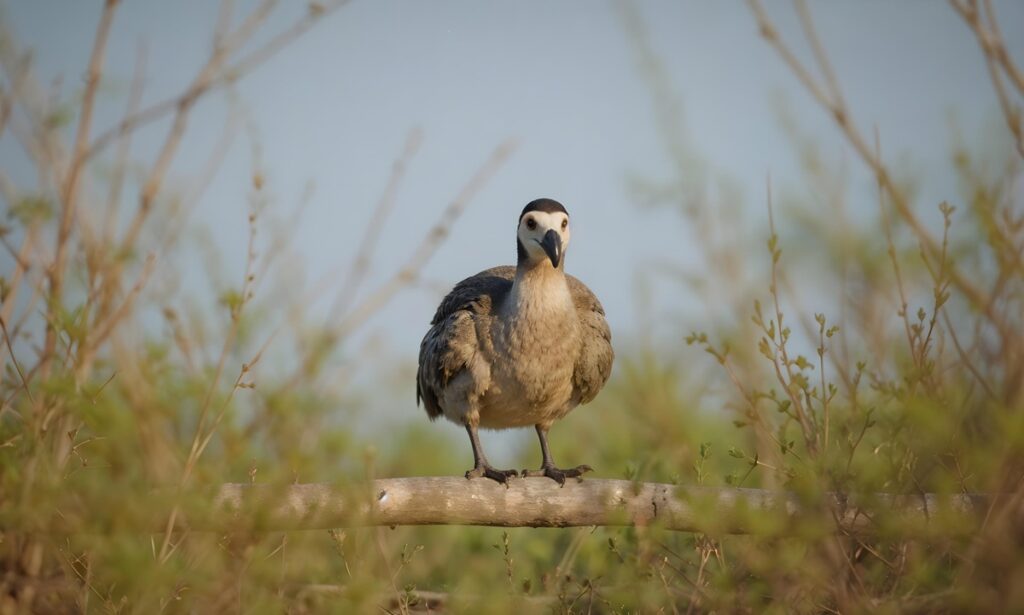
“There was more genetic time and genetic divergence between our two dire wolf samples than our second sample, which was 13,000 years old, and today, in wolves of today. And so that really allows us to understand what were the fixed mutations in genes that drove a dire wolf,” he said.
While perfectionists note the differences from the edited dire wolves and the old species from 60,000 years ago, Lamm said he still believes they are both dire wolves.
“I always like to make the joke, then, that Jurassic Park isn’t a movie about dinosaurs,” he said.
(In Michael Crichton’s Jurassic Park novel and Steven Spielberg’s movie, the extinct dinosaurs are brought back by modern humans who extract their DNA from mosquitos stuck in amber or other DNA samples).
Lamm said some of this debate can subside with the dodo because the genome is more intact and the company has more reference genome material on the dodo than it did on the dire wolf.
Still, he said, “We only have one complete genome, whereas with the dire wolf, we had to fragmented genomes over a longer period of time to identify what’s fixed.”
There will be more editing on the dodo de-extinction project.
What comes next
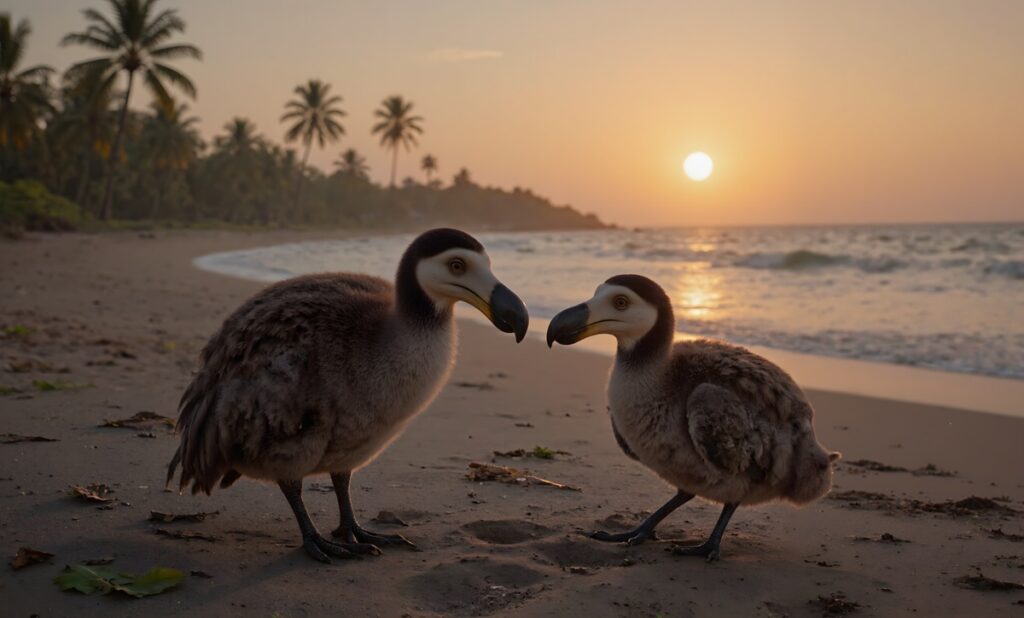
The work on the PGCs has been going on for a long time. But it’s complicated, and the avian team has been working on it for more than two years and Beth Shapiro joined as chief science officer. She brought on Anna Keyte, the avian genomics lead. There’s another team working on artificial wombs for marsupials and traditional placental mammals.
The dodos will be born through surrogacy. Over time, the team hopes to produce species at scale through artificial means. Then there will be a rewilding program in a secure ecological preserve that is certified by animal welfare groups. The team also has a cultural advisory board which includes academics, conservationists and ecologists.
After building the germ cells, there is still work ahead. For the next tasks, the team has to create transgenic chickens and that can house the embryos at some point. The team had to build reference items for the closest living relatives, the Nicobar pigeons.
the computational analysis will lead the team to what edits will need to be made, and now the team is in the editing phase. So over the next coming years, the firm will be editing and testing those edits.
“Then there is the last step, taking those edited PGCs, putting them into putting them into our surrogates,” he said.
A side gig?
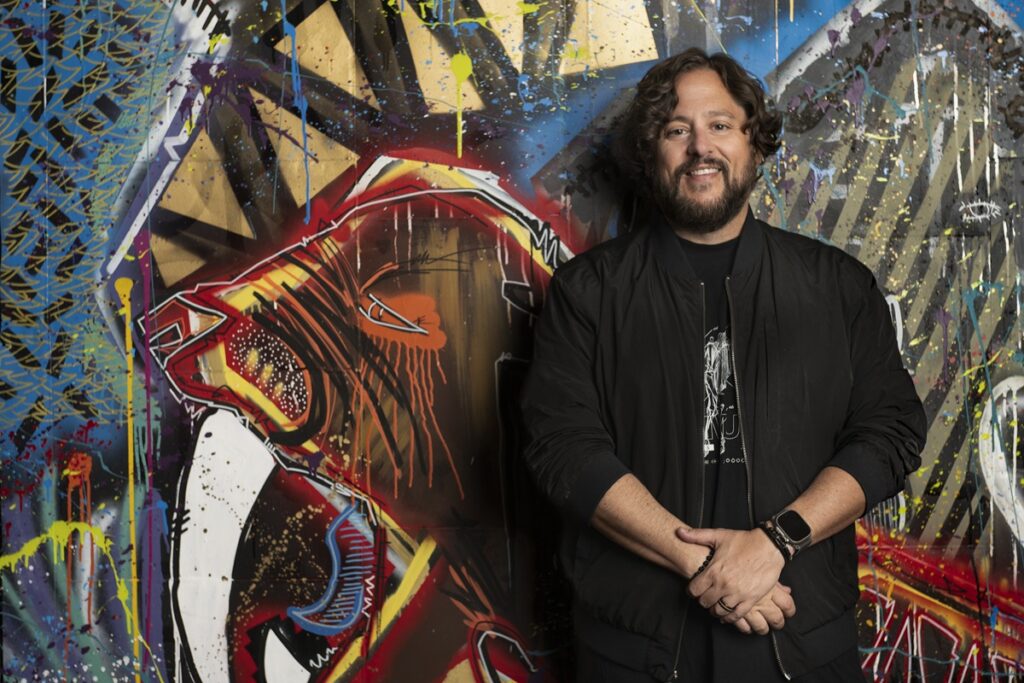
I noted there was some guessing going on when Lamm and his business partner Church raised $30 million recently for an AI startup. Lamm noted part of Colossal’s mission is that it open sources a lot of its technologies for the Colossal Foundation and its partnres. But as it comes upon applications for industry, defense or healthcare uses, it spins them out and monetizes them. The firm has done that multiple times, and the $30 million investment is not related to that. It’s a separate AI initiative between Lamm and Church. It’s not part of the $120 million just raised. He noted Astromech does exist and it has AI tech and some hardware components.
I joked, “You’re not putting an AI brain into a dodo?” He replied, “We are not putting an AI brain into a dodo.”
In the wake of its dire wolf announcement, the company’s Colossal Foundation is growing its “bio banking initiative,” where it stores DNA via simple blood draws in cryogenic vaults.