
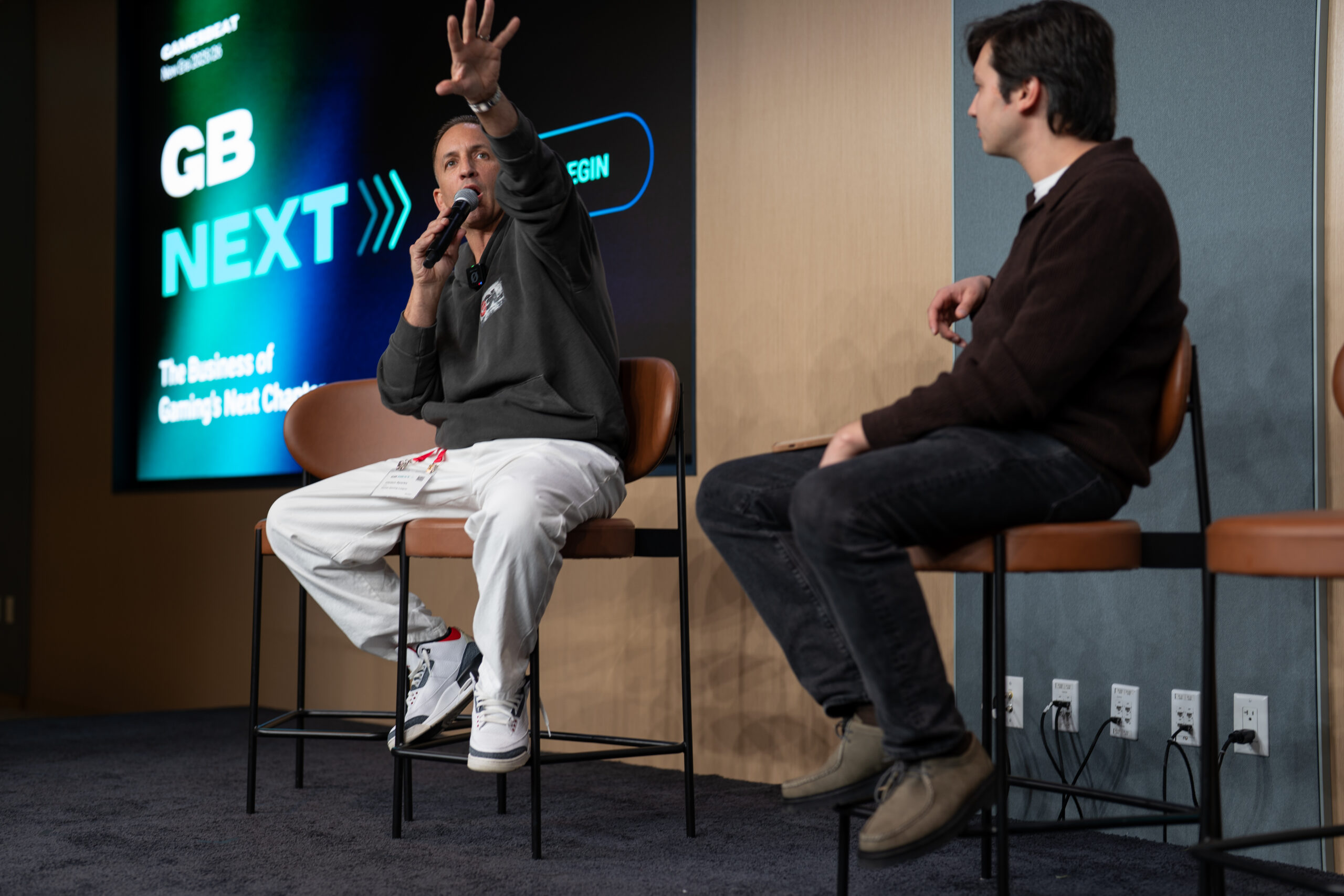
The gaming industry has a messaging problem, and the Global Gaming League is out to fix it.
During a session at GamesBeat Next 2025 yesterday, November 13, the Global Gaming League founder and CEO Clinton Sparks sat down with GamesBeat lead news writer Alexander Lee to discuss his company’s unique vision for esports — and how he has pulled from other areas of popular culture to make it into a reality. Here are some of the key takeaways.
The future of esports lies in new audiences
While there’s no denying that gaming is mainstream culture in 2025, competitive gaming is lagging far behind, particularly following the collapse or restructuring of significant esports leagues from the Overwatch League to the competitive “League of Legends” ecosystem in recent years.
As Sparks approached publishers about prospective partnerships in 2025, he said that some of his advisors were skeptical that these companies would be willing to take another bet on competitive gaming getting burned in the past — but he managed to assuage publishers’ concerns by offering them access to an entirely different audience and market than the core competitive gaming demographic reached by traditional esports competitions. In August, the Global Gaming League secured licenses to use dozens of games in its competitions, from “Tetris” to “Tekken” to “Rocket League.”
“If you want to grow past your target market, you have to learn how to market to a new target,” Sparks said during the fireside chat. “You can’t just keep saying the same thing to the same people and doing the same stuff all the time and expect, all of a sudden, tens of millions of people to show up at your front door and want to be a part of what you’re doing.”
Gaming can learn from other areas of mainstream culture
Before entering the esports industry as a FaZe Clan executive in 2018, Sparks cut his teeth as a longtime DJ and Grammy-nominated record producer. At the Global Gaming League, he has leveraged his connections in the music industry to bring on a wealth of prominent rappers and celebrities as co-owners or team leaders, including Howie Mandel and Faheem “T-Pain” Najm.
“I’m not the first person to come up with a celebrity-connected league — other people have tried it, right? But you can’t stand for culture if you never stood in culture,” Sparks said. “That’s the problem — a lot of people want to just do something from a capitalistic or opportunistic standpoint, where they think there’s a lot of money over here. If you keep it real, and you keep it organic and really give a shit about people, it is always going to work.”
Sparks’ understanding of the importance of authenticity is informed by his experience in music, with the Global Gaming League CEO drawing parallels between gaming in 2025 and hip-hop 30 years ago. Both communities are resistant to corporate influence and can sense what is fake and what is real — making it imperative for any business looking to expand the gaming audience to respect and protect the core culture as it does so.
“There was a point where hip-hop didn’t want corporate America involved. Inevitably, we were able to learn how to all work together and mutually benefit,” Sparks said. “And I think gaming and gamers are at that point now too, where there are people that are now recognizing how big gaming is, so they’re just trying to commit to capitalize on it, without respecting it — without caring about the people that have been in here for years.”
Bridging the gap between ‘gamers’ and the wider world of people who game
Sparks’ vision for esports goes beyond creating just another competitive league. At the Global Gaming League, he is trying to build a platform that connects gaming, celebrities and mainstream culture in a way that hasn’t been done before.
“Currently, the 3.5 billion gamers around the world do not feel like they are part of esports, because it’s not built for them,” Sparks said.
Before launching its first season, “SZN Zero,” on August 23, Global Gaming League accrued over 250,000 sign-ups, according to Sparks, who said that this success shows that there is a real demand for competitive gaming experiences that respect the culture of gaming while appealing to new, wider audiences.
“When we built the Global Gaming League, we wanted to converge gaming with music, fashion, sports, competition, celebrity,” Sparks said. “Everything that moves the needle, everything that pop culture pays attention to — everything that’s great about everything else.”