
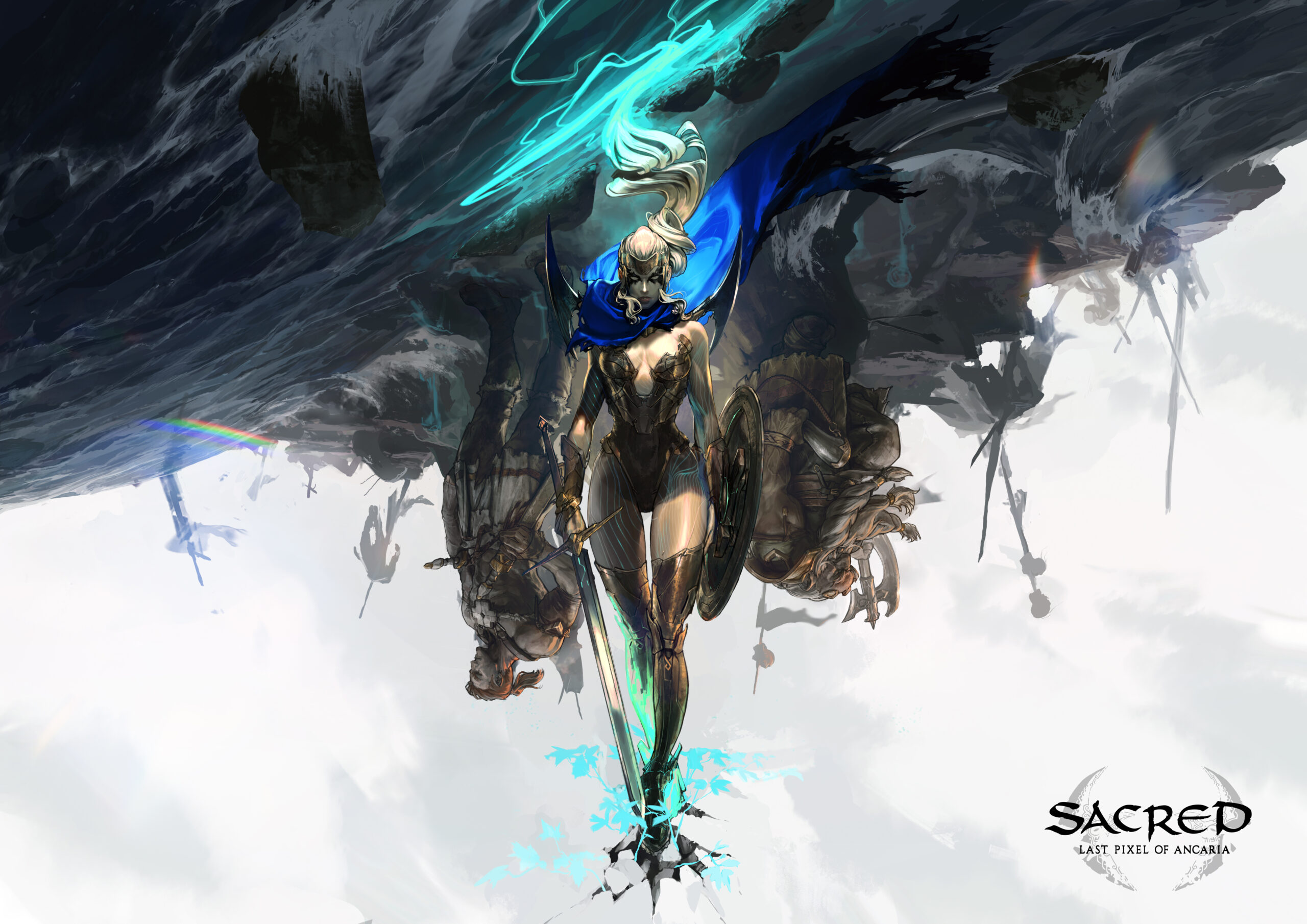
The Sacred series is coming back with its first new title since 2014.
Announced in December 2025, Sacred: Last Pixel of Ancaria is the latest entry in the long-dormant Sacred role-playing game series. The game is currently being developed by a team at SparklingBit that includes some of the original Sacred developers, who are licensing the intellectual property from its owners at THQ Nordic.
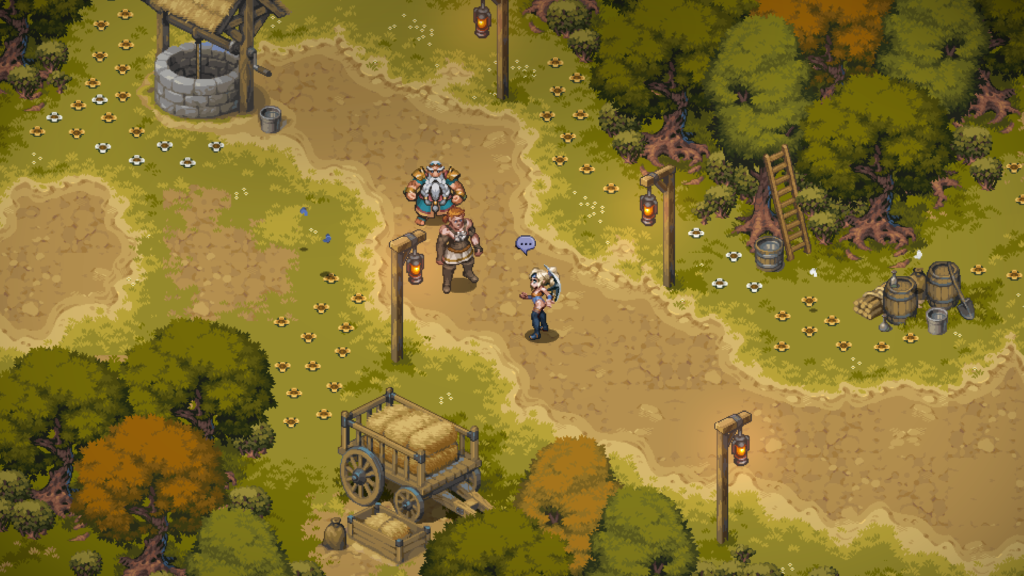
Sacred: Last Pixel of Ancaria not a traditional sequel. Unlike its predecessors, which featured isometric, three-dimensional gameplay, Sacred: LPA is a 16-bit, pixel-art reimagining of the series, picking up the story after the narrative of the first Sacred game with a comedic tone.
“The pixel art JRPG format lets us be very efficient with production without sacrificing quality,” said SparklingBit co-founder and head of business operations Dmitry Fitisov in an interview with GamesBeat. “Our pixel density is actually much higher than what’s typical in the genre, and every character is hand-animated in 8 directions. So it’s not cheap work. But it is a format where a senior team that knows what they’re doing can move fast.”
In gaming, what’s old is often new again — and the past few years have been marked by a rise of nostalgia-backed reboots or continuations of older series, from Marathon to Backyard Sports. In an interview with GamesBeat, the creators of the upcoming Sacred title stressed that it is an entirely new title, intended to bring in both old-school Sacred fans and gamers unfamiliar with the series without leaning too much into nostalgia-based marketing.
“Nostalgia is a good thing, but it’s dangerous. If it’s a story of the past, players who have played it already don’t need to play it again, and new players say, ‘it’s impossible for me to get in, because I will never understand the lore,’” said SparklingBit co-founder Franz Stradal, who was also part of the Sacred 1 and 2 developer teams, in an interview with GamesBeat. “This is why we’re doing LPA in this way — because it’s a fresh, new approach, and the lore is completely retold.”
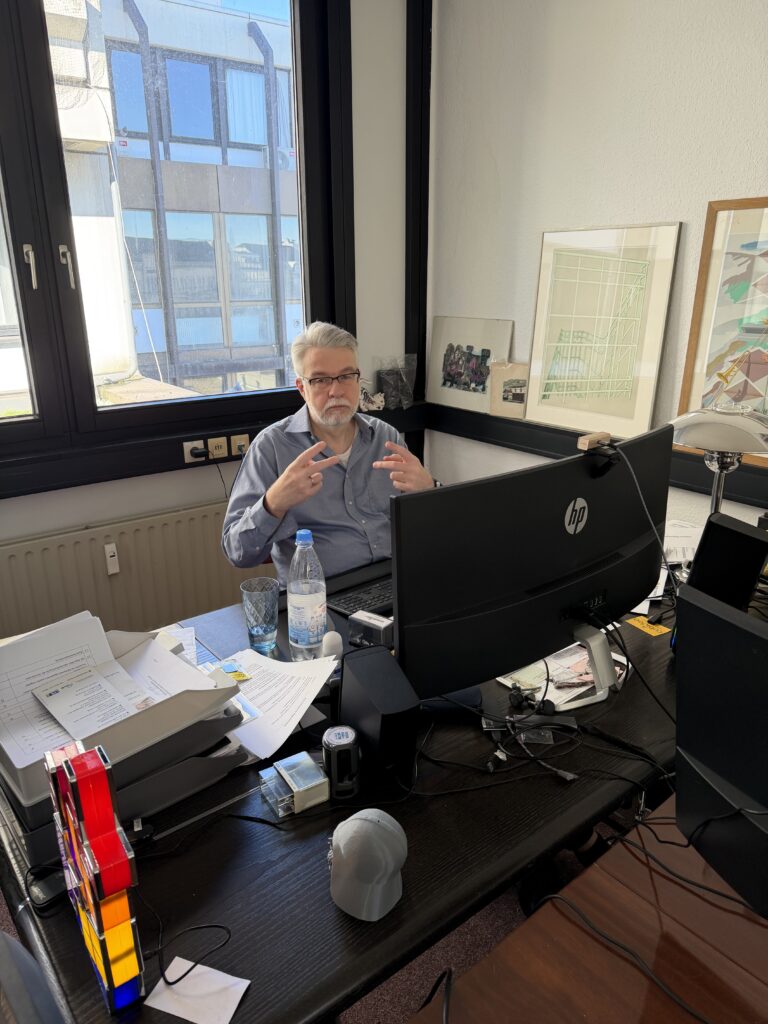
In addition to Stradal, the development team behind Sacred: LPA includes other developers who contributed to Sacred 1 and 2, including lead game designer Marc Oberhauser and Michael Bhatty, who wrote the games’ world and story. The project is also supported significantly by a co-development team at Enduring Games, with SparklingBit handling the core game systems and art production and Enduring Games managing technical aspects like the game’s engine and rendering layer and character animation system. For this project, Enduring Games is more than just a co-development partner — it’s an investor with equity in the venture.
“Traditional models are falling flat with gamers, developers and the industry. so I took a step back and said, ‘by the grace of God, we’re doing okay in a world on fire — so what do I do with that?’” said Enduring Games founder and studio head Adam Creighton in an interview with GamesBeat. “And the answer was to invest.”
In addition to its partnership with Enduring Games, SparklingBit plans to use Kickstarter as a strategic marketing and community platform for Sacred: LPA. The company isn’t relying on crowdfunding to make the game — it’s a nice extra, not a core funding source. The Kickstarter page for the project is already live, but SparklingBit is still deciding when exactly to launch, with plans to kick off the fundraiser no later than the end of the second quarter of 2026.
“A strong campaign validates that the demand is real and brings the community into the process,” Stradal said.