
Online video is the untamed frontier when it comes to the line between editorial and promotional content, but one of the industry leaders is laying down some new rules to help ensure audiences can trust that they know when a corporation has bought and paid for a livestream.
Twitch posted a blog today that introduces a set of guidelines for anyone of its broadcasters that decide to take part in promotional events. The company calls these “influencer campaigns”; this is when a publisher or brand can pay Twitch broadcasters to endorse or play a game in front of their audience. The company acknowledges that this can lead to trust issues, so the now Amazon-owned business wants to set down some rules. The Federal Trade Commission has oversight when it comes to commercial endorsements, and Amazon may want Twitch to fall in line with those guidelines to help keep the Feds out of its business.
“Gamers can tend to look skeptically on the video ecosystem because they don’t know what is paid-for content and what is not,” reads Twitch’s blog. “It also opens influencers to potential criticism.”
The company explains that a lack of clear best practices has turned these kinds of campaigns into a “dark corner of the industry.”
“And that’s bad for everyone,” Twitch’s blog reads.
The big issue is that viewers on Twitch (and YouTube and other video sites) don’t always know when a publisher is paying a broadcaster. A lack of disclosure, or an insufficient disclosure, can cause some viewers to take a Twitch broadcaster at their word. This would be like taking an infomercial as someone’s legitimate opinion.
And that criticism is valid. People are increasingly turning to Twitch and YouTube to learn about games, but if publishers can buy off a video creator, the public may only get an infomercial-level of understanding of a product.
To better arm its audience with information, Twitch is implementing the following rules:
- Twitch will clearly identify all sponsored content.
- Twitch will never require positive sentiment from an influencer, and it will never suppress negative impressions.
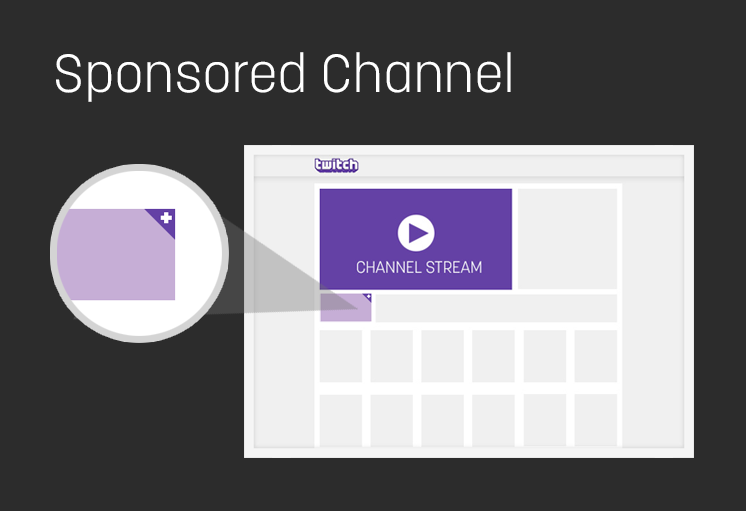
- If a sponsored video is on the front page, it will say “sponsored channel.”
- Tweets and newsletters that feature or promote sponsored content will feature “brought to you by” language.
While these are good rules, they likely won’t completely protect Twitch broadcasters from the aforementioned criticism.
These rules only apply to promotional campaigns that go through Twitch. Broadcasters can still make their own deals with brands independent of the video platform.
And acting as a spokesperson for a company in any capacity could potentially ruin an audience’s trust. If a person is willing to take money from a company to play their game on Twitch or YouTube, they may hesitate to say what they really feel due to the fear that it will keep them from getting endorsement deals in the future.
Gamers already have a distrust of the traditional media. Despite strict ethical guidelines (like GamesBeat’s) that prevent us from accepting money to cover a product in any way, some consumers believe that publishers pay for positive reviews or kind news stories.
Meanwhile, Twitch and YouTube personalities are actively participating in these kinds of shady deals. While Twitch broadcasters probably doesn’t consider themselves journalists or critics, they still deal in the trust of their audience. By accepting any money, they open themselves up to the criticism that they are nothing but a part of the industry’s marketing machine, like actors in commercials who hype one game after another in exchange for cash.
Twitch, at least, seems aware of the issue. But it’s up to the audience to hold them to a high standard.