
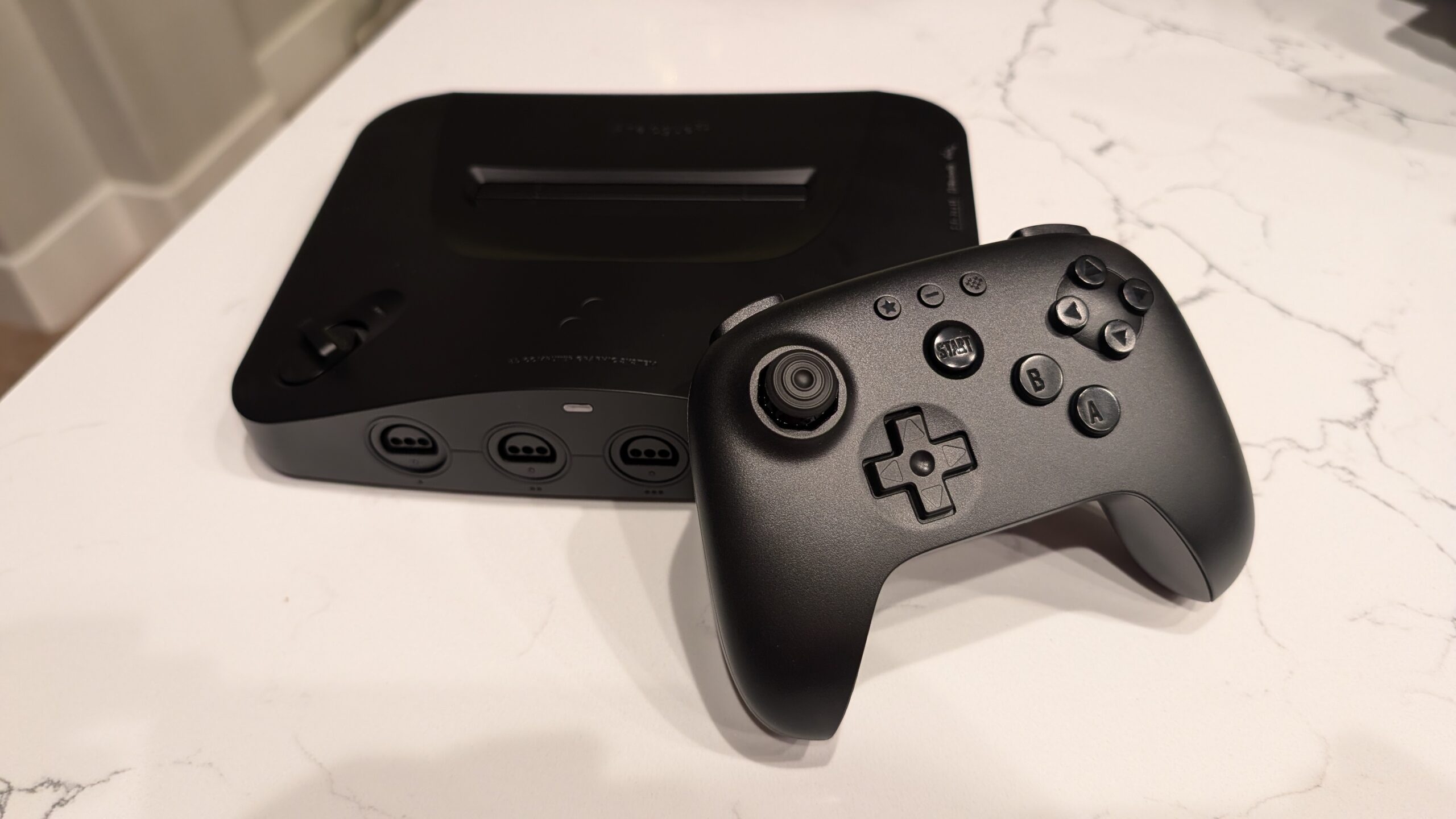
After years of development time and multiple delays, Analogue is finally shipping the Analogue 3D for those who pre-ordered, and they sent us one early to test out. The short version is that it’s an amazing dream come true for ’90s kids like me. The long version? Keep scrolling.
The Analogue 3D is a modern take on the Nintendo 64. That means it outputs up to 4K resolution (that’s 10x the original console), plugs into any modern television via an HDMI cable, takes USB-C for power, has a built-in microSD card slot, includes Bluetooth, has Wi-Fi, will get firmware updates, and so much more. All of that, and it’s 100% compatible with every single N64 cartridge and official peripheral across all regions, engineered entirely in FPGA.
This isn’t emulation, it’s essentially a brand-new, modernized Nintendo 64 console built from the ground up.
Analogue 3D feels like pure magic
As a preface, I am what you might consider a hobbyist retro gamer and collector. In total, I have over 800 physical video games ranging from the Nintendo Entertainment System (NES) and Sega Master System, to the Sega Genesis, Super Nintendo, and of course the Nintendo 64, Sega Saturn, Sega Dreamcast, and lots more. I love video games, and I love the history of video games and the people who make them.
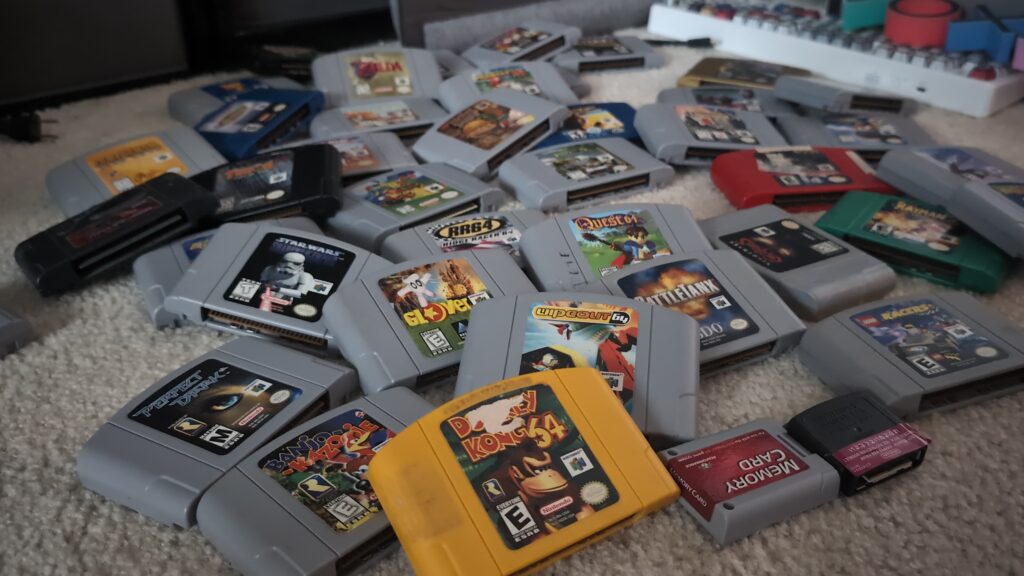
Naturally, I am precisely the target audience for a device like the Analogue 3D. I have over 40 Nintendo 64 cartridges (pictured further down below) and they all still work. However, actually playing them on a modern TV is a less-than-stellar experience.
So, as someone who owns a lot of original hardware consoles and has hundreds of cartridges and discs, I’m very familiar with the struggles of trying to play older games on modern displays. I don’t really have the space or interest in getting a bulky CRT TV, which means I use a lot of upscaling devices (like the Retrotink 2X Pro) and HDMI conversion cords (Hyperkin make the best and most affordable options), but they just don’t hit quite the same.
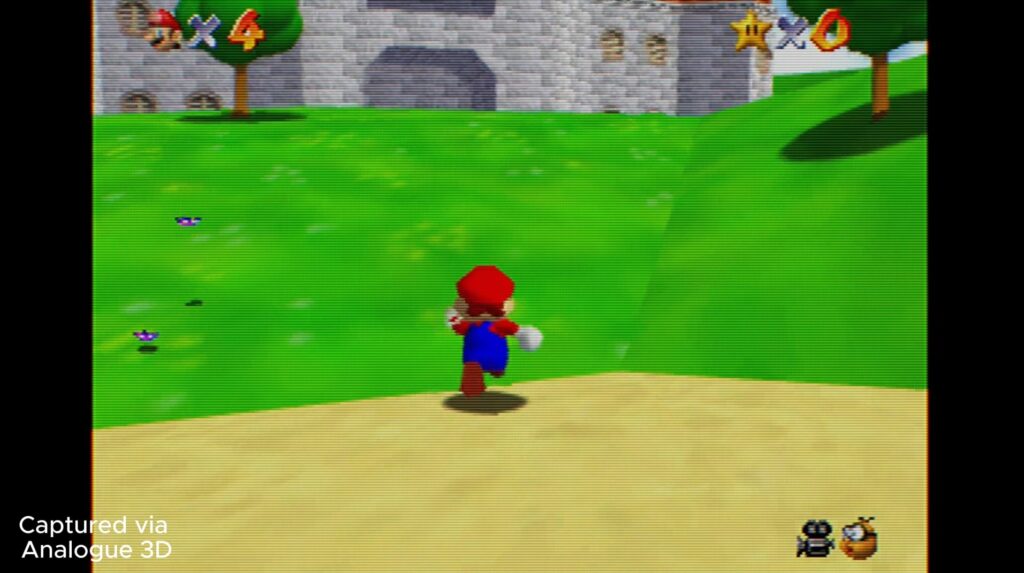
I’ve got my Sega Dreamcast in a pretty great situation at this point now that I have composite cables plugged into my Retrotink—that’s finally able to output a nice, clear image that feels good on a modern TV. But the Nintendo 64 hasn’t had a reasonable option like that.
The N64 exists in this bizarre transitional period of the game industry in that it’s clinging to the past as a cartridge-based game console, while simultaneously existing in the future of 3D visuals and polygons. Storage space on cartridges just didn’t allow for the same amount of definition you’d see in PlayStation or Sega Saturn games, which is why a lot of N64 titles look blocky, blurry, or just downright ugly these days. Especially if the visual signal is getting muddled in conversion and compression, like it is for most folks.
But anyone who grew up with the console likely has incredible memories of huddling around the glow of the TV screen at sleepovers playing GoldenEye 007, Super Smash Bros., and Diddy Kong Racing (which is better than Mario Kart, by the way) until the next morning. The fact that you could plug four controllers into the N64 at that time was a revelation. It became the king of multiplayer—and the games were well-suited for it.
And now, that magic is back once again.
How it works
The folks at Analogue spent nearly four years working on the Analogue 3D to make sure it perfectly captures the essence of the N64. Until now, there was no hardware solution for playing original cartridges. Most modern gamers resort to emulation or are restricted to whatever Nintendo decides to add to the Switch Online subscription service, but that’s not really game preservation—it’s just another gate.
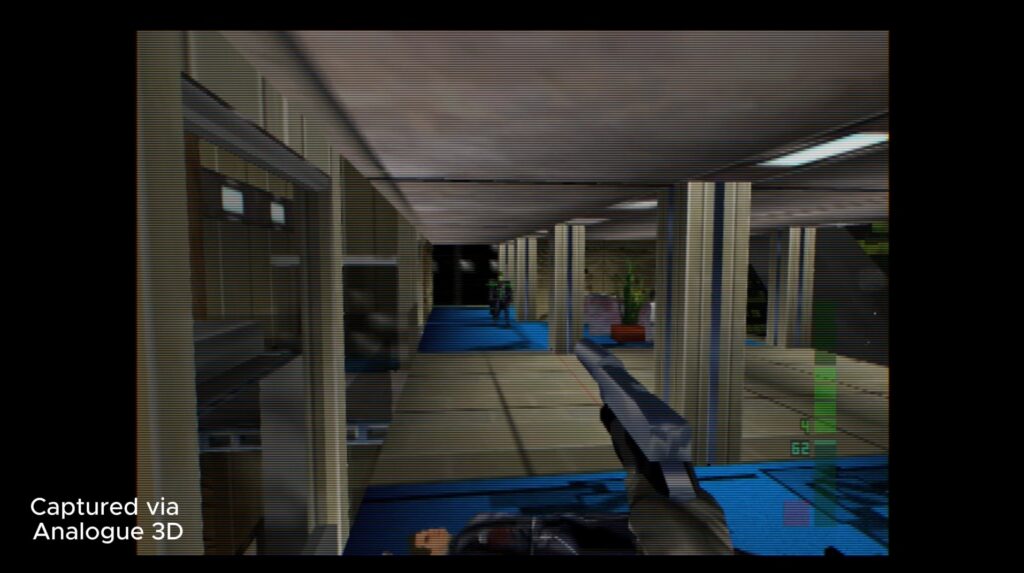
The approach here is focused on accuracy. The best way to describe the Analogue 3D is that it makes the games look and feel just like you remember them.
It doesn’t remaster the visuals or alter things in a dramatic way, which might be disappointing to some, as it instead aims for a faithful recreation. These games still have jagged edges, the character models are still clumpy, and everything still absolutely feels like it was made in the mid-late ’90s (because it was), and that’s the goal here. The benefit is apparent once you see it in action.
One big caveat here, though, is that if you do have an original console that still works and just want to play your games on your TV without dropping hundreds of dollars, then the Hyperkin cord linked earlier is a perfectly decent option. For just $30, it can plug into a Super Nintendo, Nintendo 64, or Nintendo GameCube and output the footage via an HDMI connection.
Options like that won’t be as good of quality as something like the Analogue 3D by any means and have zero extra options or features, but for the very casual nostalgic gamer that found a box of cartridges in the basement, it’s more than passable.
If you’ve ever tried to emulate a Nintendo 64 game before on your laptop, phone, handheld emulator device, or something else, then you’ve probably run into any number of issues over the years. From input latency making games like Mario Tennis unplayable, to graphical and audio issues ruining Star Fox 64, or other performance issues just crushing any sense of fun to be had, the whole library was rife with problems for emulation.
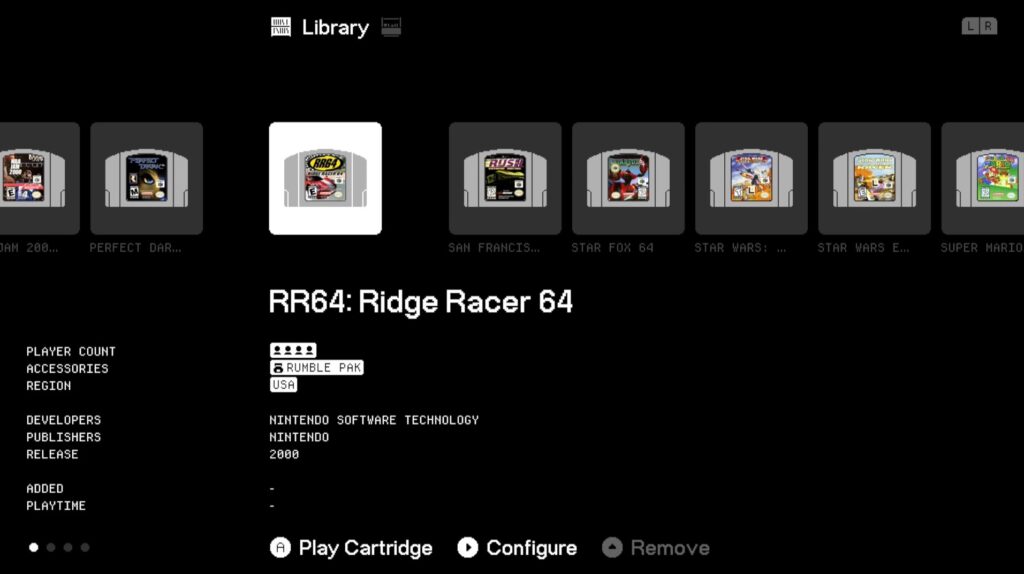
Analogue 3D fixes all that because it’s not really emulating anything—they recreated it from scratch. Full compatibility without compromises.
The Analogue 3D runs on their all-new operating system called the AnalogueOS. Many of its core features, like being able to take screenshots natively or have instant snapshot save states, weren’t available for the early-access review period, but it’s already working great even still.
When you insert a game into the Analogue 3D, the system can read and recognize it immediately; however, I was told by the company that the actual label images won’t be pre-installed on retail units. Users can source and customize those themselves if they want, similar to Analogue Pocket.
Using the 8BitDo controller is great because it has a built-in menu button that pulls up all of your configuration settings on a per-game basis, letting you tweak the image projection settings and tons of other options. I’m not the most tech-savvy retro gamer out there, so I mostly left this stuff alone.
However, I did experiment with switching between the options like BVM, CRT, scanlines, clean, etc., and noticed that they mostly look very similar. Except for clean, that option removes the classic, retro vibe of the output footage and tries to “clean” it up, but the result is an over-emphasis on sharp edges and jagged lines that just don’t look very good.
Overall, I liked the CRT option the best. According to the PR representative, it’s less professional-grade of an output image, but it’s the closest to what consumer-grade CRT TVs looked like back in the day, and that’s exactly what I wanted.
Conclusion: Why Analogue 3D matters
The Analogue 3D and devices like it are extremely important for the industry. Emulation serves a crucial purpose of archiving and cataloguing video games, which is key for preservation—particularly in the case of otherwise physical media that will eventually fail—but it can never match the real deal.
Playing a Nintendo 64 on an old CRT TV is something you can still do; however, it’s becoming increasingly harder. TVs eventually go out, space is limited for lots of people, and consoles themselves suffer from wear and tear. Anecdotally, games that I could never get to work on my original console half the time are working flawlessly on the Analogue 3D.
For all intents and purposes, the Analogue 3D is the best way to play Nintendo 64 games now, and I don’t see that changing anytime soon. It’s like magic, and it’s got me eager to see what they can cook up next.
Analogue 3D sells for $250, but is currently out of stock as of the time of this review. Analogue provided a sample Analogue 3D unit pre-release for the purpose of this review.