
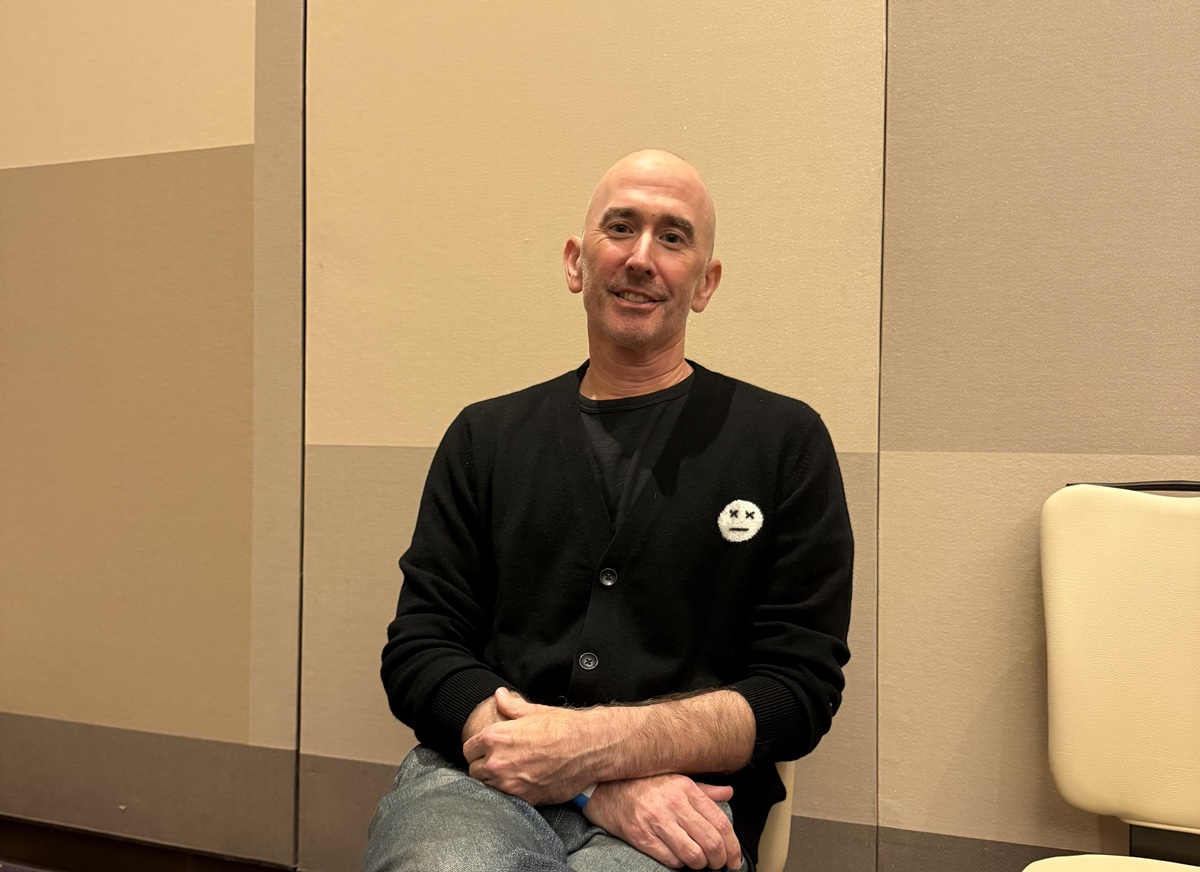
Evan Wells avoided the limelight throughout his career, even though he was deeply involved in some of the most popular games of all time, such as the Uncharted series and The Last of Us. It’s been a while since I saw him win the lifetime achievement award at the Dice Summit, but I thought we had a nice conversation that was worth putting in the record books here.
He joined Naughty Dog as a game developer in 1998, back when the company had around 30 people. He served as lead designer on Crash Bandicoot: Warped. By 2005, he was named co-president of the studio. After Christophe Balestra retired in 2017, Wells became the sole president. Neil Druckmann, who now leads Naughty Dog, honored Wells as he won the lifetime achievement award at the recent Dice Summit. Wells stepped down from the top role in 2023, but he still offers his advice as needed.
Under Wells, Naughty Dog grew to hundreds of people. One of the people Wells hired as an intern was Druckmann, who at the time had no experience in games. Druckmann said that Wells instilled a culture where the best ideas always win, no matter what a person’s status or seniority was in the company.
“Evan never led from a distance. He was always on the studio floor and accessible to all,” Druckmann said. “Evan Wells didn’t set out to become one of the most influential figures in game development. He simply loved games.”
During his introduction speech on the night of the awards, Druckmann mentioned that Wells had declined to receive the lifetime achievement award before. But he accepted it this time because he wanted to honor the Naughty Dog team.
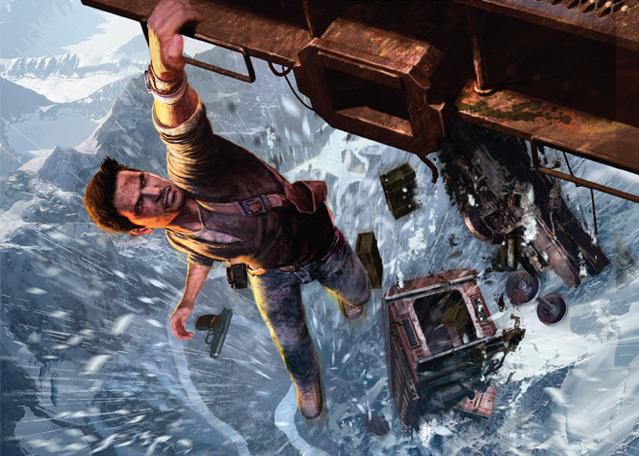
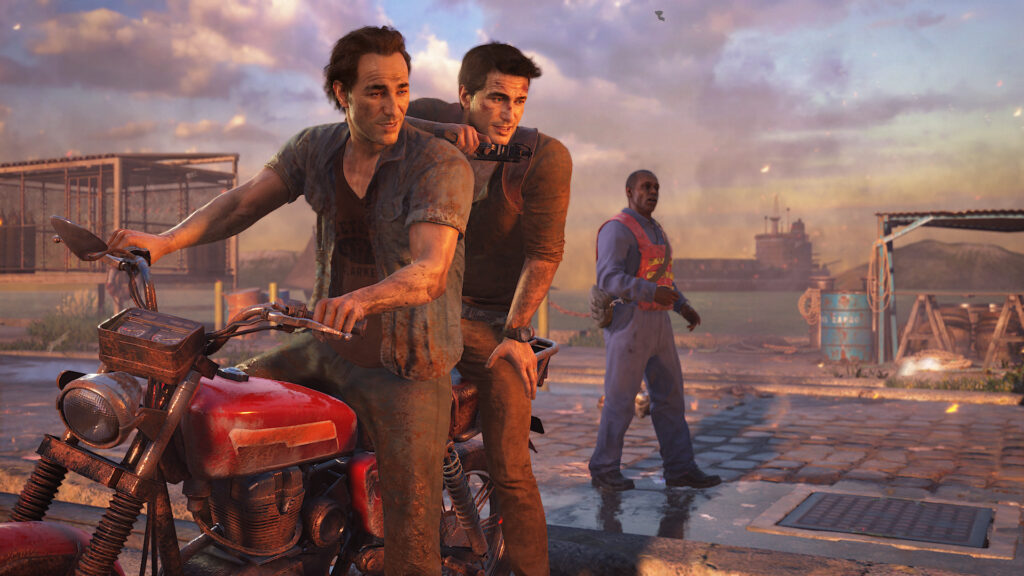
With Uncharted 2, the studio set a new bar for cinematic action. Wells pushed the team to create something deeper, vulnerable and unforgettable. That vision led to The Last of Us.
In his speech, Wells thanked his team and noted how Naughty Dog had celebrated its 40th anniversary. He thanked Amy Hennig, creative director on the Uncharted series, and he also thanked Bruce Straley for teaching him so much.
After he finished, I was able to interview Wells backstage.
He said, “I don’t really like the spotlight like that, but what came to mind was I just really wanted to honor all the people that I worked with that got Naughty Dog this far. I mean, there’s so much history of that studio and so much talent that went into it, so I felt a lot of pressure to get up there and make sure that everybody got thanked properly and got the recognition that they earned.”
I asked him if there was a favorite time at the company. He said he remembered working on Crash Team racing because it was so much fun to play and it was very early in his career at Naughty Dog. He also loved the announcement of The Last of Us Part II at PSX.
“That was a moment that will be burned in my brain. That was a very special moment. The Last of Us Part 2, just because we were making a game about a pandemic during a real world pandemic. That was kind of surreal,” he said.
I mentioned to him that I had played Naughty Dog games going back in time, and I always wondered how the team made the leap from Uncharted to Uncharted 2. The latter was such an improvement when it came to cinematic gameplay and writing. It was on another level.
“All those components were there and Uncharted, but we were wrestling with technology so much that we didn’t really get to execute the vision that was there. It just didn’t quite click. We came to Dice and we were nominated for a lot of awards,” Wells told me. “We lost every single one of them. And we’re sitting around the table looking at each other, trying to keep our chins up. And we said, ‘Never again. We’re going to win one of those thigns. And so we went back to the studio, and we dug in and we made Uncharted 2.”
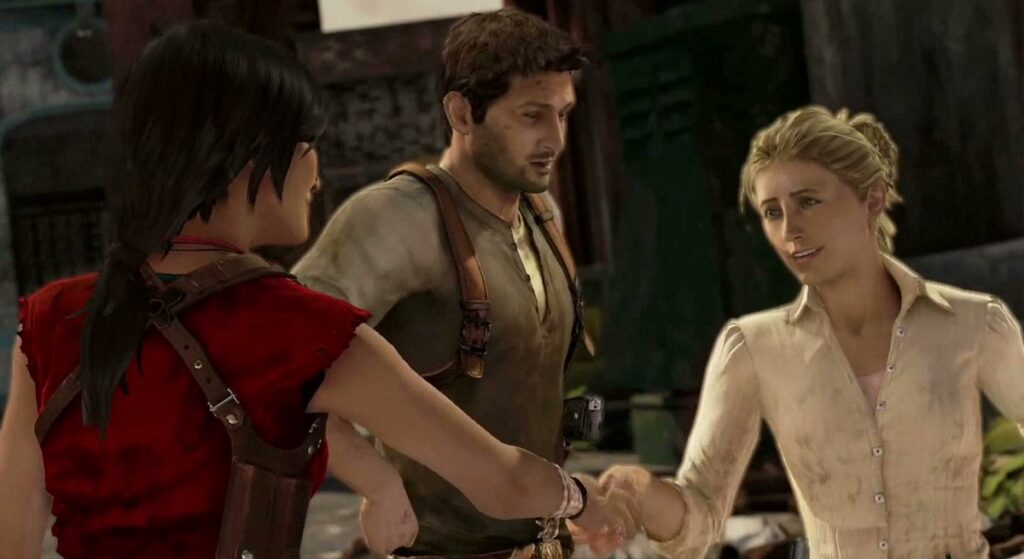
This time, he said, there were more people and the team was building on technology it already understood.
“Uncharted 2 was our opportunity to get it right,” he said. “We try to build on our past successes and leverage the technology we’ve been building. We’re still doing that with Intergalactic. You can trace it all back to Uncharted. It’s 20 years of technology.”
I also noted how the beginning of The Last of Us was so moving and it resonated when the ending of the game came around. The beginning and the ending were like bookends.
“That’s a philosophy that Neil takes with all of the stories that he writes. He looks for the kernel of the game, the message. For The Last of Us, it was, ‘How far would you go for love?’ And so everything that we do in that game always traces back to supporting that message. Are we building or are we doing the work to build that emotional connection so that when those moments hit, they land? And so it’s a constant sort of gut check. Is this decision we’re making bringing us closer to that or straying further from it?”
If it’s a good idea, but it’s not supporting the main theme of the game, then it’s OK to say it’s not for this game, Wells said.
“I think it’s important that we just stay true to that,” Wells said.
Well said it was easier to step down from Naughty Dog because he still gives his advice. The current leaders asked him to mentor and consult, and that has allowed him to support a much smaller group of leaders.