
As advertising takes center stage in gaming, Electronic Arts is leading the charge.
Over the past few years, EA has established itself as one of the most highly invested major game publishers in advertising, offering brands the opportunity to show up inside premium console titles from EA FC to Battlefield. In June, the company launched EA Advertising, a comprehensive advertising offering intended to help brands show up across EA’s portfolio through dynamic, real-time formats ranging from virtual stadium banners to custom in-game content.
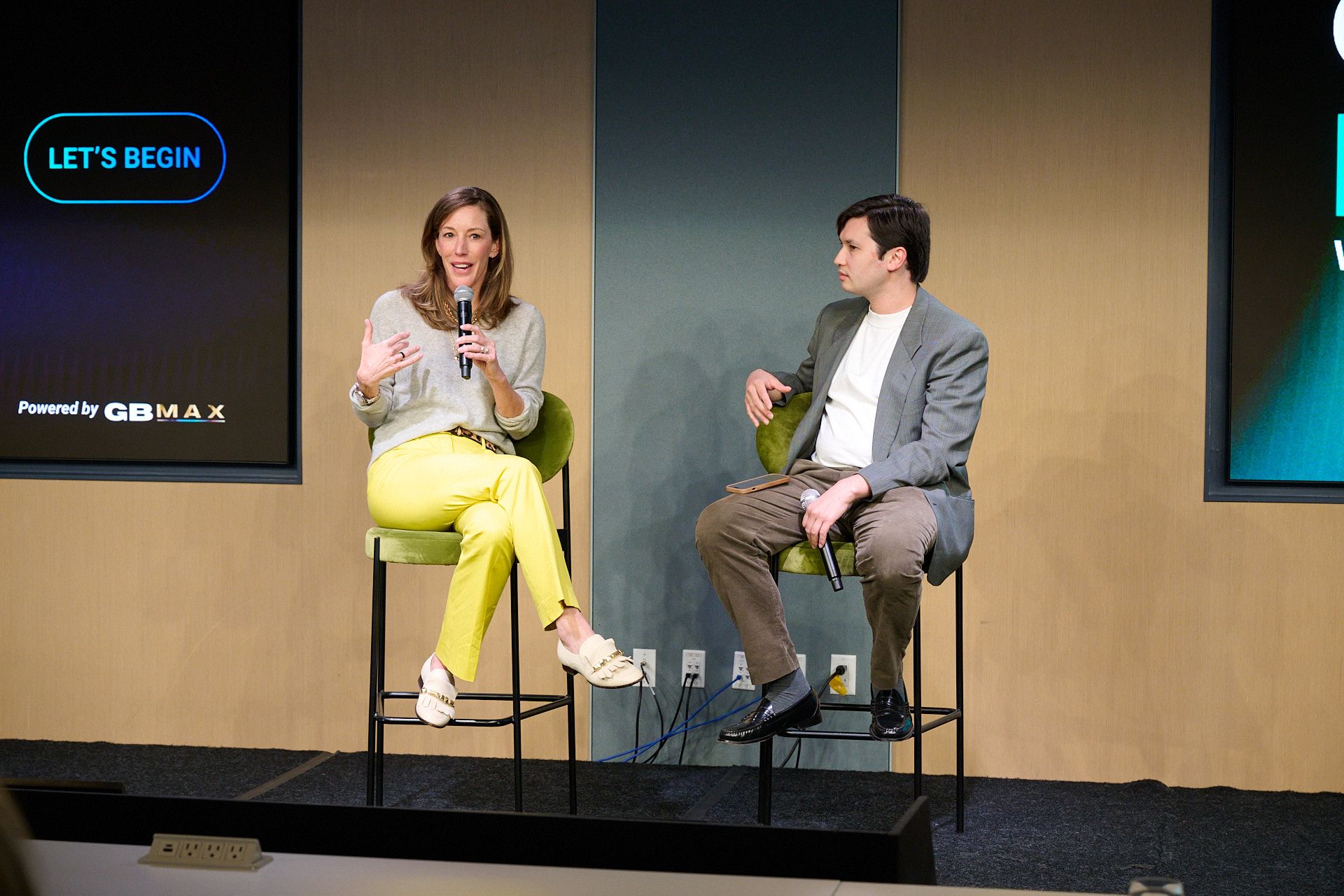
At GamesBeat Next in San Francisco on November 2, EA senior vice president and general manager of global publishing and marketing Andrea Hopelain joined GamesBeat lead news writer Alexander Lee — that’s me — for a fireside chat about the evolution of EA’s approach to ads in games, the goals and strategy behind EA Advertising, and the delicate balance of cranking up ad monetization while preserving players’ trust in the product.
The key shift enabling the launch of EA Advertising, according to Hopelain, was EA’s conscious shift to approaching its games as drivers of community and fandom, rather than simply entertainment products to be consumed.
“Today, fandom is truly four-dimensional. In our world — in gaming — fans want to play. They want to connect with their friends through play. They want to be able to create around that content, and they want to watch, and so the dynamic is changed 180 degrees,” Hopelain said during the discussion. “The participation is key. It’s really those four degrees of participation: play, connect, create, watch.”
Throughout the 25-minute fireside chat, Hopelain stressed that maintaining a positive player experience was the key constraint that her team was keeping in mind while integrating more brands into EA’s ecosystem. She said EA tapped into community councils and player forums to gauge user sentiment about brands and ads, in addition to analyzing in-game activity to tailor messaging to players’ behavior and context.
“When you have 700 million fans that come into your ecosystem on an annual basis and they’re spending 12 billion hours with you, you’ve got to listen,” she said.
One lesson that EA has learned from keeping its ear to the metaphorical ground is that the company can work alongside major tentpole moments and sponsorship opportunities in the traditional sports world to help brands show up inside games in ways that don’t make players bat an eye. Hopelain said EA’s sales team regularly monitored new sponsorships sold by sports teams, viewing them as opportunities to follow up directly with the brand to offer them inventory inside relevant EA Sports titles.
“That is low hanging fruit and like a great natural territory for us,” she said.
EA’s in-game advertising strategy is not limited to tentpole moments. Hopelain said that, in 2026, in-game advertising “has to be” always-on, with EA announcing last month that local advertisers such as the Philadelphia law firm Pond Lehocky would be able to extend their in-stadium ad buys with the National Football League’s Eagles and Patriots directly into EA’s Madden NFL games.
“We’re in this economy today where all of our time is so fragmented and fractured by so many distractions. To win in this market, we have materially shifted how we take things to market,” Hopelain said. “We still do have major tent poles — a big launch, a big live services beat — but it’s the everyday drip of content built very specifically for targeted cohorts of players, and it’s about meeting them in the right moment, on the right channel, with the right message and something that’s personalized to them.”