
With user-generated gaming content on the rise, Melon Sandbox is riding the wave with a uniquely two-dimensional approach — and reaping the rewards in the form of major IP collaborations and increased user numbers.
Five years after raising a million dollars to develop a portfolio of hypercasual games, the mobile game studio PlayDucky is experiencing a boom in user activity driven by its sandbox game Melon Sandbox: a 2D physics-based game in which players can experiment with characters, and items in an open-ended environment, with a Workshop mode that allows creators to design and sell custom content.
4.4 million people played Melon Sandbox on October 24, representing the game’s most-engaged day ever, according to numbers shared by a PlayDucky representative. After surpassing 3 million players in a day twice in 2025, Melon Sandbox has exceeded that daily player count 118 times in 2026 so far.
Melon Sandbox’s creator economy is growing rapidly in 2026. So far this year, 416 creators in 51 countries have received payouts through the platform, according to the PlayDucky representative, with the top creator earning over $111,000 over the past 10 months. In October, Melon Sandbox paid out a total of $158,000 to creators, its largest monthly creator payout ever. So far this year, creators have earned a total of $1.29 million through Melon Sandbox’s UGC economy — a 95-percent increase year-over-year.
“We’ve already doubled them this year, and we expect the game to grow even more,” said PlayDucky co-founder Alisher Yakubov in an interview with GamesBeat.
Yakubov and his PlayDucky co-founder Ivan Fedyanin framed the two-dimensional nature of Melon Sandbox as a key differentiator for the game amid the wider rise of user-generated gaming content, which has largely been driven by activity on three-dimensional platforms like Roblox and Fortnite.
“We don’t compete with Roblox; we don’t compete with Fortnite. We just have a different approach on the same type of fandom,” said Fedyanin, who serves as PlayDucky’s chief product officer, in an interview with GamesBeat. “Many of our players are players of Roblox, and it’s good because the more Roblox grows, the more we grow. And at some point, I hope that’s vice versa.”
PlayDucky has big plans for the future of Melon Sandbox. In September, the company released an online mode allowing for social play; by the end of November, it plans to introduce additional new features like a unique avatar system. To support this vision, the studio plans to staff up over the coming year in key areas like development and user acquisition.
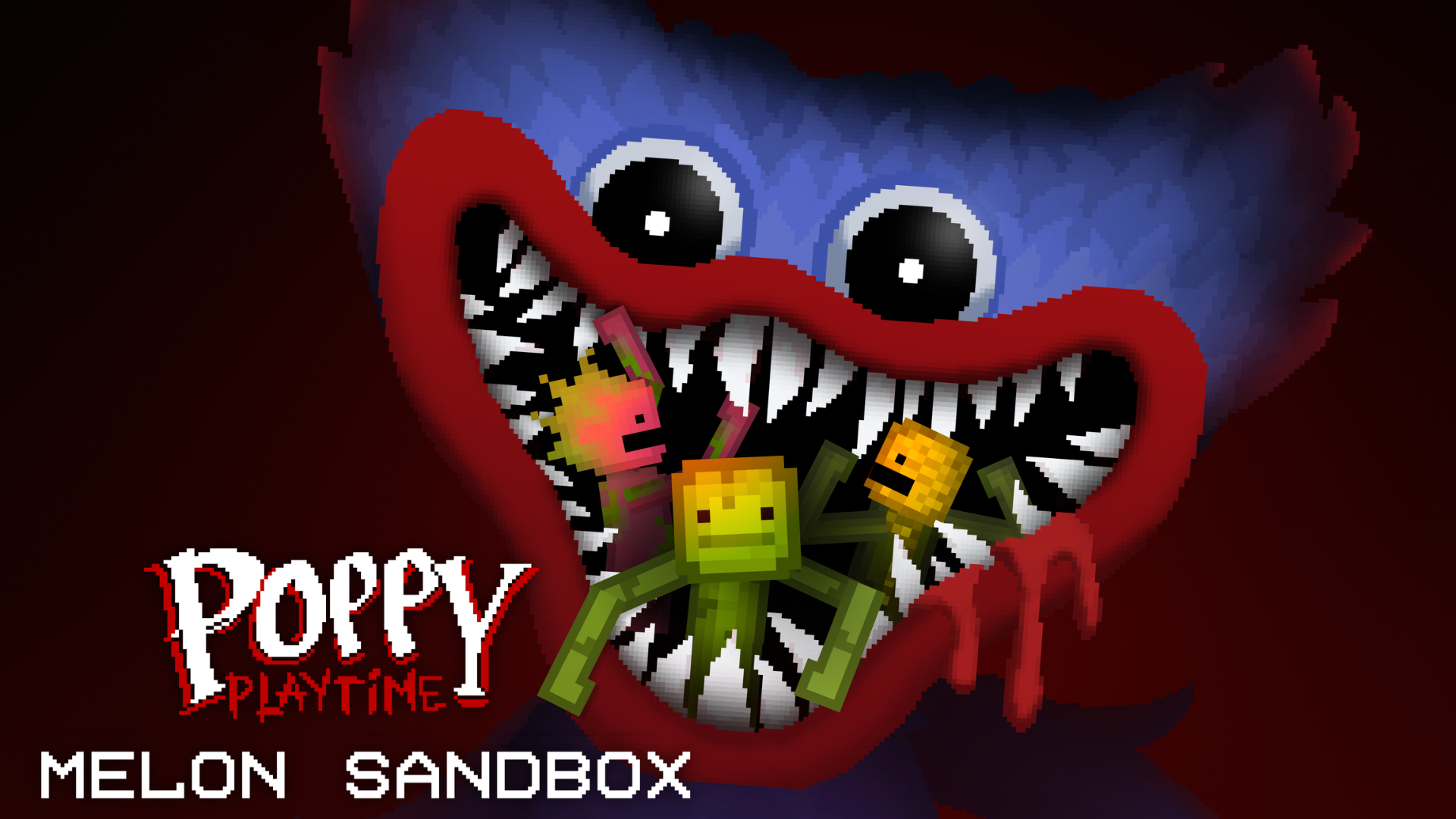
Like other UGC platforms, Melon Sandbox is also dipping its toes into IP collaborations, partnering with the popular horror survival horror game Poppy Playtime to include some of the property’s iconic characters in Melon Sandbox for a limited-time activation that ran between October 23 and November 2.
Fedyanin said the collaboration between Melon Sandbox and Poppy Playtime had been in the works for about six months. The event has been Melon Sandbox’s most successful limited-time activation yet, tripling the traffic numbers of the game’s past events and risking crashing the game’s servers. 8.2 million players participated in the event over its 11 days, with in-app purchases on the platform doubling during that period compared to the preceding two weeks, according to figures shared by a company representative.
“We’re very into hearing the community and what they would like to play,” Yakubov said. “This is why we’re understanding what IP or what other features we want to add for the users to flourish.”