
When it comes to making esports history, Team Liquid is often a big part of it.
Team Liquid, started by Victor “Nazgul” Goossens, is an institution in esports that’s been around since 2000. Steve Arhancet joined in 2015 as co-CEO of the Los Angeles esports organization as it merged with Team Curse. The organization is one of the most successful in esports, holding a number of industry records.
Team Liquid and Dell-owned Alienware are celebrating their 15th year as partners in esports, and they just renewed the partnership through 2031. It has an option to renew for two more years, and it is the longest-running hardware partnership in esports.
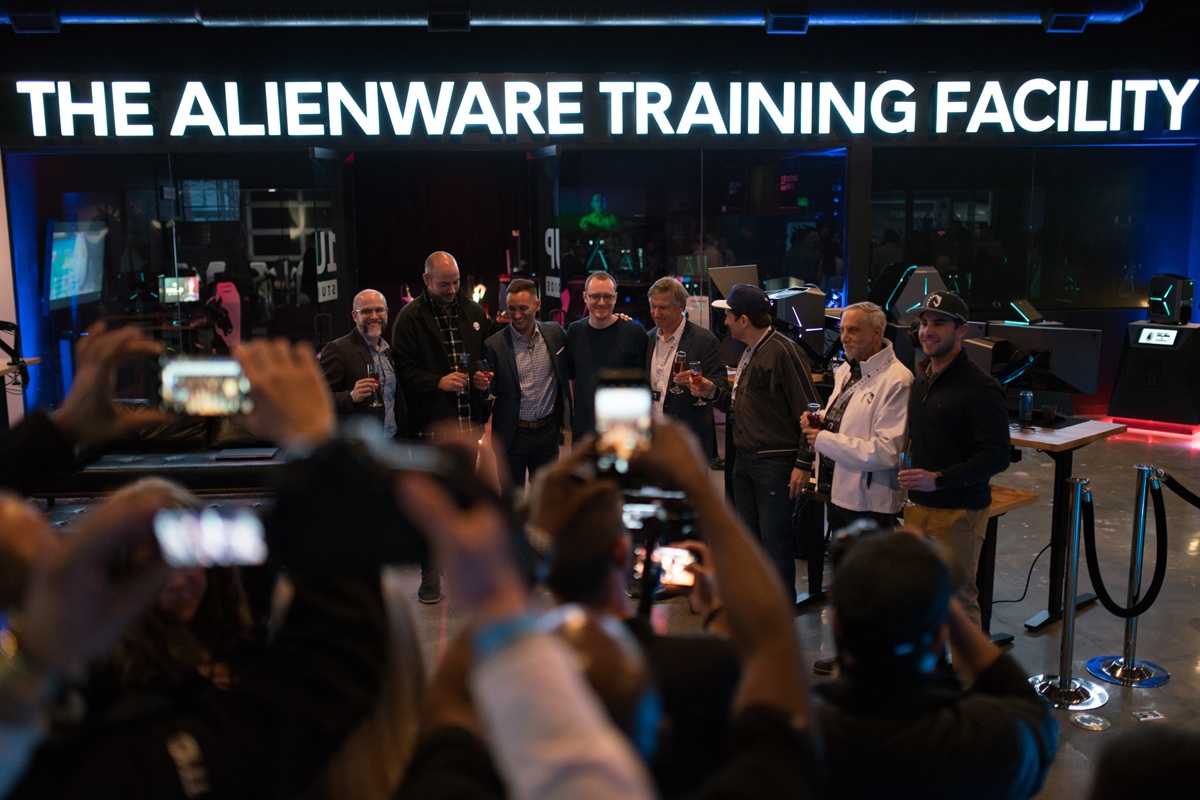
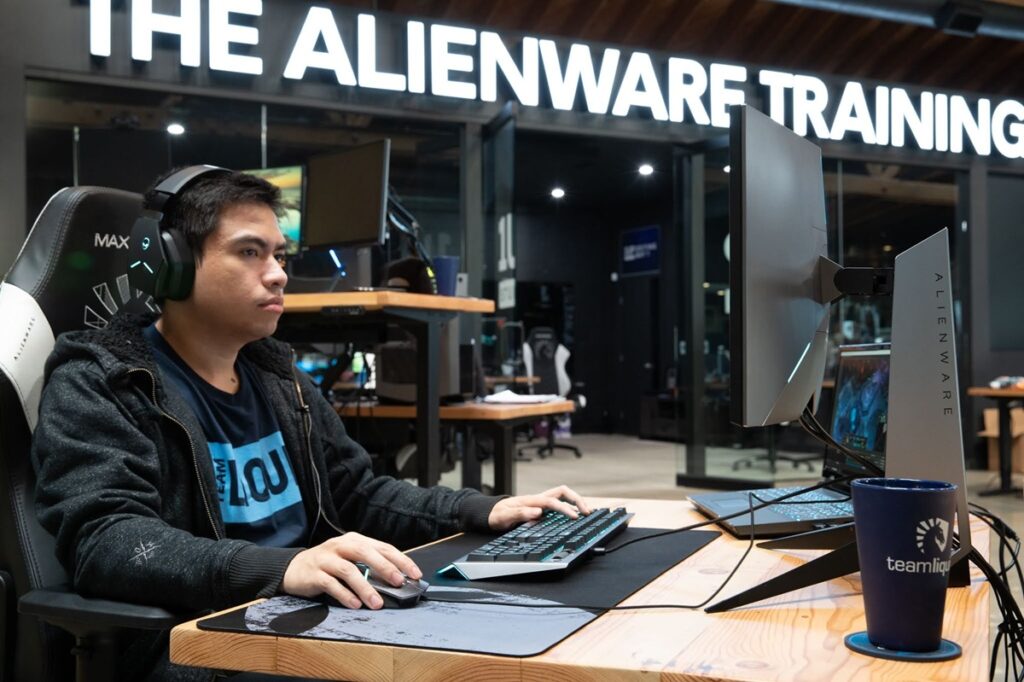
I was there when Alienware partnered with Team Liquid and built a new headquarters, creating a state-of-the-art training facility with Alienware hardware. It had its own chef and helped esports teams graduate from living in frat-like houses to operating in professional buildings. Now there are three such Alienware Training Facilities around the world in LA, Sao Paulo in Brazil and Utrecht in The Netherlands. The focus is always on a scientific approach to winning esports matches and training esports athletes to be the best, physically and mentally.
Now the partnership is 15 years old, and both Alienware and Team Liquid have survived multiple “esports winters” together when the entire industry was under pressure. Times are better now with the Esports World Cup and the soon-arriving Esports Nations Cup — backed by the Saudis — have helped stabilize the finances of esports teams. Team Liquid has come in second place twice at the Esports World Cup in the last two years. It’s still waiting for its first win in EWC 2026.
Team Liquid has also won four trophies in a row at the World of Warcraft esports tournament, Race to World First, where teams compete to be the first to beat the final boss in WoW’s Mythic raids. The organization is gearing up for its 5th consecutive win at the Race for the World First on August 18. They’ve already won seven titles for Race to World First altogether.
I spoke with Steve Arhancet, a legend of esports and co-CEO of Team Liquid, and Maxx Cavanaugh, who does product communications for both Dell and Alienware. We covered a lot of ground, starting with the history of the partnership and some of the history of esports.
Here’s an edited transcript of our interview.
Maxx Cavanaugh: Team Liquid and Alienware are inking a five-year contract extension. That puts us into 2031, cementing us as the longest hardware/team partnership in esports at about–I think we’re at 15 years this year. When that five years is up it will put us at the two-decade mark. Pretty exciting stuff.
GamesBeat: I remember the 2018 visit I made to Los Angeles. I talked to Mike Milanov (former COO at Team Liquid) at the time, as you were building the training facility. You had a bunch of Alienware machines going in. But the partnership goes back seven years earlier than that? What’s made this partnership last so long?
Steve Arhancet: The partnership we’ve had with Alienware has created so much value – and first and foremost, not for us, but for the community. That mindset, focusing on–whether it be League of Legends or Counter-Strike or DotA or any of the 25 games we represent, we’re building and doing things to service the needs of each of these unique communities. We all know that they’re very different. We’ve stayed focused on that.
Number two, even before ourselves, has been the players. We have a strategy at Team Liquid that our relevance will be maintained for generations based on one thing. It’s not following fads. It’s not having the top creators. It’s winning. We believe that by winning, we will be talked about, because we’ll make the finals a lot. Alienware has helped us deliver on that strategy and that mission. Part of it is the obvious things, like providing us the absolute best, top of the line needs that any pro gamer may want, whether it’s an Area 51 or Aurora or mice and keyboard and headsets. Phenomenal monitors. You can’t give a wooden racket to Serena Williams and expect her to win. That’s been a key part of it.
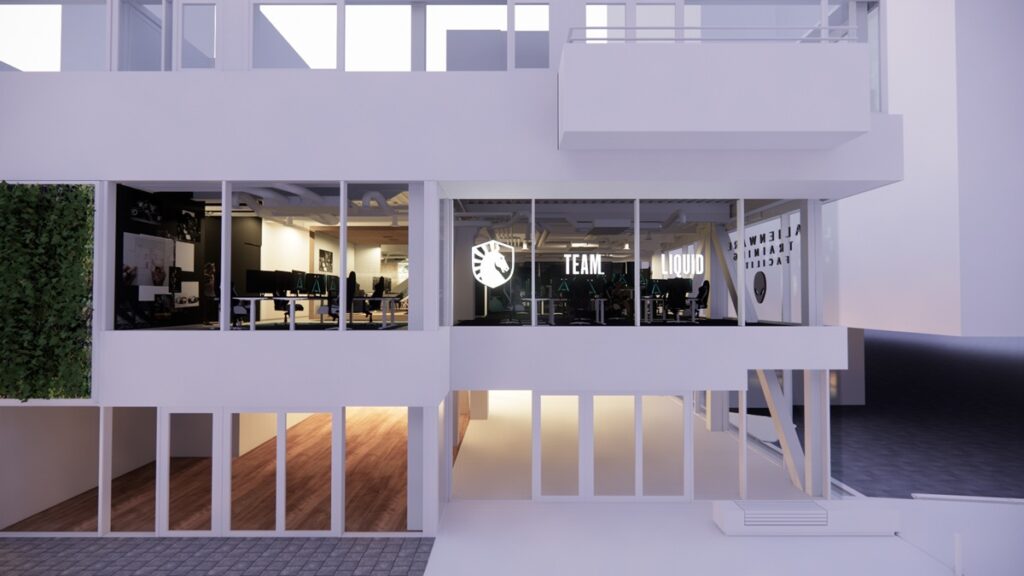
But it’s also been our facility, going back to what you mentioned. What were things like before teams had places for their athletes to work? They were in houses. You remember that. Alienware was the first that said, “Hey, let’s level up. Let’s build a facility where we can train and practice.” That’s had a massive impact on winning. Not just in North America, the facility that you were at, but also expanding that globally to meet the needs of Team Liquid. Now we have our facility in Utrecht, the Netherlands, which is beautiful. We have another in Sao Paulo, Brazil, in a beautiful community that’s 30 stories tall. We have facilities in Manila and Jakarta, and a small space in Washington, D.C. All of these places are where the training happens to win.
It’s a combination of all these things that have created value for our players and our community. Speaking for myself, we couldn’t have reached the position we’re at in esports as the winningest team, the most watched team over the last decade, the highest prize money, all the championships–back to back to back to back championships in League, or the fourth consecutive win in Race to World First in World of Warcraft, or achievements in MLBB with domestic and international titles. The grand slam in Counter-Strike. Winning the International twice. We couldn’t have done it without Alienware. That’s a fact.
Speaking for Alienware, the association for Alienware within esports and gaming is so strong because of Team Liquid. When people think of a facility, they think of the Alienware training facility. It’s become so powerful within the industry and space – to players, to developers, to creators and talent. The brand equity that has permeated, that’s with the help of us and the winning that we’ve done.
GamesBeat: Those training facilities, have they helped you recruit the best esports players?
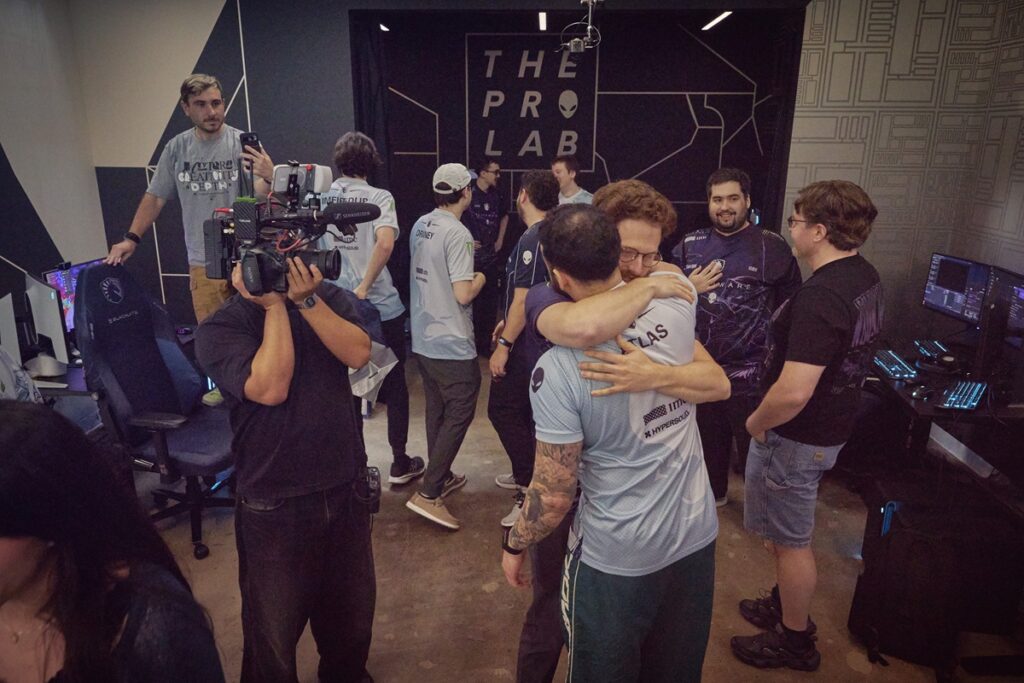
Arhancet: That’s right. The facilities are one component of it, an important part, because we bring in players–we almost have a combine testing structure. Through our partnership with SAP we do a lot of analytics with our players. We do a lot of testing and data collection on everything they play in solo queue, everything they do when they play scrims on site. All that data is organized and analyzed. We develop insights to make decisions on players. There’s the Alienware Pro Lab, which is a component of some of our facilities, where we have all the tech and biometric ingestion that we do. Eye tracking, heart rate monitoring, sleep Oura Ring kinds of things. We do that in the Pro Lab to gain insights to level up our performance. Alienware has been critical in assisting with that.

GamesBeat: What’s made Alienware stick with this so long?
Cavanaugh: It’s interesting, because it’s a two-way street. It’s a feedback loop. We work directly with the esports professionals across the rosters at Team Liquid for direct input and criticism on product features that we’re developing. We’ll have Team Liquid professionals visit our space just as we would visit their space, all across the world. One event just happened this month for a future product set. Everything down to how light a mouse should be, what the sliders on the bottom of the mouse should feel like, so you don’t get hung up when you’re hitting flick shots. Where should the actuation point be on a key switch? What active noise cancellation is needed for good comms in a chaotic moment where there’s loud noises around you?
All these things get brought to our product team and they work through it, because we want to make sure we’re hitting the mark. Not just at a premium consumer level, where we reach the casual gamer, but also making sure we provide the top level, elite professionals, or those who are striving to be professionals, with the equipment they need to win. That feedback loop is an ongoing way for us to better our products so that they can stay at the top of their game.
Race to World First
GamesBeat: Was there a reason you chose Race to World First as a way to celebrate the partnership?
Cavanaugh: Just seeing the sheer volume of excitement and anticipation for a coveted event in this community–I’d have to pull the number up for what the race did in March, but it’s staggering. There is obvious excitement around it. We knew that this was a moment that Team Liquid fans, Alienware fans are all waiting for. Us having this exciting milestone in our partnership, this was the right time to do that.
Arhancet: We’ve won the last four races, and we feel pretty good about the fifth. So yes, athletically it’s cool to have that crowning achievement, never been done before, happen alongside Alienware. Also, Max is right. The numbers are pretty insane. There are actually two broadcasts. There’s one that we own and operate. We set up a whole production at the facility. We have an analyst desk and all that stuff. That broadcast alone did a little under 6 million watched hours. It was 170 broadcast hours. It’s very long. It varies depending on how long it takes to win the race. The whole race combined, if you add not just our owned and operated channel, but all the channels, was more than 12 million hours watched, and approximately 1.3 billion social impressions. That equates to something like $15 million in earned media value. It’s really significant as a media property.
What’s interesting about the race is how pervasive it’s become in the WoW community. I was at BlizzCon, the last one. People there had Race to World First Team Liquid apparel on. More than what was just sold at BlizzCon. It’s become a cultural moment. That’s why it galvanizes so much love and attention from WoW players around the world.
GamesBeat: For outsiders who don’t know the game so well, why do you think it’s become so popular? How has it become an esports event? It’s a different kind of experience from a lot of competitive games.
Arhancet: Yeah, a bit. I think one quality associated with that is the age of the game. World of Warcraft came out quite some time ago, around the birth of the internet. We’re talking about something similar to StarCraft and such. World of Warcraft, in the west, became mainstream to some degree. Understanding it, being able to reference it. The gamers who played then have aged. They may not have the time to play like they used to. But they’ll tune in and see what’s happening with the race. That’s created a snowball effect, because of the history of the game.
GamesBeat: How many years has the race been going on as this kind of esports event?
Arhancet: That’s a good question. I know we’ve won a total of seven of them. I’d have to research that one.
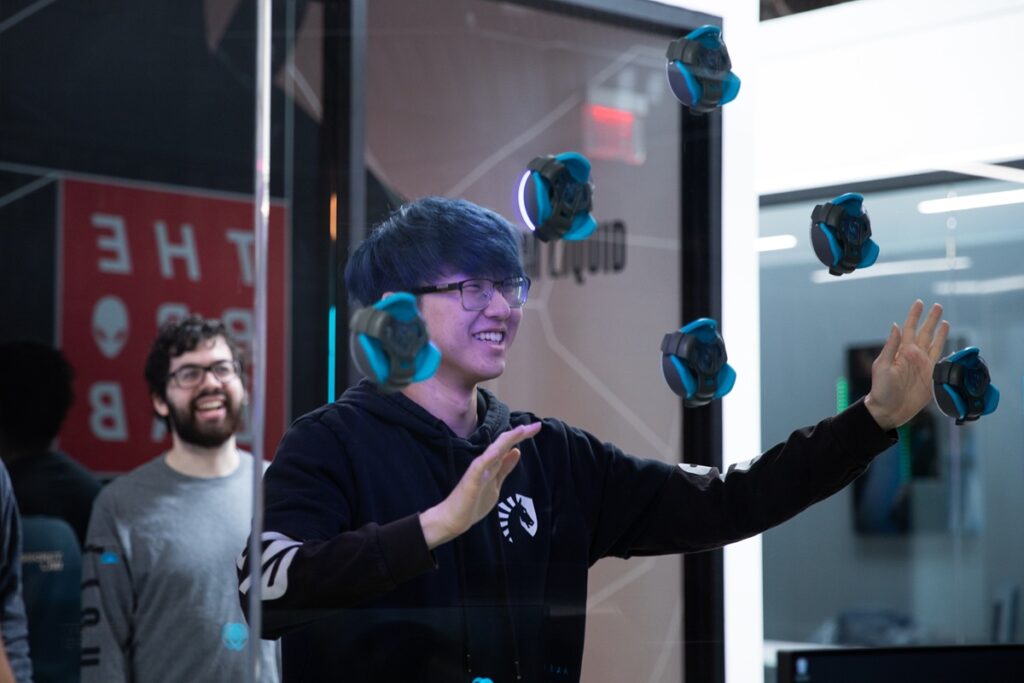
GamesBeat: It’s kind of a shared experience for you guys, to go on this journey for 15 years now. What’s your view on how esports has changed in that time?
Arhancet: Esports has really transformed over the last 25 years. One aspect of that is the diversification of games. As I mentioned, when you had the birth of the internet, there was only a handful of games that you could play online. The folks that were gaming back then were concentrated on those titles. But as time passed, the market became way more competitive. Obviously there are many more games that are played now.
Esports viewership has become increasingly diversified by genre. You’ll have very popular titles like Honor of Kings in China, which as you know broke the Guinness record with more than 62,000 people in a stadium cheering for a mobile game. League of Legends just released world championship tickets for sale–I think last week? They sold out in two seconds. Tickets were being resold for up to $20,000. The average price, the last time I looked, was more than $2,500. When I just checked now it was at least $2,000 per ticket. We’re talking about World Cup pricing associated with buying a seat at the League of Legends world finals.
I could go on and on. Each of these games has its own fanbase that doesn’t cross-pollinate. A gamer that watches Call of Duty may not also watch League of Legends. When you look at it from a game to game perspective, you sometimes lose track of the fact that esports viewership as a trend, over the last decade, is up and to the right. If you look at another really interesting metric, which is how much money is generated from digital goods sold in games and then distributed to teams and players, esports-related digital goods, that number is staggering, if you add all the different games together.
For me, esports is still in its early years. It’s definitely a growth area. There are more gamers. There are more people watching video games. There are more developers. There are more titles. All this makes it difficult to measure, because it’s not concentrated in just a few games. People sometimes lose sight of that. But the numbers are showing that this is a phenomenal space to be in.
Cavanaugh: Aside from the growth of not only titles, not only endemic and non-endemic brands getting into sponsorships–especially on the Alienware side, we’ve invested a lot of resources into that pipeline. There are more institutions now than ever providing curricula surrounding esports. Production, casting, things in the area where back in the day there wasn’t enough money to go into it as a profession. Now we’re building that pipeline all the way from the high school level into our gaming lounges across the country. We’re at eight now, collegiate esports lounges. That’s to support their curricula, to support their varsity teams competing in esports titles. With the League of Legends collegiate combine we run with Team Liquid, we’re providing collegiate level access for player development to get to the professional level.
Things that just weren’t available back in the day, now that we have more money and more resources, they’re becoming more widely available. It goes to show that two industry titans and pioneers–it’s more important than ever to use that to say, “Look how far we’ve come.” We’ve battled through all these highs and lows over all this time. It’s pretty remarkable to see where we are now.
Surviving multiple esports winters
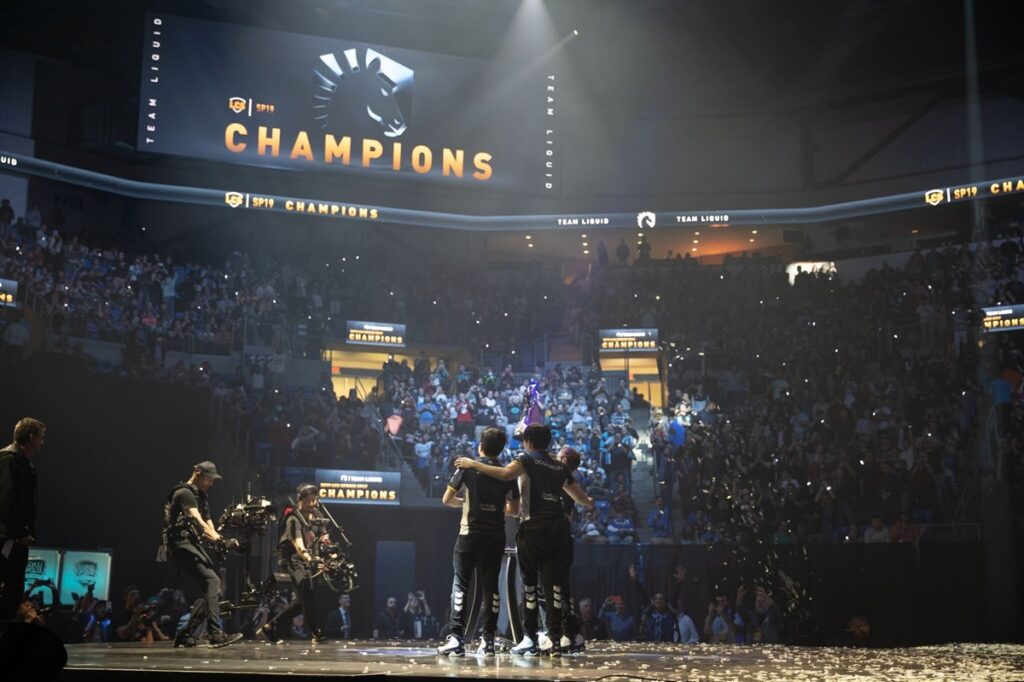
GamesBeat: You’re business partners and this is a business relationship. How do you make it through something like the “esports winter”? I suppose we’ve had more than one of those over the years. You’ve come through the lows in the industry.
Arhancet: It’s a combination of a few factors. One, it has to do with the management at Team Liquid. We’re able to thicken through the winter. We’ve made great decisions about what leagues to participate in, or not. For example, we decided not to participate in the Overwatch League and the Call of Duty League originally, back in 2015. But we did decide to participate in the LCS. Decisions like that put capital to the appropriate places that we felt were strategically aligned and sustainable. Deciding about what to do and what not to do has been part of that.
The quality of our board is another one. When I compare us to other esports teams, our board is made up of myself, Victor Goossens, Peter Guber, and Ted Leonsis, who are part owners of the Dodgers, the Golden State Warriors, and then Ted with the Capitals and Wizards. The reason why we made the decision to go with them was because they were aligned with the horizon that we felt was with the mission of Team Liquid. We wanted to be a multi-generational global leader in esports. If we had decided to go with, say, a venture capital group or private equity or institutional investors, they may have expected a return or liquidity event on a shorter horizon than what we decided on at Team Liquid. That’s allowed us the flexibility to make great decisions with our board.
Winning is another big piece of that. All the accolades, being the most decorated team, has really helped. Finally, and most important, it’s the partners we have with us. We couldn’t do this alone. When I think of finding the right partners for Team Liquid, it’s not who is paying the most. It’s who is providing the most that I can’t do myself. For example, with Alienware, I need to ensure that our players have the best equipment, end of story. Anything less is unacceptable.
As Max mentioned, I’m actually here in Singapore. I was meeting with the product group at Alienware. Some of the things that I got to see, my jaw hit the floor. This is so on the nose perfect. I was kind of geeking out. They just get it. It makes so much sense. The design of a mouse or the way a keyboard works–I guess I shouldn’t share too much. But the design and thought that goes into that is critical. With any great partnership, when we’re aligned together on winning and solving the needs of the gaming community, it allows us to make it through. Some of the teams that no longer exist today, that didn’t make it through the esports winter, those are the organizations that didn’t have the qualities of Team Liquid and Alienware.
The RAMpocalypse
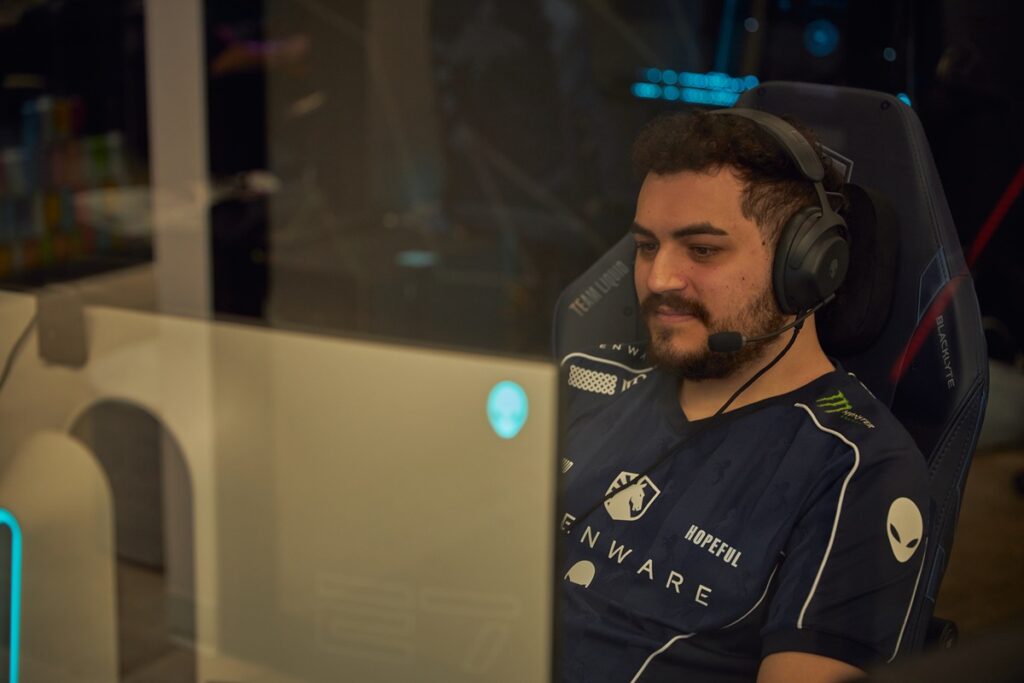
GamesBeat: Max, you guys have similarly made it through tough times and stuck with this partnership. What’s kept you involved?
Cavanaugh: It’s critical, not only when it comes to this partnership but just in business–the RAMpocalypse that’s happening right now is affecting every consumer. It’s a tough time to be in the market for gaming equipment, or any consumer tech in general, and also for the makers of those products. There’s been a lot of navigation for us as far as how ambitious we want to be in creating the products that we know folks will love, both casual gamers and competitive esports gamers.
To Steve’s point, it’s making sure that we’re giving them everything they need to win. It goes all the way down to having a monitor that has a specific measurement device where you can have it on the main stage, and the gamer who is very particular – everything has to be in the exact position as where he practices for hours on end – it’s ready and waiting for him, easy to use. Decisions like that–we’re focused on the premium competitive gamer, but at the same time, we’re weathering the storm of, if this comes in at a higher price depending on where a volatile market settles–it’s tough to forecast that.
We’ve luckily gotten through most of the winter so far. But you never know what tomorrow is going to look like in this market. It’s good to be the premium brand that’s delivered for a while, to have that brand affinity with the gaming community. But it’s a day by day situation. This industry’s fun.
The Esports World Cup and the Esports Nations Cup
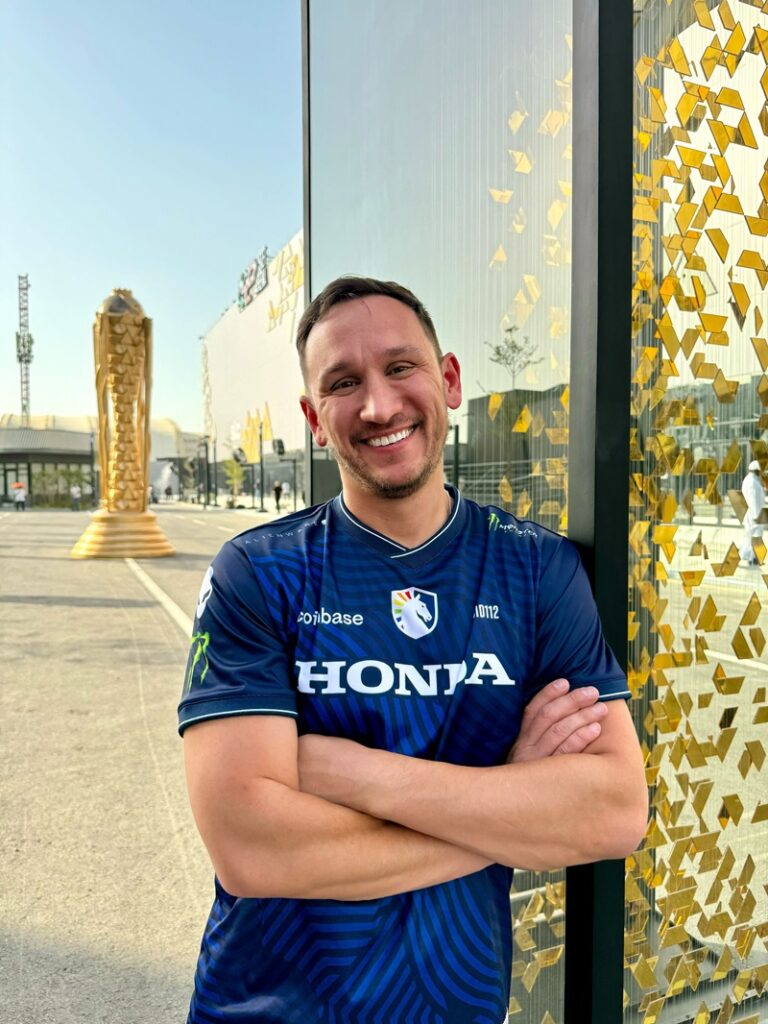
GamesBeat: How do you view the importance of some of these new structures now, like the Esports World Cup and the coming Esports Nations Cup?
Arhancet: The Esports World Cup, there’s nothing like it. A two-month tournament that spans more than 20 titles, that showcases the best organizations in esports and their ability to produce winning results, is unheard-of. The closest I can think of in terms of an analogy would be the Olympics, with different types of events. Logistically it’s a Herculean effort to pull off. The World Cup has done a pretty phenomenal job at that. Over the last two years we’ve finished second consecutively. We’ve been able to showcase the breadth of our organization across so many different titles. It was kind of built for us, in many ways, for our strengths as an organization, being both global and in so many different games.
The pivot on location from Saudi Arabia to Paris has been, at least from my perspective, really good for the Esports World Cup. Not only was it welcomed by President Macron, but being in Paris and seeing Esports World Cup banners at Charles de Gaulle airport and all throughout the city–you want to pinch yourself, right? That’s where we are today versus where we were playing Civilization and Myst and DOOM on our computers. It’s pretty cool. It opens up the opportunity for the Esports World Cup to maybe be hosted in other locations around the world. Maybe one day it’ll draw the same level of interest as the World Cup, international events like that.
The Nations Cup–there’s something to be said for having pride in your country and watching esports players from your region join together to play. I think that will only add another layer of audience that might not watch the regular esports leagues and tournament circuits for particular games. That’s good from an overall audience growth perspective. It’s challenging, as a team owner, to participate alongside the Nations Cup. But I think the same could be said for any sports team owner that has their players go and play in the Olympics or any other international event. They get kind of loaned out for that event. That has implications associated with sponsorships and commercialization and advertising and rights that make things complicated, but it’s doable.
The future of esports
GamesBeat: Do you foresee continued growth for esports, or do you have a different forecast for the industry’s future?
Arhancet: If I look at the metrics associated with quantifying the overall growth in esports–I look at a handful of very specific things. One, I look at overall viewership across all esports titles, globally, added together. What is that number, and is it growing or flat? Every year, that stat is up and to the right, growing considerably. That’s a positive sign.
Number two is how gaming is becoming more ubiquitous in day to day culture. In many regions of the world, the accessibility of mobile devices, PCs, and consoles is also up and to the right. Daily usage time is up and to the right. That’s across almost all age categories. The net is that more people are gaming than they used to. It’s become more accessible. Esports will always be a percentage of that total. Not all games are competitive or fun to watch as esports, but some are. As we’ve measured that number, that percentage, it also looks very good.
There are varying degrees depending on what part of the world you look at. You might find faster growth in some countries. You see a bit of a trend line that’s happening around more viewership for mobile games in some areas of the world. But you still see very strong growth, especially in the west, for PC games. These quantitative numbers give me and give us a lot of confidence that esports is still in its early years.
GamesBeat: I liked seeing the new esports fairy tale of that 15-year-old Chilean kid winning Street Fighter 6 at the World Cup.
Arhancet: What’s really something–this is just an anecdote, but I remember growing up in Leesburg, Virginia, which was a small town out in the country back then. My parents would watch the Super Bowl every year. They were big 49ers fans. They would sit on the couch and literally scream at the television. I’d walk by and think, “Why are you so crazy?” It didn’t make sense to me. I couldn’t have cared less about sports at the time.
I think we’ve gotten far enough along in esports where folks like myself, who were around at the birth of the internet and are now in our 40s, have kids that hang out on the couch with their mom or dad and scream at the television. But what are they watching? They’re watching the League of Legends world championship. Those moments are happening. They really are. It takes time for a generation to love a game, love an esport, love a team, and then pass that on. It’s happening now. That will only further drive the viewership for esports, but also the discretionary and buying power of the audience.
There’s a reason why League of Legends tickets are being resold for $2,500. It’s because League of Legends has been around for more than 15 years, and the person buying that ticket has more discretionary buying power than they did 15 years ago. They’re willing to drop that to go watch the League finals. That’s a really interesting statistic that’s also part of this equation.
It’s also related to Alienware being a high performance, best in gaming laptop or PC that you would want. We spoke a bit about the demand and some of the challenges associated with chips and supply and so on. My take is that the demand is there. But what’s happening, it’s like a dam. It’s all getting caught up. “I need to go buy a new rig, but I can’t afford that right now. I’ll wait.” There will be a time where that dam releases. The numbers support that people do want to have a high-powered personal computer in their home.
In the era of AI those computers might also provide the power people want, the security people need or want, in order to run their own agents and do the agentic workflows they might want. As the consumer market and those behaviors coincide with the gaming market, I think Alienware sits in a really nice position to provide the type of products that are needed for the consumer market that I think is coming.
Cavanaugh: It’s pretty cool to see. One of my favorite titles, ever since I was growing up, was always Call of Duty. It’s been a console-focused game for a long time. Now, though, if you want to play both competitive and casual–the season just wrapped, but if you watch any of the big majors that are held around the world, you’re watching the best in the world at what they do, and you want to emulate them. The games continue to get better. The games continue to demand more graphics performance, more RAM, more storage. The only way you can keep up, even in a ranked mode game, you have to invest in a PC.
Recently, with this market volatility–historically it’s been cheaper to build your own PC from scratch. But that comes with a bit of a headache and a bit of risk. If you mess something up, there are expensive components involved. That positions a company like Alienware, where we’ve been known for building and providing durable, premium quality prebuilt PCs. For those folks that are looking to emulate their favorite professional esports team, their favorite players, or just try to keep up in today’s gaming world, this is the natural next step when you don’t want to go through the DIY project, figuring it out yourself watching YouTube videos on how to build a PC. That puts us in a strong position. As games get better and demand more, we continue to stay ahead of that curve.
GamesBeat: Do you see a time coming when the AI running on that PC might beat your best players?
Arhancet: I already want to apply that logic to myself, actually. I’ve already given the tools I use access to my emails and Slack messages. I record most of my meetings so I can have my digital twin when I need to take a day off. I don’t think we’re too far off from that, at least.