
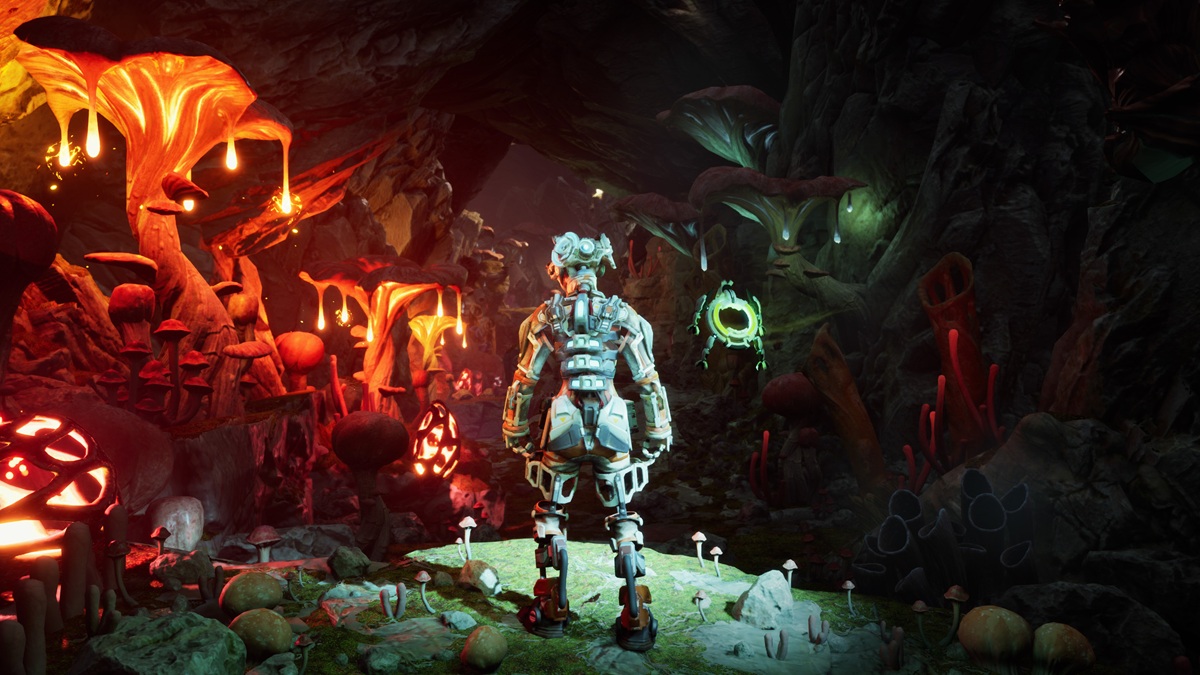
Arm and Sumo Digital showed off Neural Dawn, a new AI-based technology that showcases the capabilities of Arm Neural Technology in next-generation Arm-based graphics.
The latest Mali GPUs are coming to Arm CSS for mobile later this year, and Arm contends they deliver a trailblazing result: as the world’s first mobile game to use Unreal Engine MegaLights, Neural Dawn demonstrates how Arm will deliver a stepchange in immersive, desktop-class visuals on mobile while maintaining battery life.
Launching exclusively on Android devices powered by upcoming Arm Mali GPUs, Neural Dawn highlights how developers can create richer, more cinematic gaming experiences with fewer creative compromises
The mobile gaming industry continues to thrive, and the race is on for OEMs and games studios to retain engaged players for longer game sessions. At the same time, player expectation is rising, as they look for new, more immersive gameplay. This represents a crunch point: how do we provide truly dynamic, cinematic experiences within the power limitations of mobile, which historically have hindered artistic vision.
Peter Hodges, an Arm executive, said Arm is breaking new ground showing that this is now possible with Neural Dawn, a mobile game which demonstrates the capabilities of Arm Neural Technology in a real production workflow. Created with games studio Sumo Digital, Neural Dawn shows how neural graphics enable developers to deliver real-time cinematic lighting techniques like Unreal Engine MegaLights, ray-traced effects, and high-quality frame delivery within a mobile power envelope.
Set for release later in 2026, Neural Dawn serves as a practical demonstration of how neural graphics can be integrated into modern game development pipelines. With 120 minutes of gameplay and four levels, it follows a research scientist within a cave network who is guided by light to uncover the truth behind a collapsing civilization, the head scientist’s hidden plan, and their own connection to it. Lighting is central to both the art direction and gameplay; when players see light, it signals interactivity and guides exploration.
“Our collaboration with Arm proves that Neural Technology can make a significant difference to what’s possible in mobile gaming. By using Arm Neural Technologies in Neural Dawn, Sumo Digital could bank a key power saving, enabling us to increase game session length and deliver a fundamental step-change in the experience we can deliver to players by switching on both MegaLights and ray-tracing; features that remain rare in console gaming, let alone on mobile. This is a huge cultural shift in how game studios will build games, no longer held back by traditional mobile constraints,” said Gary Dunn, co-CEO at Sumo Digital, in a statement.
Unlocking desktop-class graphics on mobile
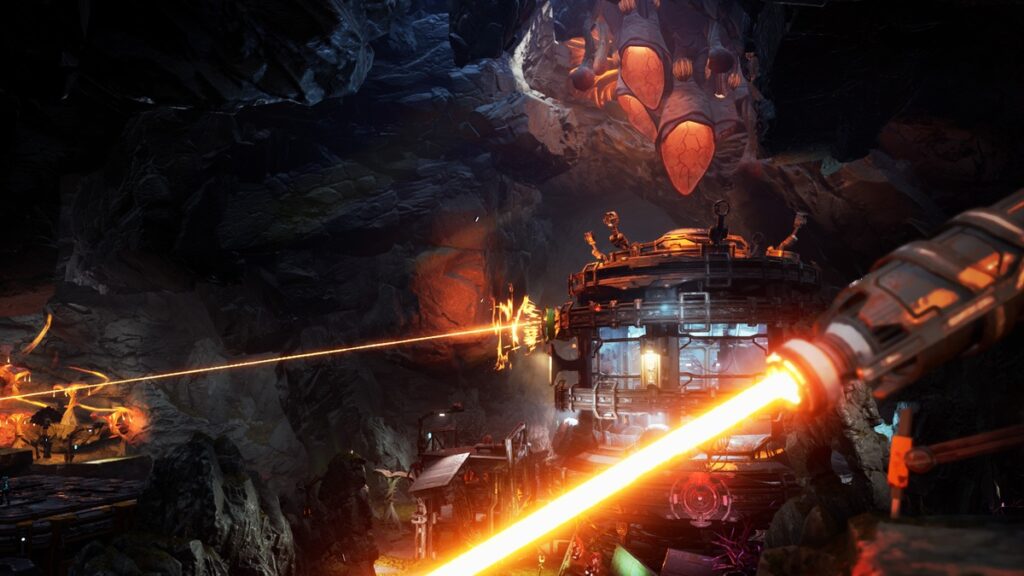
The most fundamental blocker to providing cinematic experiences on mobile is power constraints. Both OEMs and players desire experiences that will not significantly impact the performance, heat and battery life of mobile devices.
At Arm, the team believes AI will fundamentally reshape the graphics pipeline. The future of mobile graphics will not be defined solely by faster GPUs, but by the ability to combine graphics and neural compute to deliver richer experiences within a fixed power budget.
That’s why Arm is investing in Neural Technology and bringing dedicated neural accelerators into future Arm Mali GPUs coming to Arm CSS for mobile later this year: to enable a new generation of AI-powered graphics experiences that were previously impractical on mobile devices.
Arm Neural Technology creates higher-quality experiences within a mobile power envelope, helping remove some of the longstanding barriers between mobile and desktop gaming. Neural Dawn uses Neural Technologies – Neural Super Sampling and Denoising (NSSD) and Neural Frame Rate Upscaling (NFRU) – to reduce rendering costs and free more performance for richer scenes, more dynamic lighting, and smoother motion.
Bringing Unreal Engine MegaLights to mobile
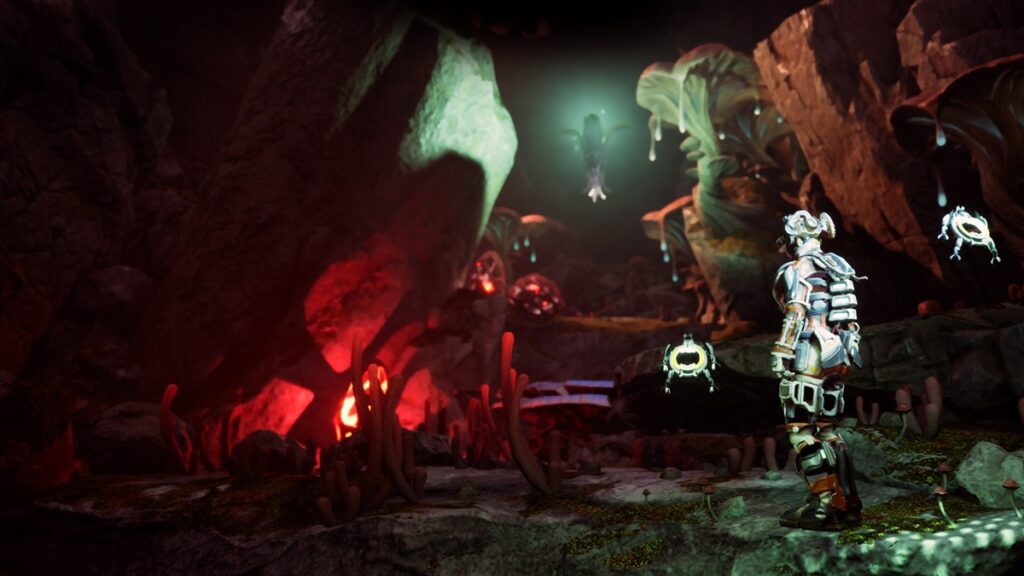
Neural Dawn, which is built using Unreal Engine 5.6.1, is the first mobile game to use Unreal Engine MegaLights in real-time, showing how developers can bring complex direct lighting and ray-traced shadows to mobile devices. MegaLights enables large numbers of dynamic lights in a scene, giving artists more creative control and allowing lighting to become part of the storytelling and gameplay rather than a static background element. Artists can now see final lighting faster and make decisions earlier, reducing the need for long pre-baked cycles. It also means fewer creative compromises when building more ambitious mobile games.
This level of lighting on mobile has historically carried a high performance and power cost. Arm Neural Technology helps offset that cost by reducing the workload required to produce high-quality images and smooth motion. This enables advanced real-time, raytraced lighting within the power constraints of a mobile platform.
Developers can access these capabilities through Arm’s Unreal Engine plug-ins, providing a “plug-and-play” integration within existing development workflows, rather than requiring custom rendering pipelines or extensive manual optimization.
For players, this unlocks new storytelling experiences where virtual worlds now can feel more alive and responsive. Lighting becomes an outstanding part of the mobile gameplay experience, helping guide exploration, create atmosphere, and shape storytelling in ways that were previously out of reach on mobile. Players have less battery life frustrations too, as Neural Technologies enable longer, more immersive play with smoother delivery and greater power efficiency.
Enabling devs to build next-gen mobile games today
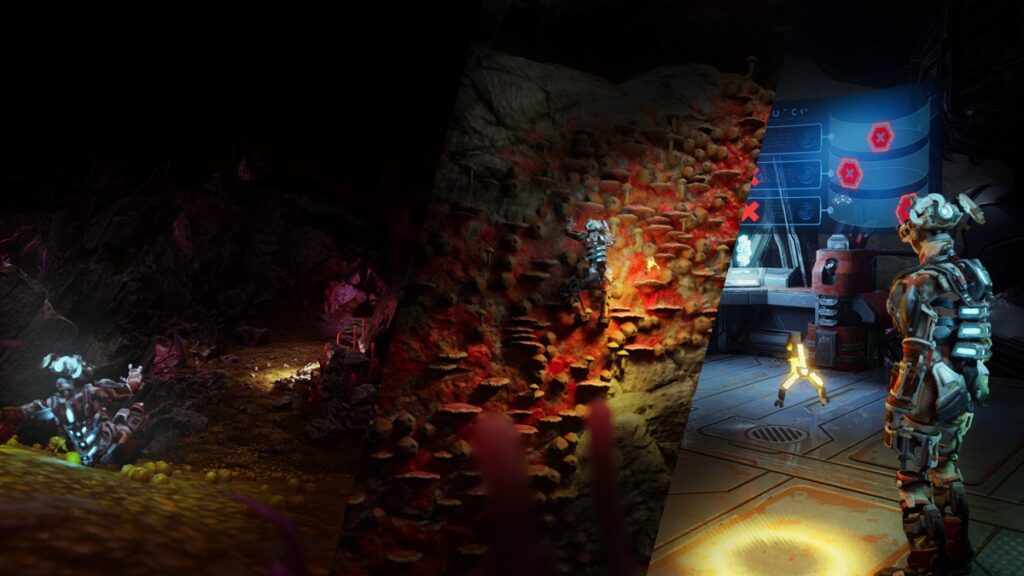
With Neural Dawn, Arm is taking an active role in helping developers awaken the next generation of mobile gaming experiences and accelerate adoption of advanced graphics and AI technologies across the ecosystem.
The game – which will be launched exclusively on Android devices powered by upcoming Arm Mali GPUs – is one tangible demonstration of how AI can become part of the core experience, helping unlock new levels of visual quality, performance, and efficiency on future mobile devices.
Neural Dawn was developed using standard industry tools and workflows that developers can follow, giving a realistic view of how neural graphics can fit into existing game production. A small team of 17 people at Sumo Digital built the game in 18 months from pre-production to delivery, using workflows that mirror what developers will use as the Arm Neural Graphics Development Kit evolves. This matters because developer adoption depends on practical workflows that fit naturally into existing game production, reducing manual optimization, and shortening iteration cycles for artists and engineers.
Arm is taking learnings from Neural Dawn and sharing practical guidance on how to implement neural graphics into games through the new Neural Dawn Neural Graphics Playbook, with the first edition available now. In July, Arm will update the Neural Graphics Development Kit to include NFRU resources and upgrade existing NSS resources to give developers more options for balancing image quality, cost and performance. Developers can sign up for Early Access now to get the resources ahead of general availability.
A new class of mobile gaming
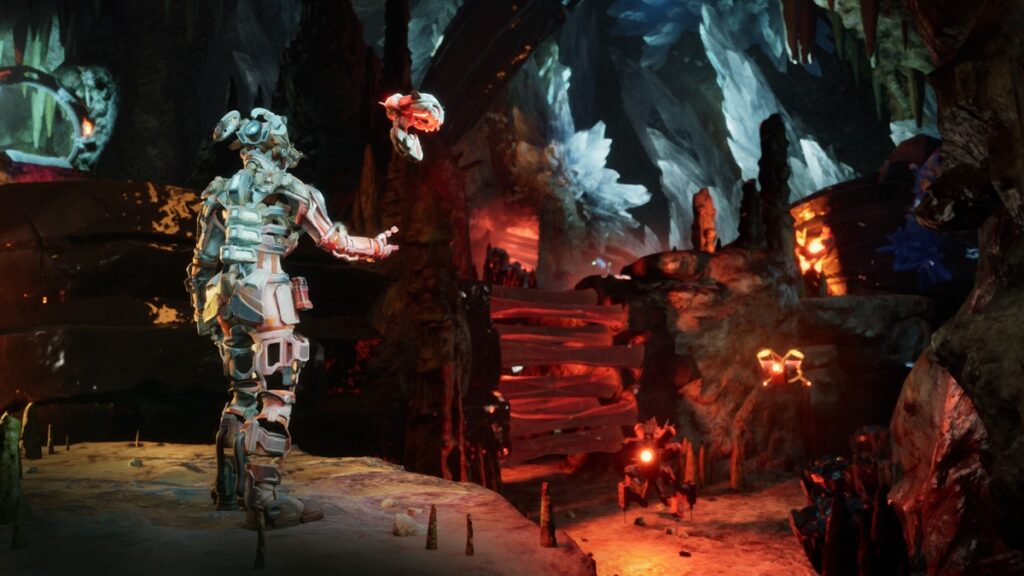
Neural Dawn demonstrates the future possibilities for mobile gaming, where Neural Technologies and neural accelerators bridge the gap between the visual ambition of desktop and console gaming and the power constraints of mobile devices.
Developers can build richer, more cinematic worlds with fewer creative compromises, while players benefit from more immersive gameplay. By bringing Neural Technology into real-world mobile development today, Arm is helping usher in desktop-quality mobile gaming experiences that will be powered by next generation Arm Mali GPUs in Arm CSS for mobile later this year.
Peter Hodges, director of the developer ecosystem strategy at Arm, leads the teams that work on technology for games.
“I love the games industry because traditionally and typically it works on some of the most interesting and challenging real-time problems, which is perfect for our relationships, because we can have great conversations about what moves them, what’s important, and what isn’t, and find solutions together that make a difference,” Hodges said.
Hodges added, “I will touch on how challenging it is to make games. It always has been, it always will be, because there’s a lot of competition out there, and you have to make a difference. You have to differentiate yourself, and in mobile, the words ‘retention, engagement’ are the magic words.”
The challenge of making games onmobile is you have to balance your vision for powerful graphics with the fact that mobile devices have limited battery power.
“You’re actually very, very mindful of that complexity versus power equation. Otherwise, your users will be dissatisfied if you’re power hungry and they can’t get through their day on a battery charge. You get uninstalled if the device gets too hot because you’re just jamming out too much work,” Hodge said. “One of the key problems as evergreen is how quickly can you get around the development iteration cycle, how quickly can you find the fun, how quickly can you find the right game balance, how quickly can you set your mark for art style and performance.”
Hardware is getting better at managing performance and power because of AI, but the demand for AI is huge. The hardware is getting more complex, adding tech like neural scaling and denoising, yet Arm has to make sure the game will run at 30 frames per second or more without burning up your phone.
The Sumo Digital connection
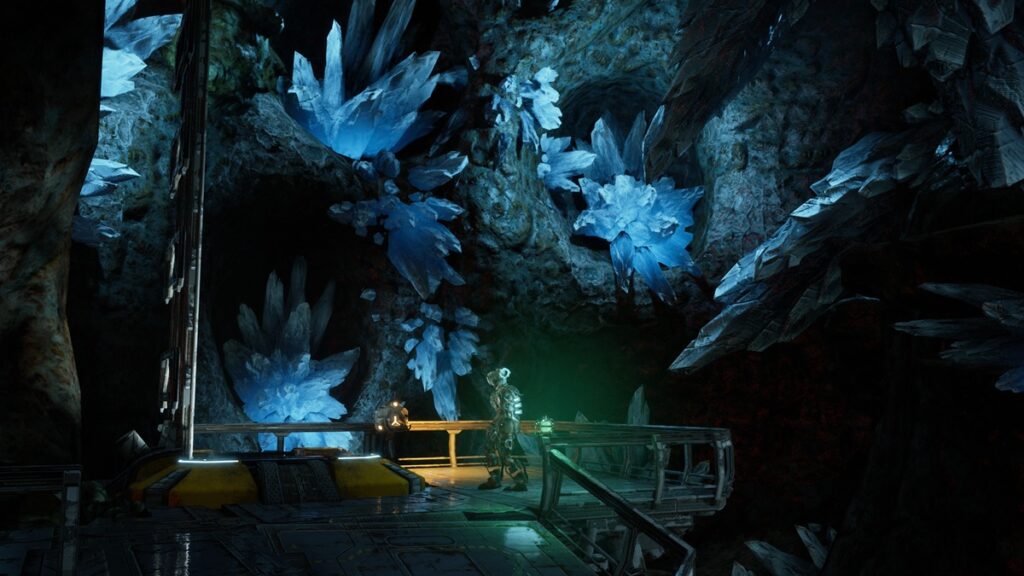
Arm worked with a small team of about 17 people at Sumo Digital to design the hardware and develop a game with it in about 18 months. It was a lean team, and yet it used Unreal Engine’s MetaLights technology for high-end real-time lighting.
“We really wanted to explore this, and in fact, we were greatly pleased about the way in which we found it was running on Android, and so we’re using mega lights in this game to really enhance the visual storytelling,” Hodges said.
Lukash Medek, art director at Sumo Digital and game director of Neural Dawn, said that the team worked with Arm to unlock the high-end lighting tech in Arm’s designs.
Medek has about 20 years of experience in games. His team started pre-production on Neural Dawn in early 2025. The team had to assess if it could hit the quality bar on hardware that wasn’t yet in the market.
“The schedule was very tight so we weren’t sure if we could deliver the level of quality that we wanted, but things changed after we did some initial testing. We built benchmarks and we realized that we could really push the graphics quality up. We could basically approach the development of the mobile game as if we were working on the console or PC game.”
The team saw they could the most advanced technology on Android to run on mobile.
“The most important thing is that those pieces of tech are freeing up the space in the performance budget that allows us to enable the very high demanding performance demanding features of Unreal Engine like MegaLights that are tightly bound with ray tracing,” Medek said. “We are the first who can say that we are running ray tracing on mobile together with a huge number of dynamic lights in each of our levels.”
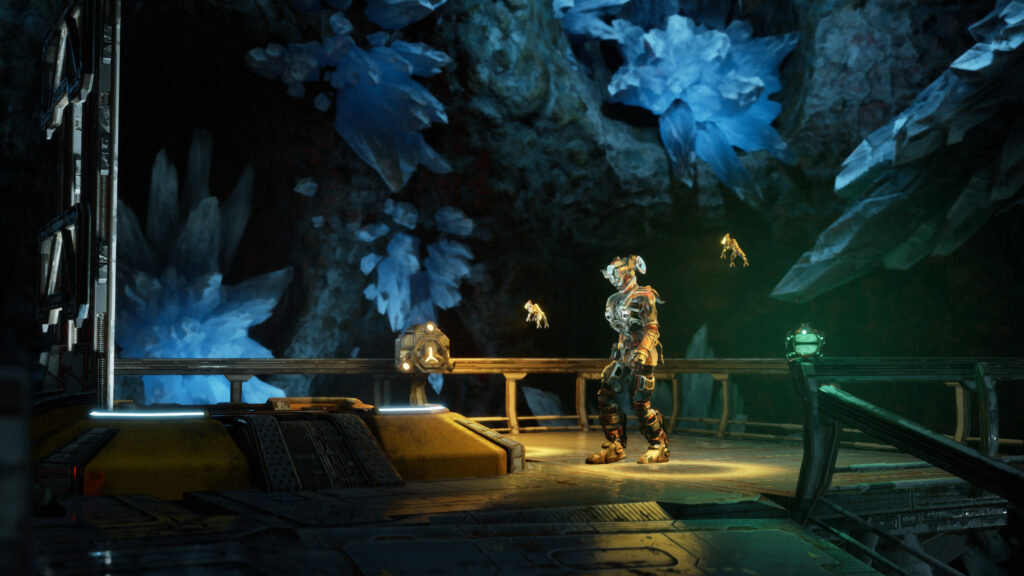
He said it not only looks great but it also speeds up entire process of visuals in the game because it’s not relying on baked lighting. The lighting is now dynamic.
“In Neural Dawn, we can work with hundreds of dynamic lights in each of our levels, and we are talking about the range from let’s say 800 to more than 1,000 dynamic lights,” Medek said.
Hodges said, “It’s been a great pleasure to work alongside Sumo to make this game, but what I really love is not just producing one game, but enabling people to make others. And we’re going to be doing this through the Neural SDK that we’ve already started sharing with developers and rolling out new use cases as time goes by.”
The Arm team has also made the Neurographics Playbook, so people can take the playbook alongside the technology and see how to assemble it and how to get the best value out of it within their games, Hodges said.
Arm will continue maintaining the models and continue publishing to Hugging Face.
Thoughts on hardware-based AI
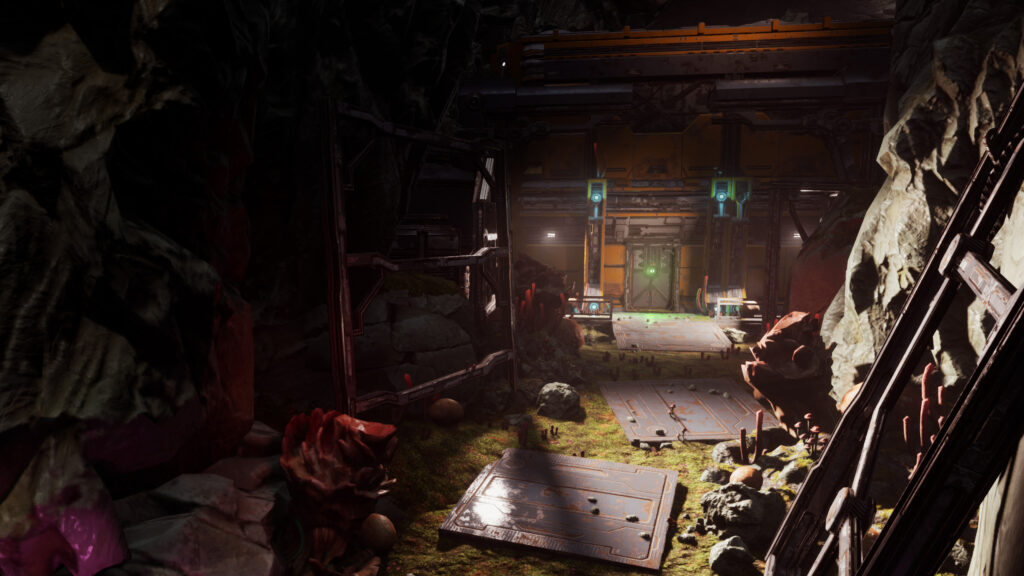
While Arm is comfortable adding AI to hardware, some game developers are wary of AI. Hodges said that instead of accepting everything, now developers are coming around to the idea that there’s a right tool for the right job. But hardware AI is different from generative AI.
“The thing that I point out with these particular techniques is that their image reconstruction isn’t generative AI,” Hodges said. “This is about making an image out of incomplete information, and so when we take our ground truth images that have been captured from fully rendered scenes, if the image reconstruction imagines something that’s not a feature, that’s a bug. And so this is about making sure that the artistic experience is respected. That’s what these tools do, and as I mentioned, these models are there for people to look at, to reason about, and to make their own informed decisions, and we’re providing people with the means to do that.”
Medek added, “From my perspective as an artist, this kind of AI is basically very good for us because it doesn’t steal any creativity. It allows us to basically expand the creativity, because it’s just do the stuff inside, and that stuff is not basically visible, not recognizable by the audience, and it just allows us to be more creative. We can spend more resources and leave the big chunk of optimization, for example, or compromises to the tech, and the tech deals with it, and we can be just creative.”