
Saber Interactive owns 13 game studios and it has 3,500 game developers. And believe it or not, this is not a big game company. In fact, not so long ago, Saber was part of Embracer Group, which accummulated nearly 200 game studios from 2019 to 2022.
The the game industry hit hard times and Embracer went thud. It shed many of its studios and Saber cofounder Matthew Karch bought back Saber for $247 million in 2024. Now Saber has private equity backers, it’s cooking games on its own, and it’s had a lot of hits lately.
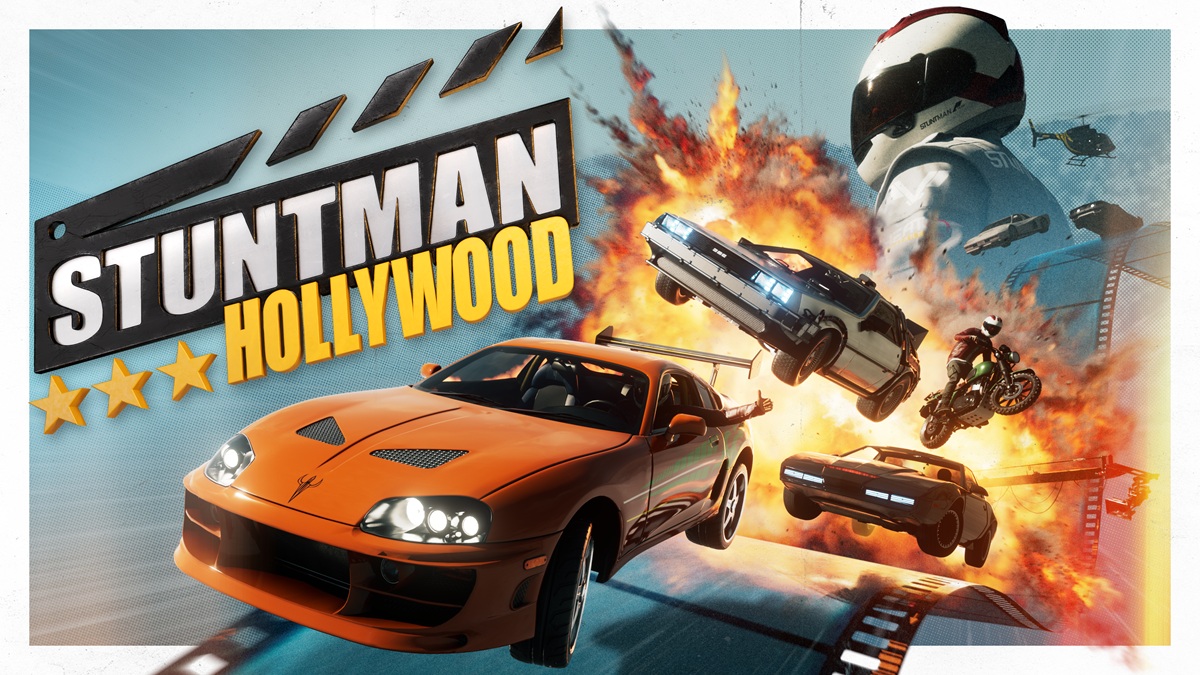
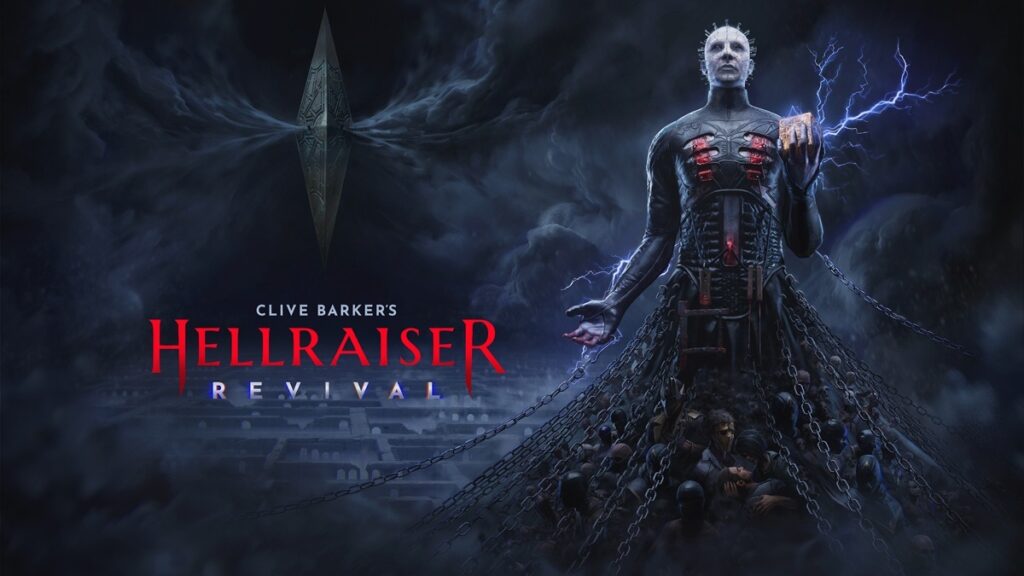
It’s a nice place to be for Tim Willits, creative director at Saber. He showed up at Summer Game Fest with three titles: Turok: Origins, Stuntman: Hollywood, and Clive Barker’s Hellraiser: Revival. I played Turok last year and played Stuntman this time. It was a lot of fun, driving a car through a Hollywood set trying to pull of stunts in record times.
I generally did good pulling off stunts and staying on the track, but I was pretty bad at driving backwards in the DeLorean from the Back to the Future movies. I didn’t set too many records, but I really enjoyed the demo and the fantasy of being a Hollywood stuntman. It was something I always wanted to do. Putting you into a fantasy is what Saber Interactive does so well, with games like Warhammer 40,000: Space Marine 2, which I finished back in 2024 in co-op.
I felt a sense of optimism from Willits. It was before all this talk of layoffs and shutdowns at Xbox, but for a brief moment it felt like the good times were back for games. We’ll see if Saber turns out to be one of the winners.
Here’s an edited transcript of our interview at Summer Game Fest Play Days.
GamesBeat: How do you feel about showing up here with so many games?
Tim Willits: It’s been good. This is my first time here at Summer Game Fest. We’ve done videos before, but we’ve never had a booth. It’s nice. I like it. The weather’s good. It’s kinda cozy.
GamesBeat: I’ve been coming since 2020, since they started.
Willits: I thought it would be–I’m surprised there aren’t more studios, to be honest. But I know the showcase is huge.
GamesBeat: It has grown. I remember Nintendo coming through years ago and taking a tour with Geoff. He was pitching them. Now they’re here.
Willits: We have Turok there, Turok on Switch 2. In my entire career I’ve never had a game at a Nintendo booth at a show. So that’s cool. Stuntman came out of nowhere. People are all kinds of jazzed about it. No one was looking for that. We announced Stuntman at the State of Play a couple of days ago. People were really surprised by it, because old-timers like us, we’re like, “Oh yeah, Stuntman, that was a fun game. They’re making another one?”
It worked out for us, because when we were part of Embracer, someone bought the IP. Picked it up somewhere. We were able to get it. Then, with our relationship with Universal, because we’re working on Turok and Jurassic Park–we said, “Hey, can we use real movies in this?” They said, “We have a thousand movies you can use.” Because it’s just slivers of each movie, it made the approvals and licensing so much easier. That’s how we secured Fast and the Furious and Back to the Future and Knight Rider and Miami Vice. Things that are a little retro, but they’re cool.
GamesBeat: With these big deals that are happening now, does it mean licenses go up in price now?
Willits: To be honest, we got a good deal.
GamesBeat: I know when properties change hands, deals have to be redone. Like with Warner Bros.
Willits: Warner, I know that anyone doing a game with them right now needs to make sure they have their ducks in a row. In some contracts, there are change of ownership clauses. But we’ve done well by securing these licenses for a reasonable price. We’re also working with Universal we work with them on a bunch of stuff. That makes it way easier than being the new guy showing up and saying, “Hey, can we license Jurassic something?” And we play friendly. I say that we’re publisher and studio agnostic. We’re working with Lionsgate. We’re working with Universal. We have connections with Paramount. We’re in with everybody.
GamesBeat: Is there a greater proportion of games you’re doing with licensed IP as opposed to Saber’s own IP?
Willits: Yes. I don’t know if this is true, but I like to say it. I think we have more licensed games in development than any other developer in the world right now. We do have a handful of our own IP. But we’ve had such success with licensed properties. Literally every studio and every major IP holder wants a video game. Look at Space Marine 2. It brought millions of new people to the Warhammer universe. I talked to two people this week who said they’re buying miniatures and painting because of the video game. Look at World War Z.
GamesBeat: You turned me into a fan of Space Marine.
Willits: That’s three! It’s an expensive hobby. Be careful. But World War Z. More than 30 million people played the video game. Paramount is looking into making another World War Z movie. They haven’t said this to my face, but I’m pretty sure it’s because of the video game. People want it. If you have a reputation, everybody will come to you.
GamesBeat: I had a chance to interview Dan Prigg from Paramount last week. He was talking about how games are now also the greatest form of engagement for fandoms. That’s becoming the way to think about the licensing picture. If that was not your center before, then it ought to be now.
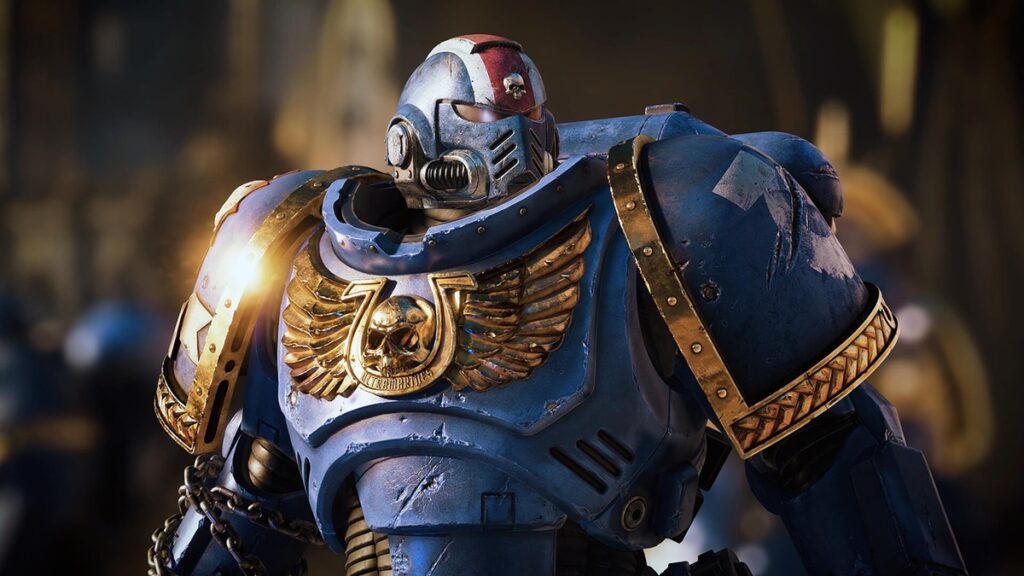
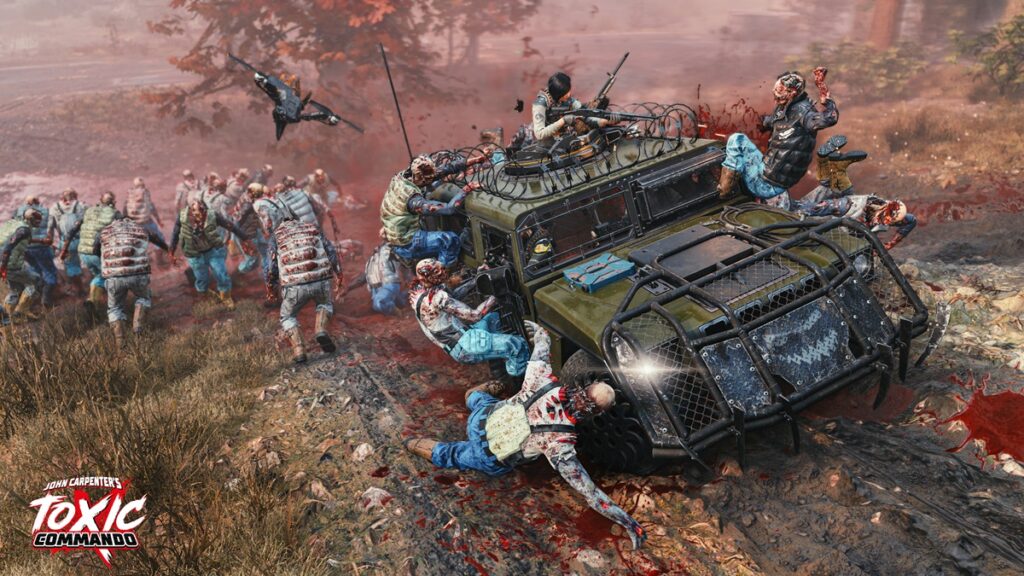
Willits: When you and I were kids, we dressed up like Star Wars characters, because we wanted to be that character. If you love an IP, you want to be–there’s no greater intimate connection to a property you love than playing that property. This is an interesting anecdotal thing. I was talking to this one journalist. We were joking about how when he is playing co-op games like Toxic Commando with his buddies, it’s over the top. It’s a little silly. You have guys doing goofy shit. But when he plays Space Marine with the same group of friends, it’s serious. “We’re playing for the Empire! You gotta do this.” They act differently because they get into character. It’s so interesting how video games can do that. Video games get you into the action. Especially first-person games.
GamesBeat: With a game like Stuntman, what becomes the strategy for trying to reintroduce a brand like that?
Willits: My wife, who’s not a big video game player, she thinks–I had her do some of the Back to the Future courses. Everyone loves those movies. She’s like, “This is cool!” We’re not showing it here, but there’s this one course from Back to the Future III with the train. You have to keep your car next to it, then get across the railroad tracks and jump over. It’s just fun. It’s really approachable. We really want it to be a game that anyone can pick up. It’s not that hard.
GamesBeat: Except for trying to go backwards in the DeLorean.
Willits: Well, it’s the first time you played it. That may have been unfair, to make people play that for their first time. But you got it. We’re not trying to do anything more clever than that.
GamesBeat: Do you think those games that are coming with older brands are for a certain age group? Or do you think they’ll appeal to Gen Z players?
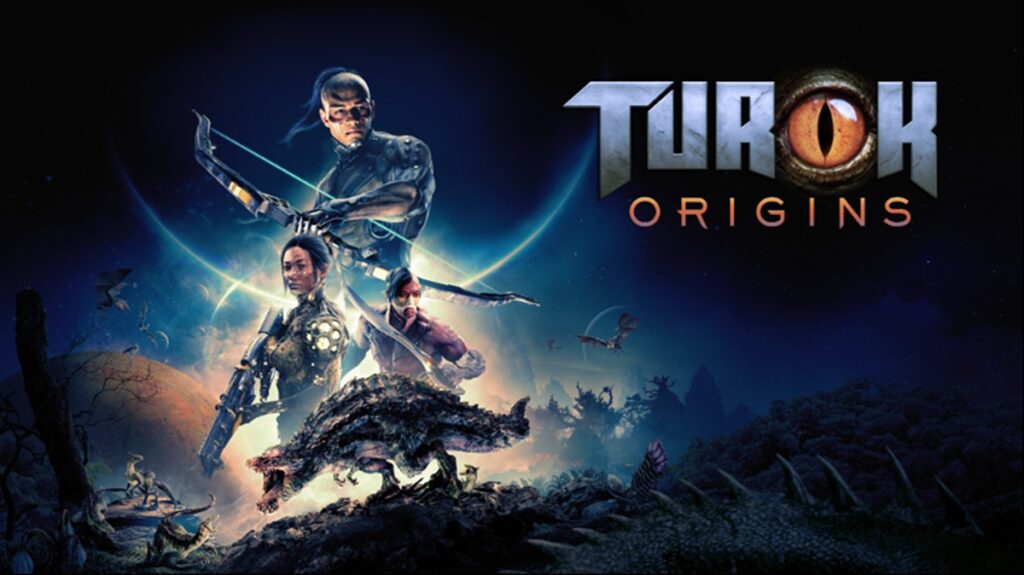
Willits: Funny you said that. My kids–I have three 22-year-old kids. They’re triplets. They love playing Fortnite and games like that. They have no clue about Turok. The other day they ask, “What’s Turok?” What, I’ve been making this game for years and you haven’t paid any attention? That’s why we made the game have modern mechanics, modern visuals of course. It looks sexy. But it also has enough legacy it should appeal to guys like me and you, while also appealing – hopefully – to that generation as well.
Fun games will break out. We’re hoping that it can cross over. When I showed my kids the game, they thought it was pretty cool. They have no idea who Turok is. But that’s also a reason why we made it an origin story. It takes place before the other games. It’s a good versus evil story. We hope it’ll resonate with the fans.
GamesBeat: How do you feel about some state of the industry things? Saber seems like it’s just about the right size. The big conglomerates–film seems like it’s going a bit overboard there. It feels like Embracer went a bit overboard. Should we be concerned if we head toward that kind of conglomeration? Or is there still an efficiency you reach at a certain size, and that becomes the ideal size?
Willits: We have 3,500 employees. But we’re independently owned. It’s only a handful of people making the big decisions. You and I have talked about this before. We’ve been successful because we’re able to scope the games, target an audience for those games, and then make those games in regions of the world where, honestly, it’s just a little cheaper. But we also have an attitude and philosophy that every Saber employee can work on all these different games. I’ve seen studios set up like, this is team A, this is team B. That doesn’t work. You need to be able to pull people in and pull people out.
You have these North American studios that have 200 people working on one game. That’s just not going to work anymore. You don’t have 200 people at the beginning of the game or at the end. People need to be smart about their resources, their scope, and how they make their games. But there are some really cool games coming out. Yesterday, some of the new stuff I saw was really cool. I do believe that creative people will find a way to make great games. The good stuff will be noticed. It will rise.
GamesBeat: Are there benefits that you accrue because you’re not part of something gigantic?
Willits: Yeah. We can do anything we want. We can make a Stuntman game. Can you imagine bringing that concept to a major publisher? “The last time this game came out was PlayStation 2!” They’d laugh you out the door. We have some other games where, for lack of a better way to put it, we’re experimenting with some ideas. We’ll talk about that soon. They cost a reasonable amount of money to make. We’re targeting specific groups. We’re doing some experimentation. If it works, great. If it doesn’t work, it’s not going to hurt us.
Look at Docked. Docked was a really straightforward game. It was a small team. The game was highly rated. But it has a limited audience. Let’s be honest. That team has now shipped a game. They have experience. We have a really cool idea they’re working on for the next game. And the people who bought it liked it.
GamesBeat: Should triple-A studios make new IP? Is that something you believe in?
Willits: Space Marine 2 was a triple-A game. It all depends on the title. There are some really good games made by big triple-A companies in North America that are licensed. Look at Wolverine. You can’t get any bigger than that game. It all depends on what the team wants to do. But you should be able to–with new ideas and new concepts, you should be flexible enough to experiment and try things out.
Look at MudRunner. MudRunner was one guy with a cool idea. SnowRunner, the follow-on, was a group of guys. That game has made hundreds of millions of dollars. It’s a hobby now. Every year we release a new DLC for the year and everybody buys it. It’s a hobby. That led to RoadCraft and Expeditions. We’ve learned new techniques for road games. That all came from a group of people with some cool ideas. You need to be flexible.
GamesBeat: Are you heading to the id reunion at QuakeCon?
Willits: Unfortunately, my daughter’s graduation at Texas Tech is on August 8, so I can’t make it. The irony, though–wait a minute, a couple of those guys were actually fired before the first QuakeCon.
GamesBeat: What else should I notice about some of the other games here? So far I only really got to see Stuntman. I saw Turok a while ago.
Willits: Have you played Hellraiser? If you have like five minutes before you leave, just stand over someone’s shoulder and see Hellraiser, because it’s so different. We worked very closely with Clive Barker. He’s been great to work with. He helped with the story, all the concept art. He gave us some ideas in approvals. We’re really excited about that. We do a lot of user testing, and it’s come back looking good. There are so many Hellraiser fans in the world. I had no idea how many people loved that franchise. We got our ESRB rating. We pushed it as hard as we could. It’ll make the Hellraiser fans very proud. Try to take a peek at it before you leave.