
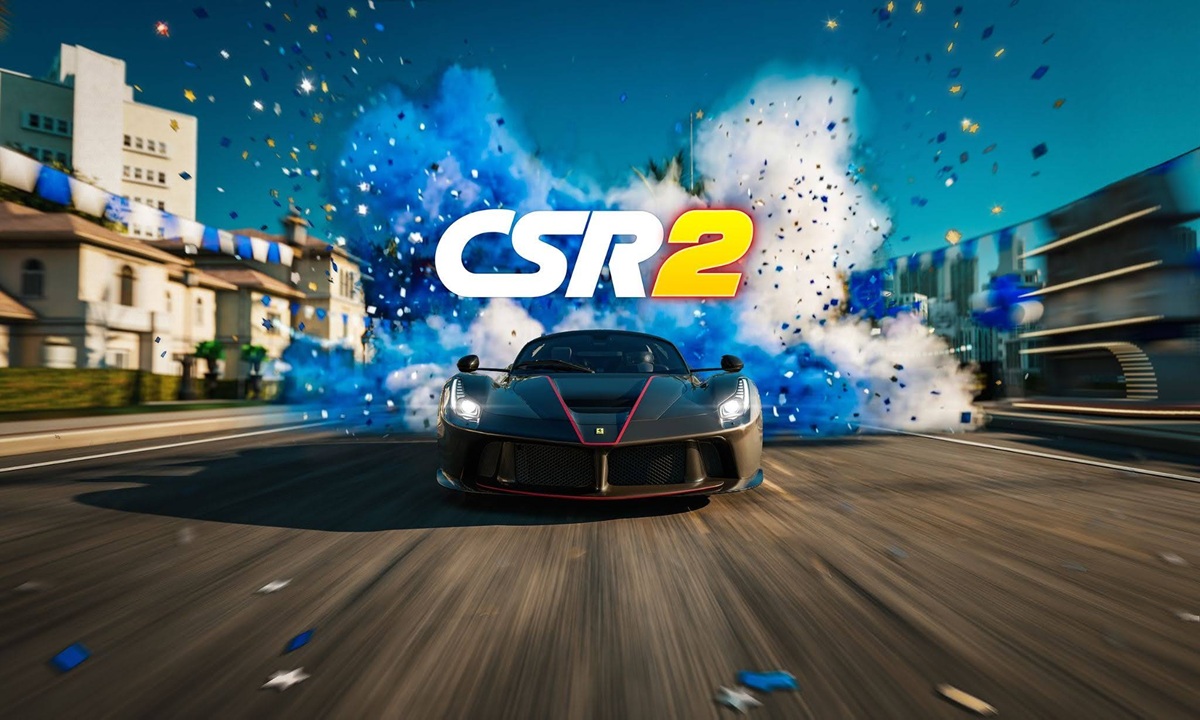
Zynga and NaturalMotion are celebrating 10 years of racing history for the mobile racing game CSR2.
It’s an example of a live service game, free to download, which has worked in the mobile space, even if the model doesn’t work all of the time for PC and console games. This game survived in part because it took attention to detail seriously. Over time, it became a digital destination for car culture enthusiasts. Now it’s more like a place to celebrate racing events, and it’s in a category of games that Zynga calls “forever games.”
The team is celebrating the journey by giving back to players with a slate of interactive events and new content in celebration of the game’s decade on the tracks. The festivities include a suite of in-game content designed to celebrate CSR2’s legacy.
The 10th anniversary update introduces a new Celebration Track and Garage Theme, alongside the debut of a new Permanent Collection and a high-stakes Treasure Hunt, offering players exciting new ways to engage with the CSR2 community.
CSR2 has become a destination for automotive enthusiasts to live out their supercar
dreams. Over the past decade, the CSR2 community has reached unparalleled heights. The
scale of engagement is reflected in the 600 unique cars available in-game, as well as the
massive digital fleet of 530 million cars collected by players and over 13 billion upgrades
installed by players worldwide since launch.
Behind these staggering numbers is a dedicated global community that has fueled the game’s success since day one.
“Our players are the engine that keeps CSR2 running. This anniversary is all about saying’thank you’ to our veteran players and welcoming new racers,” said James Hans, executive director of licensing and partnerships at Zynga’s studio, NaturalMotion, the developer of the game. “As we look to the next ten years, we’re committed to delivering even deeper levels of customization and competition for our global community.”
CSR2 is available on iOS and Android devices. The game includes optional in-game purchases (including paid random items). I spoke with Hans about the journey and the game’s future.
Here’s an edited transcript of our interview.

GamesBeat: What’s your background with the game? How long have you worked on it?
James Hans: I’ve been at NaturalMotion for just over 12 years. I joined before CSR 2 launched. I’d been at EA for about 15 years, working on the Burnout franchise and then Need for Speed. I joined with CSR out and CSR 2 in development. I wanted to make a game that rivaled console visuals in the palm of your hand, after making cars in Need for Speed. I’ve been there ever since.
GamesBeat: CSR debuted in 2012, I think? And then CSR 2 a few years later. What was that development history like? Was it all in the same location? Did you have a large team at the time?
Hans: Yeah, CSR 2 soft launched in September 2015. We went global at the end of June 2016. We were a fairly lean team. We were in London, all in the same office. The game was developed originally in north London, in a satellite studio. Then we centralized in central London, in Covent Garden, I think from about 2015 on. We’re still developing the game there now. It’s always been a fairly small team. Not console numbers. Under 100 people.
GamesBeat: Was it BossAlien, or was it NaturalMotion that did the original game?
Hans: BossAlien did the original CSR Racing. That was developed on the south coast in Brighton at the BossAlien studio. But we developed CSR 2 in a separate studio, at NaturalMotion in central London, while CSR was still commercializing. It stopped being updated in the later part of 2016.
GamesBeat: How many people have played it over the years?
Hans: We’re upwards of 180 million installs since launch. It’s done a fair decent amount. The franchise as a whole, CSR and CSR Classics are still downloadable. They continue to add up. There were several milestones that CSR crossed originally, and CSR Classics to a smaller degree. The whole franchise now will have been downloaded north of 300 million easily. I think it’s quite a lot higher than that, but I don’t have a stat to hand at the moment. There have been various milestones published over the years putting CSR over 100 million, and I think CSR Classics 50 million? But putting it all together it’s well over 300 million. The franchise actually just hit a billion dollars in revenue last year.
GamesBeat: What do you think made it take off like this?
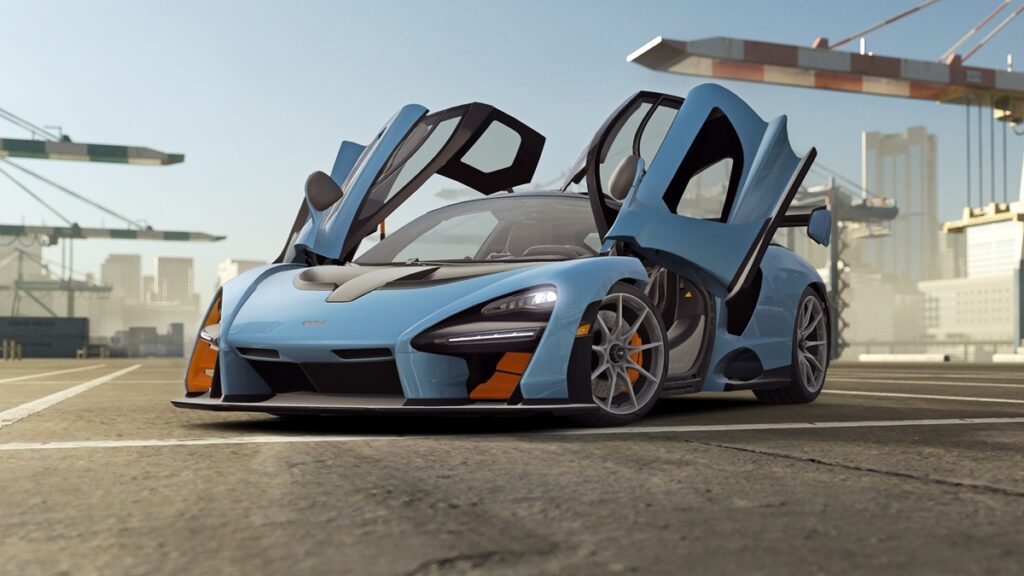
Hans: From my own personal perspective working on it, where it started, and what made it successful then, is not why it stays successful today. Originally it came along as something that did something different. While other racing games had cars in them, and licensed cars, the attention to detail was only what was considered acceptable for a mobile device. They were never going to reach the same processing power as a console, so what you saw on the screen was okay.
We wanted to come along and build cars like you’d see in console games, and display multiple cars on the same screen at the same time with fully interactive trunks and hoods, full interiors, opening doors, things you could see and experience handling them yourselves. We did that, and that was our initial differentiator. The premise of downloading a racing game, racing and upgrading your cars to acquire more cars, that core loop is still true today. But the original differentiator was the cars just being hyper-real. That has stayed. It’s still used and referenced by platforms to promote new hardware, even though it’s more than 10 years old now.
Over its journey, it’s done a few things through its development that other games have not done, and built an audience that’s stayed with us. Originally it was a digital destination for car culture. You had a dream car collection in the palm of your hand, with an unrivaled level of detail. Over time, every car that gets added to the game has a story. Typically a racing game would include the latest and greatest cars from car manufacturers. A car manufacturer wants to promote a new model from their range, their halo car or something. We extended that and went down different car verticals – classic cars, tuner cars, and even what I call “media cars.” Cars that are famous through the internet, through films, through some kind of notoriety. We included all of those over the lifetime of the game.
It’s actually a platform in itself to experience car culture. Whether you like a particular type of car – sports cars, muscle cars – a particular era of cars–you can even go to a show in North America, in Las Vegas, called SEMA, and enter a competition every year to get the chance to have your car immortalized in the game forever. The Battle of the Builders competition. It’s been running for a long time, and CSR 2 has been an official partner for the last couple of years. Every year 10 or 12 vehicles that go to SEMA end up in CSR 2.
There’s a few unique things that keep the game and the audience connected through it just being around in pop culture. Whenever there’s a car event, whenever there’s something happening with cars, CSR is around somewhere. If it’s a new car launch, you’ll see the new car in CSR 2. If there’s a new build by a famous builder, or a car in a film, there’s a good chance that vehicle will appear in the game. It connects people. It’s a really nice thing where, with all the things going on right now globally, cars are an interest that brings people together. It doesn’t matter who you are. If you have an opinion about something, whether you like a new car that’s just been released for example, you have something to talk about. Whether you like this car or that car, you can bring your own personality and perspective to that. CSR enables and facilitates that.
GamesBeat: How active is the player base when it comes to asking you to do things? What have they inspired the dev team to do over time?
Hans: We get reached, invariably, through different portals, be it Reddit, YouTube, TikTok, Instagram. We see comments, quotes, messages asking for certain types of cars, certain types of builds. There was a nice story from a while ago. The players were noticing a lot of Nissan GT-Rs. There were quite a few of them in the game. They wanted something different. There’s actually a car called the Nissan Juke-R 2.0, where Nissan had put the GT-R running gear and engine into a Juke. We licensed that car and put that in. It wasn’t a Nissan GT-R, even though it was underneath. We do little motifs like that.
It’s a nice relationship. People out there know we’re aware, watching and reading and listening. Sometimes we make those things come true. It could be a build of a particular car. Someone draws our attention to a really cool car that’s got a nice story. Chances are we can build it. We can meet up with those people, do a photoshoot, license it, and bring it to the game digitally for others to see and enjoy.
GamesBeat: What has the continuity of the development team been like? How long has everyone worked on it by now? Has it stayed in the hands of the same people?
Hans: It’s been consistent for a long time. The core team from London is the same that started it. My tenure of 12 years–I was on the same game before it started and I’m still working on the same game now, looking to its future. Where next? We recently licensed out and have scale models available in retail stores in North America. We have more coming soon. Again, it’s a nice place where–a person that likes the game can interact with the brand in more ways than just the game itself, whether they see us at a show, talk to us at a show, or see us around car culture. And then also they can collect physical goods that are associated with the game.
GamesBeat: And you keep adding new manufacturers, new cars.
Hans: For me, supercar peak was around the mid-2010s, 2015. We saw the wave of electrification coming and the change in how cars were going to be created. We’ve seen that initial hump, and now we’re starting to see a side where people want analog again. They want buttons and switchgear. They want engines. We’ve been here before that, through it, and out the other side. We’ve supported electric vehicles, hybrids, and combustion, and we’ll continue to do that. But we’ve been able to see the change in the car industry and what’s being made, the designs changing, and continue.
Our audience very much prefers and enjoys the more analog side of cars. Even the rise of the restomods, where vehicles that were popular 20 years ago or more are being reimagined by brands into what they could be now, where legislation has forced manufacturers to follow a slightly different path.
GamesBeat: What types of phones does it run now? How far back can you go and still run CSR 2?
Hans: When we launched the game we supported a really wide range of Android and iOS devices. I think someone told me at one point that we’ve supported more than 15,000 different devices. That was quite some time ago. We were backward compatible down to a few iPhones. Over the years the minimum spec for devices has changed, but in general we have wide-ranging support for phones and tablets to this day. We do have a minimum spec, although I don’t have it to hand. But it would be several generations of iPhones. Remember that this game would work on an iPhone 4 when it came out. The game has not fundamentally changed.
GamesBeat: If you run it on the newest hardware, what do people notice about how it looks?
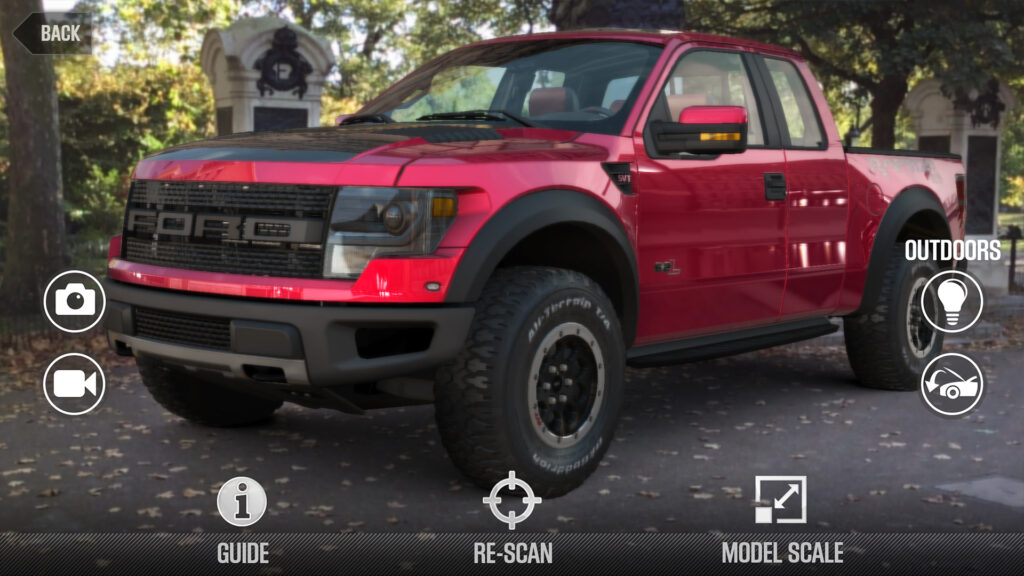
Hans: The crisp displays, the environments, the colors popping out of the screen–it’s still a very beautiful game to this day. Screen technology has improved, with the nits rates increasing. Even on an iPad Pro it still looks incredible, though. That’s why it’s still being used as a reference. If you go to the App Store, there’s a section there promoted as “games to try on your new iPhone.” We’re still in there. CSR 2 is still promoted as a game to try out with your new phone.
GamesBeat: What are you saying about CSR 3 so far? It’s been in beta for a bit.
Hans: CSR 3 soft launched January 24. It’s only available at the moment in a few countries while we’re developing it. Fundamentally it’s still a CSR product. There are a few differentiators in there, but at the moment it’s still largely under development. We’re not really publicly sharing what those differentiators are. But it’s out there in five territories for people that live there to download and play it. It’s following a natural mobile development cycle of testing, ramping, and increasing its availability.
GamesBeat: How long has that been in the works?
Hans: I think all mobile games are in the works for years. In my entire career we’ve worked for many years on a few games. If you imagine CSR 2, it’s like a tanker. When it’s launched it’s an empty tanker with no pallets on it, going across the sea. In 10 years it’s got water slides. It’s got everything. Over those years it’s built and built and built and now it’s a fully fledged entertainment holiday. CSR 2 is like that. We’ve continued developing it ever since, and we’ll continue to add more features and more cars as we have. We’ll look to improve the game overall, to keep fans engaged with it, and look for more collaborative opportunities.
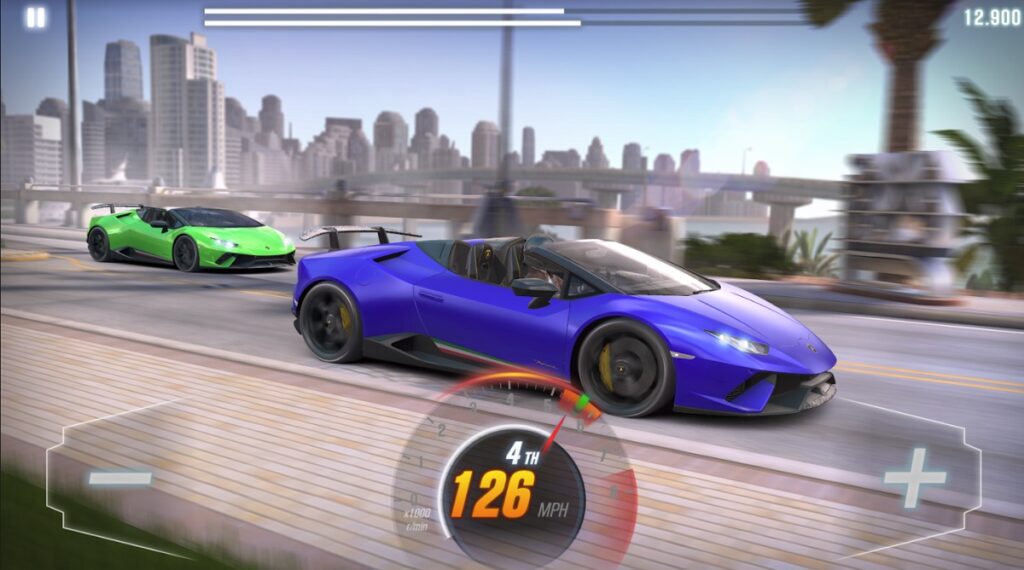
Only last year did we bring the time machine from Back to the Future into the game. That was something we’d wanted to do for such a long time. I think to date we have the largest collection of licensed Fast and the Furious vehicles of any licensee on the planet in one place. There’s about 70 vehicles from the franchise in one game. That’s what we love doing. CSR 2 will continue its development in the same way that CSR 3, when it launches, will continue its development through, I’m sure, many, many features over its lifetime.
GamesBeat: Do you have more people working on CSR 3 than CSR 2 now?
Hans: I think it’s about equal, to be honest. But we don’t really talk about headcount.
GamesBeat: The live events that you run to keep it going, what would you say is most successful?
Hans: CSR 2 has run regular events for its entire lifetime. We’ve increased the frequency over the decade, as we’ve learned what players enjoy. But there’s a backbone to it in the crew championship. Every two weeks a team of 30 people, a crew, compete with a configuration of a particular car, and if you achieve a certain milestone of points, you can unlock another configuration of that car. That’s been running the entire time the game’s been live. There have been more than 250 seasons of that. That’s the core of the game, where you’re part of a crew and you’re competing against other crews to earn those cars. Of course those crews talk online and chat through Discord or Facebook or WhatsApp and other forms of communication.
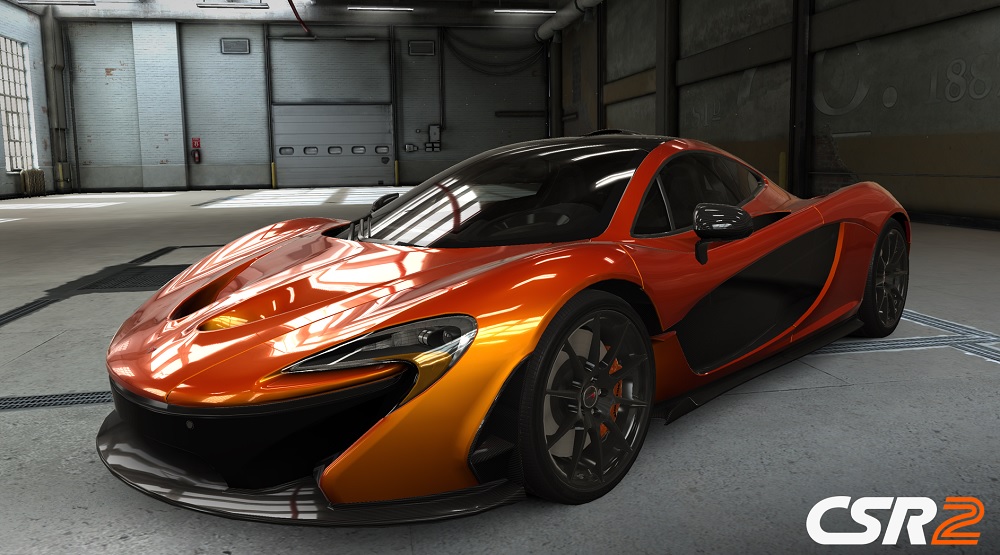
Along with that, we’ve run regular events, events synchronized with real-life events. Or we’ve partnered with shows or talents to do something associated with what they’re doing at the same time. There’s that real-world moment and the live moment. We always want to keep doing something different. Never do the same things over and over from a partnership point of view. But some things we’ve made regular, like the American Road Trip. We’ve done five of those consecutively over the past five years. That’s where we’ve linked with the SEMA show. The road trip across America collecting customized cars is totally aligned to that show. It allows people to go there and get excited. Play the game, see the game. Have the cars in the game, see the real cars. You have virtual and real experience at the same time. People love those.
Of course there have been the third-party IP integrations we’ve done, as well as seeing the latest and greatest cars. There’s a real melting pot of car culture, depending on what you like. But there’s also the features we’ve introduced over the years, such as Legends. Originally CSR had a separate release called CSR Legends, where the gameplay mechanics were slightly different. You’d restore a car from barn find to concours condition and then upgrade it. We actually rolled that into CSR 2. We frequently release new cars for you to restore and upgrade. They’re stored in a separate garage. We’ve also added a feature called Elite Tuners. You can choose from licensed body kits for real cars. We regularly update those, like episodic content. People come back and collect more and upgrade more. We continually provide new vehicles and new integrations for people to collect and get interested in. If there’s something popular in pop culture, or a new vehicle that’s really cool, we’ll find ways to include it.
GamesBeat: What are some things you feel CSR does that competing games just don’t have?
Hans: We see other games run a cycle of adding a new car, adding a new event. In general it’s quite plain. I don’t want to be disrespectful to anyone else, because racing as a genre is very niche already. The more games that are out and the more games that are in racing, the more people that are going to come to racing. With electrification of vehicles, cars are becoming a utility rather than going out for the fun of it. That’s not really a thing anymore. People just go from A to B. They don’t think about what a car looks like or how it gets there.
But a lot of games haven’t innovated much when they bring cars to the game. With what we do, I try to see it through the lens of–as a car fan, a passionate car person, what do I want to see in the game? What would I want to collect? What would I want to play? The heart leads the content and why it’s there. What we’re looking for and what we’re including in the game is what would resonate with a true car fan anyway. The things they see, the people they see, the builds they see are all things they’d be looking for on Instagram already. We think the same way.
We also bring them the attention to detail. If you’re a passionate car fan, you’ll notice the stance on the car. You’ll notice the camera angles. You’ll look at the tires and notice the shape. Does it have a staggered stance? You’ll look at the whole design of the car to appreciate it. When you see a car, you know if you like it or not. You know if it has a great design or not. But sometimes you can’t explain why. You just like it. You had the Lamborghini Countach when it came out, and everyone just said, “Wow.” They couldn’t necessarily always explain why the hair on the back of their neck stood up. But I hope that we understand and get that. We know when a car is a cool car and you just want to have it. You want to play with that.
I want to know what it’s like to configure a Pagani. I could never actually afford one. But I’d love to pretend to own one and know what that’s like. That aspiration, I hope that we’re able to bring that to the game, and continue to bring that to the game as car culture evolves and changes. The car culture I was involved in 25-plus years ago, before Fast and the Furious–we were tuning our own cars. We were making our own cars faster. We weren’t doing decals and neon lights. Car culture was very underground. We were doing things ourselves. That was then, and now car culture is quite different. It’s grown up. The people messing around with cars then are writing for magazines and on TV and doing their own thing now, but they’re still around car culture.
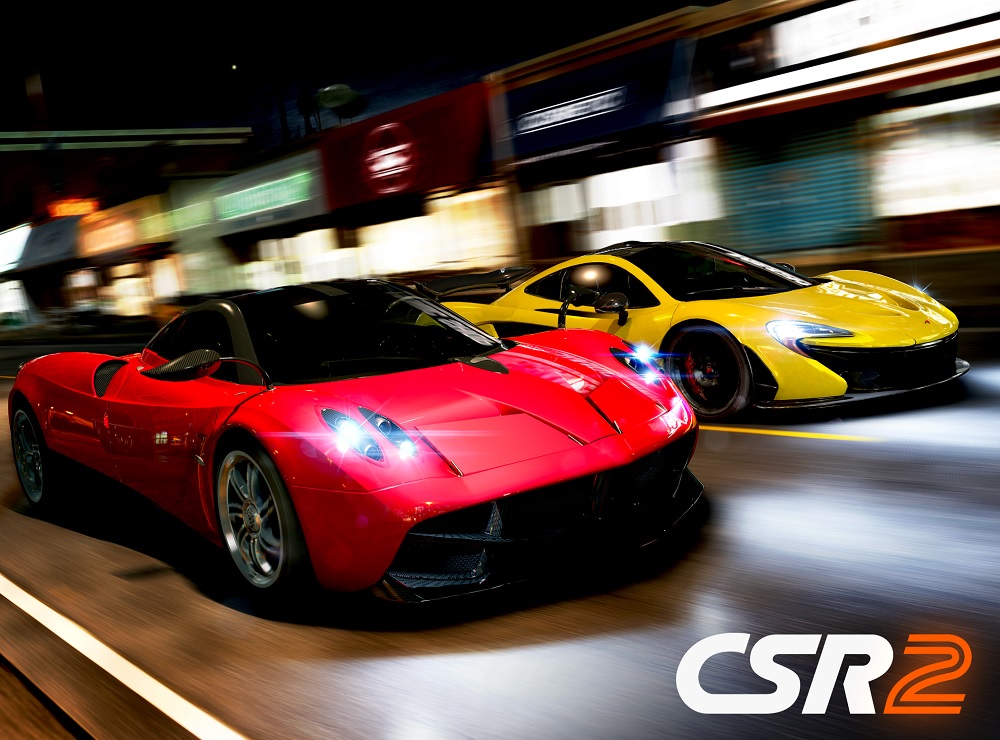
I just chose a different path. I went into game development, because I thought, “Well, I love all these cars. I can’t possibly afford them. But if we make them virtually, I’ll get to play with all of them.” That aspiration, that dream, in CSR, keeps its popularity. In the palm of your hand you have access to all these supercars, hypercars, muscle cars, builder cars, tuner cars, film cars, all in one place. That’s such a unique thing. No other game has done that or is doing that to the depth that we have for such a long time. We get recognized for that.
GamesBeat: What are you doing in the update for the 10th anniversary?
Hans: We have themed the game around the 10th anniversary, including the app icon. We’re running some special events, largely anchored around Ferrari. When we launched, the very first app icon for the game was the Ferrari LaFerrari. We’ve worked with them for a long time, and even before I was at NaturalMotion. The brand has been with us the whole time. It’s one that aligns to what we constantly try to do. So we have a whole series of events running through the year themed around the 10th anniversary, with the events and structures we have in the game already.
GamesBeat: There’s a new celebration track and garage theme, I saw.
Hans: We’re updating the game thematically around celebrating the 10 years. We have a black Ferrari LaFerrari racing in one of the environments, with confetti going off in the background. That theme continues in the game. We have events that have already started around collecting special Ferraris, some that have never been in the game to date.
GamesBeat: Have you ever looked at adding trading or commerce between players, something like user-generated content?
Hans: We’ve looked at that, but never really gone down the sort of trading-card game route. It’s very much about building your own dream collection. You do race people in multiplayer, and you do place bets to win dollars to upgrade your car. But we don’t take cars away from people. We looked at it in the past, and we just didn’t progress with that.
GamesBeat: Do you have any real-world events happening for the anniversary?
Hans: We do plan to continue the American Road Trip for this year. You’ll see us back at SEMA, tentatively. That’s our plan. We haven’t announced it, but we expect to be back there this year again. We’ll probably have 10-year-themed videos there.