
Partner Content, presented by Appcharge
When people talk about mobile games’ global powerhouses, Finland is never far from the conversation. From Angry Birds and Clash of Clans to Merge Mansion and Hill Climb Racing, this small Nordic nation has repeatedly redefined what mobile games can be. Now, as the industry faces its next major transition—the shift to direct-to-consumer (DTC) distribution and alternative payments—Finland and its Nordic neighbours are once again leading the charge.
A creative engine that refuses to slow down
According to Neogames’ 2024 Finnish Game Industry Report, the country is home to a record 270 active studios employing more than 4,300 people. Together they generated €2.85 billion in turnover last year, keeping Finland among Europe’s top five games markets. With over 95% of revenue coming from exports, mobile games remain Finland’s most successful creative industry.
While global headwinds and platform policy changes have tested the market, the Finnish ecosystem has proven remarkably resilient. Larger studios such as Supercell, Rovio, Metacore, and Fingersoft continue to grow their live-ops capabilities, while a new wave of veteran-led “second-round” start-ups is emerging from recent restructures.
“The Finnish game industry is still strong—big companies are doing just fine, and the indie scene is more active than it has been in years,” Suvi Latva, chief business advisor of Neogames, said in a statement. “Companies are looking for new opportunities and platforms, and regulatory initiatives like the EU’s Digital Markets Act will hopefully open new possibilities for growth in the years ahead.”
Sisu: The spirit that fuels Finnish innovation
The Finnish concept of sisu—loosely translated as stoic determination and perseverance in the face of adversity—runs through every layer of Finland’s game ecosystem. Sisu defined the rise of mobile games in Finland a decade ago, and it’s the same quality now propelling the region’s embrace of DTC transformation.
Just as sisu reflects the refusal to give up when the odds are long, the move toward DTC and new payment models represents the industry’s collective grit to rewrite the economics of mobile games. They have the possibility to rebuild the value chain from the ground up by connecting directly with audiences and creating fairer, more sustainable models for growth.
Over the past two decades, Finland has built a highly networked ecosystem where competition coexists with collaboration. Universities fuel talent pipelines, public agencies like Business Finland support R&D, and seasoned founders invest back into new studios through funds such as Sisu Ventures, Play Ventures, and Supercell Ventures. That combination of community, education, and risk-taking has made the Nordics an enduring global influence.
Per capita, Finland produces more hit mobile games—and more revenue—than almost any other country. It’s a rare example of a national industry that has scaled globally while maintaining cultural identity and creative freedom.
The next frontier: Direct-to-Consumer transformation
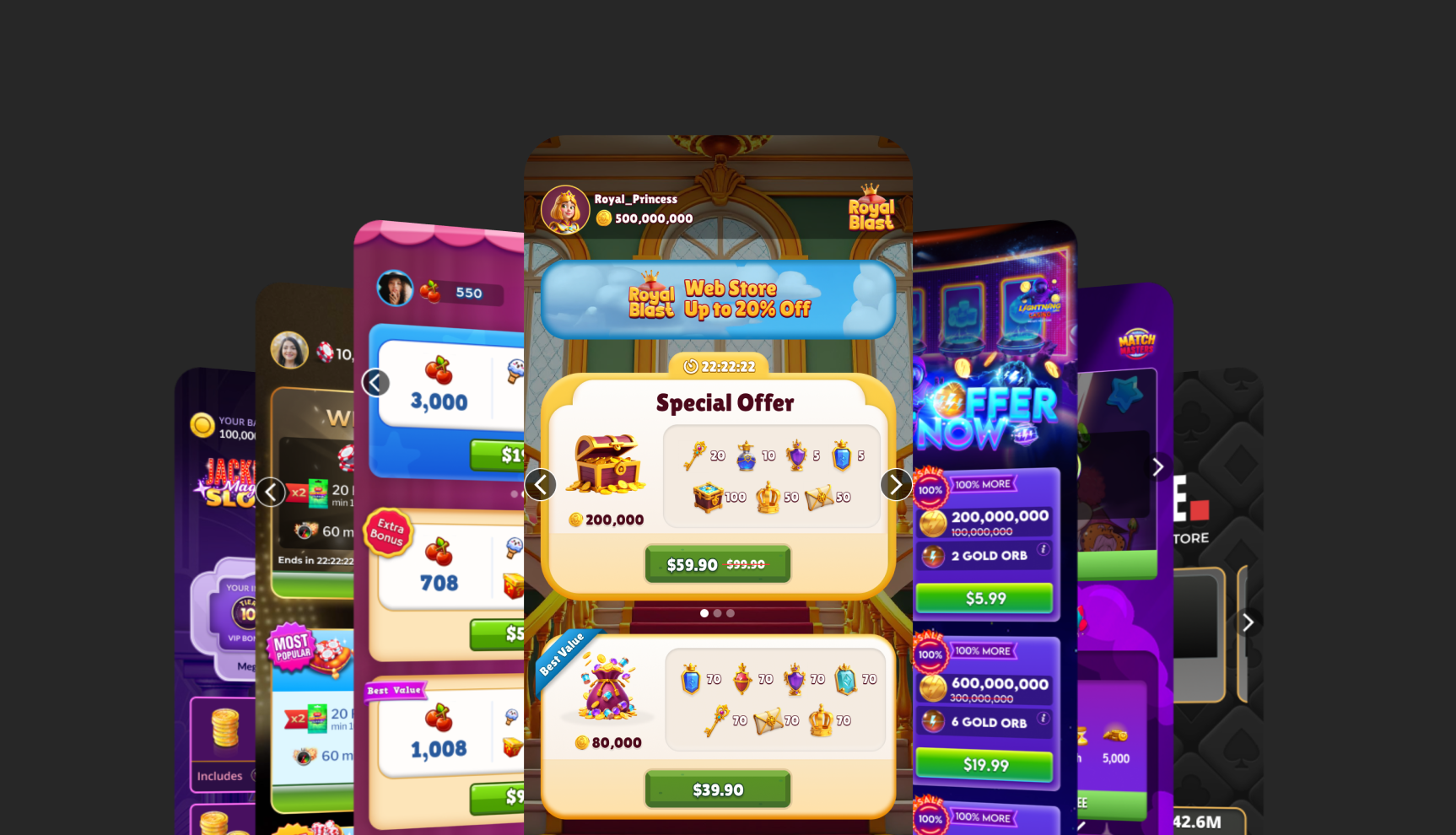
As regulations like the EU’s Digital Markets Act, the U.S. Epic v. Apple ruling and recent Epic-Google agreement loosen the app-store duopoly, developers now have the possibility to build direct player relationships. This DTC shift is being accelerated by new payment technologies that allow studios to process transactions outside traditional app stores – levelling the playing field and increasing competitiveness.
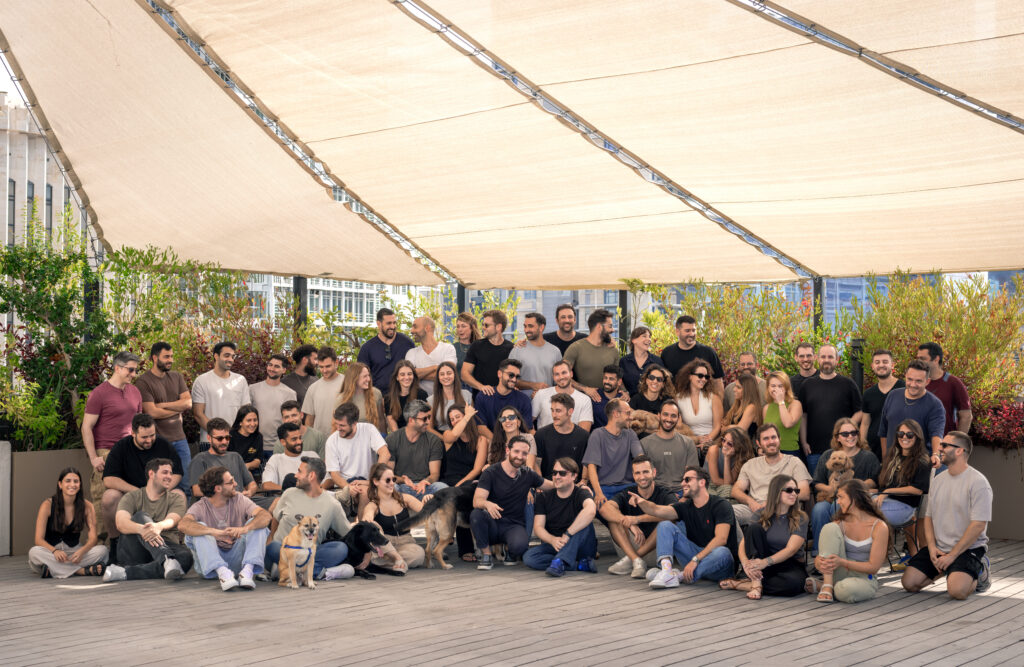
At Appcharge, we work with mobile studios across Europe and the U.S. to enable seamless DTC payments, and we see Finland as a natural proving ground for this next phase. We are expanding our presence in Finland, growing the local team in Helsinki, and deepening partnerships with Finnish publishers and developers.
“Having a local presence really matters in Finland,” Latva said. “The country’s leading mobile studios aren’t just global success stories—they’re communities that share knowledge, test ideas, and collaborate in ways that are uniquely Finnish. To truly understand how this market works and where it’s heading, you need to be here in the same rooms, at the same events, hearing directly from the teams shaping the next wave of mobile innovation. That proximity is what enables meaningful partnerships and impact, and we are excited to see international partners growing their presence here with a local office.”
A crossroads for European mobile games policy
The Nordic perspective also provides a valuable voice in Europe’s wider policy debates. In his recent 2025 letter titled, Let’s Not Kill the Industry, Supercell CEO Ilkka Paananen warned that proposed EU regulations like the Digital Fairness Act could harm one of Europe’s few globally competitive tech sectors. He argued that over-restrictive rules on in-game currencies and microtransactions risk stifling innovation without delivering meaningful consumer protection.
This balance between consumer trust and business viability is particularly critical as payment systems evolve. Finland’s ecosystem, with its transparent culture, robust governance, and close collaboration between industry and regulators, is well placed to demonstrate how DTC models can enhance both player experience and compliance.
Why the Nordics matter now more than ever
Beyond Finland, neighbouring countries such as Sweden, Denmark, and Norway form a broader Nordic corridor of creative and technical excellence. Shared values of equality, digital literacy, and long-term thinking underpin a cluster that consistently produces world-leading games and technologies. Together, these markets act as a laboratory for the global industry: small enough to innovate rapidly, but sophisticated enough to scale those innovations worldwide.
As the global mobile economy enters its next stage, the Nordic countries are once again setting the pace. The region’s mix of design talent, engineering expertise, and open-minded regulation makes it uniquely suited to lead the transition toward player-centric, direct-to-consumer ecosystems. And at the centre of it all is sisu—the quiet determination that took a nation of five million people to the top of the mobile games world, and is now driving them to reinvent how games are made, played, and paid for.
For more information on Appcharge, visit the official website.