
With brands eager to reach gaming audiences, Vertiqal Studios is growing its workforce — and its ambitions — in 2026.
Founded as Wondr Gaming in 2019, Vertiqal Studios is based in Toronto and publicly traded on the Toronto Stock Exchange, taking its current name following a rebrand in 2023. The company currently acts as a content firm and an agency for brands interested in advertising to gamers, developing gaming campaigns and activations for clients including the National Football League, Lionsgate and Coca-Cola. At the moment, Vertiqal’s over 350 owned properties boast 363 million followers across platforms, according to numbers shared by Vertiqal Studios chief revenue officer Saad Hussaini.
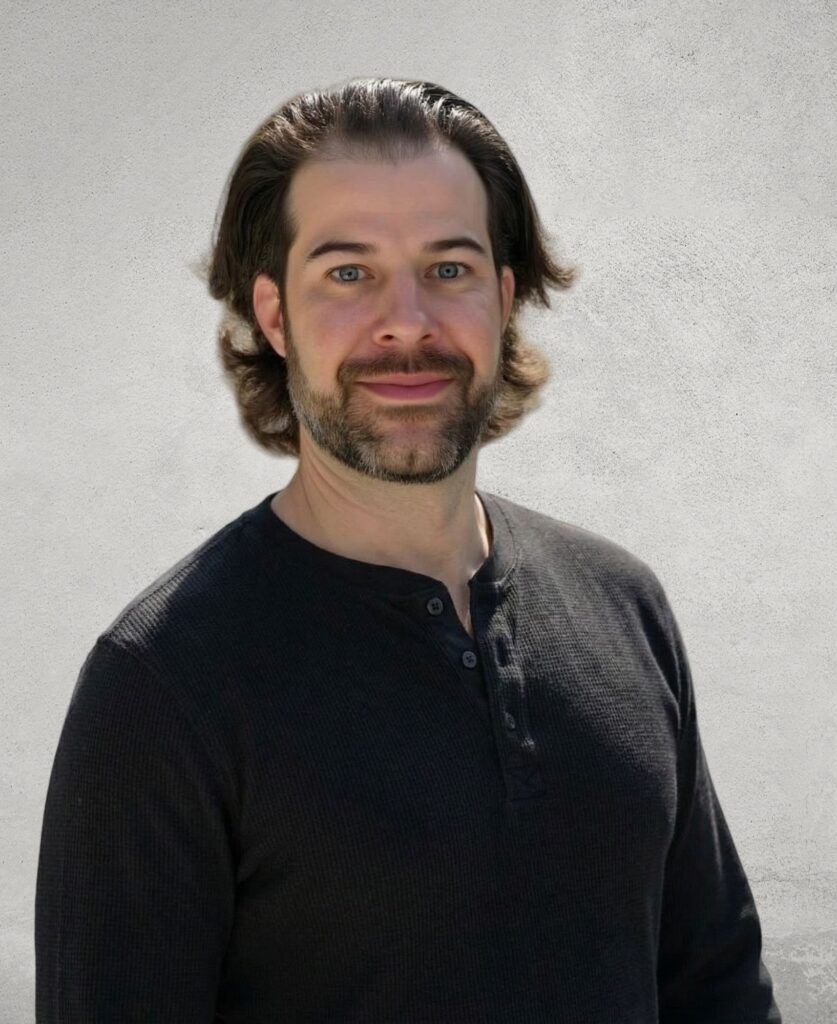
Today, February 17, Vertiqal is kicking off the next phase of its growth by announcing the hiring of Jason Scorrano as its new vice president of brand partnerships. Scorrano, who will lead East Coast brand partnerships for Vertiqal, has years of experience in gaming and esports sales, both as a freelance consultant and for companies like RTS and Evolution Championship Series. He is the first of a planned wave of hires, with Vertiqal looking to beef up its staff of 40 full-time employees with at least eight more hires in the coming year — including four more on Scorrano’s brand partnership team.
“What I’ve seen happen over the last 15 years is that gaming is now pervasive through everything, whether that be fitness, football, soccer, the Olympics. Everything has a gaming aspect, and everyone spends their time gaming,” Scorrano said in an interview with GamesBeat. “And I want Vertiqal to be known as the company that can get you in front of all of those aspects.”
Vertiqal Studios’ strategy is built around the company’s mix of owned inventory and its wide network of gaming industry connections. By holding the keys to inventory that includes the “@gamer” handles on both Instagram and TikTok, as well as licensing partnerships with organizations like the NFL, Vertiqal is able to move quickly for clients interested in integrating into these properties — but its approach is agnostic, allowing for clients to integrate with non-Vertiqal-owned inventory as well.
“We don’t like to sell third-party inventory, if we can help it,” Hussaini said in an interview with GamesBeat. “We like to focus entirely on owned and operated inventory as a first foray.”
Vertiqal Studios is not the only company in the gaming space that leverages its owned inventory as an agency or brand consultancy; over the years, other entities like Super League and Misfits Gaming have also landed on this approach. Scorrano flagged the cross-platform and cross-medium nature of Vertiqal’s inventory, as well as its mixture of in-game and around-the-game offerings, as aspects that set the company apart from competitors.
“We can put together unique offerings, and then we have several other partnerships outside of the owned-and-operated [inventory], with big leagues and so on and so forth, that also round it out,” he said.
As Vertiqal Studios goes into 2026, the company is looking to move forward from its acquisition of Enthusiast Gaming’s direct media sales business, which sparked controversy after contractors for Luminosity Gaming, Enthusiast’s esports team division, requested outstanding payments from Vertiqal. Vertiqal’s then-CEO Jon Dwyer engaged in a series of increasingly heated public online arguments with criticisms of the company’s approach, which had the result of amplifying the drama and making some creators view Vertiqal as the villain of the scenario. Dwyer resigned from his role as Vertiqal’s CEO last month, and Hussaini made it clear that the kerfuffle that followed his company’s acquisition of Enthusiast Gaming was not an accurate reflection of Vertiqal’s broader approach to gaming inventory.
“It was just an unfortunate circumstance, and it was inflamed by some unfortunate incidents for parties who are no longer at Vertiqal,” he said. “But we see it as a very small three-month glitch that happened on our calendar.”