

Auclair: Those are all valid points. You should always know who’s in charge of final approvals on the IP owner side. Is it the movie team? Is it the publisher’s games team? You’ll find that some movie teams don’t know how to make games. They’ll push you to do things that don’t make sense.
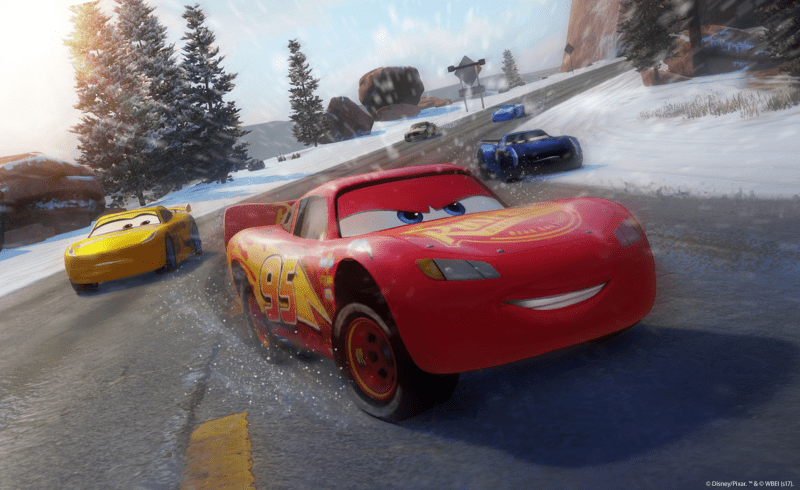
I have two fun examples of that. We did a Cars game for Disney. The cars needed to be based on the toys, because it was one of those games where you’d scan the toys. We had to do like 600 cars, and some of them got refused on approvals because the screws on the bottom didn’t show up when the cars flipped in the game. I don’t know if you know how small those screws would be on an iPhone, but we had to put them in anyway to match the toys. You always need to know who makes those decisions.
Another one was with Lego. We did the Lego City game with different levels of zoom. They wanted the bumps on the top of every Lego brick to be perfectly round at all times. I don’t know if you know how many triangles that would take, but imagine zooming in and seeing all those details on top. It was a PC game, and the performance would die every time. We had to fight with them before they would agree to just having seven sides and a flat texture on top to make it look round. Otherwise the game just wouldn’t work. Always know who you’re going to deal with on a decision-making level. That can kill your game.
Question: Why don’t we see so many triple-A console game brands working on mobile? Final Fantasy has done well, or Fallout Shelter, but there haven’t been many others.
Auclair: If it’s adapted well, it works. With every IP you need to have the right to openly create around the main game. If Fallout Shelter had been another third-person shooter, it wouldn’t work. But the way they did it worked. It needs to be extremely open creatively, and the game needs to be made for mobile.
GamesBeat: Fallout Shelter was also considered a failure in many ways, ultimately, by some mobile people. It could have been built in a way that kept it in the charts forever. People finished the content and then there were no updates.
Auclair: What I like about that strategy, though, is that the people who play console games are willing to spend 70 bucks on a game. If you get them into free-to-play, make sure your startup pack is about 50 bucks, because they don’t mind paying that for a brand they love. There’s a lot of money to be made, in my opinion, in free-to-play console adaptation.
Eger: It’s also important that mobile games are made by and for people in the mobile game space, not by triple-A game makers. Look at Crytek. They tried to do mobile games a few years ago and failed hard.
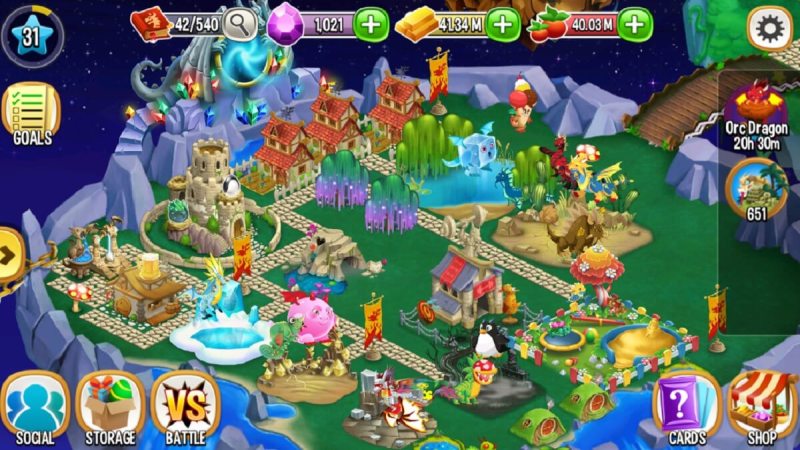
GamesBeat: Take-Two has said something similar. Their console developers had a try at making mobile games, and ultimately they had to spend $250 million to buy Socialpoint because they all failed.
Audience: We tried mobile as well for us, and it likewise didn’t succeed, although perhaps for different reasons. You talked about the developer-publisher relationship and the licensor relationship. I think it’s important, especially for developers in the room — you can’t underestimate marketing back, to that publisher and licensor, what you’re doing. You don’t want to wait every few months for your brand to check in. You want to be sending them highlight reels and treat it just like any other marketing campaign. You want to get them hyped about what you’re doing, because ultimately that may help bring more marketing dollars into your game campaign.
Auclair: I think it’s important to force that love, so to speak. Some license owners are going to have 50 different types of products a year coming out. How do you know they’re going to give you all the love that you need? So yes, do whatever you can. That’s how I see it.
GamesBeat: Does that mean you need to do it at a time when they have something else coming out for the brand, like a movie coming out?
Auclair: Anything. The more you do share with a publisher, the more they’ll share with you. You might not even know that they’re shipping a new game in your brand, a new book or something, but if you build that relationship they’ll tell you more about what they’re doing. Then you can strategize your own production, your own milestones, to fit with their brand road map. That’s critical.
One story about that I have to share — even before we signed the first Bruce Lee game, our pitch was all about showing respect and love to the brand, because ultimately we’re pitching his daughter. We won that pitch because she said we were the only ones who envisioned Bruce Lee like a human being, instead of a guy on a poster, a character in a movie. That opened up our creative pillars for when we did the game, and it opened up our relationship with them.
When we launched the game we got 4.5 million downloads in three days, because they helped us with 20 million likes on Facebook. They promoted the game with videos. We got Georges St. Pierre to make a sizzle reel at our office. Not only did we get the deal, we got all that love for free during the launch. Respect for the brand you work with goes a long way with the owners.
Leopold: To add to that, when we were launching Transformers, we were on a very tight deadline. It was right before the movie was coming out last summer. The game had obviously been out in the west, but it hadn’t launched in China yet. They were also trying to get Forged to Fight out along this same timeline. We had a very narrow window to get through government review and everything.
With all that in mind, it did help, come launch day, when Hasbro was willing to push a lot of marketing behind it. We did a lot of giveaways of rare merchandise. We had a whole section of the office stacked to the ceiling with Transformers action figures. We did live events for gamers, and that was another way to show Hasbro that we were really treating the brand well in China.
Question: What’s the risk versus the reward of reviving an older brand?
Auclair: You mitigate that risk with the amount of money it’ll cost you to license that brand, first of all. You have to evaluate the potential of a brand. There are different ways to do that. Reviving a brand costs money, because you have to spend money on the brand and spend money on the game. But then you also come into the factor of the user base right now being super strong on nostalgia. You don’t know what’s going to happen with nostalgia brands. You could make an E.T. game throwing back to the console game from the ‘80s and that could even work. Nostalgia is strong because of stuff like Stranger Things. There are deals to be had because of that. Your mitigation is your passion, your money, and your ability to take the content forward.
Question: You mentioned earlier that it’s getting harder to go on established platforms like Google Play and the iTunes store. It’s hard to introduce new brands. Do you think that with the interaction of ARKit, AR Core, and the push toward this submarket of augmented reality, is there potential for a new brand to find a home there?
Auclair: Yeah, because it’s a new platform, a new ecosystem. But the rush to that platform is going to be so fast. Apple is telling people, “Hey, if you want your game featured, do something with AR.” You’re going to get the big boys there right from the start — Clash Royale, Candy Crush. All of a sudden they can spend $15 a user, $2 million day. It’s a slightly better chance, I would say, but the market is still very dangerous right now on mobile.
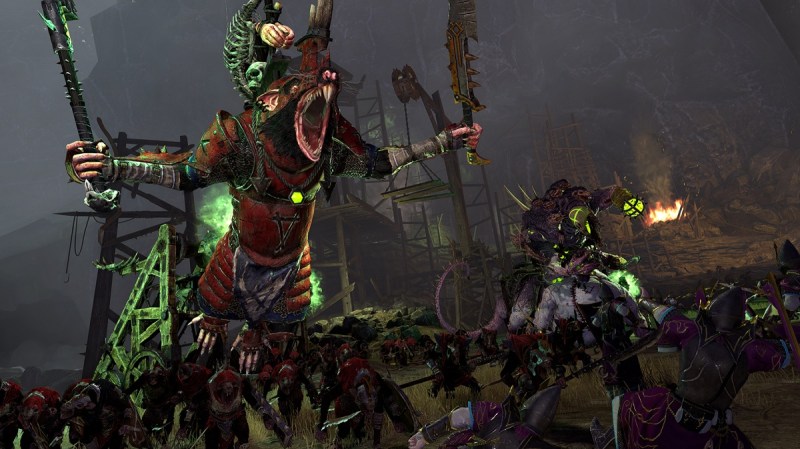
Question: What do you think of the Warhammer license and how Games Workshop has handled that? They’ve sort of shotgunned it, where everyone from triple-A to indies is getting the license and you’re getting a bunch of different games.
Leopold: I’ve been looking at Warhammer games for the last couple of years. Before this explosion started, I kind of thought the brand was getting spread in too many different directions with too many different mechanics. It’s kind of like what I was talking about before, what mechanics work best with an IP. I think it’s a great way to see what sticks, to throw so much out there. But you run the risk, obviously, of oversaturating the market, which you see all the time with IP in the mobile space. Once you identify the mechanics that are working maybe you can go in that direction, but you can’t spread yourself too thin.
Auclair: It’s still very niche, in my opinion. Games Workshop in general is very niche.
Leopold: They’ve been trying to do justice to the brand on mobile and they haven’t really locked that down yet. That seems to be why they took that shotgun approach.
GamesBeat: They seem to have done well with the Total War series of games, where the Total War strategy games had been around for 15 years or so. When they introduced Total War: Warhammer, it was the most successful game ever for the Total War franchise. The sequel has gone even further, getting a ton of lore into the game. But it’s not so successful that they’re only going to do those games in the Total War franchise. They just announced a new historical strategy game as well.
Eger: One thing we didn’t talk about, if you create a game based on IP, it’s important to figure out — like you were saying about King Kong, you can’t necessarily make a King Kong match-three game. You can’t just make anything at all and then leverage an IP to get cheap users. Wooga tried to make their Futurama match-three game and it didn’t work at all.
Auclair: Star Wars: Puzzle Droids, the match-three game they launched in May? Couldn’t get downloads at all, even if it’s Star Wars.
GamesBeat: Caglar, what is the one brand that you maybe would go after?
Eger: That’s a good question. It would have to be something with fewer restrictions, something where we can be flexible. Flexbility is very important for us. Empire is our biggest game, and on a yearly basis we’re having 15-20 big updates. This just wouldn’t be possible if, like you said, we were having discussions for five months, six months with an IP owner. If we could get the flexibility we needed, though, we wouldn’t say no.
Auclair: Hibernum’s approach to IP was to try to focus, especially when dealing with Hollywood studios, on multi-IP deals. What I like about that is the ability to plan in advance for seasonal things, like when new movies come out. You’re not forced to attach yourself to one brand. If that one brand fails or falters you could be in big trouble.
These studios need content. They want games attached to their IP. It’s easy to go to someone like NBC Universal and say, “I want these eight brands. I want to deal for all of them. Here’s my strategy.” That can work really well. You can build that Venn diagram of game audiences and movie audiences. You can cater to seasonal events within your games. That’s a sound approach if you want to hedge your bets, instead of just going for one big IP that’s super expensive.
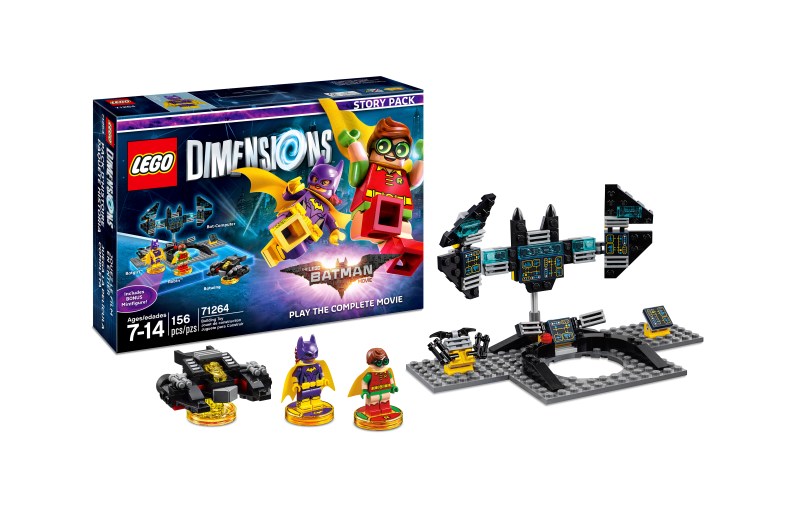
GamesBeat: Lego Dimensions worked that way. You could mix and match brands within the one game. The Dreamworks mobile game was another mixture.
Question: What about IP crossovers, where your game isn’t necessarily built on an IP, but you have an event that brings in an IP? You can get users from a given brand and still retain some of your flexibility.
Eger: That all depends on your audience. If there’s a connection and it makes sense, that can be a really good approach.
Auclair: A good example of that would be Dead by Daylight from Behaviour Interactive. They have all the horror movie icons crossing over. Every time they bring in a new one it’s great for marketing. It brings in new downloads and sales. For me, it’s a balance between how long it’s going to take me to do a deal for just one character, one piece of content, and the value of that character? Some of those deals could be very difficult to do.
Disclosure: The organizers of MIGS 2017 paid my way to Montreal. Our coverage remains objective.