
In today’s increasingly competitive entertainment ecosystem, IP licensing is often what separates a good game from a viral hit.
At GamesBeat Engage in Los Angeles yesterday, June 4, experts and executives from across the gaming industry came together in downtown LA’s Honeypot venue to chat about the evolution of IP licenses and long-term franchise building in gaming. In theory and in practice, speakers throughout the event’s three sessions discussed how powerful IP and good game design can come together to create long-lasting commercial success, both in theory and in practice.
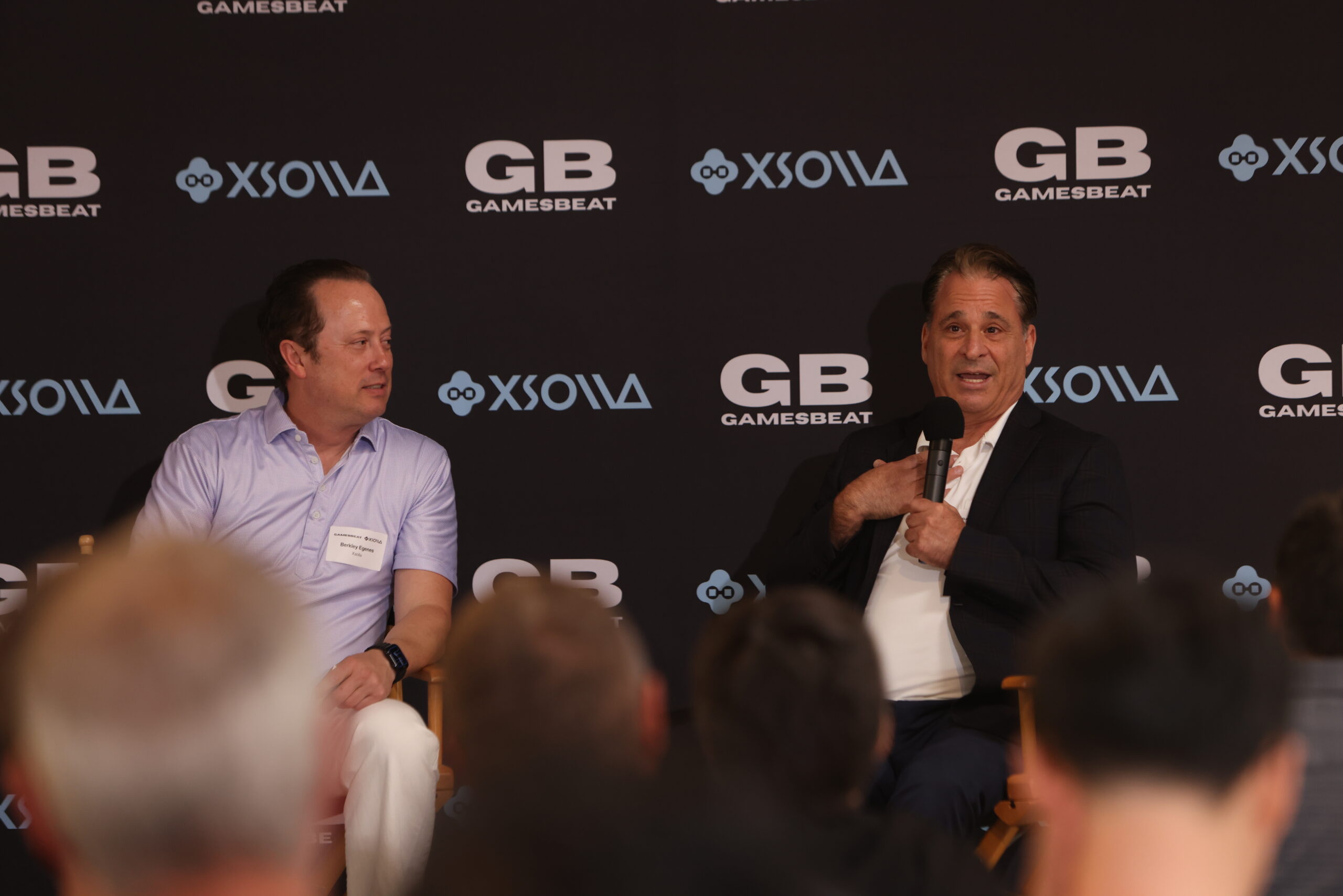
The event, which was sponsored by Xsolla, kicked off with a panel discussion featuring Xsolla chief marketing and growth officer Berkley Egenes and Xsolla Agency global IP licensing advisor Mark Caplan titled “Closing the Gap: Solving the Friction in Entertainment IP Deals.” Caplan, who spent more than two decades as an executive overseeing global consumer products for Sony Pictures Entertainment, said that the idea that only huge franchises could succeed with IP licensing in gaming was a misconception, but that not every media property or brand is an ideal fit for gaming.
“There’s probably 2,000 IPs on the floor, and of those, most of those don’t make sense for a brand or a game — they’re brands,” said Caplan during the panel discussion, describing his experience at Licensing Expo in Las Vegas last month. “I try to look for which IPs have a world; which IPs have characters that consumers will embrace through gameplay.”
The speakers pushed back against the idea that building games using major IPs was inherently expensive, with Egenes describing this as a “false perception” during his panel discussion with Caplan.
“You’ve got to go in first with a plan showing the numbers — where you think you can take it, and how do you integrate and grow that as part of that IP owners’ strategy?” Caplan said. “Whether it’s Disney or Hasbro or anybody else, you want to make sure that you’re building a game that actually lives within their strategy, and also extends it beyond just what you’re developing.”
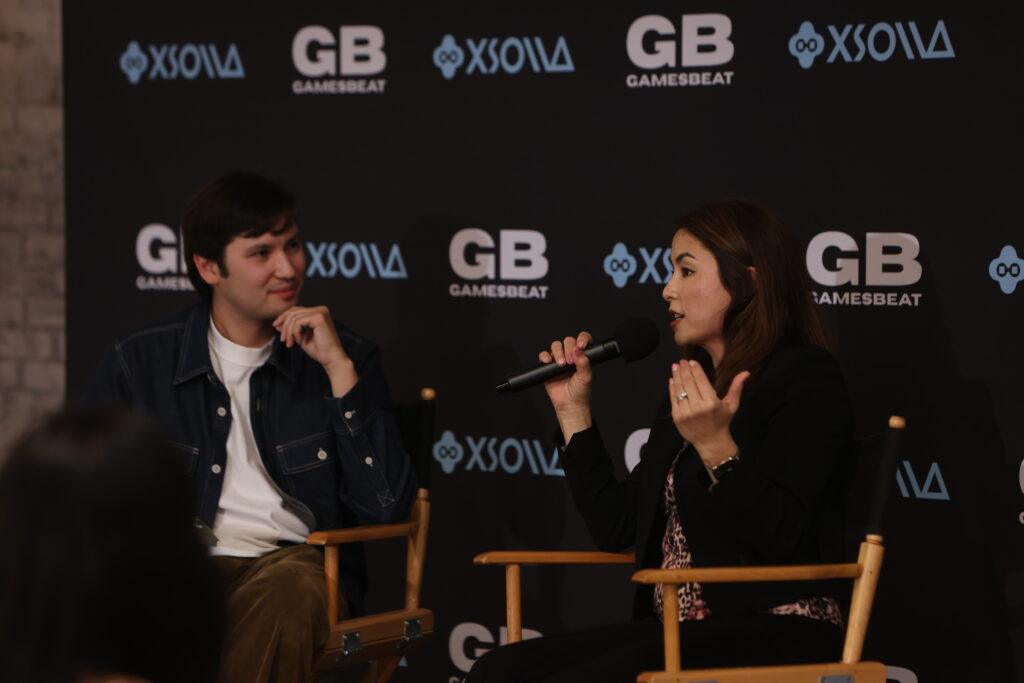
The second speaking session — a fireside chat between yours truly and Maya Rogers, the chief executive officer and president of The Tetris Company — provided practical insights about the IP licensing strategy of a popular intellectual property. Rogers pointed out that Tetris is currently a licensing business, and that it works with trusted partners like Nintendo and Sega to ensure that any new Tetris experience maintains the core gameplay that fans love while also showcasing the strengths of each specific platform where Tetris shows up.
“We make sure that what we call the marathon mode, where you level up and it gets faster and faster and faster — that core mechanism is available in every rendition of the game,” Rogers said during the fireside chat.
Rogers said that the lack of characters in Tetris has actually helped the property expand into a cross-platform media franchise, pointing out that Tetris transcends language and does not box itself into a specific audience demographic.
“It’s not a game for boys only or for girls only,” she said. “It’s a geometric shape, so it’s a universal thing that people can connect to, and so I don’t think that’s limited us.”
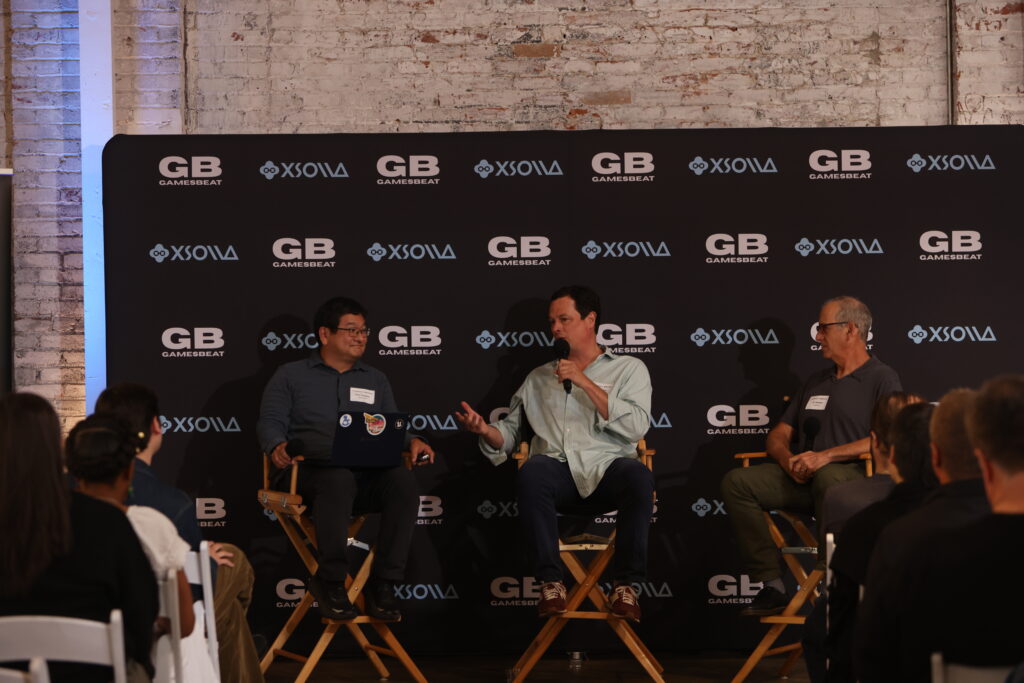
To some extent, building an IP that truly lasts in gaming is a matter of making the right moves at the right time. During the event’s third speaking session — a panel discussion between GamesBeat’s Dean Takahashi, Skybound Entertainment co-founder and chief executive officer David Alpert, and Skybound co-chairman Jon Goldman, which Dean will cover in more detail for GamesBeat — the Skybound executives discussed how they had repeatedly turned down offers to translate popular properties like The Walking Dead and Invincible into games until they felt the cultural moment was right.
“The comic book business is profitable; the TV business is profitable. Walking Dead was making a lot of money,” Goldman said during the panel discussion. “So, we could do it faster if we wanted to compromise — but we don’t.”