
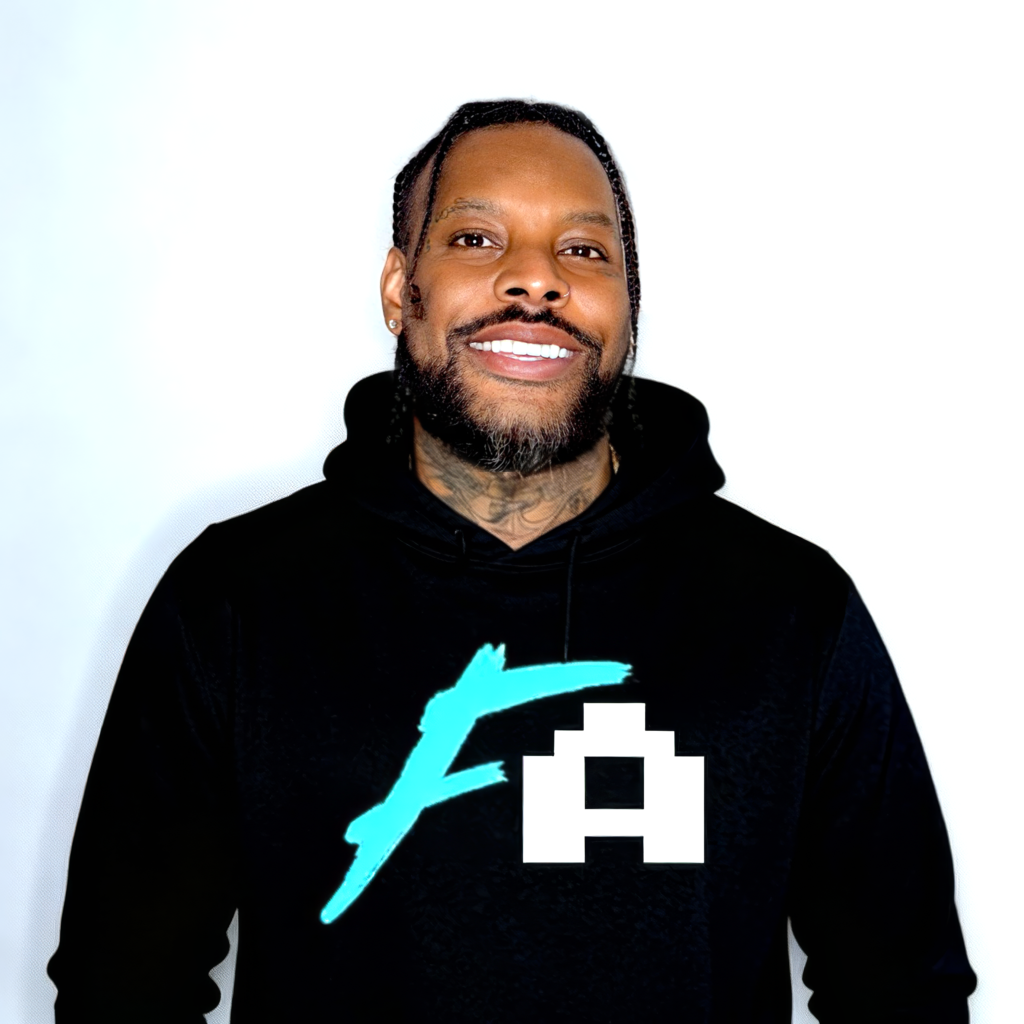
As the line blurs between video games and mainstream pop culture, Marcus Brown is looking to take advantage with his new studio, FanArcade.
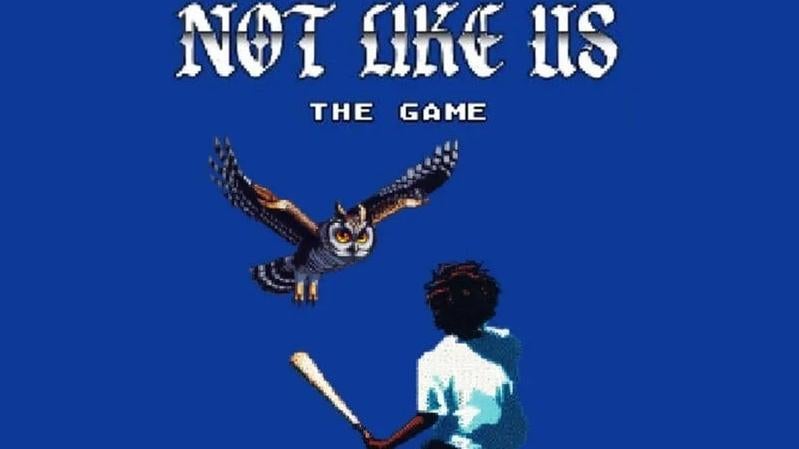
In July 2024, at the peak of the Drake–Kendrick Lamar beef, Brown created a free-to-play game inspired by Lamar’s “Not Like Us” diss track, racking up 1.5 million players in its first 36 hours. Brown — a former rapper who previously found success under the name Richie Branson before pivoting to a career in game design at Harmonix Music Systems and Epic Games — immediately realized he had something special on his hands.
“The game was out, and then 30 minutes later, it was on Billboard, and literally the next day, Rolling Stone emailed me about doing an interview, and the game ended up picking up 1.5 million players in the first day and a half,” Brown said in an interview with GamesBeat. “I think it crossed the million-player threshold 28 hours in. It was just this thing that exploded.”
In July 2025, building on the viral success of his “Not Like Us” game, Brown teamed up with his former manager Kenford Peli and Anthony Brown, another artist manager to co-found FanArcade, which Brown described as a “culturally infused game development studio” in an interview with GamesBeat.
“Our goal is really to solidify, ‘these are the guys that are making the games for all of your favorite brands and celebrities,’” Brown said.
Operating in semi-stealth mode last year, FanArcade has already worked with prominent artists including GloRilla, Chance the Rapper and Playboi Carti. To learn more about FanArcade’s celebrity-powered approach and the company’s plans for 2026, GamesBeat spoke to Brown for an annotated Q&A.
The following interview has been lightly edited and condensed for length and clarity.
On how his experience at Epic Games informs his work
Marcus Brown: “There is a huge audience that loves when pop culture and gaming come together. ‘Fortnite’ does that well, and I was on the ground floor for that. I knew all the collabs that were happening, and was giving input when we brought on Goku and ‘My Hero Academia,’ et cetera. Those roadmaps are long; we would know about that stuff a year before it came out to the public.”

GamesBeat: Ever since Travis Scott’s viral concert inside Fortnite in 2020, Epic Games’ fan-favorite title has set the bar for cross-collaboration between games, music and other areas of popular culture. Brown was at the center of this cultural crossover during his two-year tenure at Epic, where he helped integrate music into features like Fortnite Festival. Moving forward, however, Brown has set his sights on areas of pop culture beyond music, with FanArcade planning to make headway into sports in 2026.
On FanArcade’s philosophy of accessibility
Marcus Brown: “In Fortnite, you have to have a console, or an app downloaded on your phone. You have to have time to set that up — you have to have an account — so it doesn’t really lend itself to be able to capture cultural events at speed. I saw how ‘Not Like Us: The Game’ did, and I was like, ‘if you give people a way to enjoy something gamified without making them jump through a lot of hoops, it’s easier for people to share it.’ If you can see a link to one of our games and actually play the game within 30 seconds of seeing it, that’s a win.”

GamesBeat: For brands looking to reach a wide audience of gamers, a key benefit of activating on platforms like Roblox and Fortnite is their scale, with these platforms offering access to millions of pre-existing, friction or no friction. FanArcade’s gaming experiences are browser-based, making them easily accessible, but lacking a pre-loaded user base. The company is looking to use its celebrity-powered approach to work around this challenge by leveraging the scale of artists’ audiences to acquire users.
On FanArcade’s goals for the coming year
Marcus Brown: “There’s a game in everything, and I’m trying to find it. We found it in music, and we’re trying to find it everywhere we possibly can. So, this idea that we are just looking at every possible aspect of life — whether it’s addiction treatment, whether it’s mental health — and finding a way to create meaningful, gamified experiences. That’s what I’m most excited about in 2026.”
GamesBeat: One of FanArcade’s main projects for 2026 is an augmented reality gaming experience for touring artists, according to Brown, who said the company has already partnered with “a couple of clients” on the experience — including a “world-renowned R&B songstress” — although he declined to share specific names, citing NDAs. Brown described the experience as more similar to ‘Pokémon Go’ than a traditional video game.
“We’re looking at every industry, and we’re saying, ‘How can we gamify that?’” Brown said.