
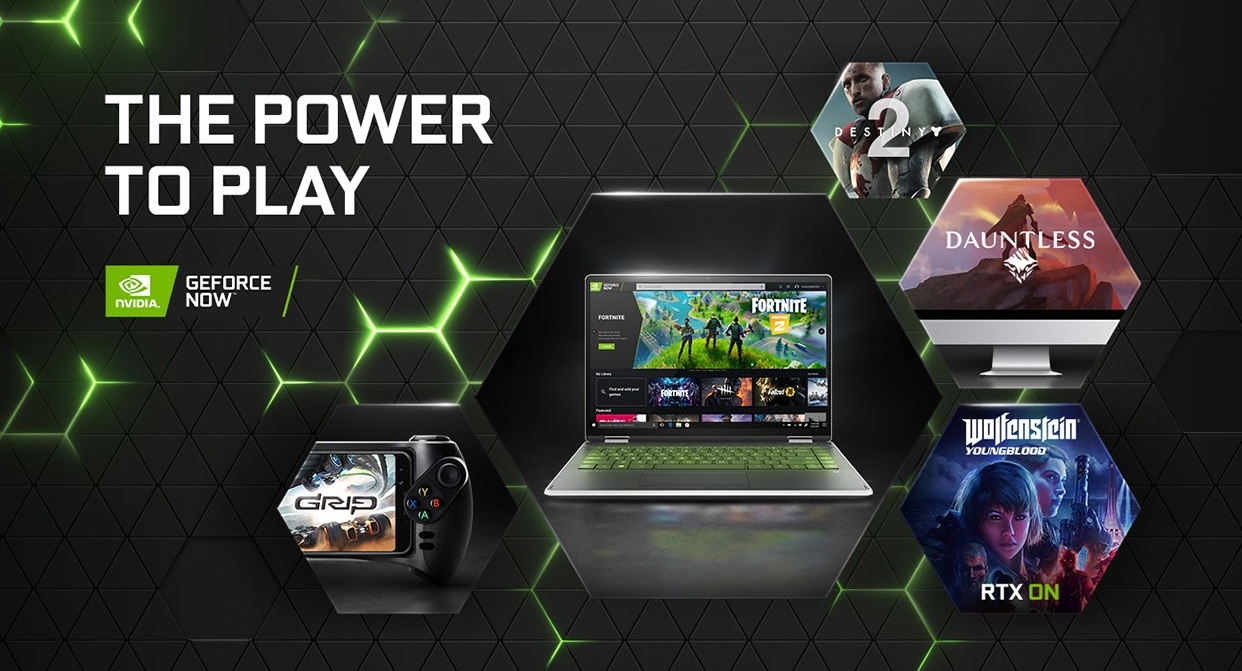
Valve is expanding Steam’s integration with cloud-streaming services. The company released new Steamworks documentation for developers that details how Steam Cloud Play works. As part of this effort, Steam is natively supporting Nvidia’s GeForce Now. That doesn’t mean all of your Steam games work with that streaming service now. But it does mean that it’s easier for developers to add GeForce Now functionality to their games from within Steam’s creator tools.
“Steam Cloud Play is currently in beta and features are being added over time,” reads Steam’s documentation. “We are now accepting a limited amount of games into the service as we continue to build features and server capacity for players.”
Valve also seems aware of the troubles Nvidia faced with developers regarding GeForce Now. When Nvidia began charging customers for that service, multiple studios and publishers pulled their support. Like many fans, Valve is characterizing cloud gaming as a Steam user playing their game on any other PC.
“These cloud services enable Steam users to play their Steam library in the cloud, one game at a time, like they can on their local PC,” reads the documentation. “Developers must manually opt-in the games they wish to make available on GeForce Now.”
This is also part of Nvidia’s efforts to build an opt-in button into various platforms. Nvidia said in April that is part of its plan to ensure ongoing support from developers.
As for Steam, this is just the start of its cloud-gaming plans. Valve says it may incorporate new streaming services in the future. But again, if it does, developers will have to opt-in separately.