
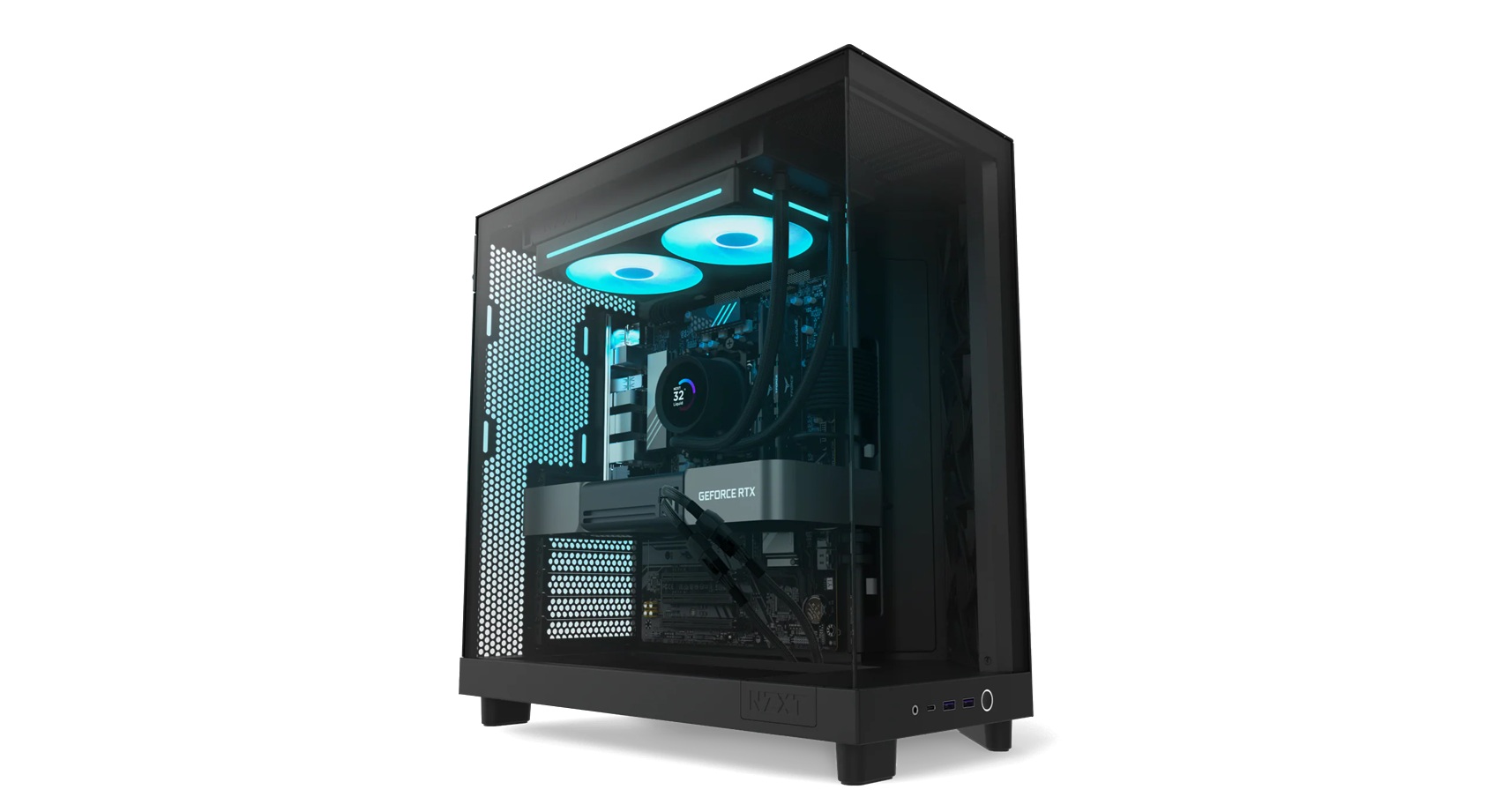
A few months ago, gaming PC manufacturer NZXT offered me the chance to review one of their gaming towers. Specifically, they offered me the chance to use the Player Two Prime, one of their big pre-builds aimed at offering maximum power for PC gamers who don’t want to do the tedious work of building their own rig.
Ordinarily, I would just give my impressions of the rig and the games I played on it and call it a day. But the environment for PC gamers has changed since I first started using the NZXT Player Two Prime. And for me it begs the question: Is a rig like this more of a necessity than a convenience in the age of memory shortage?
How does the Player Two Prime play?
Before getting into the nitty gritty, what is it actually like using the Player Two Prime? It was easy to set up, except for the fact that it didn’t come with a power cable — luckily, I had one on-hand, but still, that’s quite an oversight for such an expensive PC. It was also easy to use with my existing accessories. I even got the RGB lights glowing in my preferred colors!
In order to see what the PC was capable of, I played Indiana Jones and the Great Circle, Assassin’s Creed Shadows, Kingdom Come: Deliverance 2 and, most recently, Resident Evil Requiem. I played other games on it, too, but those were the most demanding titles. The case got slightly hot while playing these games — I’ll probably put in some more fans in the future for the case’s overall health.
I can report that, even when the graphics were cranked up, I didn’t notice any slowdown. I was able to run games consistently at 60FPS, with no noticeable loss of performance. Granted, the Player Two Prime’s build is pretty simple overall. Running games at consistent FPS is the minimum I expect from a rig like this, and it did that — so good job!
The Player Two Prime also comes with an easy overclock option: XMP/EXPO, which you can enable via the BIOS menu. It requires very little effort or knowledge to find and turn on, and it gets that little bit of extra juice out of the rig. I didn’t notice much of a difference when I was working and playing, but again, I wasn’t exactly stretching the rig to its limits.
So is the Player Two Prime worth it?
I’ve built a couple of PCs in my time. I’m by no means a veteran, but I’ve braved the build waters. I’ve also used pre-built PCs. The question with pre-builds has always been: How much are you, the consumer, willing to pay for the convenience of someone else putting the figurative Legos together?
If this were a couple of years ago, I would have said that the Player Two Prime, which is priced at $2,599 for its basic form, comes with too steep an ease-of-use fee. Even in 2026, that’s a very high price to pay for a machine that runs games well. Yes, it comes with a two-year warranty and appears to be easy to upgrade. But in a perfect world, I could build — or even buy — something similar for a lower cost.
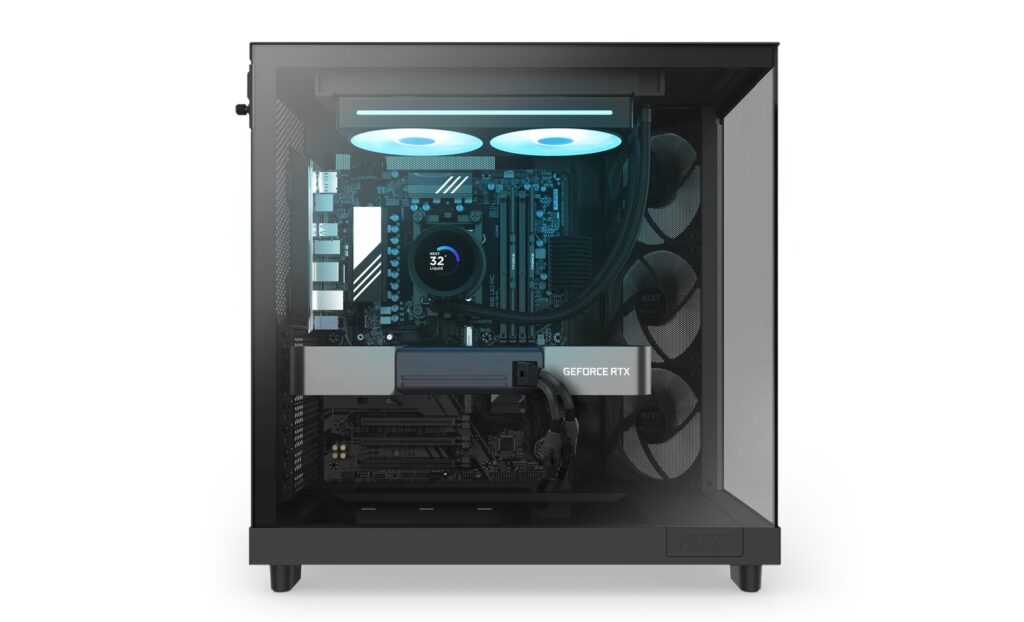
However — and this is a big caveat — we’re currently in the middle of a big component shortage. At the time of this writing, 32 GB of DDR5 RAM, which is what’s inside the Player Two Prime, costs roughly $400 from a site like Newegg. If I recall correctly, that’s more than double what I paid for the same amount on my last build a couple of years ago. A 2TB SSD, which is also inside the Player Two Prime, costs about the same.
That, to me, reframes the whole discussion about not only the Player Two Prime, but pre-builds in general. Not only is a build like this a matter of convenience, it’s a matter of access.
The costs of PC gaming in 2026
The memory shortage has become one of the biggest ongoing news stories of 2026, driven in large part by the demands of AI. The rising costs of components has affected many companies, including Valve, which not only delayed the launch of the Steam Machine but also reports low stock of the Steam Deck, both due to component prices.
Ayaneo recently suspended pre-orders for its Next 2 handheld, citing the exorbitant costs of DRAM. Since its reveal a few months ago, the Next 2 became more expensive to make than the company felt comfortable charging, it says.
Even the big three console manufacturers are reportedly feeling the squeeze. A report from Bloomberg claims that Sony might delay the next PlayStation console’s launch to 2028 or even 2029, and Nintendo is considering raising the cost of the Switch 2. As of today, Sony has already raised the price of PlayStation consoles across all markets.
Ivan Barajas, NZXT’s senior marketing manager, told GamesBeat in an email, “Component shortages have hit the whole industry and we’re not immune to that. We’ve made adjustments where we had to, but the Player Two’s value proposition hasn’t changed. You’re still getting a machine built to perform at the price point that matters most to everyday PC gamers.”
Is a prebuilt like the Player Two Prime worth it in 2026?
Barajas told GamesBeat, “The Player Two hits a price-to-performance balance that gives you serious gaming capability without overpaying for hardware you don’t need. For gamers who aren’t ready to commit to the cost upfront, we also offer the PC through our Flex program: a subscription service that lets you try before you buy or keep the system on a month-to-month basis. If you decide to subscribe long term, we upgrade the hardware every two years so you’re never stuck on an aging machine.”
The Player Two Prime’s $2600 price tag is eye-watering no matter what the parts economy looks like. But there’s no guarantee you will be able to get the component parts cheaper right now, and I’d be lying if I said there was.
I would recommend, if possible, getting a deal on the Player Two Prime if you have access to any coupons or sales — but it is worth it to have access to not only a good PC, but also a two-year warranty.
NZXT provided me with a Player Two Prime for the purposes of this review.