
Today, Arc Games and Cryptic Studios are announcing the return of Jack Emmert, one of the studio’s original co-founders and a pioneer of MMORPGs, as chief executive officer.
Emmert co-founded Cryptic Studios in 2000 and served as lead designer before eventually working his way to creative director and chief executive during the company’s most formative years. He left at the end of 2015, but now he’s back.
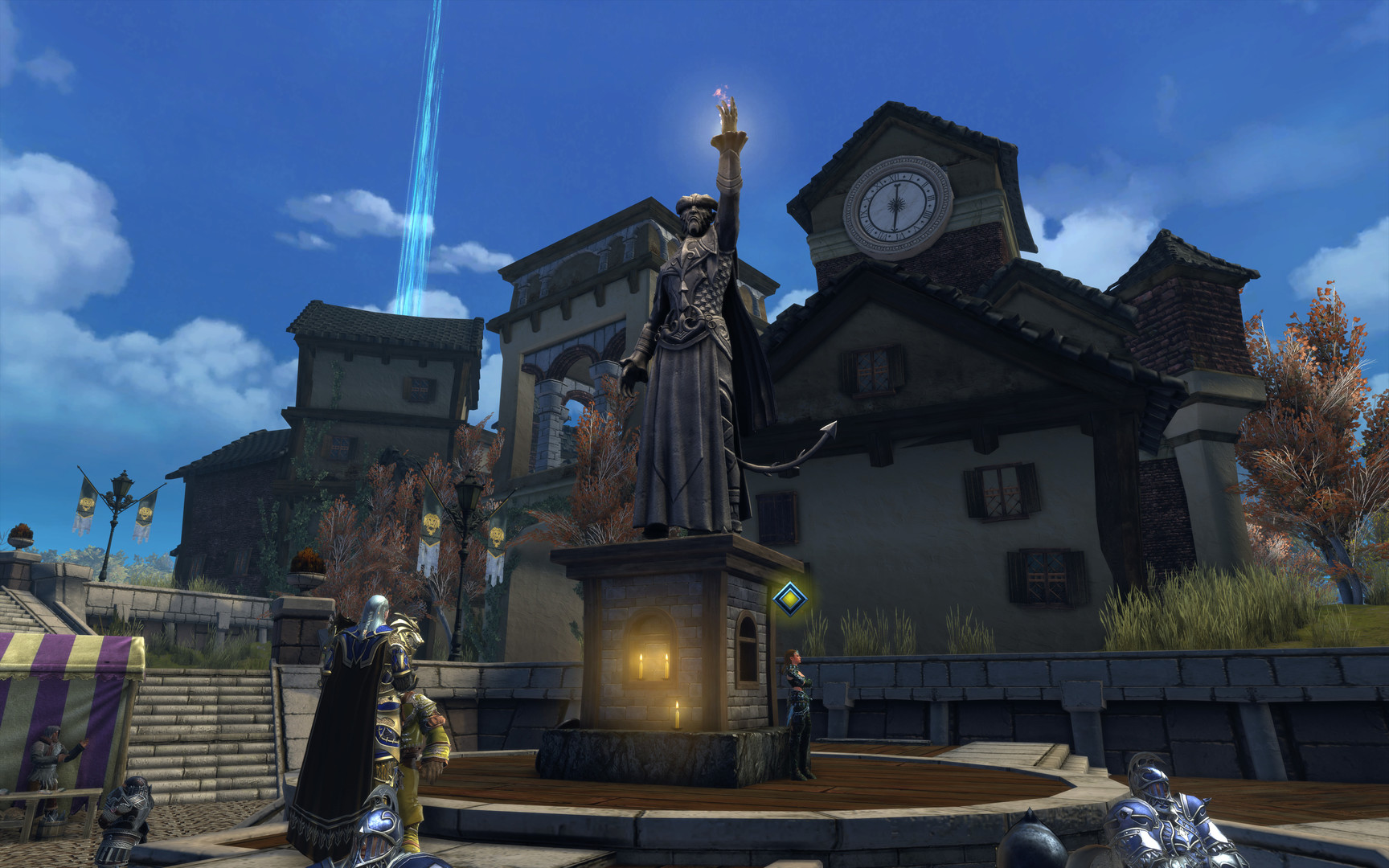
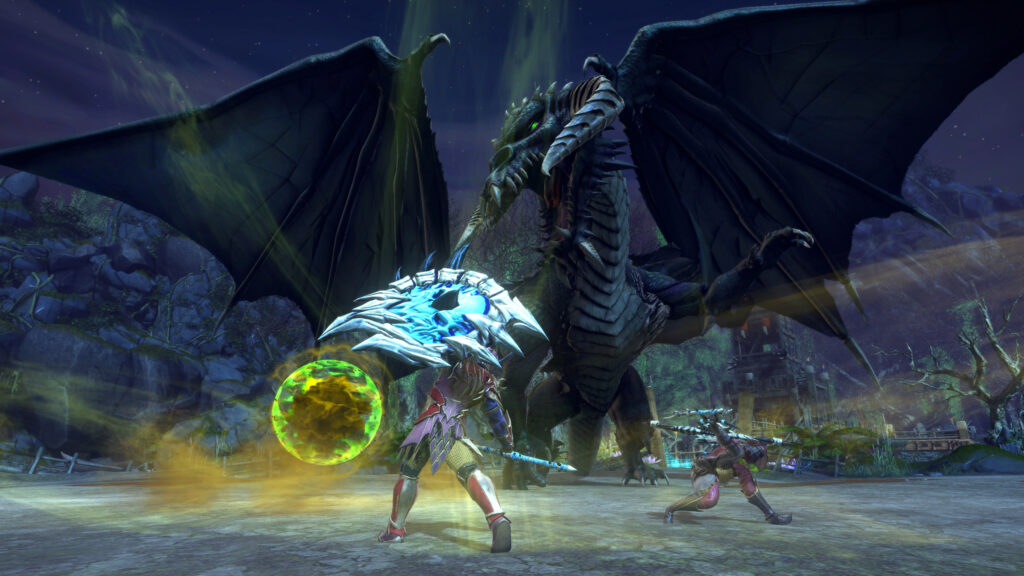
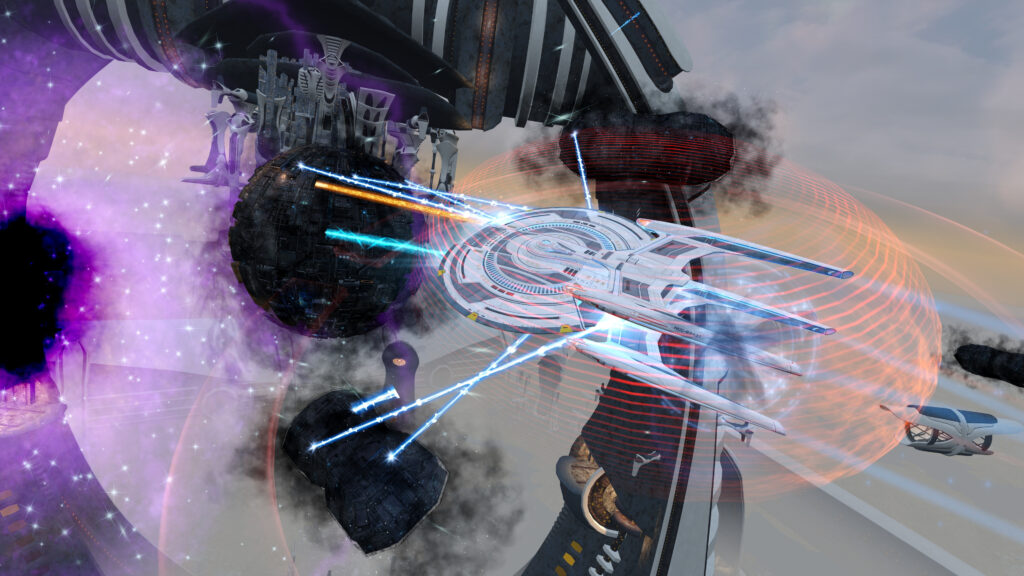
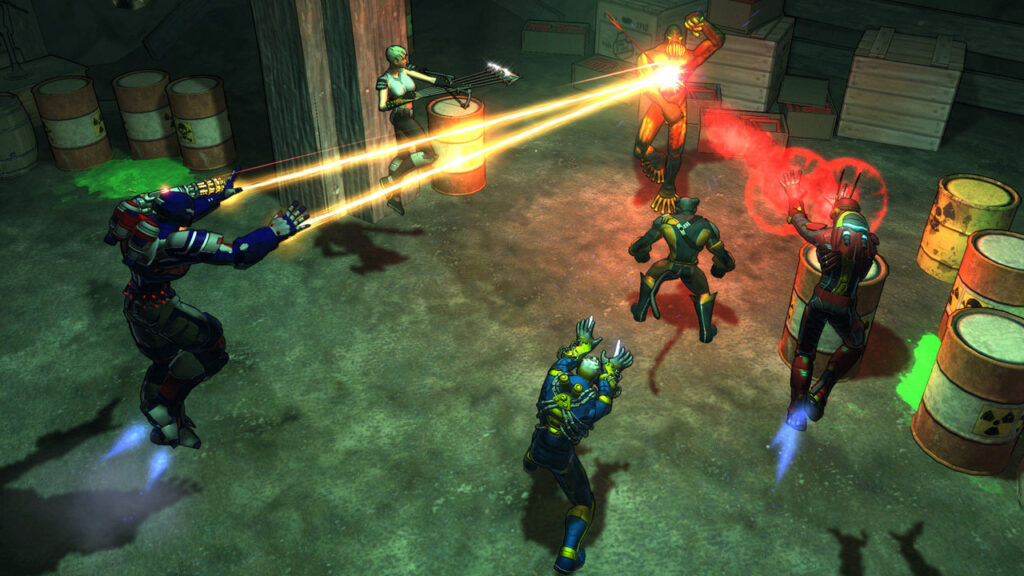
Emmert’s appointment as CEO reunites Cryptic with a creative leader whose career is deeply intertwined with the genre’s rise and evolution, as well as connected to the studio’s three most important ongoing live games: Dungeons & Dragons Neverwinter, Star Trek Online, and Champions Online. Not to mention the classic superhero MMO, City of Heroes.
Across those titles, Cryptic’s games have reached more than 32 million players worldwide, a scale few MMO studios can claim. After leaving Cryptic, Emmert went on to senior leadership roles at Daybreak Game Company (DC Universe Online), which helped expose him to new promises and pitfalls of modern live-service development in a rapidly changing market.
In his return, Emmert has made it clear that his goal is not to wind Cryptic down, but to ensure its longevity. In an industry where even established MMOs are vulnerable to cancellation, his stated ambition is to grow the studio and strengthen its existing portfolio, while reconnecting directly with players through livestreams, AMAs, and more transparent dialogue.
That emphasis on community, sustainability, and long-term worldbuilding is a notable contrast to the boom-and-bust cycle that has defined many recent live-service efforts.
GamesBeat had the opportunity to conduct a one-on-one video interview with Emmert to discuss his career thus far, what he’s learned over the years, and where he sees the MMO market going in the future.
He also discusses what he has learned during his time away from Cryptic, how his leadership style has evolved, and why he believes MMOs must once again become places players visit to relax rather than obligations they feel compelled to maintain.
Below, you’ll find an edited version of the interview transcript to clean up language and clarity.
Let’s start by you giving me a career summary synopsis.
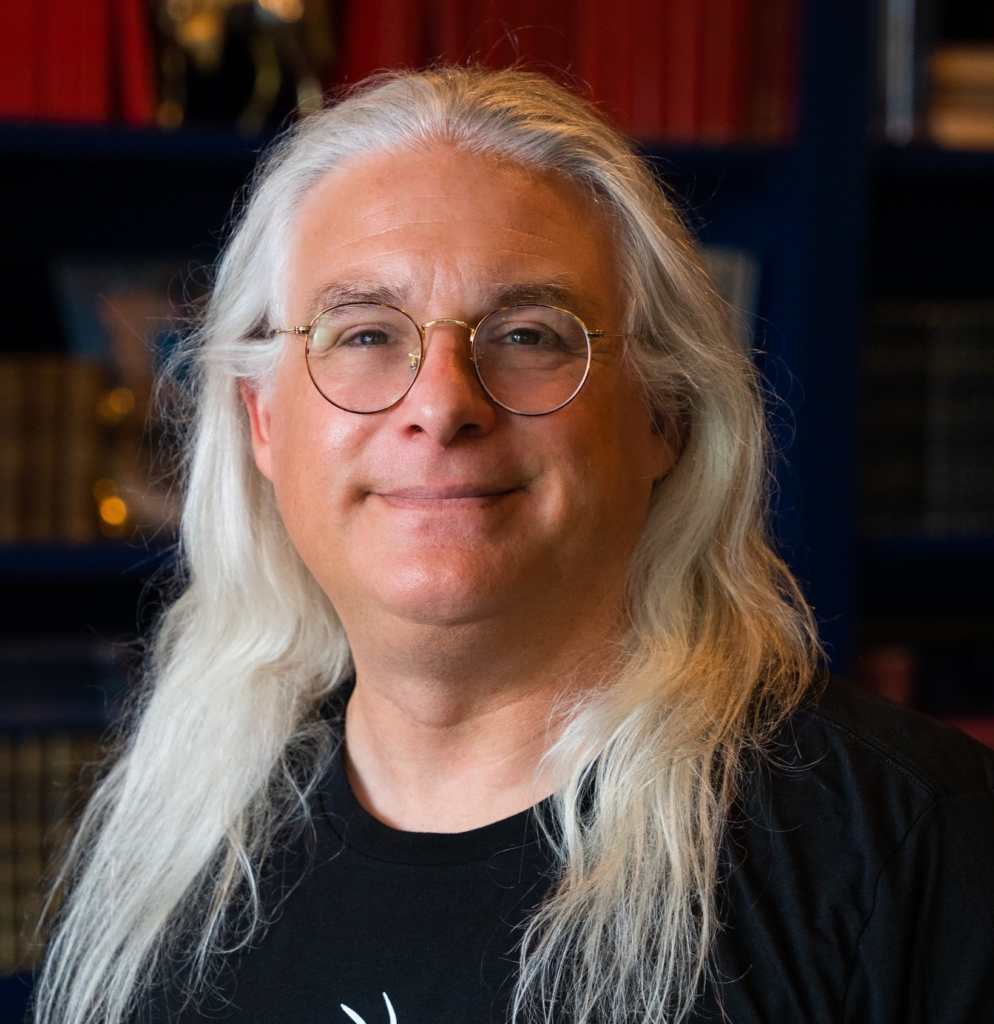
Jack Emmert, chief executive officer of Cryptic Studios: Back in 2000, I co-founded Cryptic Studios with four other people, and I ended up being the designer of the bunch — the lead designer. I designed City of Heroes and City of Villains. Then we worked for a while on a Marvel MMO for Microsoft, but that was canceled, and we pivoted and made Champions Online, and we sold to Atari.
Then we did Champions Online and Star Trek Online. Instead of being lead designer on one project, I was overseeing all of them. After Star Trek, we sold to Perfect World, and by that time, I had become CEO and was running Cryptic.
I stayed until 2016. I left to join Daybreak, where I worked out of the Austin studio. I managed DC Universe Online directly. I also kept track of what had been known as Turbine with The Lord of the Rings Online and Dungeons & Dragons Online. They knew what they were doing — they barely needed my input — but in theory, they were part of my organization.
I worked on another Marvel project, which did get cancelled again. Then I left Daybreak about three years ago and joined NetEase. I formed a studio to make a game set in the Warhammer IP. That studio was shut down in November, and I happened to be in touch with the CEO of Arc Games. We talked about me coming back, and I jumped at the chance.
Yeah, it sounds like your winding path is an all too common story in the game industry, for a lot of folks. Other than the great timing and opportunity, what is bringing you back to Cryptic, conceptually? What sparked your interest in coming back?
Emmert: My main interest is pretty simple. I was proud of the fact that I built a company that has been around for 26 years, and I want to make sure it’s around for at least another 26. I didn’t come here to wind the studio down. That isn’t my goal. My goal is to grow it and continue to make the games that Cryptic is known for. It’s that simple.
That’s a great mission. I think that statement alone is very refreshing to hear, just in the state of the industry that we’re in. You’ve been through studio closures yourself and we’ve seen MMOs get cancelled even as recently as Project Blackbird at Zenimax last year. So, I’m curious to know your perspective on the state of MMOs right now…And why do you think it’s so hard for a new one to really find an audience?
Emmert: That’s a wonderful question, and I’m going to give a kind of a long answer.
Before World of Warcraft, MMOs were mostly in the world of peripheral publishers and developers. These weren’t superstar teams making hit games. These were people you’d never heard of making a game out of the blue. That was kind of the way it was — like, “Who is Mythic? Oh my God, Dark Age of Camelot is awesome.” Same with City of Heroes.
Once Blizzard made World of Warcraft, major publishers and investors began to see that MMOs could make a lot of money. They tried to use the same tools they used to make games like Call of Duty bigger and better. That meant increasing fidelity, which increased costs exponentially, because MMOs have a lot of content. That also increased the forecast needed just to break even.
All of this made sense at the time because your competition was World of Warcraft. After failure after failure, large publishers decided they just weren’t going to do this anymore. It’s not that MMOs can’t be run successfully—it’s that you can’t build and run them like major blockbuster franchises.
It’s like asking a paperclip company, “Can you make keys?” You deal with metal, sure, but it’s very different. This also tainted investment, which used to be very willing, and many investors got out of MMOs completely and followed other trends.
It’s definitely a challenging time, but I haven’t given up. I think there’s a way to make an MMO if you start very small, with a game that isn’t even an MMO, and add more features over time. A good example is Helldivers 2. With expansions, it could become something we’d recognize as an MMO. Maybe it won’t go that path, but it could. That’s what’s needed — a smaller, focused game that grows with care over time.
The way you described that reminds me of Guild Wars when it first came out. Guild Wars Reforged is doing very well for them.
Emmert: Yeah, exactly. Guild Wars. You know, it’s going very well, good for them.
I feel like there’s definitely an opening for that type of game. And it seems like there’s hunger and interest from gamers, because I think a lot of people are getting tired of the sort of constant grind of the typical live service, where it becomes a job.
Emmert: That has to shift. My philosophy with MMOs is pretty simple: it has to be someplace you come to relax. After a long day at work or school, this has to be a world you get into that doesn’t feel like another job. If it does, who’s going to put up with that? People want to be entertained. They don’t need more commitment.
You need to build something people want to do, not that they need to do. And you know, it’s the community, the communal social experiences. It seems like people have kind of lost the plot in a lot of ways.
Emmert: They’re just mindlessly copying mechanics to boost CCU (concurrent users) as if that were the recipe for success, when, in fact, you just need to make a good game. Don’t worry about the rest of the stuff. If the mechanic makes sense for the game, great, do it, but don’t do it just cuz.
Cryptic’s current portfolio is a bunch of games that have been around for a long time. From your perspective, having been elsewhere for so long and now coming back, what do you think you’ve learned in your time away from Cryptic that you’re bringing back with you now?
Emmert: Working on so many other games with developers who have diverse perspectives gave me a different eye for what really works. Most of the changes I’ll bring probably won’t be visible to fans, because they’re about how I work with people.
At Cryptic, maybe I had grown complacent. As someone who founded the company and was intrinsic to it, I might have gotten set in my ways. Our success reinforced that. Going elsewhere shook me out of that and made me realize there are better ways to run things.
As a manager, I hope I’ve evolved to be more collaborative, more receptive, and more patient.
I love all the IPs that we have.
MMOs have a habit, as we’ve alluded to, of being worked on for years and getting cancelled. But are there any future MMOs that Cryptic may or may not be working on beyond what they’ve already got live?
Emmert: Anything new would be in the planning stages. There’s nothing imminent. My job right now is getting to know the games again, the team, and the fans.
I’ll be doing regular live Q&As with fans, taking suggestions, and giving people an outlet to improve games they love. I’ll listen. Why not?
I think that’ll be a nice breath of fresh air for people. I’m sure a lot of people would want to know there’s a new game coming. But then at the same time, I think having confidence in a portfolio that’s been around for so long and not feeling the need to chase a new thing is a very healthy spot for a company to be in.
Emmert:
Don’t get me wrong. I want Cryptic to grow, but growth, not only with new products, but growth with our current games, because I know what they were. I know where we are today. We have great teams on them.
We have true, terrific support from Arc, our teams today on all three games are bigger than when I left in 2016; there are more people working on them right now. So that just tells you that we’re capable of making really great stuff. And I think the teams have really good plans that I’ve seen, and we’re going to sit down, look through the rest of the year and see what good stuff we can cook up.
I wonder if a third Marvel MMO will not get cancelled. Is it the third time to charm? Maybe at some point.
Emmert: Well, I think it’s challenging for the reasons I said earlier. If Marvel wants high-quality games, number one, they’ve got to be investing a lot of money, well over $100 million. That is a lot of coin, especially when you have to share it with an IP holder.
So you’re super nervous about it, and then you have a lot ofcooks that end up in the kitchen, because you want to ensure success. So anything like that is super tough. It’s just super tough. And I’d love to do one, don’t get me wrong, you know. Who knows?
I think it’s very similar to what we talked about earlier, some of the other struggles Amazon has had with their Lord of the Rings game, their Game of Thrones game that’s been talked about, and even someone like Blizzard has had trouble getting a new game off the ground. It’s tough. It’s an interesting place for the industry to be in right now.
Emmert: Each of those companies is unique. Each of them is really good at certain things. Some of them are at a point where they’re so successful, why would you spend the time on a hypothetical new game? That’s effort we could be spending on something else over here that is doing so well. So I get it.
I think one other topic I’d love to touch on is, in your time that you spent in this industry, MMOs as a genre have really shifted towards a more action-heavy focus. A lot of them have gameplay that is much more action-driven. How do you view the current slate of things? We have games that are tapping into more nostalgia, like Pantheon.
Emmert: Games like Subnautica, which aren’t a true MMO, but that’s a game about discovery. And by the same token, Destiny, too, has incredible combat, like super fun, super great, super engaging. But each of those doesn’t step on the other’s toes. You know, it used to be that an MMO would try to be all things at once. And so I do think that the future of MMOs is picking a lane and sticking to it, mostly for a matter of scope, but also realistically, you can’t do everything. Well, it’s impossible.
To wrap up, if you want to just talk about the future of any of the three games. Or are there any particular things that you can allude to, or discuss what’s coming?
Emmert: I think I could say that, as somebody who is coming back to the games myself, I’m going to be focusing on making that a lot easier for everybody. I don’t want people to need to go scour the internet to figure out how to update their character in Star Trek or Neverwinter.
Who wants a second job, right? I think that is going to be a really big part of it. I’m coming back. I’m playing. So if anybody out there reading this has an interest, come on in. Let me know. I’m going to be doing these Q and A’s. Let me know what you want to see. And it’s going to take a while. We’ll slowly but surely, and we’ll have some fun events and things like that to encourage people to come in and give stuff a try. But that’s really my number one focus right now.
Well, I appreciate you taking the time to chat with me. It was great getting to speak with you!
Emmert: Hey, thanks so much, David. Appreciate it.