
Ironroot Games is an all-new game development studio born from the ashes of the canceled Project Blackbird MMO that was in development at Microsoft-owned ZeniMax Online Studios.
In the wake of ongoing mass layoffs across the game industry, a growing number of veteran developers are choosing bold options like building something new rather than waiting for stability to return. Ironroot Games is one of the latest examples of that shift.
The employee-owned studio was formed by more than 20 former developers from ZeniMax with a goal to create something fresh and original.
Rather than dispersing across an uncertain job market, the group made a deliberate decision to stay together and reclaim control over how, and why, they make games. Ironroot was founded around the belief that AAA-caliber talent does not require AAA-scale bureaucracy to succeed, and that long-term sustainability, creative autonomy, and fair compensation are not incompatible with ambition.
The result is a studio designed from the ground up to put people first, with an emphasis on shared ownership, transparent decision-making, and realistic production scope. Early funding is sourced from friends and family of the company who want to support the project privately.
The team is currently operating in stealth, prototyping its first project: a solarpunk-inspired soulslike that leans into themes of community, optimism, and resilience. While details remain closely guarded, Ironroot’s leadership describes solarpunk not just as an aesthetic but as a philosophy that contrasts sharply with the bleakness that often defines the current state of the industry. The focus, for now, is on building a strong foundation rather than rushing toward announcements or external funding.
Ironroot’s formation also reflects broader structural changes in game development. With modern tools like Unreal Engine lowering technical barriers, and traditional “safe havens” in AAA proving increasingly fragile, experienced developers are rethinking what independence can look like.
For Ironroot, that means keeping the studio intentionally lean, avoiding runaway scope, and resisting production models that lead to crunch or wasted work.
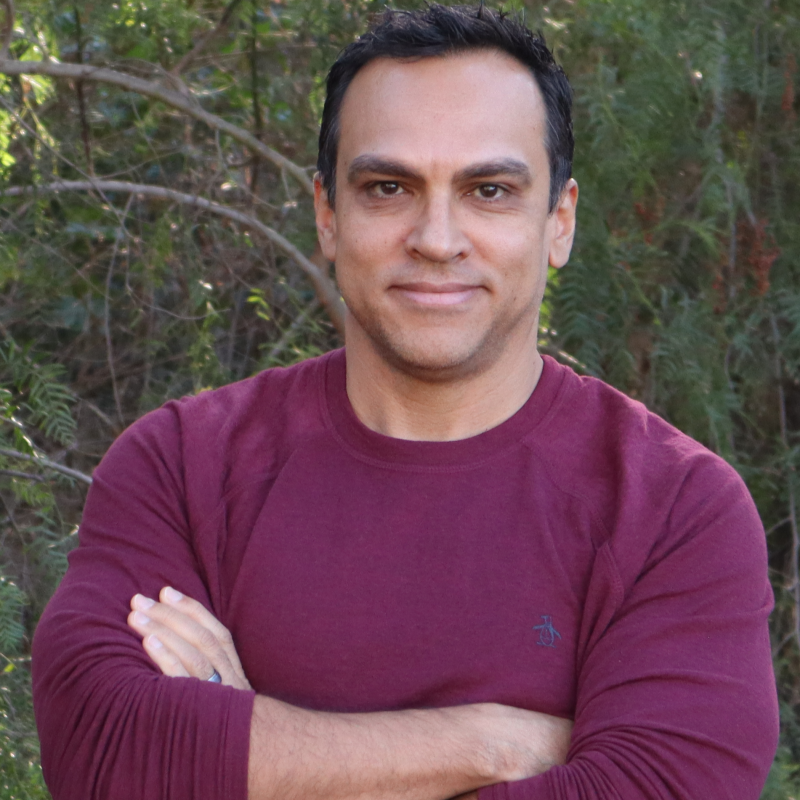
GamesBeat had the opportunity to conduct an email Q&A interview with Ironroot Games co-founder and creative director, Quentin Cobb.
The following lightly edited Q&A offers an inside look at how the team turned layoffs into a launchpad, why employee ownership matters to them, and how they hope to build a healthier, more sustainable future for both their game and the people making it.
GamesBeat: Can you share more about your upcoming game, including its themes, mechanics, and what players can expect from the gameplay experience? What does solarpunk mean exactly?
Quentin Cobb: We are inspired by the solarpunk aesthetic and core values. We’ve embraced the Solarpunk themes of community and an optimistic vision of the future. At this time, we’re focused on making the best prototype we can, we will share more details when we’re ready.
GamesBeat: Will you be able to share any visual assets, logos, names, or anything like that?
Cobb: We’re still in early pre-production and we’ll share information on the game in the future.
GamesBeat: Can you describe the moment when the decision to form Ironroot Studios was made, and what drove you to take this path?
Cobb: After the cancellation and layoffs at Zenimax Online, I had a few interviews at some indie and AAA studios. After a few rejections and cancelled interviews, I took stock of the current job market. Many of my friends from Zenimax and past workplaces were also struggling to find work. I realized that these big studios that were traditionally a safe haven of stability were not going to save us (or at least me) from the impending unemployment. That realization, combined with how easy to use Unreal Engine was out of the box, I decided to take a chance and create my own game. I started gathering old coworkers and friends from around the industry, and started prototyping fun ideas. I put together a pitch for what would become this project, and we went from there.
GamesBeat: Are you able to comment on why you think the layoffs happened and why the in-development MMO was canceled? What were the underlying causes, and how do you plan to avoid those with your studio?
Cobb: We really can’t speculate on the business decisions of a major corporation. We can say that we’ve been watching the pattern of layoffs in our industry over the last couple of years, and we are striving to ensure that we build a sustainable, small studio from the ground up. We want to be mindful of what we commit ourselves to and plan accordingly, so that we can make the best game for players while setting up our studio for future success.
GamesBeat: What core principles and values are at the heart of Ironroot Studios, and how do you see these shaping your approach to game development?
Cobb: I spent several weeks crafting our studio pillars, which I will post on our website in the near future. Our company pillars put people first, and they are grounded in the reality that it is the people who actually make the game and not the company. I’m focused on making sure the team feels valued and respected with proper work-life balance. I have experience working on giant AAA projects, and I am taking lessons learned from those productions to the creation of Ironroot. I aim to make a sustainable business that keeps our project scope in check and is built around long-term success.
GamesBeat: Ironroot is an employee-owned studio. How does this model impact your decision-making process, and what benefits do you hope it will bring to your team and your projects?
Cobb: We value each voice in our company and listen to any concerns or new ideas each team member may have. We have a number of veterans and juniors on the team who bring invaluable experience and knowledge that we are counting on to help shape our future decision-making to push our studio in a positive and inclusive direction. I would like to move away from the hierarchical structure of what the team has experienced in their careers and embrace indie development in the opportunities that folks will have to wear multiple hats, learning and growing in new ways. It’s not just about a financial model or studio culture; it’s truly building a workspace and workflow that is conscious of everyone involved and gives them the space to get invested in.
GamesBeat: Where is capital, funding, investment, etc, coming from? How sustainable is the business, and how long until you need to start making revenue?
Cobb: Our early funding has come from friends and family who wanted to support the project privately. Our current focus is on building the demo and reaching our next milestone.
This all started with a group of friends getting together to make our own project and develop a great game concept. All of the progress so far has been very promising, and the team is really invested in the core concept. We all understand the challenges of the current games market, and we’re entering 2026 with cautious optimism.

GamesBeat: You’ve mentioned a focus on creative autonomy. How do you see this influencing your game development process, and what kind of projects do you hope to tackle as a result?
Cobb: Having full creative control and freedom is paramount for our team. We are focused on the art of game creation first to allow us to explore and make something that is truly our own. We want to get back to our roots and rediscover the reason we all got into game development. Passion. We are making a game we truly believe in, and our hope is that the audience will appreciate our artistic vision.
GamesBeat: Building a new studio from scratch comes with its challenges. What have been some of the most significant hurdles you’ve faced so far, and what lessons have you learned along the way?
Cobb: I have personally learned that trying to be the CEO and lead creative is attempting to hold two full time jobs simultaneously. I was feeling burnt out trying to do too much in a short period of time. The other lesson I’ve learned is that all of this takes time. I was initially rushing to get a prototype out the door and land a publishing deal quickly, and that was a huge mistake. I’m taking it slow and working at a pace that is healthy and sustainable.
GamesBeat: Ironroot seems to be responding to some of the industry’s current challenges. What do you think is missing from the current gaming landscape, and how do you hope Ironroot can help change that?
Cobb: I think two of the game industry’s biggest challenges are game scope and fair compensation. Many big AAA games have massive scope and scheduling issues that cause a lot of wasted work and crunch. We are working on planning our production very carefully and with a small scope that our team can achieve without crunch and throwing away a ton of work. Another huge issue is fair compensation for individual contributors. The people who actually make the game need to be paid appropriately, especially when those games make millions or billions of dollars. The wage gap between C-suite executives and ground-floor employees in tech and in games is ridiculous. We plan on having a fair, transparent, and equitable compensation and revenue share agreement with all team members and contractors working on our project (and future projects).
GamesBeat: What are your goals for the future, both in terms of your game and your studio’s growth and development?
Cobb: Our initial short-term goal will be to highlight the humans making this game. We want to make sure every team member is celebrated and has a moment to show their work on this game. It’s important that the public knows every part of this game is made by a human, from the art, writing, animation, and programming. Everything coming out of this studio on this project will be handcrafted.
Beyond that, we want to keep this game and team relatively lean so the budget and scope stay within reason, so the game can release in a timely fashion. We will be doing a very small amount of hiring, and we’ll be focused on working with individuals and small teams for any contract work. I’m also going to be focused on working with North American game developers. I’ve spoken with several talented people in other countries, and I will most likely hire a few international folks; however, my priority will be to give work to my North American neighbors.
I will also be focused on giving juniors and laid-off developers a chance. I think game devs from these two groups deserve a shot, and I have a feeling these folks can give this game some amazing energy and fresh ideas.