
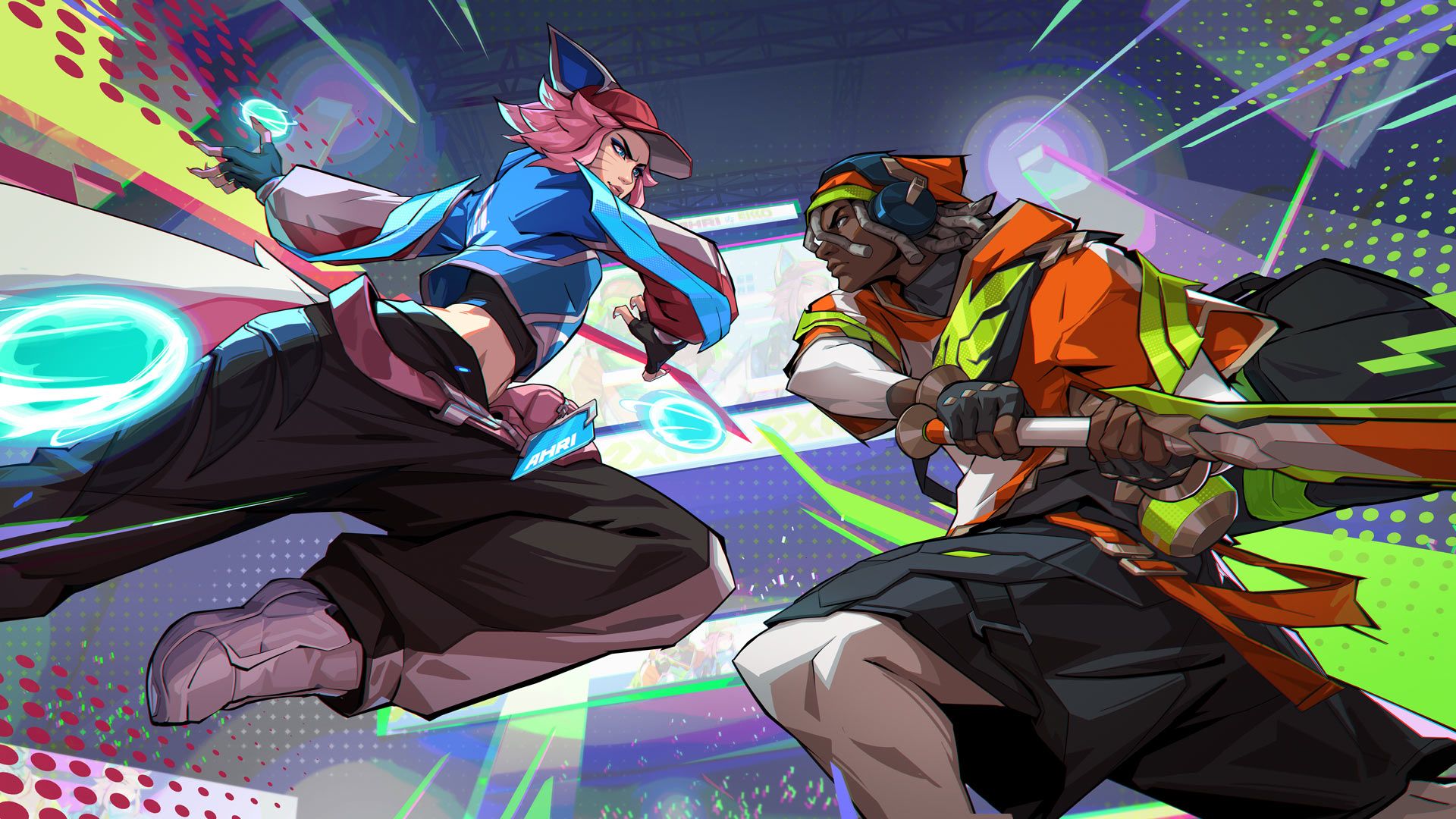
Competitive “2XKO” is all about the tournament organizers.
As Riot Games celebrates the console release of its fighting game today, January 20, the company is structuring its support for “2XKO’s” competitive scene around tournaments and the people who operate them, both through Riot’s “First Impact” program, which is slated to provide sponsorships for 22 community-run tournaments this year, and through the sales of “2XKO’s” “Frame Perfect” line of in-game skins, which provide a cut of revenue to tournaments’ prize pools and production costs.
On January 9, Riot Games covered GamesBeat’s travel costs to attend a “2XKO” demo event — and we took advantage of the opportunity to chat with Riot executives about their plans for the game’s competitive scene going into 2026.
After scaling back its investment in esports in 2024, Riot Games is taking a more measured approach to the way it is building the “2XKO” competitive scene. The company is taking cues from the elements that worked best in its other esports — the “Frame Perfect” revenue share system, for example, is reminiscent of the popular Champions team skin revenue share ecosystem in “Valorant” — and eschewing the strategies and ideas that didn’t work quite as well.
“Integrating [revenue sharing] from the beginning is the biggest cue that we’ve been talking about since I joined the team in 2022, and that was a lot of learnings from the earliest Champs bundle,” said Michael Sherman, Riot’s global head of Teamfight Tactics and emerging esports, in an interview with GamesBeat. “The other piece that we’ve been thinking about a lot of the learnings is the longevity piece — thinking about the ways that we can make sure that when we have good years, that that pays off for a long time. We’re trying to help give people the predictability that these things are here to stay.”
Ahead of the release of its Champions skin line in “Valorant,” Riot Games guaranteed a minimum payout to participating teams. The company did not guarantee a minimum revenue share payout to tournament organizers participating in the “Frame Perfect” revenue share, according to Sherman.
“We are, of course, trying to help do some planning for them this year of what we expect things to look like,” Sherman said. “So there’s a lot already built in there, but it is not being framed as a minimum guarantee.”
Lack of guarantee notwithstanding, participating tournament organizers feel very positive about the way Riot is approaching its revenue share system for “2XKO.” In the fighting game community, tournament organizers have long been viewed as unsung heroes, doing much of the grunt work to make events happen but receiving relatively few of the benefits. By sharing a portion of in-game item sale revenues with tournament organizers, Riot is acknowledging their crucial role within both the competitive scene and the broader “2XKO” fandom.
“Anything that helps tournaments increase prize pools and recoup production costs is critical in the decentralized, grassroots ecosystem that competitive fighting games rely on. Live events are inherently expensive, with reliable new revenue streams often being few and far between,” said Rick Thiher, the general manager of the annual fighting game championship Evolution Championship Series (Evo), in an interview with GamesBeat. “While I have no insight into what ‘Frame Perfect’ might generate revenue-wise in its first year, having a new way to reward competitive success for players and potentially pay for attendee experiences is incredibly appreciated.”
After operating a demo experience at Evo 2025, “2XKO” will be a featured game in the lineup of this year’s championship, according to Thiher.
“Having ‘2XKO’ be part of Evo’s root purpose — and adjoining stage show, custom soundtrack, and broadcast — is something we’ve been looking forward to as part of our partnerships with them for years now,” Thiher said.
Riot’s outreach to the fighting game community is not limited to traditional FGC events like Evo. The company is also making a conscious effort to reach out to other game communities, such as the “Super Smash Bros.” scene, through partnerships with dedicated “Smash” tournaments such as Genesis X3.
“We want to go where fighting game players are today, and we recognize that fighting game players show up in all sorts of different shapes and sizes,” Sherman said.
Although esports teams are not benefiting directly from “2XKO’s” revenue share system the way some did with “Valorant,” they are enthusiastic about Riot’s approach to the game’s competitive scene as well, viewing it as the right way to spur organic and sustainable growth.
“I think they’re focused on the game first, which is the right approach,” said Marco Mereu, the CEO of the esports organization M80, which signed “2XKO” player Jo’siah “Hikari” Miller last month. “They’re going to let local operators and TOs run these events and build up the ecosystem organically, which is the right way to do it.”
As Riot cranks the monetization dials up on “2XKO,” the company is taking deliberate steps to ensure that everything it does resonates positively within the FGC. The company was confident about last year’s Chipotle and “2XKO” brand integration, for example, because Riot staff had observed the brand’s conscious push to show up alongside other FGC games and events in recent years, according to Riot Games director of product management and “2XKO” publishing lead Mia Putrino. Unlike other Riot titles, the world of “2XKO” is less entrenched in the lore of Runeterra, creating more natural opportunities for brands and advertisers to show up inside the game — when done right, of course.
“We’re definitely looking at the best ways to bring interesting collaborations into the game,” Putrino said in an interview with GamesBeat. “And I think one of the things that ‘2XKO’ is uniquely positioned to do among the overall Riot portfolio is to actually do that in a way that feels good, and not yucky to the core.”
Riot views today’s console release as the true launch of “2XKO,” in large part because the company recognizes that core fighting game players are much more likely to play games on console.
“Landing on console marks our actual launch moment,” Putrino said, “because now we’re actually available to the audience who we know have been really excited to play.”