
For Ubisoft, “Splinter Cell: Deathwatch” came at the perfect time.
Ubisoft’s animated television show — the first-ever TV adaptation of the long-running “Splinter Cell” series — has been in the works since 2020. In spite of this long development timeline, however, the timing of its release on Netflix in October 2025 was particularly opportune, following hot on the heels of smash-hit video game TV adaptations like “The Last of Us” and “Fallout.”
Netflix has not yet released official viewership numbers for “Splinter Cell: Deathwatch,” but all signs indicate that the series has been a success. Amid a wave of positive reviews, Netflix has renewed it for a second season — and last week’s Game Awards, the series was nominated for Best Adaptation.
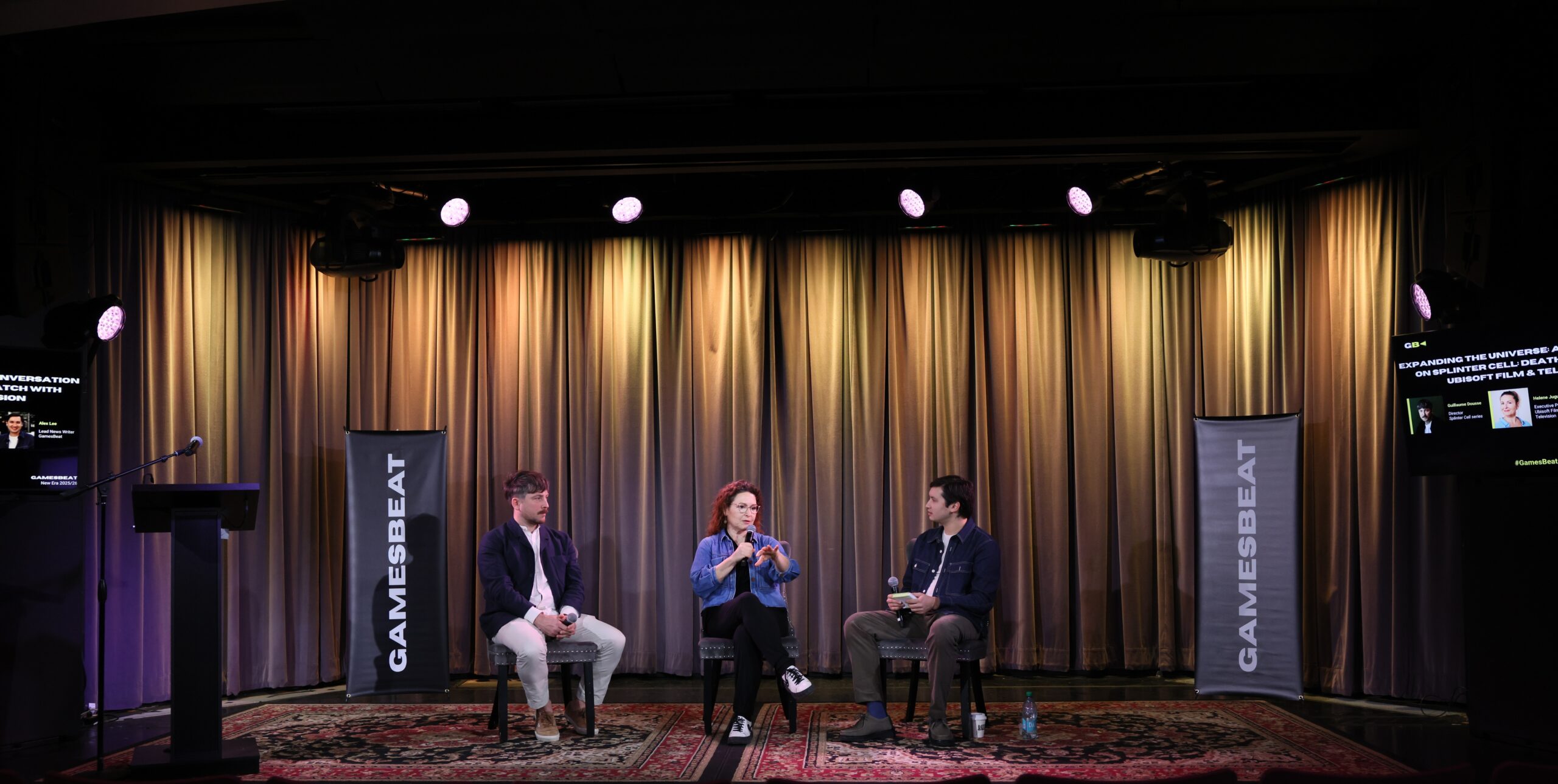
“Splinter Cell: Deathwatch” didn’t end up winning the Game Award — that honor went to the second season of “The Last of Us” — but just ahead of the award ceremony, Ubisoft Film and TV Paris managing director Helene Juguet, who executive produced the show, and series director Guillaume Dousse joined GamesBeat lead news writer Alexander Lee for a panel on both the business and the craft behind the production at last week’s GamesBeat Insider Series: Hollywood & Games.
“It was an obvious choice,” Juguet said of the decision to adapt “Splinter Cell” to the television screen. “And Netflix agreed with that, and they came to us, saying ‘we would love to do something with “Splinter Cell.”’ And it started from there.”
Unlike some other recent game-to-TV adaptations, “Splinter Cell: Deathwatch” takes place within the same fictional universe as the “Splinter Cell” games. Dousse said that this was a natural choice for “Splinter Cell,” given past iterations of the game series have also taken place during a contemporary, present-day time window — and that “Deathwatch” was coming at a particularly timely moment, given its focus is geopolitical upheaval in Eastern Europe.
“What’s interesting with the games is that they are kind of following through the same timeline as our world,” he said. “I know that Ubisoft has a great team as well, doing a lot of research and knowing what’s going on in terms of geopolitical movements in the world.”
To ease the challenge of placing the “Splinter Cell” TV series in the same canon as the games, “Splinter Cell: Deathwatch” takes place years after the most recent installment in the game series and features an older, retired version of “Splinter Cell” protagonist Sam Fisher.
Juguet — who helped launch the first “Splinter Cell” title during stints as a marketing and brand manager at Ubisoft — said that Ubisoft has a full-time employee whose whole job is maintaining narrative consistency within Ubisoft’s Tom-Clancy-inspired games. She pointed out that game adaptations like “Splinter Cell: Deathwatch” are marketing moments in their own right, helping to keep fans interested in Ubisoft’s intellectual properties between core game releases.
“It’s not just Sam Fisher and ‘Splinter Cell,’ but it’s also ‘Ghost Recon,’ ‘Rainbow Six’ and ‘The Division’ — so all the Clancy,” Juguet said. “We have a Clancy-verse person that is our gatekeeper for everything, and keeps all the pieces together, and then we also get in touch a lot with the team that works on the game right now, and we decide together where we should put it, what makes sense, which direction we’re going to take.”
A significant portion of the panel discussion was focused on the craft and creative decisions behind the “Splinter Cell” adaptation, with Dousse sharing insights about Ubisoft Film and TV’s intentional decisions to translate gameplay and narrative elements from the core IP to the show. For example, the element of stealth — a key part of “Splinter Cell” gameplay — was translated to the series through artful sound design and writing.
“In the game, you could literally just wait five minutes in a dark corner for guards passing by, deciding your next move,” Dousse said. “So, it’s essential [in the show], but very different than what you get as a gamer.”
The success of “Splinter Cell: Deathwatch” was partially due to its deft balance of game references and new characters and content, according to Dousse, who said that he was an avid player of the “Splinter Cell” series, and particularly its first three games. Although Dousse’s team made sure to include iconic elements like Fisher’s night vision goggles, the director said that he had intentionally avoided adapting other signature parts of the series, like its infamous “split jump” move.
“Because we moved to a fictional space where you have one shot after another, it’s a very different experience from the game,” he said.