
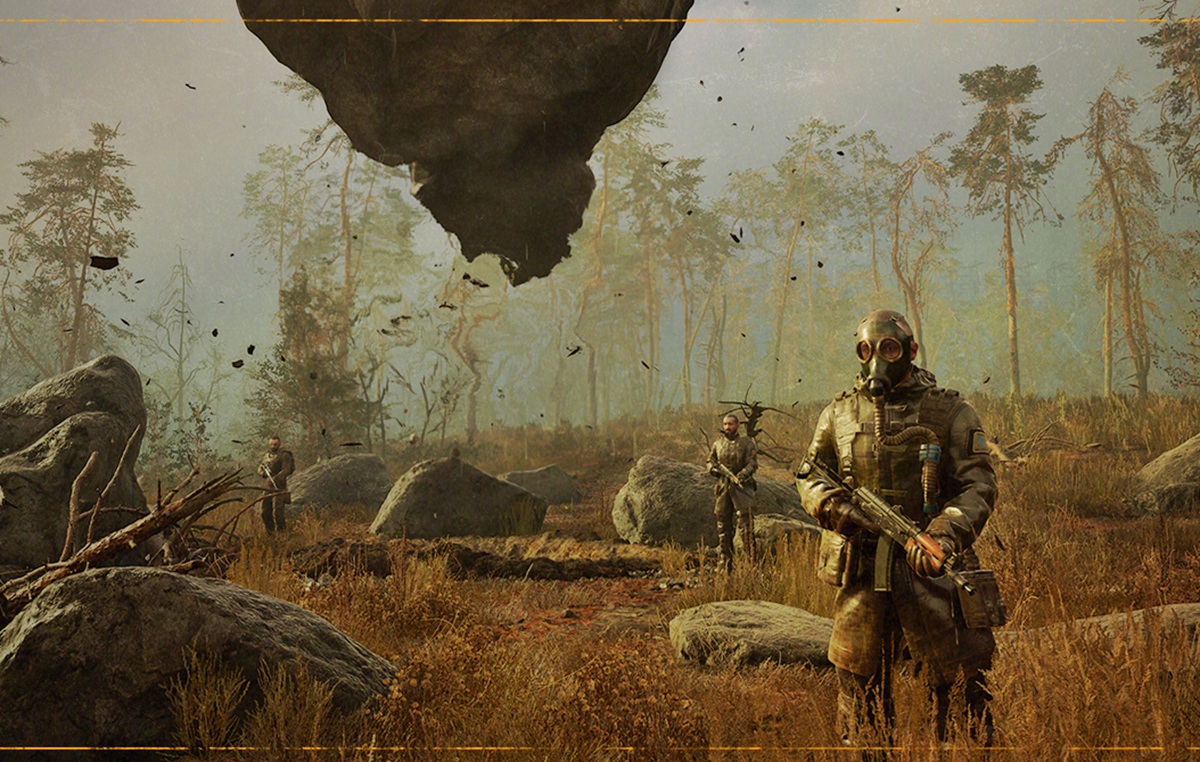
It’s still a dangerous world.
If anyone beat the odds in gaming in the past year, it was the developers GSC Game World in Kyiv, Ukraine. After seven years of work, they managed to ship S.T.A.L.K.E.R 2: The Heart of Chornobyl on November 20, 2024.
The game about monsters and scavenging humans in the dark zone of the Chernobyl nuclear disaster site in Ukraine turned out to be a real success. In the first 36 hours, the game sold more than a million copies.
On November 6, the game shipped on the PlayStation 5 game console. And last week, on December 18, the company published the S.T.A.L.K.E.R. 2: Heart of Chornobyl Stories Untold content update.
What was amazing, and what is amazing still, is that GSC Game World managed to ship its game in the midst of a devastating war and support it to this day. The project was fully disrupted when Vladimir Putin launched a full-scale war on February 24, 2022. Russia had attacked before in 2014, seizing a couple of territories. But this was a war for control of all of Ukraine, and the war continues to this day.
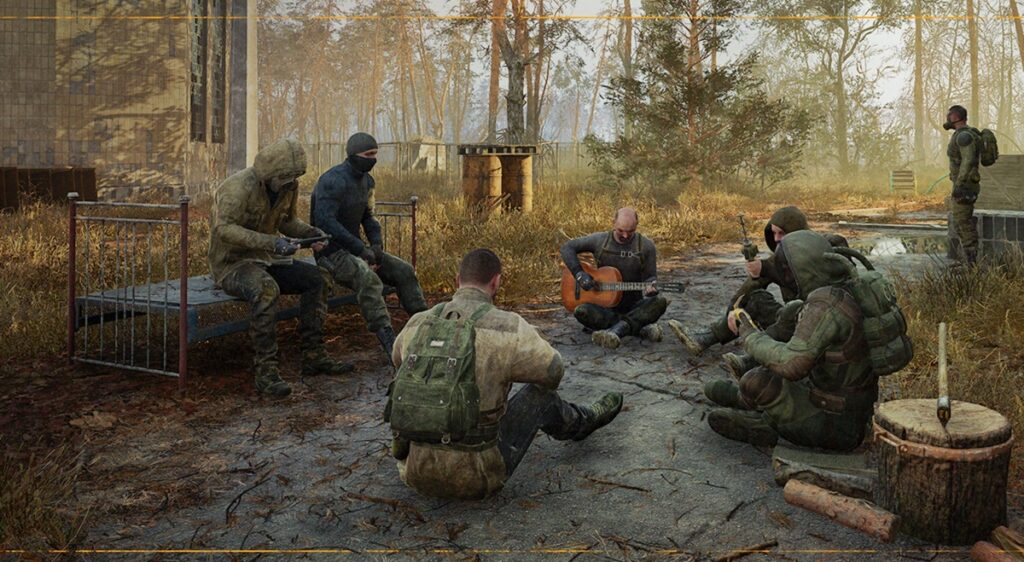
Electricity still goes out in Kyiv and elsewhere in the country, making ongoing development so much harder, according to my interview with GSC Game World leaders Ievgen Grygorovych, CEO of GSC Game World, and Maria Grygorovych, creative director. Missiles still rain down regularly on the city and the winter conditions are difficult.
I spoke with the husband-and-wife team at Gamescom last year, and we spoke again in the past week to get a postmortem on the game launch. Stalker 2 had a lot of bugs when it shipped last year, but the team stayed with it and fans showed patience as they understood the difficult circumstances of making game during a war.
Some of the developers had to leave to go to war, and others fled outside of Ukraine. The team is still heavily concentrated in Ukraine, but it also has team members in Europe and the Czech Republic. Yet the team continues.
And because of that, Ievgen Grygorovych and Maria Grygorovych remain an inspiration for us all. They have been able to ship their game, fix the bugs, hold on to their staff of about 500 people and continue with other projects as a multi-game development studio.
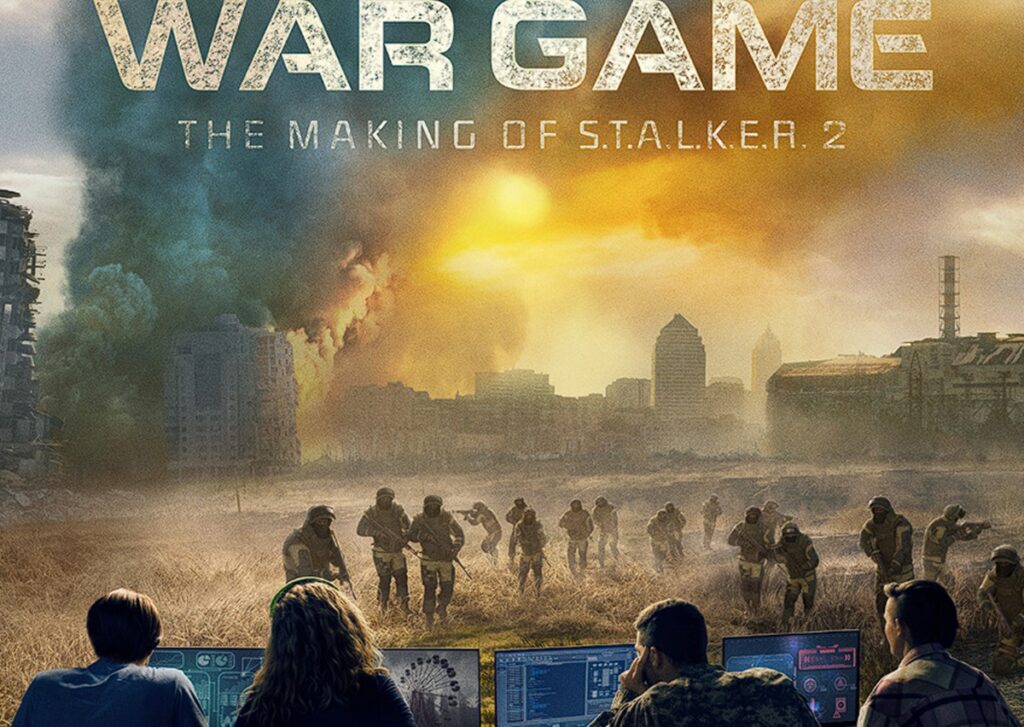
It was gratifying to interview them again, and I continue to take pride in being able to tell their story of struggle and inspiration to the rest of the world. Their story was told in Microsoft’s documentary, War Game: The Making of Stalker 2.
Some history

Ievgen’s brother Sergiy started GSC Game World in 1995 as a company that localized games to the Russian market. It went on to create the Cossacks series of games, and it began developing and publishing its own as well as third-party games. Ievgen joined the company in 2001.
S.T.A.L.K.E.R.: Shadow of Chernobyl came out in 2007 and it was a success as a first-person shooter. It combined ideas from the novel Roadside Picnic with the real world disaster of the Chornobyl nuclear meltdown, positing that this created a Zone where hunters known as Stalkers could go to find anomalous treasures. But they ran the risk of running into enemies including monsters unleashed by the radioactive contamination.
Two more Stalker games came out in 2008 and 2009, but none was called Stalker 2. In fact, the prior CEO, who was Ievgen’s brother, asked him to make Stalker 2 and Ievgen said no because he didn’t think the team was ready to take on such a big project. The company announced Stalker 2 in 2012, but that team never finished and it was rebooted altogether later on.
Ievgen eventually relented. “It was a crazy business decision to start this project, but we were sure that we would do everything possible,” Ievgen Grygorovych said in our interview last year.
Abandoning earlier directions, they created a plan and built a new team. They worked on getting the script right from the start. After six rewrites, they finally started moving forward.
Even without these external challenges, the game was ambitious, even for developers who had been working on games for decades. The team started with new technology. They came up with a list of tasks and broke it down into hundreds of thousands of tasks, Ievgen Grygorovych said. By the end of the process, many of their family members lost loved ones in the war.
One Stalker 2 developer, Volodymyr Yezhov, was killed in the war with Russia. In December 2022, he died in a battle near Bakhmut, defending the city from Russian attackers. GSC Gameworld has made numerous donations to cause of Ukraine and it solicits funds from visitors to its web site as well.
During all this time, they never considered shutting down the game. They felt like a responsibility toward their country to get it done, to put Ukraine on the map of the game development world.
It continues to be a hard road and the longest journey.
Here’s an edited transcript of our interview.

GamesBeat: Can you start with an update on how STALKER did in the market?
Ievgen Grygorovych: We just released the PlayStation version. We’re very happy with the reception of the game. It’s a 92% score if we scale it, so the reception is good. Our players have liked the updates, the new features added and the performance gains. We’re getting very positive reactions this month. It’s great. Our next point will be releasing one more big update with the Story Untold. I haven’t checked the reactions yet, but it’s a lot of content there at just the right time, right before Christmas. Overall we’re happy with how the reception is changing, how the game scores are changing. We look forward to next year and the upcoming DLC, as well as other updates we’re going to release.
GamesBeat: Did the PlayStation version represent a lot of work for the studio?
Ievgen Grygorovych: It includes all the updates from the last year, so it’s very different from the release we had on PC and Xbox. The game quality is totally different. We also worked a lot on specific platform features that the PlayStation adds. The game feel with the controller is totally different. It’s a much more immersive experience.
Maria Grygorovych: For me, because I read so much of the internet all the time, all the comments on different platforms, I’ve been so happy to see that a lot of people think that the game is getting better and better. They’re interested in the game. They want more. I see a lot of signs that they really love our game. This is the most important thing in game development: is the player really enjoying your game? That means you did something right. Maybe not perfect, but it’s right.
GamesBeat: What changes have you seen in the comments since a year ago?
Maria Grygorovych: A lot of them were afraid that the bugs would still be there, that we wouldn’t finish working on it. They were surprised by how many things we were able to add this year. If you read about these kinds of things all the time, you start to recognize certain people, the really vocal ones who post a lot of messages all the time in different threads. Even someone who was a hater at one point, now they sometimes say that it was pretty good, that they’re replaying it now. It’s understandable that you’ll always have players that are unhappy. It’s okay. We’re all human. But even the angry ones start to be nicer, that’s a sign you’re doing well. That won’t happen without work.
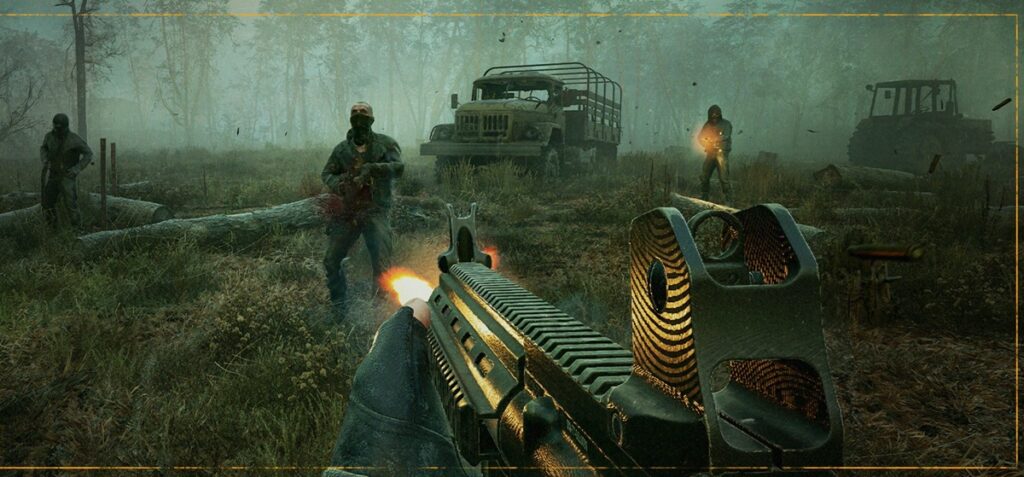
GamesBeat: The game did launch with some technical issues. How long would you say it took to work through those and fix most of them, so that the game was operating more smoothly?
Ievgen Grygorovych: The biggest change was almost a year after the release. If I remember correctly it was November 7. We released a big update. That’s the point at which we totally changed the perception of the game. Previously, everyone saw that we were on the road to changing STALKER. But that was the moment where–people didn’t expect such a huge difference. They didn’t see a lot of impact on the optimization side before that, but this update was very big. Digital Foundry did a review and highlighted how big the changes and optimizations were. It’s nice that we could do more than people expected.
Maria Grygorovych: We added a lot of new things, too. It wasn’t all about fixes. If we were only focused on bug-fixing, it would have happened much faster. But because we really wanted to add more features, more nuances, big story updates–that’s not something we need to do. But that’s something we really wanted to do for the community. They want to see that. Without that, bug-fixing is a lot of work, but it’s much easier if you’re not also adding anything new. If you add something new you always get more bugs that you need to fix.
Ievgen Grygorovych: It’s very hard to make the game better if you’re not getting feedback from players and not iterating. A lot of games that have huge success, like Baldur’s Gate or Hades, they go into early access and iterate on player feedback. Hundreds of iterations to make it perfect. But a game that has a story full of secrets, you can’t share the story with the internet. For some games it’s impossible to get that much feedback early on.
Now we’re getting feedback with each update. We’re iterating and making changes. Whenever you make changes, if it’s something big and significant, it might break something that was already working. Everything is interconnected. It’s a systemic game. If you change one system, it’s connected to others that might break. We’re constantly building features and fixing things before release, but even so–players don’t see 95% of the bug fixes we do while we’re developing. All this year, the game has been in full development. While we’ve been working on the full DLC, there’s a big part of the team there, but it’s still a lot of work.
GamesBeat: Are you happy with how the sales have turned out?
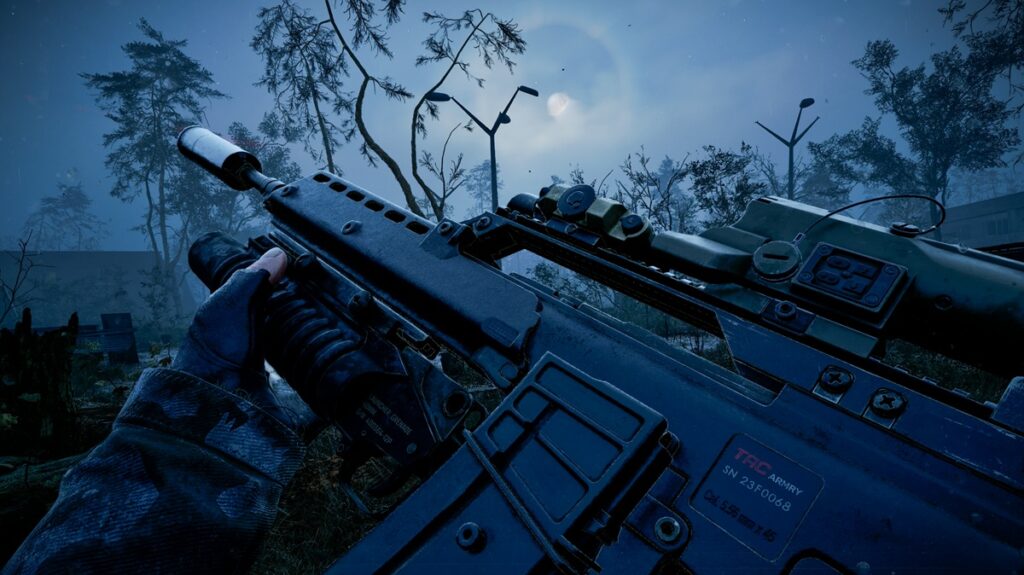
Ievgen Grygorovych: Overall, we’re happy. In game development it’s very rare to be as happy as you want to be. You don’t have many cases where you have an unexpected success and so many copies sold. We wish that the market had been in a better state. For our next project, we’ll have a much better situation. Also, when we released STALKER 2, it was our first release on consoles. Console players didn’t know much about the game. Because of Game Pass, we could reach millions of players who tried our game and knew about our game. For our next game, they already know us, so that’s a huge benefit for our next project compared to this one.
Maria Grygorovych: We reached a million copies in 36 hours. That was pretty good. That was one public number we put out there. With our situation, without a big publisher–we self-published a product for the first time on consoles. It’s very different from some of the other developers out there. In our situation we did a really great job. If it was possible to release the game in a better technical state, I think it would have sold even higher.
GamesBeat: You made the game under very difficult conditions, during wartime. I hope some of that has improved.
Maria Grygorovych: Now it’s even worse in some ways. We have extremely big issues with electricity all over the country. Sometimes you can have two to four hours of electricity per day. It’s very hard. A bigger part of our team is in Ukraine. In Europe we have a smaller part. There are regular missile and drone attacks, usually at night. If you can’t sleep at night, you don’t feel well at all. You have much less productive time. It’s part of our job, something we deal with every day, but it’s still hard, still horrible. We still can’t help our people enough.
Ievgen Grygorovych: No one is complaining, among our employees. They’re just taking it as it is and trying to work. We’re complaining to you, but our people are not.
GamesBeat: Do you think the attention that came from things like the documentary helped the game draw more awareness, or otherwise do better in the market?
Maria Grygorovych: I don’t think so, honestly. We can’t be 100% sure. But it was still extremely important. I’m so grateful to the Xbox team that did that. It won an award for best digital documentary. It was a very good film. For a lot of people–they didn’t understand what it’s really like here. The film made it more real for them. It’s really hard. It’s not only something on the news. Terrible things are happening on this planet, but for a lot of people it’s just statistics. Something is happening somewhere else. But if you see it in a documentary, any documentary, you can see people and what they’re feeling. You understand that this isn’t just a picture. It’s real people who are struggling, who feel a lot of different emotions. It’s important to share. It’s something true.
Ievgen Grygorovych: For us it was important not for sales, but for bringing visibility to what’s going on. It can have a butterfly effect. If we can affect someone and they affect someone else, it may have changes and impact we can’t foresee. It’s about our responsibility as citizens of Ukraine more than it’s about our business. Also, I know the documentary had an effect on people in the media who watched it. They started to understand our situation better and emphasize us more. They were thinking about us. This was something real to them.
GamesBeat: It’s hard to quantify, but I do believe that telling the story of the studio and having the documentary go out there was helpful for people to understand how game development isn’t separated from the rest of the world. It was good for awareness of Ukraine’s cause, I think.
Ievgen Grygorovych: It’s also important for players to understand that games are made by people. When we read things like Reddit and the Steam forums, people often forget that games are made by people who have feelings and emotions. They think of corporations producing the products that they play. When you forget that there are also people behind these games, you start to be not a player, but a consumer. There’s a loss of humanity. I think it’s very important to be human on all levels. Even if you’re just a consumer, you still know that this work is done by humans.
Maria Grygorovych: It happens from both sides. Sometimes some corporations don’t seem to feel that their players are people. They do things just for profit, without any real feeling about what they’re doing and the people it affects. It’s only my opinion, but I think caring for our fellow human beings–it’s a worldwide problem. It’s not only between developers and players. It’s a big issue around the world.
Ievgen Grygorovych: It’s about values, both on the corporate and the human level.
GamesBeat: I do hope that even if these things don’t make a difference when it comes to sales of the game, it makes you feel good that your story of struggle and perseverance was told to a wider audience.
Maria Grygorovych: For us, what was important wasn’t so much about our struggle, but getting the story of the war out to a bigger audience. It wasn’t easy for us to do, because we shared a lot of our stories, private ones. That’s not something that we really like to do. But we agreed to do it because we thought it would be helpful to show people how much damage Russia did to Ukraine through our small example.
GamesBeat: There’s inspiration in continuing on despite all of that difficulty. There may be people who feel like giving up, but they can take inspiration from people who don’t.
Ievgen Grygorovych: The biggest impact we made, I think, was the release of STALKER 2. It had incredible success in Ukraine. It had an impact on people’s morale. Everyone knew that we released the game. They knew it was very hard to make. It was a nationwide success, for everyone. We know that a lot of people in the military were waiting for it and happy to hear it released. The support of the Ukrainian people was 100 times more than we expected.
Maria Grygorovych: We have stories, real ones, where some of our soldiers who were prisoners of war, after they were repatriated to Ukraine, they said that one of their only bright moments when they were in prison was when they heard STALKER 2 released. That’s really something, that they felt happy in this terrible situation. This idea that we did something that helped so many people feel better–that’s why we work in this industry.
Ievgen Grygorovych: They don’t need to play the game. It’s enough that it happened, that players loved it. It wasn’t just about playing the game. It was about knowing that it happened.
GamesBeat: What are you thinking about the future of the studio and what you’re going to work on next?
Ievgen Grygorovych: We’re starting to be a multi-project company. We’re transitioning from doing just one project internally to several. We’re not ready to announce any details yet, but we’re going to release a game based on existing IP and a game based on new IP. We’re also considering–DLC 1 is a separate project. DLC 2 is a separate project. We’re also working on the multiplayer project. It’s a lot going on at the same time. Some of these projects will be huge. It’s possible because we have a very big team. You don’t need to have such a huge team when you get started on a new project. In the pre-production phase you just need a very small team. But we don’t want to lose everyone. We’re starting to do several projects to keep everyone allocated.
GamesBeat: Have those projects been underway for a long time, or are they more recent?
Ievgen Grygorovych: Most of these projects, we first planned to do them seven years ago. They’re things we’ve wanted to do for a long time. The vision of these projects over the years has sometimes changed and sometimes not. It’s not something new, but it’s something we’re going to do at a larger scale of development.
Maria Grygorovych: If it was possible, we’d talk about it all the time. It’s annoying that we have to wait to share things at the right moment. All game developers just want to talk about their games, but you’re not allowed. You have to wait. We’re really excited. If everything goes well, it’ll be possible to deliver some really interesting games. We have more experience now, which makes a lot of things much easier. I hope everything will be fine.
GamesBeat: Is this something related to STALKER, or something that you think STALKER fans are going to like?
Ievgen Grygorovych: Some of these projects will be totally new, for new players, not related to STALKER at all. That’s something we very much want to do.
GamesBeat: The number of people working for the studio, has that changed much? Are you able to keep your teams going still?
Ievgen Grygorovych: We planned and hoped that, on release, we wouldn’t have to lose part of the team. We were happy to see that we lost almost no one, even after we paid all the release bonuses to our employees. People still stayed with us. We had an unexpectedly low level of people moving to other companies. That’s great. It shows that people are happy to work here. They feel loyal to the company, and they feel that the company is loyal to them. That’s the only thing that can keep people around after such a long development. The project has been going for many years.
Maria Grygorovych: It’s important to work on new content. These are creative people. They want to do creative work. When you start something new, even if it’s not a totally new project, like the DLC, it still involves a lot of brainstorming, which we love to do. That doesn’t happen as much when you’re in full production. It’s cool to do something new. It’s really inspiring.
GamesBeat: A lot of studios have had difficult times recently. To be able to keep a large studio going is more challenging than ever.
Maria Grygorovych: It’s not easy. It’s really a challenge. It’s hard all over the world, all around the industry. Our ideology–it’s not like we’re sure that everything will be great. We just believe, and do everything we can to make it possible. We built STALKER 2 like that. You can’t be sure of anything. You need to believe and rely on each other. That’s all you have. You’re never sure that everything will be perfect, but without believing, it’s impossible. You still need to do everything you can.
GamesBeat: As far as how the studio is spread out around Ukraine and elsewhere, are you still in the same places you were during STALKER’s development?
Ievgen Grygorovych: That hasn’t changed. We have an office in Kyiv and an office in Prague. We have a lot of people working remotely all over Ukraine. Some of our people work remotely in Europe. We’re growing in both Ukraine and the EU, as well as other places. But nothing has changed significantly since the release of STALKER 2. We have 505 people currently.
GamesBeat: You’re still a large triple-A game studio, then. That hasn’t changed.
Ievgen Grygorovych: That also includes the publishing side, though. We’re an indie that self-publishes. That requires a publishing department, and a lot of administration to manage such a big team. It’s a big organization, not just developers.
Maria Grygorovych: We don’t feel like we’re big. That’s the reality. We understand it. But maybe because of how we’ve built all this over time–our understanding of what we’re doing hasn’t changed between 20 people and 500 people. It was much easier when we were just 200 people. It’s much harder to manage, a lot more work. We had more face to face connections with everyone. It’s not perfect. But this is how we can do a lot of projects. It’s important for any company to do several projects, because if you’re only focused on one thing, that’s much more risky.
GamesBeat: How have other game studios fared in Ukraine? Have you noticed any changes?
Ievgen Grygorovych: Most of the studios have closed in the last few years. Or a lot of them. Especially ones that had bigger projects and needed more funding. We have some smaller indie developers that are still releasing games, but they’re very small. The desire to release games is definitely there in Ukraine. But finding someone close to us–it’s not there.
Maria Grygorovych: It’s hard, because investing in the industry right now–it’s much harder to find new investment for anyone, never mind if your team is in a country at war.
Ievgen Grygorovych: I guess it would be fair to say–previously we had a lot of investment from American companies, European companies, publishers, and partners. Because of the risks of the war they stopped the financing. In a world where we didn’t have this risk and they continued to finance projects, I’m sure those projects would succeed, on average. Risk is sometimes overestimated. Definitely it’s harder. It requires more people and more time. But the cost of development in Ukraine is so many times smaller compared to U.S. companies or European companies. The level of professionalism, how much people love their work–investing in Ukrainian companies is still very reasonable compared to the rest of the world.
Maria Grygorovych: We have a much better situation now, because we’re blessed with a good relationship with our owner, Maksym Krippa. He believes in us. When you need to find someone who will believe in you and your projects, your ideas–it’s risky, and that’s hard to find. Thanks to Maksym, we were able to release the game.
Ievgen Grygorovych: Some developers in Ukraine that were previously working on developing games, we’ve started working with them as co-developers. They’re helping us develop our things. They may not have their own projects, or they’re still doing their own work, but also helping us.
GamesBeat: People might be surprised at how game studios could get by with less funding.
Maria Grygorovych: If you talk about game development in general, eastern European countries like Ukraine, Poland, and the Czech Republic are doing great. You have fewer corporations and more independent studios doing games. It’s good that we can still do really creative work. It’s still expensive, but we put our ideas and creativity fully into what we do. It’s sad that a lot of studios have had to close, but I’m sure that these creative people can come out of this situation in the future. I hope so.
GamesBeat: Do you feel like you need to hire more people at this point? Is there anything you’re doing that may require you to bring more people on board?
Ievgen Grygorovych: We’re still hiring. We have some open positions. We didn’t want to hire a lot. Usually we only hire when we really need to bring someone into the company. In most cases we want to keep the company as small as possible, despite all our projects. Our strategy is to stay small. The more people you bring in, the more blurry the relationships inside the company become. It’s impossible to keep your attention on too many people. When departments start to get to around 60 people, it becomes less like human relations and more like corporate structure. We’re trying not to grow if possible.
GamesBeat: How has game development changed for you? Do you see big differences between starting production now compared to starting production seven years ago?
Ievgen Grygorovych: It’s a huge difference. Seven years ago we started without even knowing what engine we were going to use. We didn’t have any experience with Unreal Engine. We had a very small team. We didn’t know what to expect from the change in console generations, what the hardware would be. We didn’t have many of the things we have today. We’re starting now with a team and a process and a pipeline ready. It’s so much easier now, from a processes point of view.
Maria Grygorovych: We already have great people who have a lot of experience. That’s the main thing.
Ievgen Grygorovych: It’s very different when you have people who’ve released a huge game, and people who’ve released a game with this company. People who may have released a game at other companies, if you just put them all in one place, it won’t work how you imagine it right away. They haven’t built relationships with each other. They don’t have trust. It takes many years to build the relationships you need together as one big organism, one big family, to create something big. You need to spend many years together. It’s not bricks that create games. People create games, people who live together for many years. They need to love each other, or find a way to work with each other. That requires trust and respect. It takes time to build that trust and respect and loyalty, from the company to its people and from people to the company.
In our case there is no such thing as the company. The company is me and Maria, and we’re just part of the team. We’re working with everyone and everyone is working with us. There’s actually no such thing as the company. It’s all about this group of people, a kind of family.
GamesBeat: Did you get to take any breaks in the last year?
Ievgen Grygorovych: Do you remember how many days you have?
Maria Grygorovych: I have 140 unused vacation days through this year.
Ievgen Grygorovych: I might have slightly more, 150 or 160.
GamesBeat: Do you still dream about STALKER, then?
Ievgen Grygorovych: For me, having a vacation for three months would be very painful. I can imagine resting for three weeks, but I wouldn’t be happy if I stopped working with our people more than that. Even three weeks–I want to dedicate more time to our family, to our kid.
Maria Grygorovych: I’ll be happy with one month, if you’re interested.
Ievgen Grygorovych: If you look at our work, 70% or 80% is the stuff that maybe we don’t love, but we have to do it. But the other 20%, we love it. It makes us happy. It makes us do what we do. That’s what commits us to the next five years of new projects. I can’t imagine my life without making games and working with these people.
GamesBeat: Are there any parts of the new projects that are coming along easier because you have all this experience now?
Ievgen Grygorovych: There are two things. It’s definitely easier for all the reasons we discussed. But also, we have higher ambitions. We want to make an evolution of something, or a revolution in something. Having those ambitions makes things harder. But it’s balanced now.
Maria Grygorovych: I always have a lot of ambitions. That’s the biggest problem. We want to make the best game. For me it’s not easier in some ways. Maybe it’s harder. We have a lot of people, a lot of structure. It’s not an easy task to manage. It’s not fun. But at the same time, I’m so happy that the leads on our projects–they weren’t in such big roles before. We have one person who was a lead in an area, and now he’s creative director of a new project. He’s grown all these years into this position. It’s great to see how people are growing into great professionals.
GamesBeat: You’re living in a very difficult environment, yet game development is very much part of your identity.
Maria Grygorovych: For me personally, without developing games, I’d start to go crazy. It’s hard. It’s hard every day. Our family apartment building was hit with a missile. We didn’t have windows after that. These things happen all the time, some kind of big problem. I can’t start to talk about all the people related to us who’ve died in the war. Life now is so terrible. But when you develop games, it’s a world that you can go deep inside. Doing something creative, something inspirational–because of that, you’re not crazy. It helps you to be alive.
Something I’d like to say for developers–a lot of people will tell you that what you want to do is impossible. It can never happen. Your ideas are bad ones or whatever. But if you really believe in it, everything is possible. Don’t listen to those people. Honestly, they know nothing. If you really want to make games, if this is what inspires you, everything is possible. Maybe not in the form you expect, or maybe not in the time you expect, but it’s still possible. You need to believe in that. In our case, everyone who told us we’d never release this, that we’d never reach millions of players, was wrong. The truth is, you need to believe and work hard.