
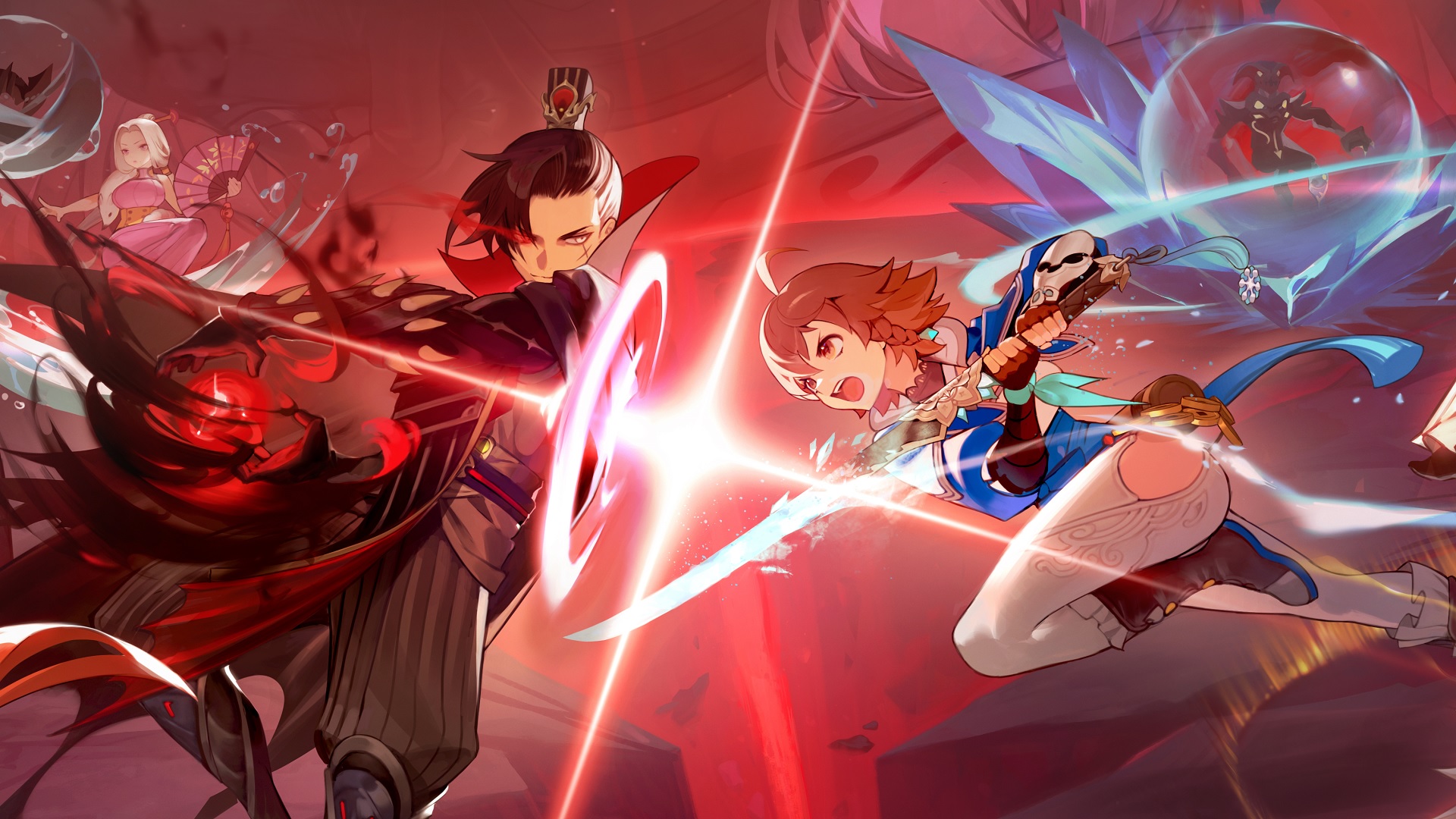
MMORPG Blade & Soul remains one of Korea-based publisher and developer NCSoft’s most enduring franchises. Now, via its American subsidiary, NC America, the company is looking to expand that footprint with a fresh approach as it launches its new spin-off game today, Blade & Soul Heroes, globally across PC and mobile platforms.
NCSoft has been a defining force in the MMO genre for over two decades, with a portfolio that includes some of the most-played and well-known games in the genre, such as Lineage, Lineage II, Aion, Guild Wars, and Blade & Soul.
Founded in 1997 in South Korea, the company helped establish the template for large-scale online worlds, particularly in Asia, where Lineage became a cultural phenomenon. Its Western footprint expanded through ArenaNet’s Guild Wars franchise and the martial arts-inspired Blade & Soul, which combined fast-paced combat with distinctive visuals.
To strengthen its global reach, NCSoft established NC West in Irvine, California, in 2000. Originally set up as the publisher’s North American arm, NC West transitioned to NC America in 2023, and has since evolved into a broader Western hub, responsible for publishing and live operations across the Americas, Europe, and Oceania.
Under Jeonghee “JJ” Jin’s leadership, the division has recently focused on deeper localization, global cross-platform launches, and adapting NCSoft’s legacy IPs for Western audiences. With projects like Blade & Soul Heroes, NC America is positioning itself not just as a regional office, but as a strategic base for NCSoft’s ambitions to become a truly international publisher. This underscores the importance of not only having a global strategy for game publishing but also the impact that targeted, specialized, and culturally aware local teams can have.
Global launch for Blade & Soul Heroes
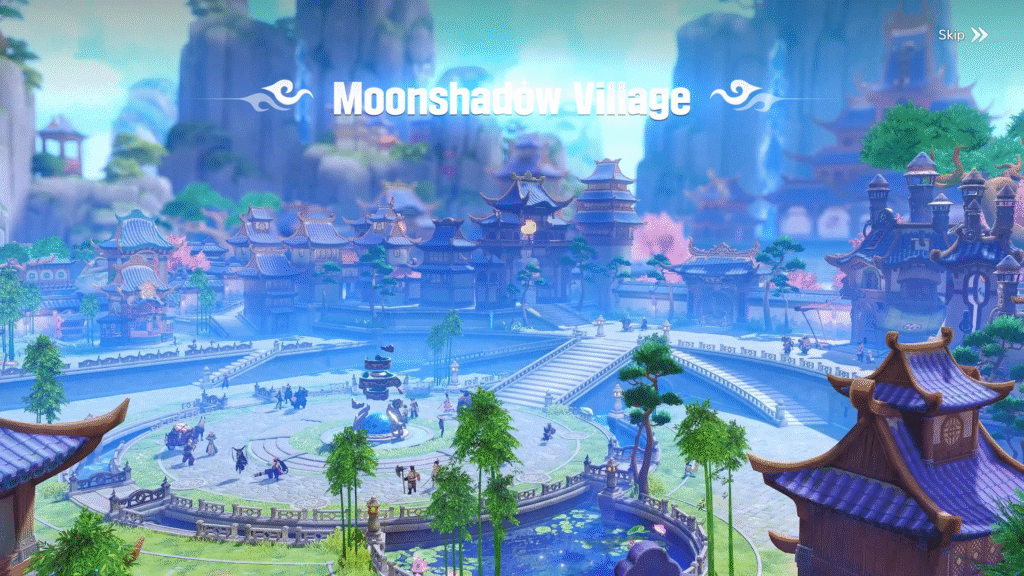
NC America is making one of its boldest bets yet on the future of its MMORPG business by taking Blade & Soul Heroes global. Starting today, the game is available in over 190 countries across PC and mobile platforms. It’s a big move, not just because of the scale of the launch, but also due to the ambitious and unique blending of genres.
Blade & Soul Heroes isn’t “just another” MMORPG like you may have seen before. Instead, this is a game that features character-collection mechanics, real-time action-packed combat, and more tactical turn-based battles. Adding to that is the struggle of localizing and adapting a game that complex across various regions and markets, and this is no small feat.
In many ways, it’s like a case study in how legacy MMO franchises can be adapted for the modern era of fragmented, cross-platform playerbases with fleeting attention spans and ever-evolving preferences.
“Blade & Soul is definitely an MMORPG at its core,” chief executive officer, Jeonghee “JJ” Jin, said in a video interview. “But Heroes is about exploring new ways to bring that world and those characters to players. It’s still Blade & Soul, just in a different gameplay style.”
In some ways, NC America could be fighting a bit of an uphill battle. Blade & Soul NEO, the recent ground-up remaster of the original MMO, hasn’t resonated very well with Western audiences. As of the time of this writing, the game has a “Mostly Negative” rating on Steam from nearly 800 user reviews, although recent user reviews are trending upward now.
Blade & Soul Heroes, then, positioned as a prequel to the main MMO game, introduces new characters while revisiting familiar faces that fans may recognize. Crucially, it also shifts to a much more vibrant anime aesthetic, which is a deliberate departure from the original game’s darker, more grounded tone.
That change wasn’t accidental. Early feedback in Korea was mixed, especially around art style and pacing. “The reception was good at launch, but performance wasn’t as strong as we hoped,” Jin said. “That’s why we wanted to make improvements for Western players and relaunch globally with a new build.”
Those improvements were extensive. According to the company, the early game was rebalanced with faster pacing, tutorials were trimmed, and players now have the option to skip cutscenes. Story depth was expanded with interactive “Chronicles” that highlight character backstories, while combat tweaks like additional dashes and stronger parries were added to encourage players to be more active with faster moment-to-moment mechanics. Even systems like gear sharing and boss trials were redesigned for smoother progression and greater accessibility across player skill levels.
If you’re not well-versed in what that means for players of MMOs, essentially, the game was rebalanced and overhauled to offer more exciting, engaging, and immersive interactions across the board. By placing an emphasis on smooth gameplay and a more polished overall experience, NC America is hoping to deliver a game that’s more likely to appeal to Western audiences right out of the gate.
Cross-play and monetization
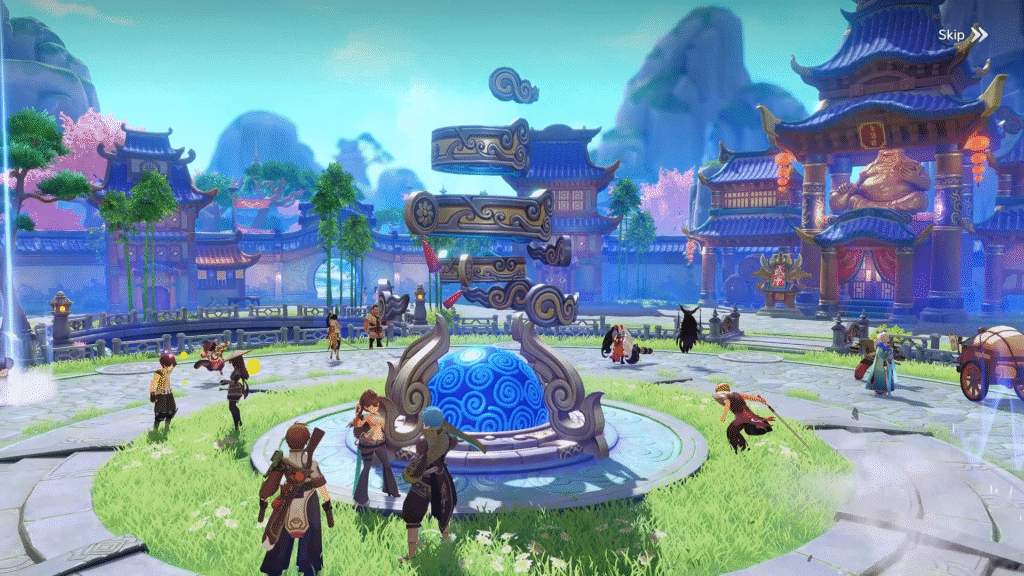
“The game is designed to provide players with choices,” Jin said. “If they want to grind everything for free, they can. But if they want quicker access to characters and items, we’ll offer those options.” Hero recruitment and upgrades are some of the primary revenue drivers.
That balance between making a game approachable and still prioritizing monetization is a familiar challenge for publishers. But NC America has also invested in ensuring its Western audience feels heard.
“We ran multiple focus groups in the U.S. to test storyline, art style, gameplay, and difficulty,” Jin said. “We really tried to reflect that feedback in the build we’re launching now.”
As with most free-to-play titles, monetization is a hot topic, especially for Western audiences. A common criticism among players in these genres is that they don’t want a game to become “pay-to-win,” or rather, players should not be able to buy their way to having a top character. Audiences tend to prefer monetization via optional purchases like cosmetics, customization features, vanity items, and convenience upgrades that streamline gameplay without providing unfair advantages. Time will tell which side of the fence players feel like Blade & Soul Heroes lands.
From a platform perspective, NC America is signaling its intent to treat Blade & Soul Heroes as a fully global service game. The title launches with cross-play and cross-save across PC and mobile, which is a key feature in markets where mobile-first play dominates, or when players want to take their game on the go without sacrificing progress.
Live operations are also front and center. Just one week after launch, the game will receive its first update, Scorching Sands, which expands the level cap, introduces a new PvE field boss, and adds more solo and group content.
“We already have a full schedule of post-launch content,” a company spokesperson said during the interview. “The endgame is about unlocking characters, experimenting with different setups, and then layering new content on top of that.”
Innovative dual combat system
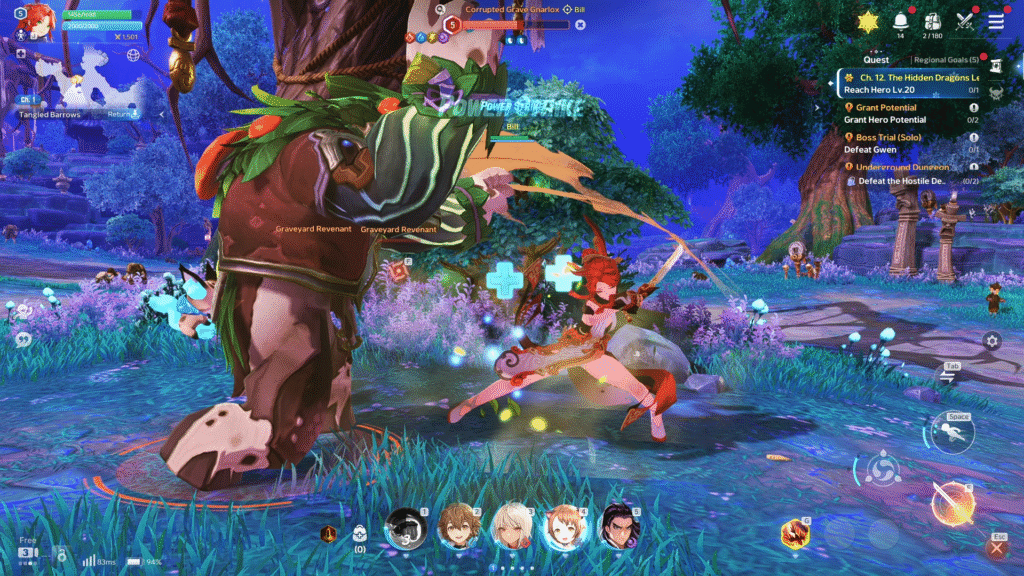
The headline feature in Blade & Soul Heroes, though, is the dual combat system. Once progressing far enough, players can swap between open-field real-time battles and tactical turn-based encounters, creating a hybrid flow designed to broaden appeal, especially as players collect heroes and increase the size of their team’s roster.
“When you start the game, it feels like a traditional MMO,” Jin said. “As you progress, you unlock the turn-based combat system. Both are deep on their own, but combining them gives players more freedom to play the way they want.”
Eventually, as you progress through the main storyline focusing primarily on single-player content, you’ll be introduced to group-based cooperative scenarios and even eventually fully competitive PvP content as well. The PvP scenarios take place fully in the tactical turn-based mode.
This hybridization reflects a larger industry trend of collapsing genre boundaries in pursuit of retention and monetization. For NCSoft, the bet is that fans of traditional MMOs, mobile RPGs, and even strategy titles can all find an entry point into the game world.
As a result, for NC America, Blade & Soul Heroes is more than a spin-off. By repositioning an established IP with modernized hybrid systems, cross-platform availability, and cultural adaptation for Western markets, the publisher is testing whether genre conventions and innovation can coexist in a crowded live-service landscape.
The outcome could influence how other publishers approach their own legacy IP. “There’s a lot of nostalgia around Blade & Soul,” Jin said. “The story is still strong, the characters are memorable, and the combat is unique. [Blade & Soul] Heroes gives us a way to expand that world for both old fans and new players.”
Blade & Soul Heroes is available now on both PC and mobile devices with cross-play.