
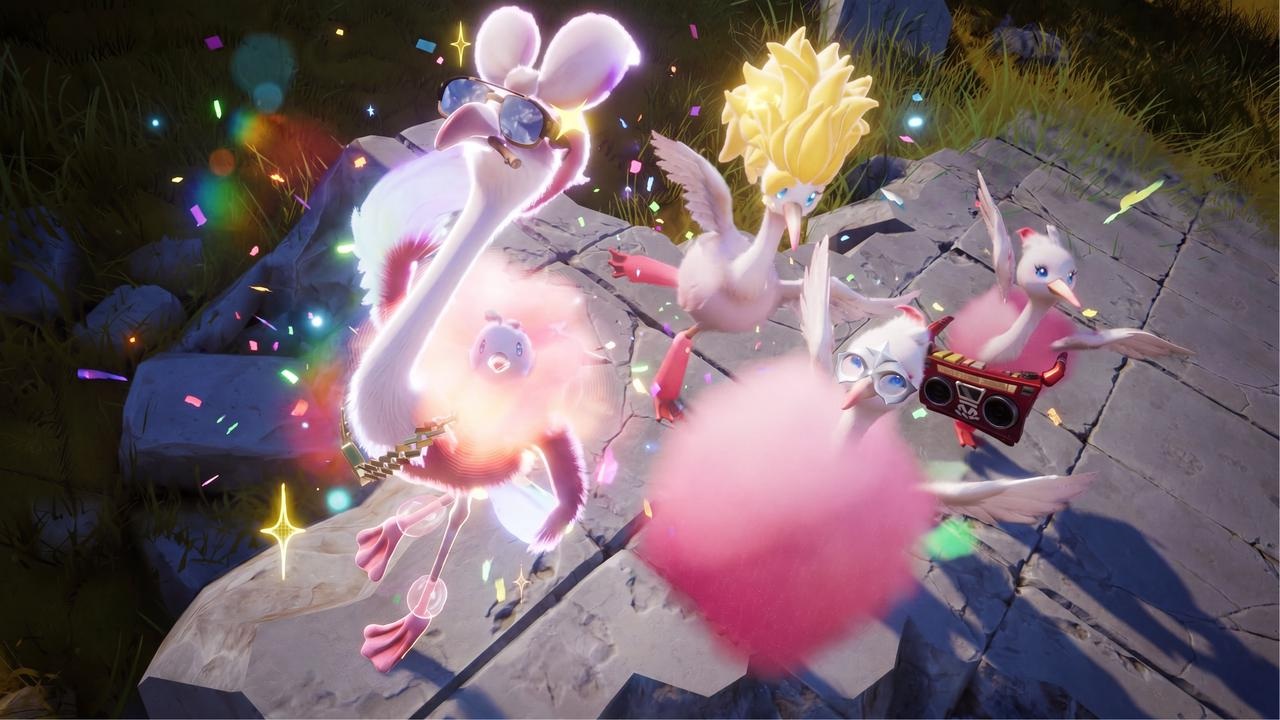
Funplus has been chasing the golden ring in gaming for a long time. And back in 2022, the company greenlit an ambitious open world creature collectible game called Aniimo with development partner Pawprint Studio.
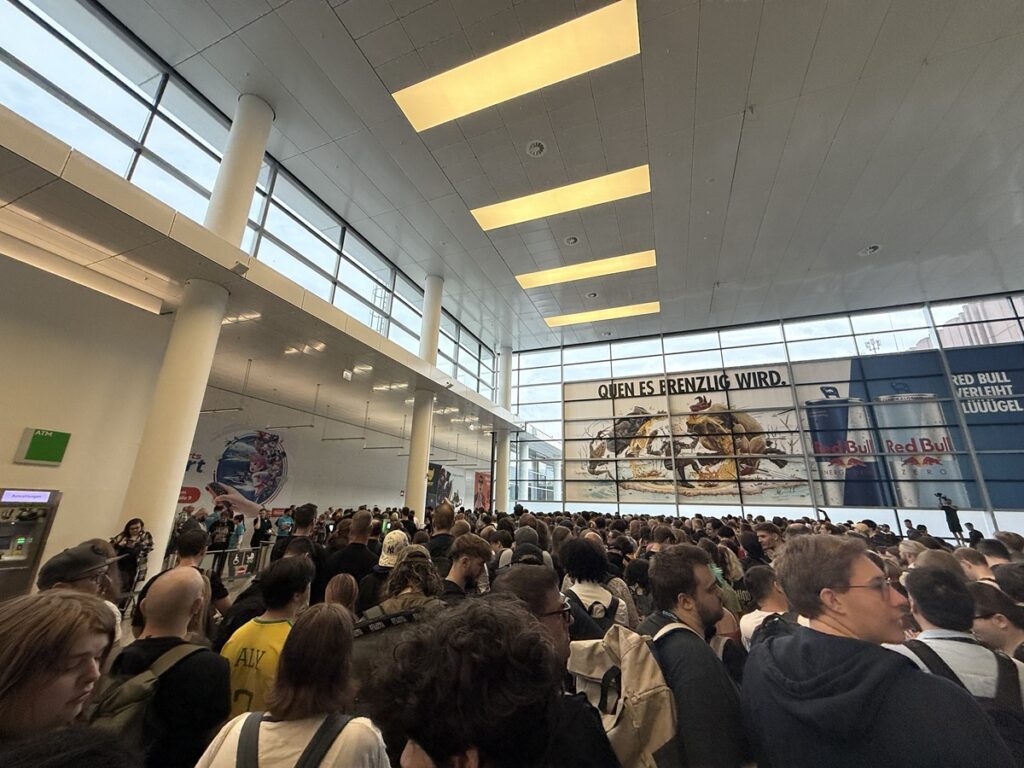
And four years later, the team is shipping Aniimo on September 16. It has 19 million pre-registered players. I played it at Gamescom and watched some enthusiastic gamers shout at an event on the show floor. The game will ship on PC, Xbox Series X/S and PlayStation 5 on September 16 and on mobile on September 23.
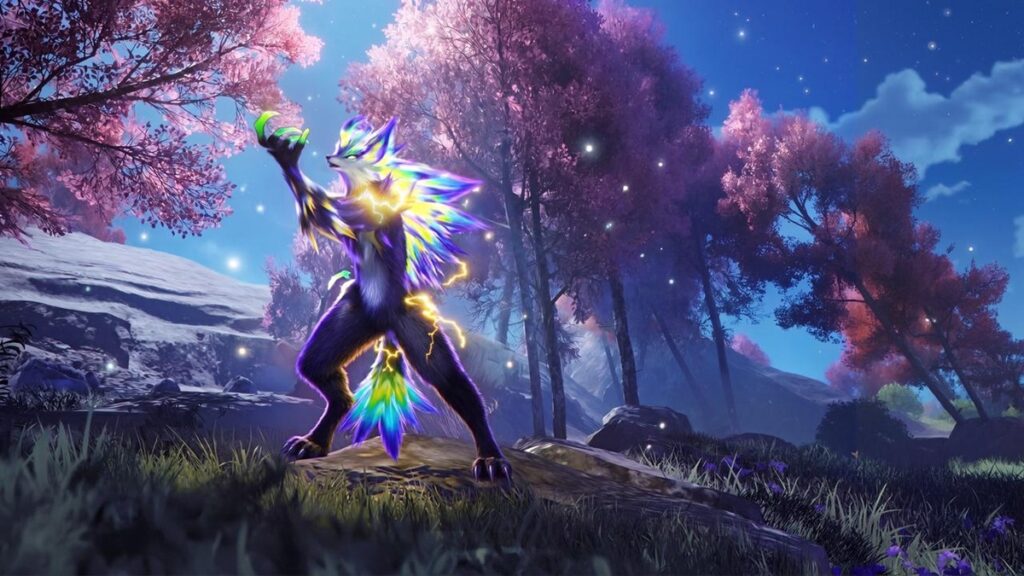
The title reminded me of Palworld, where you collect creatures akin to Pokemon or Palworld games. You can collect Aniimo creatures or create your own customized creatures and fight as them in battles with the creatures of the open world. My companion walked alongside me through the world and then I could easily swap to a different character. You can fly or swim or jog through the world of Aniimo.
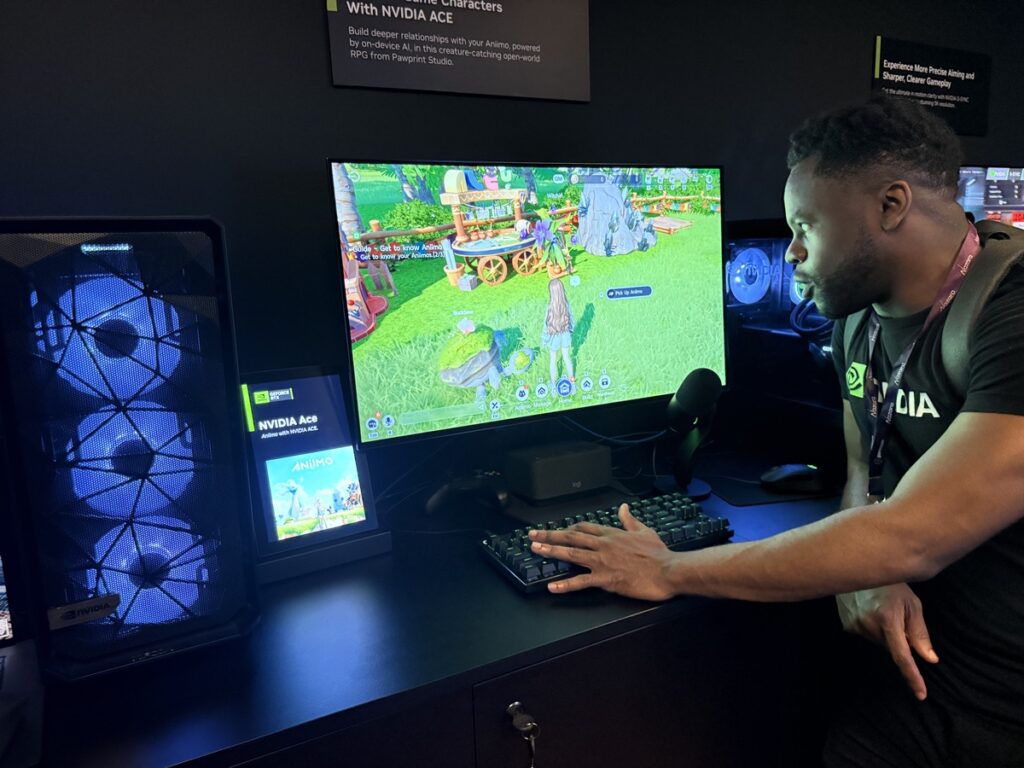
I also saw Aniimo at the Nvidia booth at Gamescom, where they showed off the ACE avatar capability. This meant you could send voice commands to multiple critters on your team and tell them to do tasks. The AI detects your speech and turns your command into an action item for the character to do while you spend your time on something else.
It’s a good example of how so many of the big games of the show — 29 of 55 games introduced at the Opening Night Live event last week — came from Asia, the region that is providing so much growth and jobs in the game industry. Funplus itself is moving up the foodchain by going after the PC/console players. Funplus started in casual farming games and moved into 4X strategy mobile games. Now it’s taking the big step into console/PC too. Funplus is based in Switzerland, but a lot of its operations and development are in Hangzhou, China.
The strategy could also move beyond games into a comprehensive IP strategy, particularly if the launch goes well. It’s the biggest bet in the company’s history.
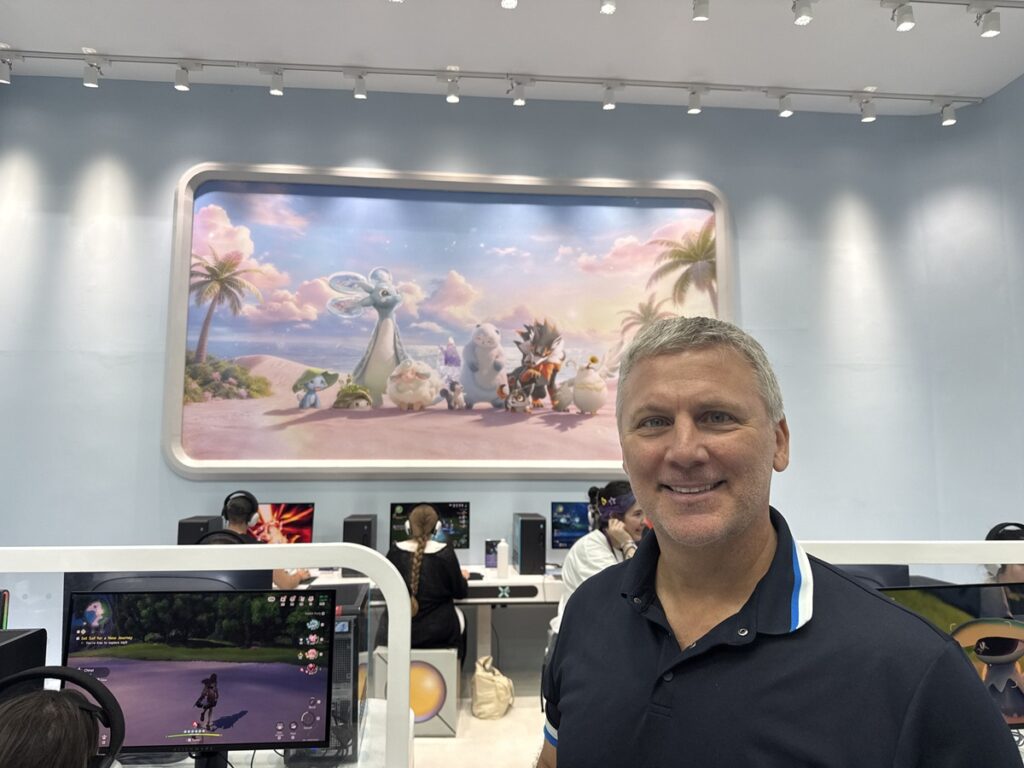
We interviewed Chris Petrovic, chief business officer and board chairman at Funplus, at Gamescom. He said the growth in Asia’s presence on the global stage has been a long time coming.
Here’s an edited transcript of our interview.
GamesBeat: Can you tell me about the game’s backstory?
Chris Petrovic: For Aniimo, this was a project that Andy Zhong, our founder and CEO, was really passionate about. He connected with a core team that was based in Hangzhou, which is where the studio is today. We built a studio around this core team, and they were free to explore some creative ideas they had. At the time Andy was really excited about this, and that translated into my excitement. We greenlit the project back in 2022, I believe. It’s been about three and a half, four years in the making after they built the core team.
Part of the context here, this game and this project is the tip of the spear of our forward-looking vision statement we set out five years ago, which is to be a leading interactive entertainment company. Even then we saw the movement toward games having the ability to be in the cultural zeitgeist beyond just the core product, the game. Obviously the game itself has to be successful, but we see this as our move into creating interactive entertainment experiences that can live with consumers wherever they are, whether in game form or other forms. The game has to succeed, but this is an IP that we think has the potential to live elsewhere successfully as well.
If the vision for this project works, you’ll see us replicate this more and more, while still obviously supporting the core business of our 4X mobile strategy games. That’s the core competency of the company today.
GamesBeat: If this goes well, what’s next on the road map?
Petrovic: Next for this team would be to keep managing this as a live service. With this being cross-platform – available on mobile, PC, and console – there’s a lot to do there. It’ll accelerate our excitement and our confidence in greenlighting projects that are cross-platform in ambition, whether they come from the mobile team or, for example, from our studio in Lisbon. They’re launching a double-A PC game in the horror genre called Nightholme. We already have stuff in the pipeline behind Aniimo that we’re investing in.
GamesBeat: In terms of team size, is this your biggest game yet?
Petrovic: I think this is the biggest bet we’ve made in the company’s history, both from a budgetary perspective and a scope of ambition perspective. So yes. Here at Gamescom, this is the first time that FunPlus has a consumer both in the 16-year history of the company. You might remember, we started making browser games for Facebook, and then we moved to mobile. Now this phase three of the company is this IP-centric cross-platform vision.
GamesBeat: What are you saying about launch dates so far?
Petrovic: PC and console are launching on the 16th of September. Mobile is launching one week after that. Our primary markets for launch are North America, Europe, and China. Then we’ll roll out globally gradually after that.
GamesBeat: And there’s a cross-play experience between those?
Petrovic: Totally, yes.
GamesBeat: Not as many have tried the mobile side of that, connecting it to console and PC.
Petrovic: We obviously have some other companies based in China that we look to for inspiration that have done that, and done it quite well, with a relatively good mix of audiences across all three. With mobile being in our background and pedigree, it would be silly for us not to include mobile in a free-to-play game. But the team comes from the PC side, so we were able to collaborate across the organization to bring this to life.
GamesBeat: We were talking about the big swings that some of the newest players in the game industry are making. We saw a lot of that in the opening night live show. It’s probably the first time that the majority there were Asian games. How do you view that evolution?
Petrovic: It’s been an interesting evolution. It’s been decades in the making. When you go back in the history of gaming, a lot of western capital went into building capabilities in Asia, specifically in China. As those capabilities evolved, the talent working in China gave themselves more and more permission and confidence to be able to take those learnings and build not only for the China market, but also the global market. These past few years have demonstrated the totality of those learnings and experience now. It’s an unstoppable force at this point.
GamesBeat: What do you think are the milestones in that progression? Where does it lead to?
Petrovic: We’ve seen the Black Myth franchise. That was quite a unique event in Chinese game development. It came out as a triple-A game on Steam, which was not a primary platform for Chinese developers. MiHoYo with its cross-platform ambitions as well. That’s worked out extremely well for them. That’s a couple of examples. We could name others as well, but those are the ones that stand out for me. Tencent with their portfolio, being able to show success on a global stage. That’s given a lot of inspiration to other developers and studios out there.
GamesBeat: Some companies may want to take the same swing with a Black Myth style of game, but they’re not ready yet. I wonder what it means to be ready for that space.
Petrovic: Readiness is determined by the quality of the product and the reception by the community. If we’d not received the kind of reception from the community that was covered by the media in these last several months, we probably wouldn’t have felt ready to launch in September. I think the stars aligned for us. That community input and feedback element is increasingly becoming important for us as an industry. That’s our new marketing beat. As opposed to paid media, it’s a lot of earned trust with community members. Being able to have them as your voice out there to amplify the availability of the game.

Obviously discovery continues to be challenging in the traditional sense. We as an industry are learning, especially those of those of us who came from mobile. We didn’t know how to lean into community in the past, because we didn’t need to. We’re learning about that. It’s becoming an even more important lever for us to gauge readiness. For us it’s a lot of pre-registration. On the website I think we have 35 million. It’s a big number. That’s across all the platforms globally. Again, one of the signs for us that there’s a lot of interest. Now the goal is to translate that interest into long-term engagement and retention. Attention is the top of the funnel, but retention and memory is the bottom of the funnel with consumers. That translates into our traditional thinking about engagement.
GamesBeat: Is the team all concentrated there in Hangzhou, or is it spread out in some ways?
Petrovic: The team is almost all in Hangzhou. They do have the support of different pods and departments within our western operations. For example, we have an IP world-building team that sits within our Lisbon studio under our chief creative officer, Alex Amancio. They’ve been instrumental in the early stages of developing this game from a narrative and world-building perspective. We also have a community team in Barcelona. That’s the bridge between our Chinese studios and our western audience. They’ve been instrumental in helping provide feedback to the game as well. Of course we have our Switzerland headquarters, where we have PR and business development. They’ve also been heavily involved in this game. It’s truly been a global team effort.
GamesBeat: How would you describe the game’s ambitions?
Petrovic: At a base level, it’s an open world, cross-platform creature collection game with a unique value proposition that other creature collection games have not been able to deliver, which is the fact that you can merger – or, as we call it, twine – with your Aniimo character and actually play as the animal. I think that fantasy has gone unfulfilled in the creature collection genre for a long time. That’s something audiences, and our community specifically – many of whom play other games in the genre – have asked for.
We also have a dual environment, which you can see on the screen here. You can play on land, but we also have a social hub in the sky, in this cloud city, where you can interact with other players. You can trade. You can compete. You can stream. You can create content. UGC is a big component of this as well. We’ve had a lot of our community members making content for us in the form of characters leading up to the launch. That’s something we’re going to lean into.
GamesBeat: Are you getting the IP out there in other ways?
Petrovic: The notion of extending the IP is obviously predicated on the success of the core product. Our road map on that–we have some great ambitions for what it could be. You can imagine, just looking at the characters, the places where this content could end up. But we have to focus on phase one, which is getting the game to scale, getting the audience engaged and asking for this content elsewhere. This content could live in physical form, in digital form, in any of a number of ways. You already see some of that expression here at the booth. We want this to be a living, breathing world that people can interact with, whether they’re in the game or not, in physical form or digital. But as I said, the game has to succeed first.
GamesBeat: What categories would you say this fits in?
Petrovic: It’s an open world MMO with fantasy elements. There are also combat elements, exploration and puzzle elements. There are social elements. But ultimately it’s a fantasy about being able to have a creature that you can twine with and exist as that creature.
GamesBeat: What are some of the hallmarks of what FunPlus has achieved up until now? What are the big franchises?
Petrovic: The important thing to call out, and the testament to the vision and the longevity of the company–we started out 16 years ago making games for Facebook. We built IP around farming simulation with the Family Farm franchise. After that, the studio was sold. We moved to 4X strategy games on mobile, anchored by Guns of Glory, King of Avalon, and State of Survival. We now have our biggest franchise in that genre, Tiles Survive. Now we’re moving to phase three, which is cross-platform.
The common thread there has been that we’ve been all about creating original IP. We’ve learned a lot about what it means to create original IP, not only from our own efforts, but through working with established IP like DC, like Foundation. We’ve done countless in-game integrations in State of Survival with third-party IP. But ultimately we think the value is in creating our own, like we have for the last 16 years. This is the most ambitious expression of that vision.
Disclosure: Gamescom paid my way to Germany for the event. The content of this story is solely the responsibility of GamesBeat.