
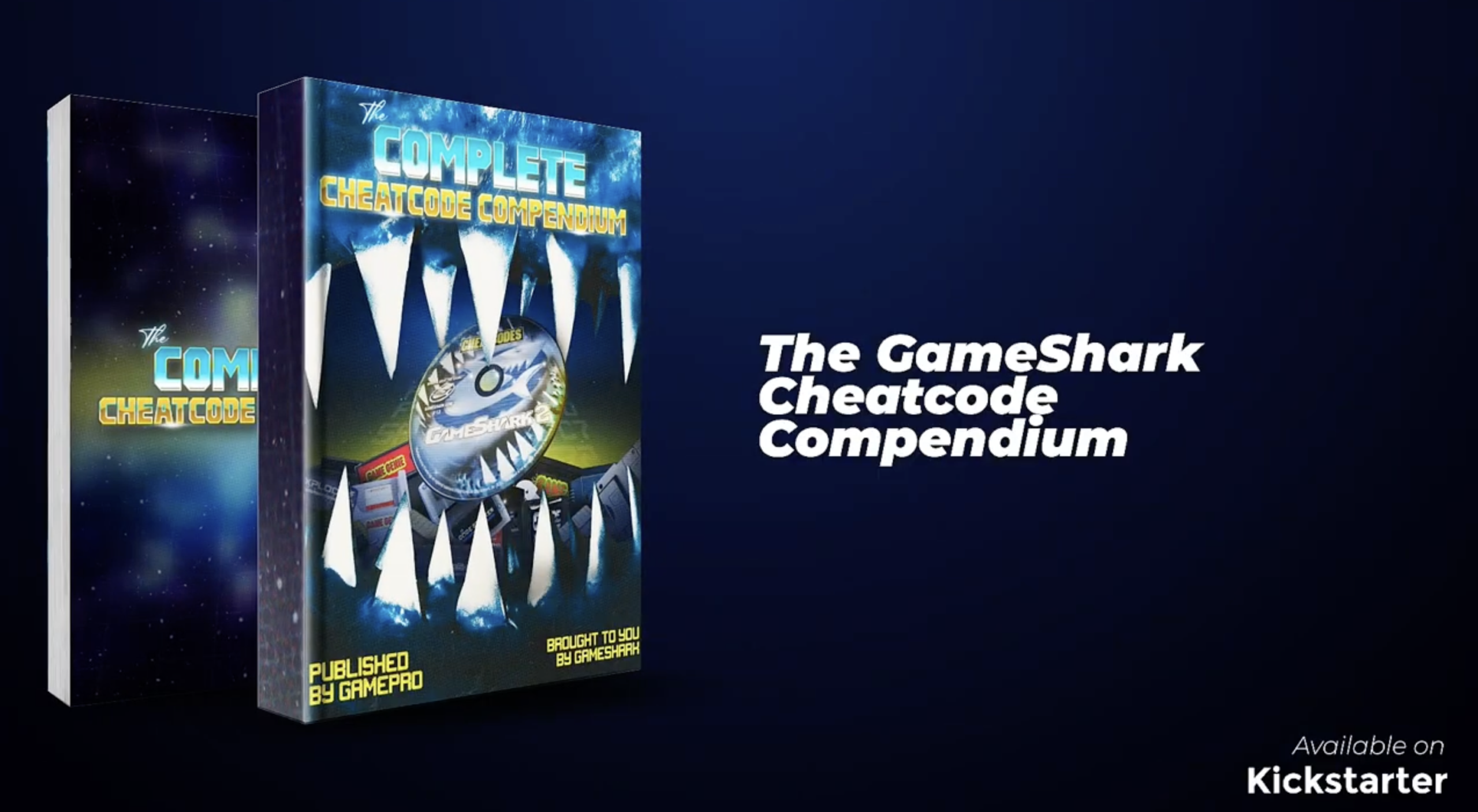
Remember GameShark?
For gamers in the late 90s and early 2000s, the GameShark brand of cheat devices was a household name. By plugging GameShark cartridges into their consoles or handheld devices, then plugging game cartridges into the GameShark devices, players could input codes to alter game physics, boost their stats or otherwise cheat their way to victory. (No judgment — as a kid, I may or may not have used a GameShark device to complete “Donkey Kong Country” on my Game Boy Color.)
After the last official GameShark product was released in 2012, the brand went dormant for over a decade. Four months ago, Todd Hays — whose company InterAct Accessories introduced the GameShark brand to the U.S. market in 1996 — realized that the brand’s previous owner Mad Catz had allowed it to expire, and reclaimed it through the U.S. Patent and Trademark Office.
“I don’t know whether I’ll ever officially own it again; it may be public domain,” Hays said in an interview with GamesBeat. “But I have claimed first and only sole usage of it, because I’m the only claimant.”
In 2026, Hays is looking to bring GameShark back — and he hopes to leverage crowdfunding to do it. Next Tuesday, January 20, Hays is launching a Kickstarter campaign that he says is intended to fund the GameShark Cheat Code Compendium, a comprehensive book documenting cheat codes and tricks for the top-100 hardest classic games of all time. The goal of the campaign will be to raise $25,000 to fund the production of the book, with the intention of using book sales to fund the development of new GameShark-branded products that use artificial intelligence to improve players’ gameplay experience.
To learn more about Hays’ plans for the resurrected GameShark brand, GamesBeat sat down with him for an annotated Q&A ahead of the Kickstarter launch.
The following interview has been lightly edited and condensed for clarity.
On the goals of the January 20 Kickstarter

Todd Hays: “$25,000 is the goal — but I can’t finish the development of the RetroShark unless I sell $500,000’s worth of these. I’m hoping, since the EGM Compendium was $1.8 million, we can get a third of that number; that would be terrific. But the campaign gets successfully funded if we pass $25,000.”

GamesBeat: Hays cited the Electronic Gaming Monthly Compendium, which raised nearly $1.8 million on Kickstarter in 2024 to produce a book curating excerpts from the long-running industry magazine, as evidence that there is a pre-existing audience for books and other products that take advantage of older gamers’ nostalgia. With decades-old properties like Backyard Sports making a resurgence and observers across the industry picking up on the power of nostalgia, GameShark’s return to the limelight could be taking place at an opportune moment.
On the transition from ‘AI Shark’ to ‘GameShark’
Todd Hays: “We went down the AI pathway, heard from retro and modern games alike, loud and clear, that they don’t like AI — so we shifted gears big time, and have even changed the name of the company and the goals for the products, because we listen to gamers, not venture capitalists.”
GamesBeat: Todd Hays initially re-emerged on the gaming industry scene in January 2024, when he announced that he would be bringing GameShark back under the new name AI Shark, with the goal of building an AI assistant to help players improve their gameplay over time. But with next week’s Kickstarter launch, Hays is moving away from putting AI front and center in the messaging around the relaunched GameShark, acknowledging pushback against the tech from some corners of the industry.
On his plans to launch an additional Kickstarter in March
Todd Hays: “GameStop and Best Buy have both already verbally committed to the product, as soon as I show them a prototype. In March, I’m going to do a pre-sale Kickstarter, and maybe an Indiegogo as well, to follow up on this video game compendium.”
GamesBeat: Next week’s Kickstarter is specifically for the GameShark Cheat Code Compendium, which Hays plans to co-author with games journalist Cyril Lachel. Hays is also in the process of developing two more GameShark-branded products: RetroShark, an AI voice assistant that acts as a companion for retro gamers, and UpShark, an AI engine intended to transform classic 2D games into three-dimensional experiences. The Kickstarter that Hays plans to launch in March is intended to allow backers to pre-order RetroShark devices.
On the target audience of GameShark’s AI-powered devices
Todd Hays: “RetroShark is going to appeal predominantly to the 28-to-50s men who are kind of falling back in love with retro games because they have enough time to play and enjoy them, but they don’t have enough time to beat ‘Elden Ring.’ If you’re busy, you probably don’t have time to really play these long, epic, frustrating, incredibly wonderful games. 94 percent of people never finished ‘Elden Ring;’ they never got to see the end of it, and I want to market to the people who are frustrated with that.”
GamesBeat: In the 90s and early 2000s, GameShark devices were primarily marketed toward children. Decades later, Hays is now looking to reach the exact same audience — just older, and with more spending money, but less free time. Older gamers are a growing demographic group, with AARP Research predicting that over 100 million individuals aged 50 and up will be gamers by 2045.