
Gaming is like the Force from Star Wars. It’s everywhere in our culture, and it’s becoming ubiquitous in our daily lives. It’s big business, and it’s also a force for good, keeping us sane when the world goes crazy.
Games are everywhere. They influence culture. They take a topic and they make it scale to reach billions of people. When you do something with games, your message can be so much stronger. And so the lesson, like in Star Wars, is don’t underestimate gaming. Don’t underestimate this force.
Instead, jump on the opportunity in the fullest way possible. And you can do so much better than the people who underestimate things. Think of the power of Roblox, Fortnite or Minecraft. Many dismiss these platforms as something for kids. But those kids aren’t looking for your brand anywhere else. Any brand that dismisses these platforms will be gone in a generation.
But I was astounded to learn that gaming commands only 5% of the world’s advertising budgets. I guess that means 95% of ad budgets are going into the Dark Side.
I spoke to Frank Azor, chief gaming officer at AMD, during a tough moment when one of our friends passed away. In that context, he said that at some point in your career, you think about mentoring the next generation. You think about finding people to replace you.
I haven’t quite done that yet, but I do intend to mentor our people as much as I can. Instead of doing things myself, I think a lot more about getting other colleagues to do those things. And so while it doesn’t come easy for me, I think letting go of some things and thinking about the big picture is good.
I once said, after Gamergate happened, that the harassment of women at that time was so horrifying that I would never recommend the game industry to my family as a place to work. Now I’m glad to see some change has come. I think a good goal for all of us is to make our industry more hospitable for the next generation. This is how we create a new chapter of generational change.
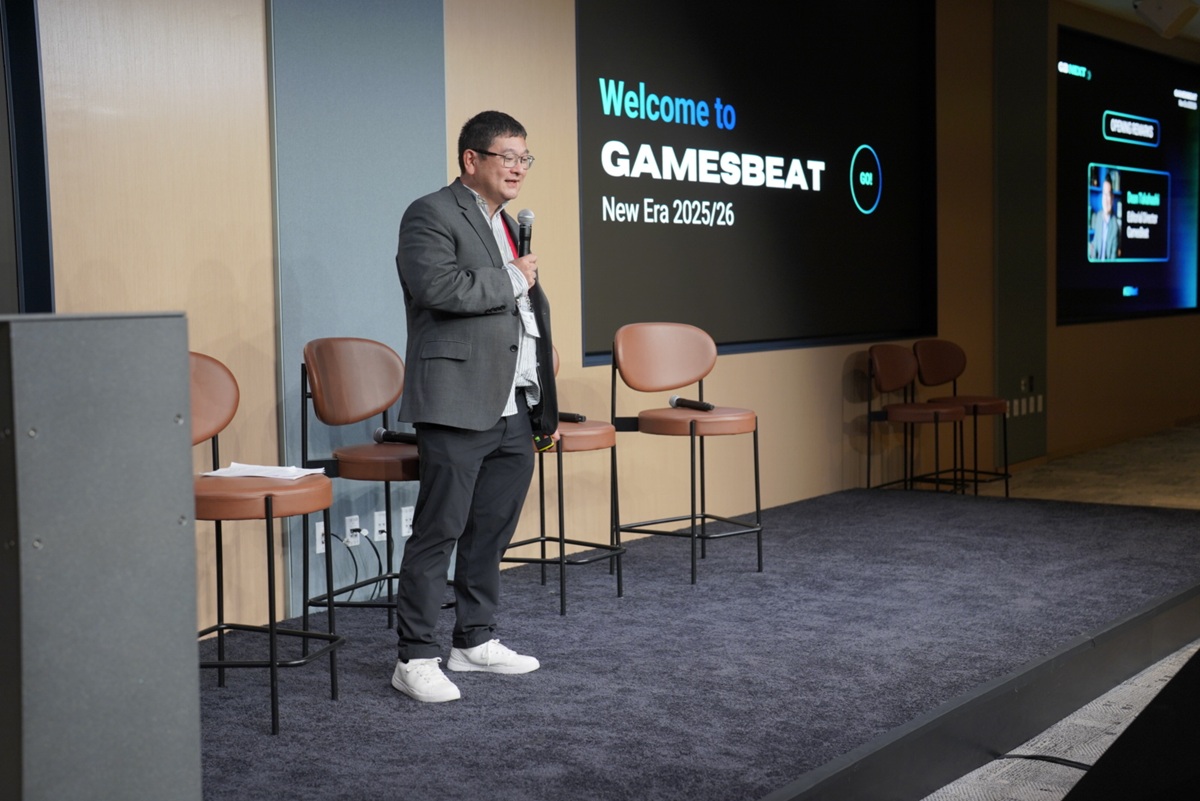
For 17 years, I was the lead writer for GamesBeat. Now I’m editorial director. In the process of learning how to do this new job, I have been very impressed with how our team pretty much taught themselves how to run a new company. We’re so proud to be here as the newly independent GamesBeat, and I can’t thank Gina Joseph, our CEO, enough for that. We’re proud to be aligned with the broader industry trend of controlling our own destiny.
And I’m very pleased that we’ve hired Alex Lee as our lead news writer. He joins our small team of writers that also include Rachel Kaser and our freelance writer David Jagneaux. Their work is offloading me. But better than that. They’re doing stories that maybe I would overlook.
I would have liked to have sprinkled political commentary throughout this speech, as I’ve never been shy about holding back. And from my perspective, we are at a pretty crummy time in our politics. But instead, I finally got Kate Edwards to come back and she’s going to talk about that for me. Kate is an expert on geopolitics, and so consider that topic covered.
I hope you like the title, theme and description of this conference, because it wasn’t my work. The team made this event happen, and it’s been about six months since we took GamesBeat independent. And for me, this independence represents a brand new chapter and this event is the very first expression of that.
Madison Shelton has been brought on as programming manager and has offloaded the task of making the conference more fun. I was never in charge of this, and I’m pretty sure I just would have told everyone to play more games. In any case, fun is for the young.
That’s a fun sentence to say, but in fact, that is what is holding gaming back now. Because everyone in this room knows that fun is for everyone. By extension, gaming is for everyone. There are 3.7 billion gamers on the planet. We have speakers who have come from Dubai and Malaysia who can hammer that point home for us. By looking around the world, we have found so many more stories to tell about gaming.
In fact, there are just too many untold stories in our industry. Yet I always remember how people say that GamesBeat covered them back when no one else would. We made deals possible for them, at events like this or in the stories we wrote. That’s why I’ll always do one more story than I think I can.
There have been many moments when I bragged on social media that I wrote ten stories in a day. Now that’s not such a great brag, considering that AI can do a lot more than that. But our stories followed our mantras of Follow the Money and Follow the People.
You could say AI will be offloading me one of these days. But to do what? What more can I do with my time? Maybe play more games? I hope so. But happily or sadly for me and AI, that day is not today.
Back in 2017, we wrote about the Leisure Economy, when the day would come when companies would pay us to play games. That world has come with the creator economy, but it’s still too small a slice of the population. But AI will make all of us face this decision one day. If AI can do my work, what does that free me up to do?
Fortunately, we have no AI speakers today. We have four sessions on AI at the conference and two more at least that will touch on it.
We have 117 of the finest human speakers in the game industry as well as some crossover with tech and entertainment. About 34% of them are women and 50% come from diverse backgrounds. The latter is a target that we have hit for every recent conference we have held, except for one. That means you will see people on stage here you have not seen elsewhere, and that’s a reflection of our community belief that diverse perspectives pay off.
We have six channels that we write about at GamesBeat now, and we organized the sessions along the themes of these channels. They include 26 sessions on game business, 18 on game culture, 12 on development, eight on tech, five on entertainment and two on gameplay.
Twelve of the sessions are today and 36 are tomorrow across three stages plus a roundtable room. It turns out there are no sessions about the metaverse and blockchain today.
This tells you about the fleeting nature of hype. The bet that we at GamesBeat have made, through all of the ups and downs, is that gaming, like the Force, will remain.
This event features a number of community partners. They include GEMA, Women-led Games, IGDA Foundation, the Video Game Bar Association, Women x AI, Zebra Partners, Games for Change, Firstboard, WIGI, Black Girl Gamers, Collegiate Games Challenge, Black in Gaming Foundation, Amir Satvat, AIAS, The Mix, and Midwest Games.
We have 25 great advisers who come from all parts of the industry. I’m so glad they’ve helped us find such great speakers. Thanks so much to our small GamesBeat Next event team, spearheaded by veterans like David Glass, Cathy Simpson, and Marta Ordeig as well as the strategic partnerships leaders like Ji Lee, Michelle Torrey and other newcomers like Livia Greenberg who are helping us grow.
I want to thank our GB Max members, as your support will help us create opportunities and connections for the community. Thank you to our event sponsors, who make these events possible. We are so grateful to you for helping us find a path to thriving in a media industry that has seen so many layoffs and shutdowns. If you’ve considered sponsoring, we need you, in part because so many sponsors come and go in this industry. And in a special deal, we are offering 15% off GB Max memberships, which is another way to support us.
We take that support and shine a light back on the industry, just like our Game Changers contest with Lightspeed shines a light on startups and puts them up on the Nasdaq Tower for the world to see.
I’m glad so many industry people are coming up with bold topics to discuss at our events. So many execs and CEOs fear to go too public with their views these days, especially in front of consumers on social media. But we like to cultivate a collegial and safe environment in our B2B stories and events.
I get why people don’t want to talk. But talking is how change happens. I remember what Amy Hennig said at GDC, in talking about the greatness of the game industry and how intimidating it can be at the same time. She said, “Come on in. The water is fine.”
It is great to call ourselves gamers or call everyone here members of the GamesBeat community. But you see, when we draw a circle around ourselves and make our own community, the trap we should never create for ourselves is treating people who are outside that community as others or outsiders. That’s a notion we have to get unstuck from.
Rest assured, we’re journalists, but this is a place where we put our swords and shields down at the door. I firmly believe that the game industry has to talk to each other and to the world more. And that’s why we want you to belong to this community while embracing those outside it as well. This is our core belief at GamesBeat, and I hope you can feel it like the Force, a warm blanket enveloping us all.
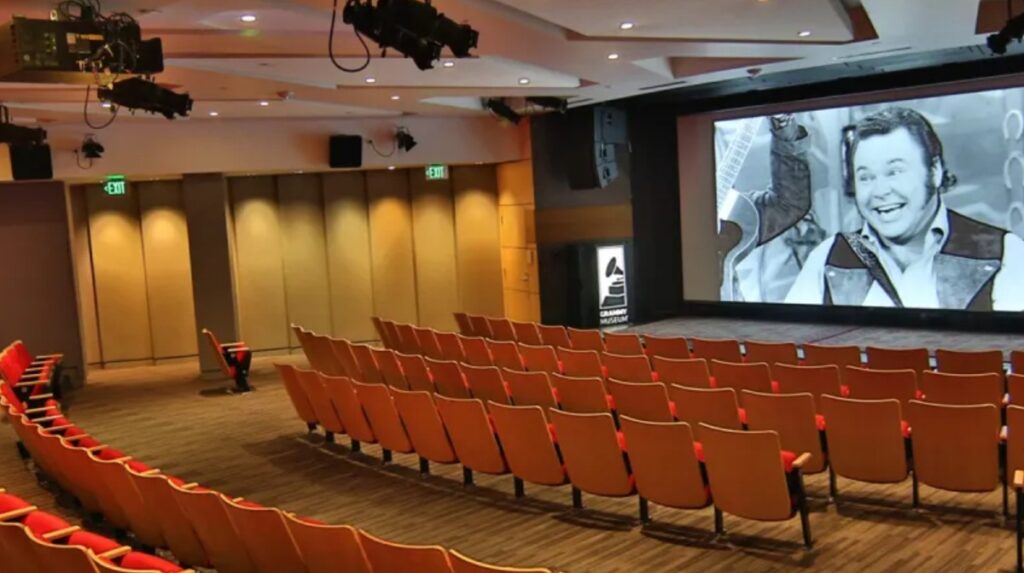
We will hold our next event, GamesBeat Insider Series: Hollywood and Games, on December 11, the same day as The Game Awards, in downtown Los Angeles at the Grammy Museum. We’ll also have GamesBeat Summit 2026 returning on May 18-19, 2026, in Marina del Rey.
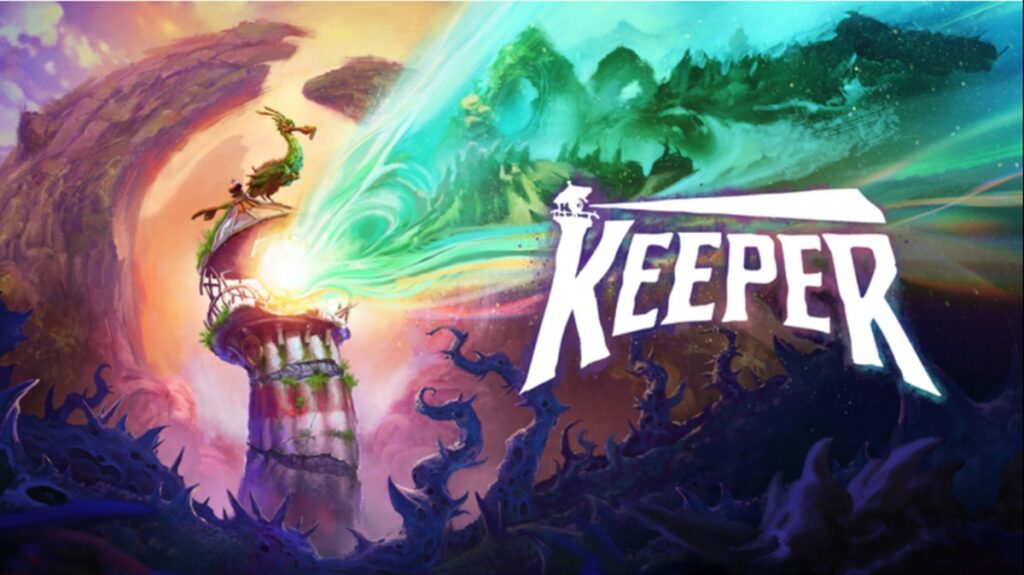
Here’s my inspiring closing comment for all of you. Like in the game Keeper. Be a lighthouse. Shine a light for the way forward. We’re counting on you to make the games of the future. Don’t screw it up.