
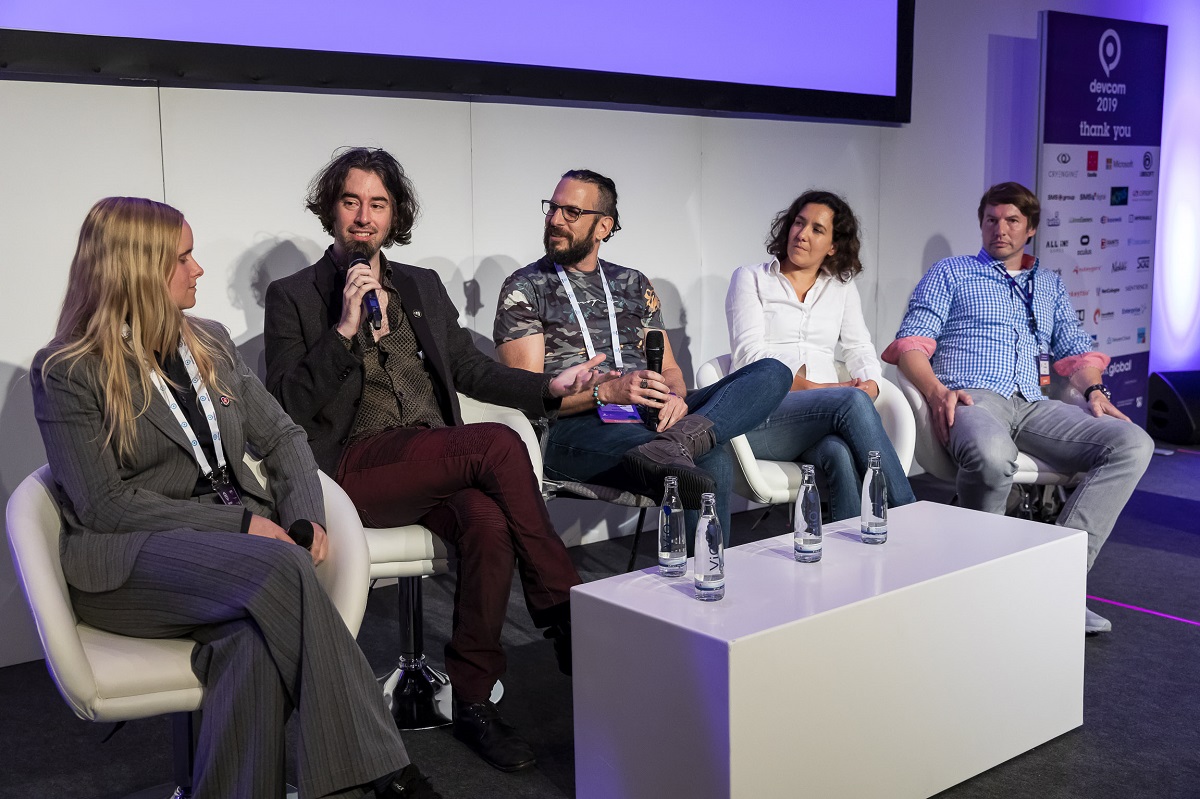
GamesBeat: Then we get around back to the game developer’s responsibility. Do you want to create something that allows people to do this in a game? Do you want to get into the question of agency? As we were talking about in Call of Duty, do you allow the player to choose to shoot the woman reaching for her baby? Do you allow them to not do that, but simply see that as a cinematic, a cautionary episode? That comes up later when you have to shoot a woman reaching for a detonator. If you were able to shoot the woman in the first scene, you’d never reach the lesson of the second scene. How much agency should a game developer give to the player?
Portnow: I don’t think it’s a problem of agency. Again, I think it’s a problem of context. Allowing any of these choices isn’t the fundamental problem. Getting the player to introspect, getting the player to reflect on these choices, that needs to happen. Unless the game developer themselves does that introspection, it doesn’t happen.
Question: Antonia has mentioned this already, but this is happening in the U.K. at the moment, that the government are getting very excited with various committees investigating immersive and addictive technologies, which includes games. The issue that they’re getting at and trying to get the games industry to admit to is, do game developers, just like Facebook and other technologies, have a duty of care to their users or their players? Not just around addiction, but a duty of care generally around whatever they’re designing into their games, if it might cause users or players to do bad things or get into bad ways. Game developers don’t have that duty at the moment, but I think that’s going to come, possibly through legislation on a national basis. But the question is, do game developers have a duty of care to their users?
Bøhler: I feel that they do, especially in light of something James talked about earlier when we were chatting. The only problem is, at some point does that become censorship?
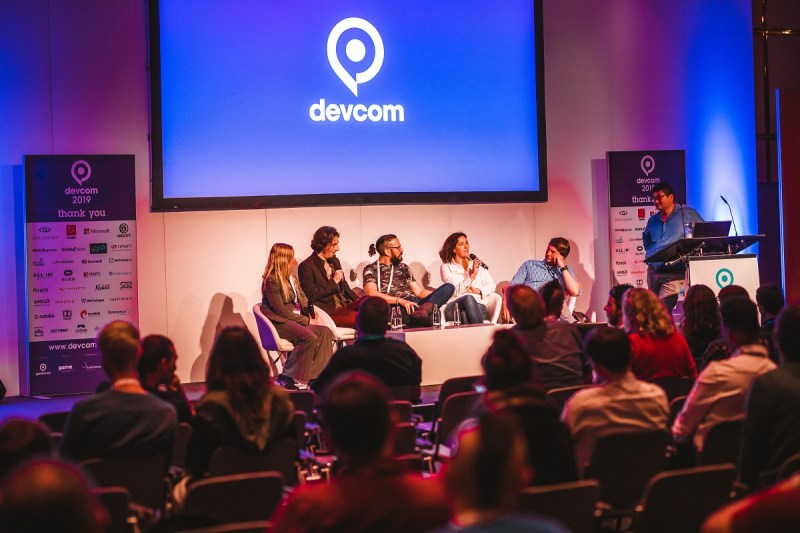
Portnow: To me, we have a moral obligation. Screw the government. The government shouldn’t have to be involved in this. As a game developer, I would never make a game where, say, the protagonist is a KKK member. Whether we’re talking about addiction or extremist themes or acts of violence, we as game developers should be thinking more about these things and what they mean. Before the government steps in, we should be having this discussion as a community and deciding that there are things we want to do to take care of our players as moral human beings.
Koop: I have a food analogy. As an industry we’re in a bit of a situation like the food industry. We have a lot of companies out there that sell us something that’s supposed to contain nutrition, but at the end of the day they save a lot of money by putting a lot of sugar and a lot of salt in there. As an industry, do you say that the food industry has a duty of care? That they shouldn’t sell us things that make us fat, unhealthy, gives us a heart attack, whatever? It’s difficult to regulate that, especially because for everyone, the impact of different kinds of intake are different. It’s a messy question.
On the other hand, the industry tends to drive toward the lowest common denominator. Sugar gets to a point where we end up with a sugar tax in the U.K., so we switch to artificial sweeteners, which also aren’t particularly healthy. We have to avoid ending up in a similar cycle. We can’t be blamed for violence just as the food industry as a whole can’t be blamed for obesity, but we’re having an impact. It’s our choice to say that we don’t want to sell rubbish. We don’t want to sell things with a cheap negative impact. We want to look at selling something that’s nutritious, that’s valuable, or at least not damaging. There might be the occasional snack binge that we can take on the gaming front, but overall we want to take responsibility and make something that’s worth consuming.
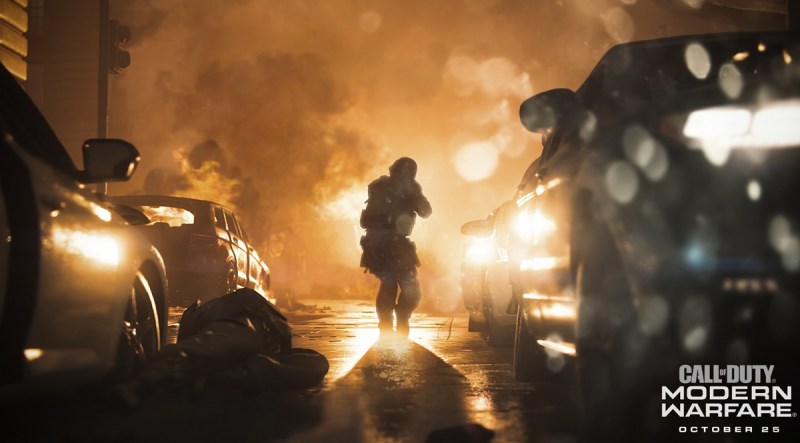
GamesBeat: Sometimes market forces work. Postal isn’t the number one selling game every year. Call of Duty usually ends up being that game, and it’s a more respectful game than Postal. The market has at least spoken on that subject. The market doesn’t necessarily reward games that repeatedly do bad things to consumers. Loot boxes are possibly leaving the industry now because of market forces, as people complain about them more and more. Maybe that’s going to work better than regulation.
Bøhler: This is another comment about food, but maybe I think there’s another comparison there. I don’t know about Germany, but in Norway, for instance, suddenly — I don’t know how this happened — people became very aware of palm oil, where it comes from and what it does, both to your body and to the environment. It’s very bad for the world in general. Suddenly it became very unpopular to buy foods containing palm oil. It became this pop thing — like, you’re not cool if you buy this crap. Some food brands suddenly became super popular because they just said, “It’s cheaper to use this, but screw it.” The shops had posters outside: “We have food without palm oil.” It became a trend, so maybe we can find a way to do the same.
Question: I feel like a lot of the problem we have is awareness, the way you talked about how players should have awareness. I feel like that’s important for the education of players. My problem is, when parents buy games without looking at the content in them, and just letting them grow up on that — I believe that parents have a responsibility to educate their children. While we as a games industry, yes, we should make better games, but we shouldn’t be limited in the things we can and can’t make because our players aren’t being educated. I don’t know if you would agree with that or not.
Portnow: I just came from Serious Play, where I talked a lot with educators around this kind of thing in the United States. One of my biggest themes is, play games with your kids. If you have a television and you just sit the kid in front of it, they’re going to watch crap and they’re not going to get much from it. But if you sit with them and talk about their favorite TV shows, they’re going to get a lot from it. The same is true of games. We should be doing more with our brothers, sisters, nieces, nephews, children to make an environment where people get the most from the games they play.
That said, while I agree with you that we shouldn’t be in any way legally limited or censored in what we build, very often people use this idea that we should be free to excuse themselves from the morality of creating bad things. Even though we’re free to do whatever we want, I still say that we should do more, and we should communicate more with parents and other people who say they don’t play games about how to have conversations around games with people in their lives.
If you just have that conversation with a kid, even if you don’t play Fortnite or Madden or whatever it is, there’s a remarkable amount you can learn just in letting a kid talk about their interests for 15 minutes. You can help them learn. I was just talking to a group of kids in a classroom and they started talking about Fortnite. Two minutes in it became a conversation about communication, about teamwork, about all these other things. It doesn’t even matter that it’s about a game, as long as we have that conversation. We as an industry can do more to help people have those conversations.
Bøhler: I was actually hired by the Norwegian government to teach eighth-graders about games. First we just go through the typical games that they know of, and they sit down and analyze them a bit based on what I’ve said. Then we go on to the games I like, which tend to be more art, and they ask, “Is that free?” And I say, “No.” Toward the end, though, I tell them, “Okay, now it’s your turn to make a game.” That’s really interesting, because some of them just make up something silly — “You put a coin up your butt!” — but some of them, for example, talk about making a game about depression. There are a lot of things going on there.
What I realized, though, after about four years of giving the same talk, is that it’s the teacher sitting in the back that learns the most. It’s good to do that same kind of educational thing for adults. “This is what games are.” You only need two or three hours, and after that people understand that there’s more to it.
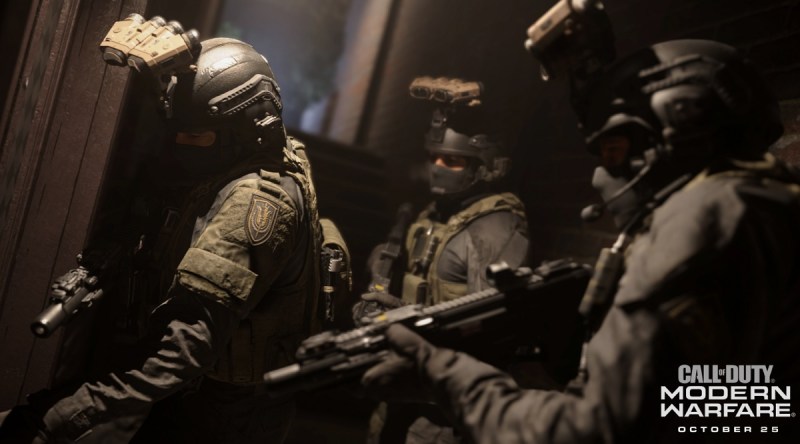
GamesBeat: Talking about parents, Call of Duty is once again an interesting case, where it’s been Mature rated for the whole history of the game, but I know a lot of parents, a lot of families who let their young kids play that game. They see no consequence to that. They’ve come to trust that brand as a brand they can allow their young kids to play without worrying about real consequence it. Because it’s so trusted, it’s almost as if the developers have historically designed for that, rather than what they’re doing this year, which I don’t feel good about — that they’re pushing Modern Warfare toward a violent edge.
Normally I would say it’s not necessarily a big problem that kids are playing Call of Duty. This year I think it is.
Liberman: My answer to that would be that it’s the responsibility of parents and educators to really get that across. You can have a violent game, but if you educate the people playing it, if you show them that it’s just a game and what you do in the game is something that isn’t something you’d do in real life, then they’re much more aware of the difference there.
Ullman: I’d agree with that. Games aren’t able to fix things that have gone wrong in the education and the upbringing of children. I’m a father of two kids as well. I make sure that they’re growing up with content I feel that’s good for them, that they’re ready to consume. But we shouldn’t rely on the fact–there are areas and territories where youth protection isn’t playing such a big role as it does in Germany. In Germany we have a tendency to rely on the state and the state takes care of us. We have very strict youth protection, and in most cases that’s a good thing. But we all grow up in many different cultural backgrounds. You should be able to do what you want to do within the limits of the market and society. We should be free to explore the ideas we have and offer new concepts, new content, new stories, and new experiences.
Portnow: But that just excuses us of responsibility. It’s easy to push that responsibility onto other people. Fundamentally, who here has ever had a meaningful experience in a game? That’s basically everyone here, which means games can affect you. We have to accept that, because if we accept that they can affect you in a positive way, we have to also accept that they can affect you in negative ways. If that’s true, then–yes, I agree with you that we shouldn’t be censored. But as developers, it should also be our goal to make the thing that makes the world a better place, to make a piece of entertainment that’s simultaneously the most engaging and yet also gives something to somebody when they get off the couch or turn off the screen that’s not detrimental to them.
Ullman: It’s a very nice goal. I wouldn’t say that we shouldn’t be aware of the consequences and the responsibility that we have. I would not necessarily say that we should have as our goal to make the world better. There are so many experiences to play, so many stories to tell — every time it’s in the eye of the beholder. Where does this get us? You and I might disagree on whether something is a good idea or a bad idea. That’s why I think there’s a slippery slope in saying we should make the world a better place. You and I might have different ideas of what that world would be.
Portnow: But it doesn’t matter if we have different ideas about it so long as both of our goals are to make the world a better place.

GamesBeat: What was it you said, about how the road to hell is paved with good intentions?
Question: What do you think companies can and should do to combat toxicity in their communities, if indeed they do make violent games?
Portnow: You’re asking this with two minutes remaining. [laughs] I have a lot to say on this, so I’ll sit back on this one.
Koop: I have one remark in this direction, which also goes back to the previous question. Giving kids a game like Call of Duty and telling them that it’s all not real doesn’t make a difference. The impact it has on a brain that’s not fully formed, on a personality that hasn’t yet been shaped, is there regardless. Let’s say we have a 12-year-old playing a shooter in a high state of adrenaline. They’re impacted by that experience, regardless of what their parents say about it.
There’s a decision to be made, either about restricting gamers, which we can’t do as developers — every 12-year-old knows how to get around age restrictions — or about how to get a message across as far as why games are age-rated in a certain way, and why certain games shouldn’t be accessible to younger generations. It’s about communication and collaboration with parents and with our players. That’s really key.
Question: I’m not so much talking about children, though, as I’m talking about bad adults.
Portnow: All right. The truth is, have some fucking guts. The truth about this is, there are two sides to it. Side one is, we as an industry, a consumer capitalism-driven industry, have very often said that a consumer is a consumer. We’ve never asked the question, “Do we want all these people to be consumers?” Are there sections of this community to which we should say, “No, we don’t want you buying our game?”
To me, the answer is actually yes. When you have those toxic, misogynist, bigoted communities as part of your game, it makes the experience worse for everyone. Even from a monetary perspective, we know toxicity makes you sell fewer units. Someone brought up talking about politics in games. We have to say, “All right, these things are not okay.”
But we also have to deal with the flip side. The other important side is finding more ways to encourage and reward good behavior. We just accept that good behavior is the norm in most games, and so good behavior will go un-called-out, while bad behavior gets you punished. Toward those people we act negatively. We entrench and reinforce. But if we do more with our games to call out all the times we see a good or positive act — we can track that almost as well as we can track negative behavior. We can do a lot more to reward the player for doing good. I would never design a game that strictly punishes you, and yet that’s how most of our social systems work.
Disclosure: The organizers of Devcom paid my way to Cologne. Our coverage remains objective.