
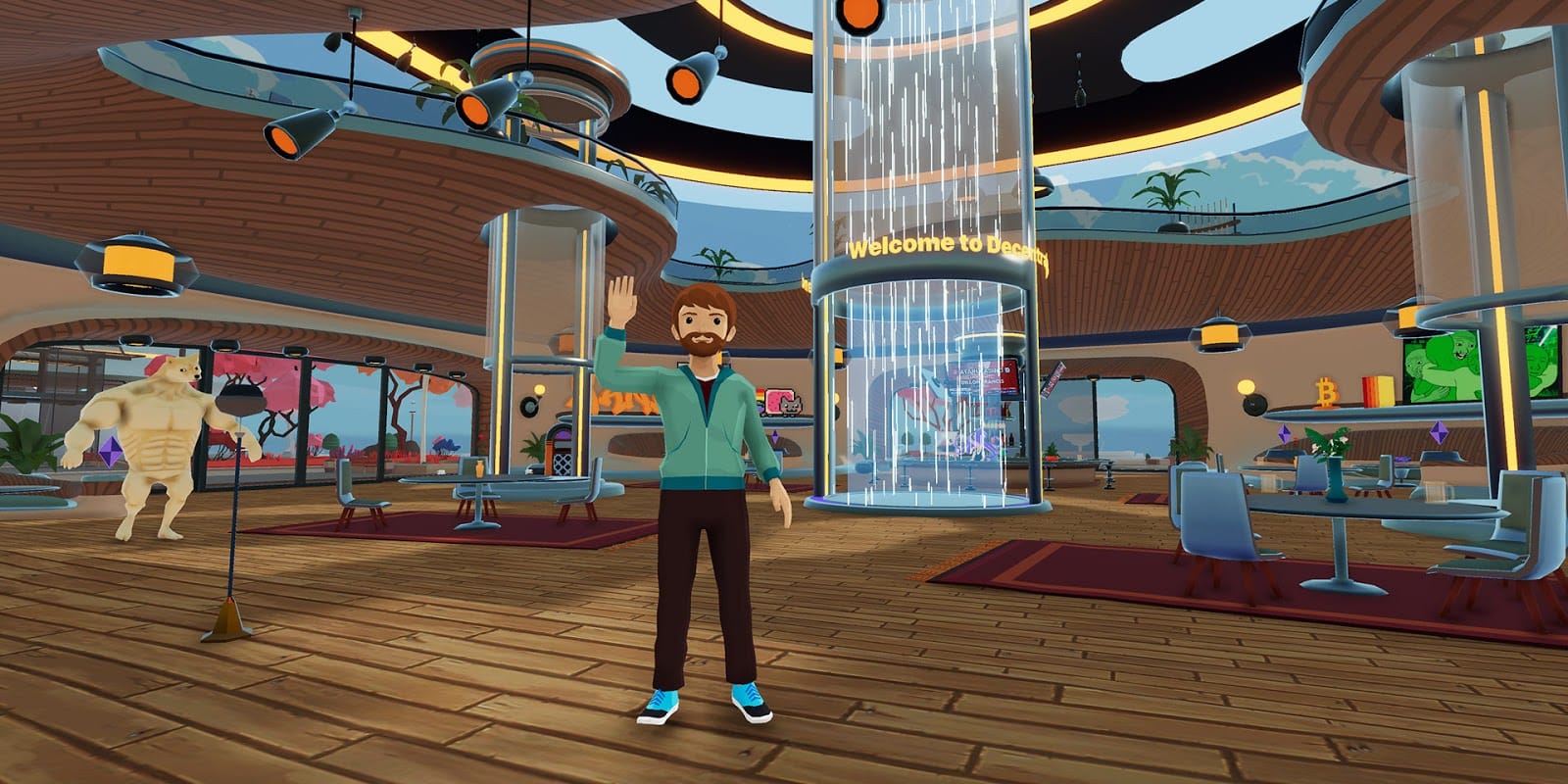
Decentraland is now available across Apple devices.
Decentraland head of partnerships and marketing Kim Currier shared the news during a panel at the WorldBuilder Summit, a conference for dealmakers and creators in the user-generated content space in Los Angeles today, April 23. The UGC platform initially launched as a browser-based experience in 2020, but has recently expanded to other platforms and distribution networks, launching on the Epic Games Store and Google Play earlier this month. At the time, the company teased an Apple App Store launch “coming soon” in a LinkedIn post.
The Decentraland app launched on April 20, according to the Decentraland Apple App Store page.
“Expanding to new platforms is an important step in making Decentraland more accessible to entirely new audiences,” wrote a company representative in the LinkedIn post. “Launching on Epic Games and Google Play is an important distribution milestone and the result of a commitment made last year.”
Showing up in mobile environments has become a critical move for user-generated content platforms looking to capture audience engagement and eyeballs. Following Epic Games’ legal challenge against Google last year, Fortnite returned to the Google Play store in March 2026; on Roblox, mobile is the dominant platform, with 80 percent of users using mobile devices to access Roblox experiences in 2025, according to an annual report published by the company.
After experiencing a renaissance during the Web3 boom in 2021, Decentraland has declined in user traffic in recent years, with prices of the platform’s blockchain-powered virtual real estate declining significantly in 2025 and 2026. Reaching mobile audiences on the Apple App Store and other platforms could help Decentraland make up some ground against more prominent user-generated content platforms like Roblox and Fortnite.
The WorldBuilder Summit is the first dedicated conference for user-generated content creators and dealmakers across all major and smaller UGC platforms. Currier’s panel, “Owning Reality: Who Owns Digital Space and Why It Matters for Creators,” also included the perspectives of Phygital Twin founder and chief executive officer Louise Laing, Oncade founder Stavros Lee and Rocket Fuel chief executive officer Fahad Moeen.