
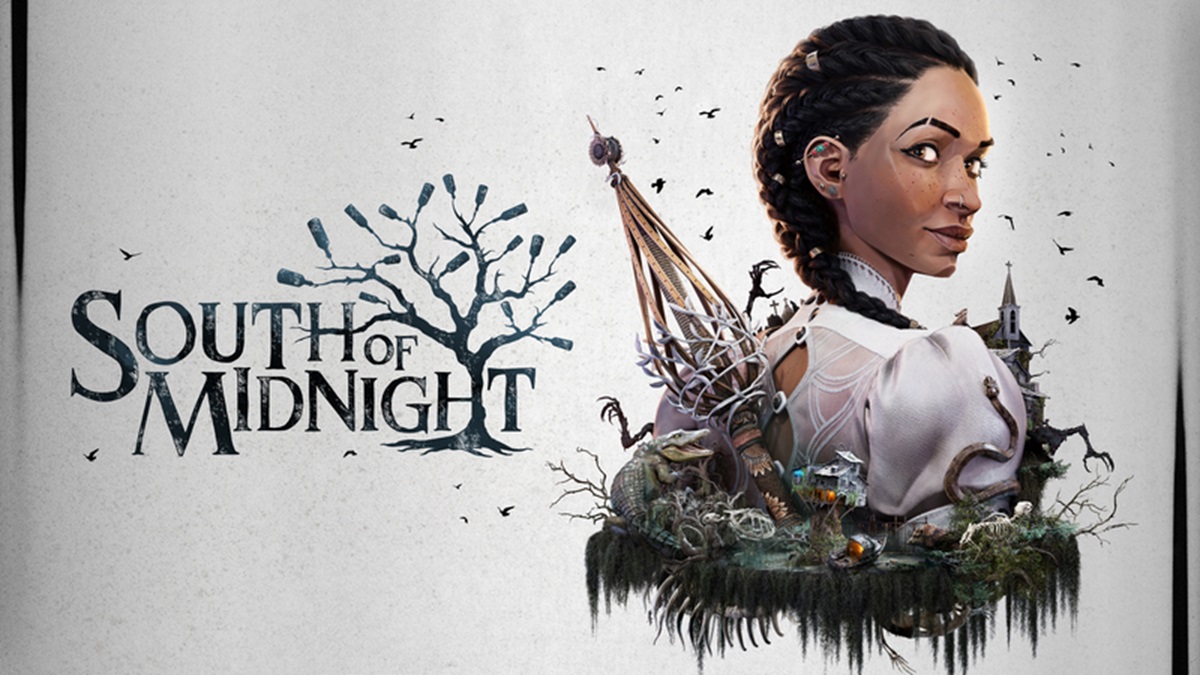
Compulsion Games, the maker of compelling games like South of Midnight, has pulled off a management buyout and is now separated from Xbox.
Guillaume Provost, CEO of the Montreal-based game studio, confirmed the deal is done in an exclusive interview with GamesBeat. Everybody got a clue when the Steam version of South of Midnight as Microsoft has transferred back the IP in its ownership to Compulsion Games last week. At the time, Compulsion Games had no comment.
But Provost said that the management buyout is complete and that it owns its original intellectual property games again, as Microsoft has transferred the IP back to Compulsion Games. Provost said management has acquired the studio and staff as well. This means that if anyone buys a Compulsion Games title now, the revenue goes to supporting the studio, not Microsoft.
The deal has been expected ever since Microsoft announced in early July that it was divesting itself from five game studios and was also laying off 3,200 people (half of them in the next year, half immediately). Compulsion Games, which focused on stylized, narrative‑driven, atmospheric games, was one of the five studios being spun out from Microsoft.
“We’re confirming we’re getting all of our publishing rights back,” Provost said. But he acknowledged it takes time to get the legal work done on some of these tasks. In addition to Steam, Compulsion Games also has to assume ownership of its games on the Switch, PlayStation and Xbox stores.
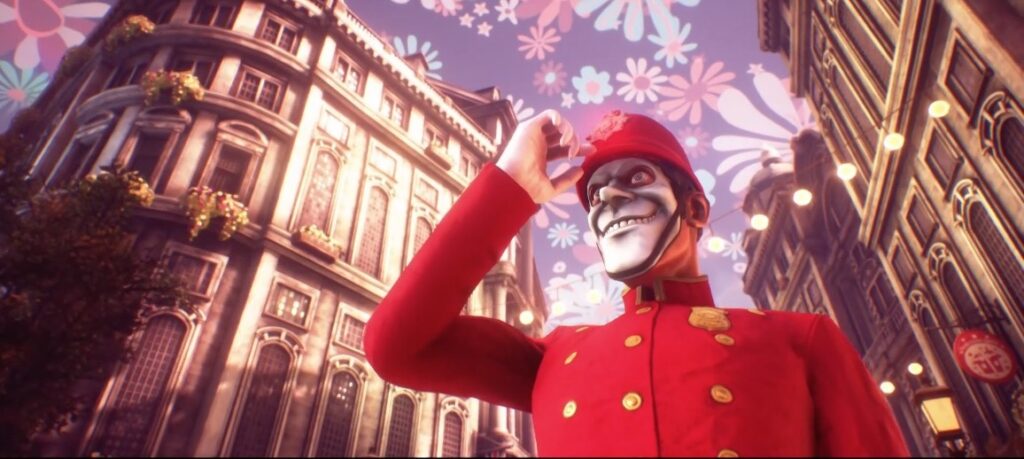
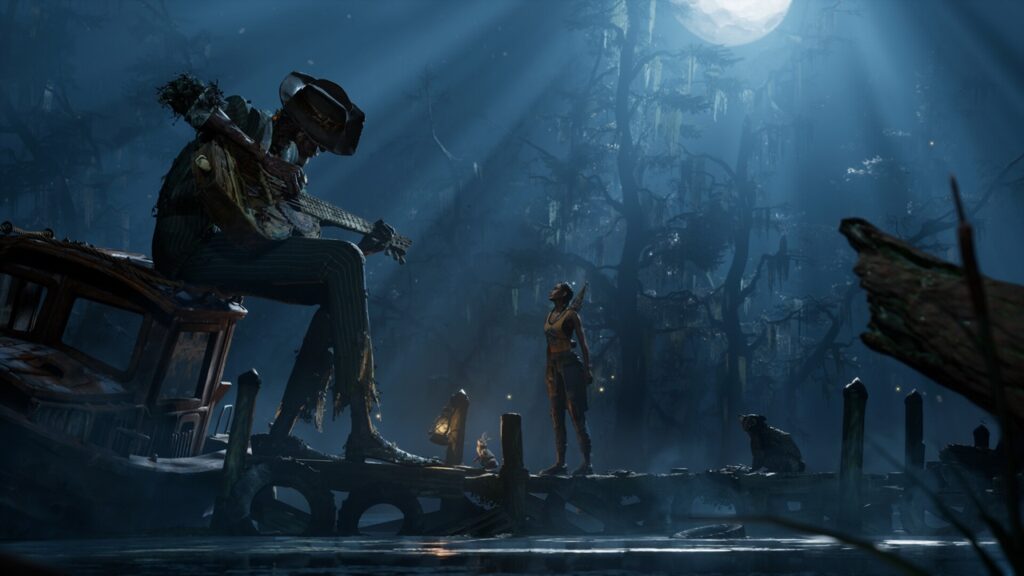
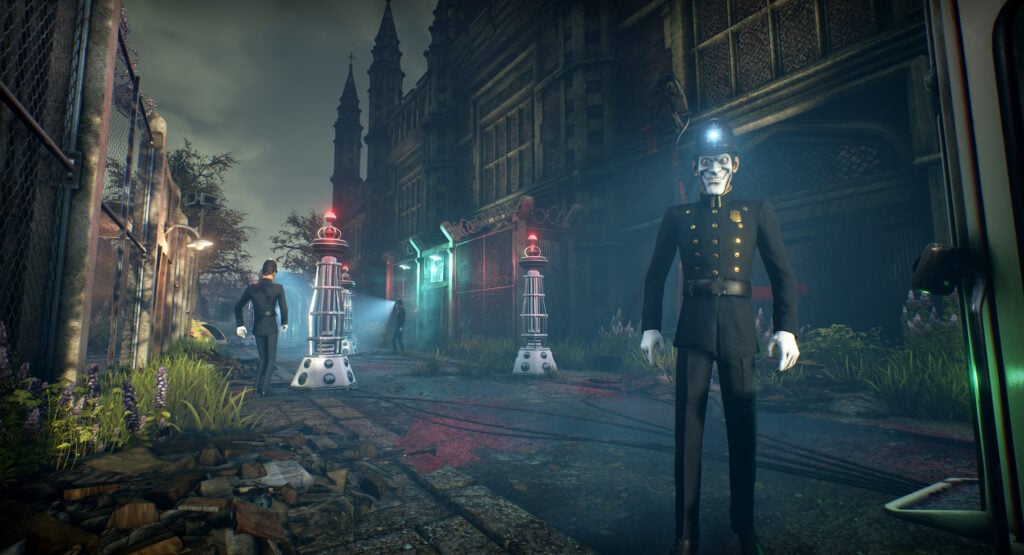
Compulsion Games’ titles span multiple categories. Contrast (2013) was a puzzle-platformer game with unique mechanics. We Happy Few (2018) was a survival horror game with first-person exploration. And South of Midnight (2025) was a third-person fantasy action adventure.
“I can confirm we have regained ownership of our IP, and that the publishing rights are transferring back to Compulsion. It’s just that there’s a transition period where that happens with different platform holders,” he said. “Buying the games is supporting the studio as a result of that change.”
He noted, “We’ve completed our separation process to become independent again.” He did not disclose the terms of the deal, other than to confirm it was a management buyout. It is a far better outcome than the alternative, which was shutting down the studio.
“I did this deal for the team first and foremost. I asked the team, ‘Do you want to stay together?’ The team told me we would rather eat rocks and drink gasoline rather than be split up,” Provost said.
There’s a lot of work to do still in making sure the company has a good path to pursue, but Provost said the company is concentrating on one step at a time. It’s only been nine days since the deal was done.
Provost has been meeting with various parties to secure a stable future for Compulsion Games in its independent state. He is exploring different alternatives for permanent funding, but the team continues to work. Part of the team is busy working on a title that was in progress when Microsoft decided to change its course under new leader Asha Sharma.
Provost declined to disclose exactly how many staff are on the team. Some left or began looking for jobs as soon as he warned them that the studio faced the risk of closure. Most of the studio leaders have chosen to stay with the team, Provost said with relief.
“We’re getting a sense for what the management team is interested in doing and building,” Provost said.
He wants to select projects for the team that can help it become a self-sustaining studio, and he also wants inspiring work that the team is passionate about building. He acknowledges that Compulsion Games will not have all of the resources that Microsoft had. And he is engaging in a lot of meetings, both inside and outside the company, gathering information and exploring partnerships.
“I just want to make sure that we’re setting the team up for success,” Provost said. “We’re going to take things slow. We’re going to meet with everyone.”
Provost said he is not necessarily going to immediately raise money. He wants to make sure the company is in a strong position whenever it seeks more investment.
Provost has a measured view of positivity when it comes to controlling the company again. He noted, “Everything is relative. Compared to all of us losing our jobs on July 6, this is a pretty good deal. I would say the exit was gracious on Microsoft’s part.”
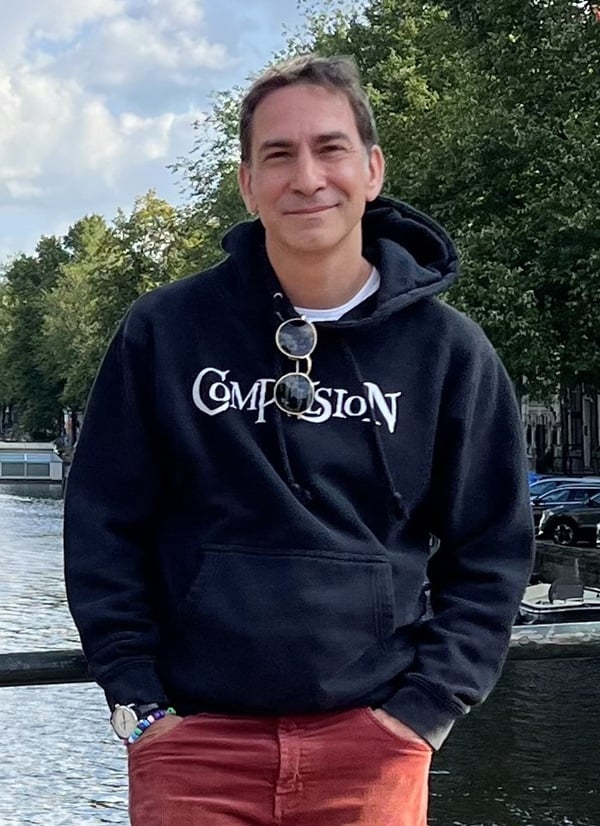
Provost wants to make sure he is building a healthy business, and he said, “I’m fairly confident we can get to that place if the team’s heart and priorities are aligned with running a profitable business.”
Provost wants the team to share in the growth of the company. And he has signaled that he is open to doing collaborations with other studios and other IP holders. And now that the company is independent, he can pursue those things again.
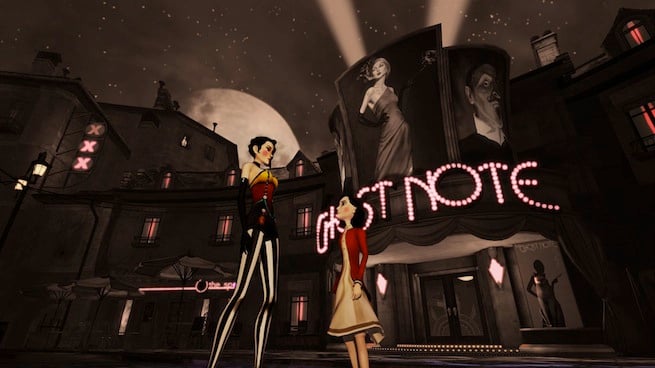
“We’re excited to gain back the rights of our intellectual properties and to keep making interesting, weird stories and weird worlds,” he said.
Provost started the game studio in Montreal during the midst of a previous financial crisis in 2009. He sold the company to Microsoft eight years ago.
“The moments like these are for change and opportunity,” he said. “Starting ventures when times are tough means the companies start to build the right bones. They understand the need for being thrifty and lean because of the economic context. I think we’ll have really solid bones. This is a similar climate to when I started my studio originally.”
Provost is already enjoying the independence where he can establish collaborations quickly with other companies.