
Blast is bullish on esports — and the company has the numbers to back it up.
Based in Denmark, Blast operates competitive gaming leagues and tournaments for titles like Counter-Strike 2 and Rocket League, with offices in Copenhagen, London, Berlin, Malta, Mumbai, and a recently opened U.S. headquarters in New York City. Blast has been profitable since its 2023 fiscal year; on June 30, the company released new numbers showing its continued expansion in 2025. Last year, Blast generated $133 million in revenue according to numbers shared by a company spokesperson, representing a 40% year-over-year increase in annual revenue. Since announcing profitability, Blast has nearly doubled its overall revenue, according to Blast chief business officer Leo Matlock in an interview with GamesBeat.
“This industry traditionally hasn’t shown many companies that have achieved and sustained profitability, so we’re quite actively, consciously trying to be a bit of a beacon in this world,” Matlock said.
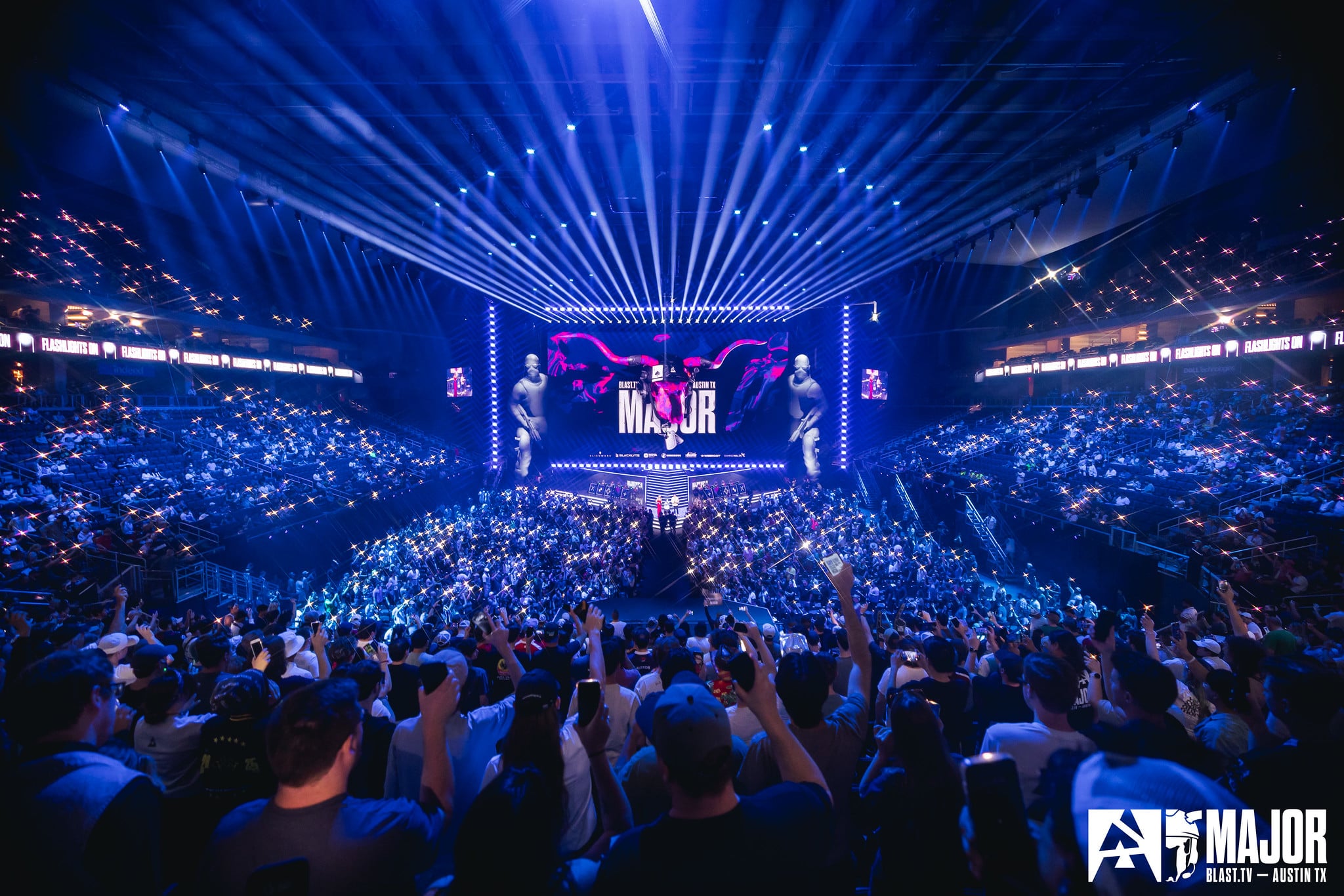
Although Matlock credited Blast’s diversified revenue strategy for its success in 2025, he flagged sponsorships and partnerships as a particular area of growth for the company. Blast frames its portfolio of esports events, which includes leagues like Blast Premier and annual championships like the Six Invitational, as an effective way for both brands and host cities to reach young and engaged consumers. The company’s list of brand sponsors includes advertisers like Michelin, Progressive, and Polymarket, and the company also operates a growing destination sponsorship business with partner organizations like Visit Austin, Meet Boston, and Visit Raleigh. Blast claims that the company’s 2025 Austin Major drove $102 million in spending in the city, including $9 million in hotel fees, according to third-party research the company commissioned last year.
“Competitive entertainment has become one of the fastest-growing sectors in global media because it combines community, technology and live experiences in entirely new ways,” said Blast chief executive officer Robbie Douek in a press release. “The next generation of fans want entertainment that feels participatory, social and global by default. That shift is creating enormous opportunities for brands, publishers, creators and host cities.”
Blast plans to use its new U.S. headquarters as a springboard to expand its global esports presence further. The company intends to host 15 events across 13 host cities in 2026, with Matlock calling out the U.S. as a particular focus of the company’s geographic growth strategy in the coming year. Over the past 16 months, Blast has hosted seven major esports events across the U.S. At the moment, Blast employs about 200 full-time staffers, which Matlock said was a roughly 10-to-15-percent increase from the beginning of 2026. Eight of those employees are based out of the New York headquarters.
“We’ve always been global,” Matlock said. “What we’ve wanted to do is actually put more presence and actual roots into some of those key markets we’ve already been operating in.”
In 2023 and 2024, the esports industry went through a so-called “esports winter,” with brands and investors decreasing their spending in the space in favor of other areas of gaming, media, and entertainment. Blast appears to have emerged stronger from this challenging period — but the company’s shifting strategy in 2025 and 2026 makes it clear that it did not survive by simply doubling down on competitive gaming. Instead, Blast is looking beyond gaming to grow its portfolio through initiatives like a multi-year deal to produce the official Wimbledon esports tournament, as well as an ongoing push to bring more co-streamers and content creators to Blast’s events.
“Bodies like Wimbledon are increasingly asking us to work with them to capture that audience and create new or hybrid digital sport competition models with them together, so we’re really excited about that,” Matlock said. “We’re responding more to market demand, actually, more than building and hoping it will come.”