
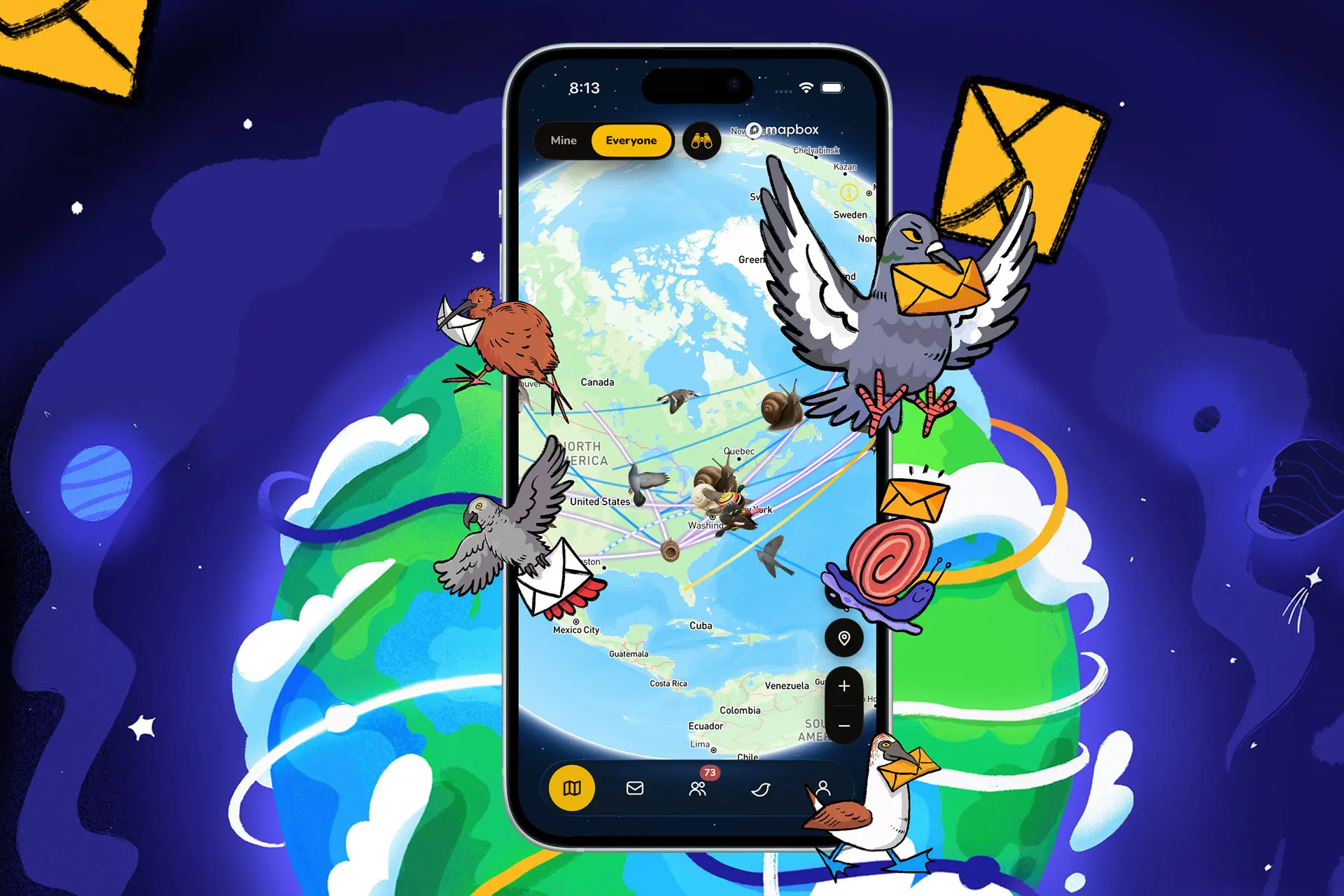
As Roost Social moves beyond its viral moment, the platform’s founder is going all-in to scale it up further.
Lifelong bird enthusiast and app developer Logan Mendelsohn published the first version of Roost in April, allowing users to collect virtual birds — each with their own aesthetic, speed, and other traits — and use them to send messages to friends, with the speed of delivery depending on the speed of the messenger bird.
When Roost crossed the 250,000-user threshold in July, Mendelsohn was still working as a product manager at Ticketmaster. By September, the platform was well on its way to reaching a million total users, and Mendelsohn decided to leave his job in order to go full-time on building Roost. Shortly after, he traveled to Japan, where he was blown away by the number of Roost users who showed up to real-life community events in Tokyo.
“People asked for my autograph and pictures with me,” Mendelsohn said in an interview with GamesBeat. “I was like, ‘oh my god, this is crazy.’”
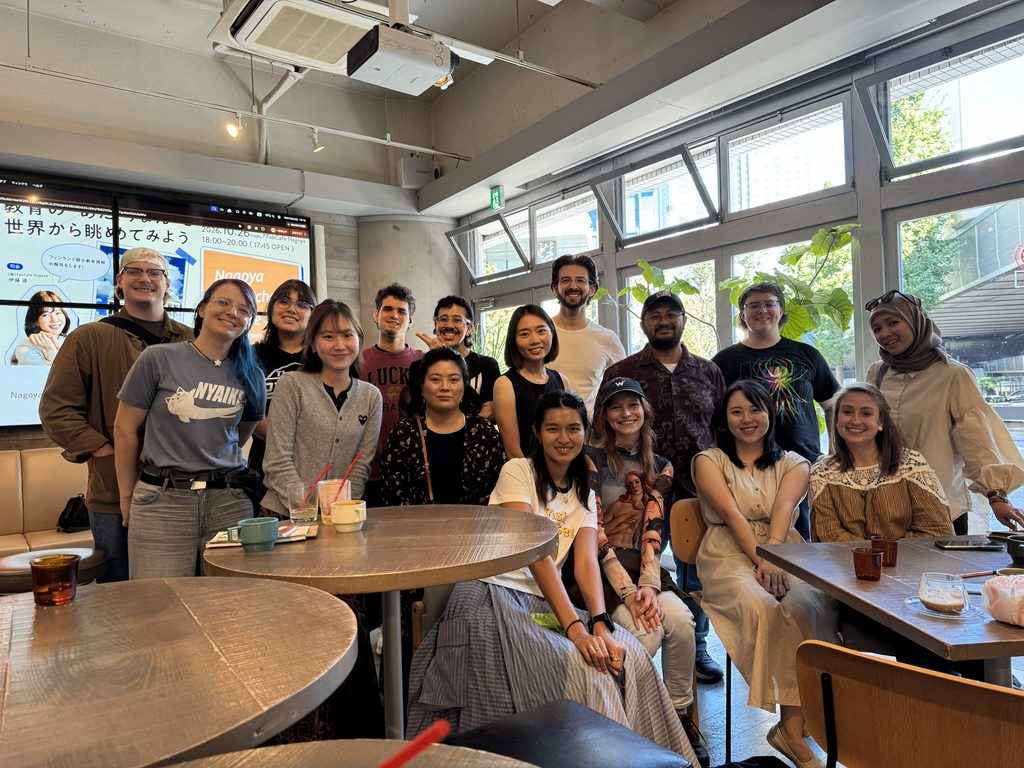
During its initial launch, Roost Social became a viral hit, and the platform officially crossed the million-user mark earlier this month. At the moment, Roost boasts between 300,000 and 400,000 monthly active users, with its largest communities in cities like New York and Los Angeles. Accordingly, Mendelsohn said his product vision had broadened from a slow, bird-based messaging app toward real-world connection. Although collecting birds, asynchronous messaging, and a wholesome experience are still hallmarks of Roost, the platform is starting to incorporate elements like real-world events and activities to prompt its users to build relationships.
“What I’m hoping out of incentivizing people to go into real life is that it is kind of like Pokémon Go, but for activities that are also built around building connection, because I think connection is the thing that everyone wants,” Mendelsohn said.
Roost’s growing focus on real-life connection has not prevented Mendelsohn from building out its in-app features as well over the past few months. In July, the app included rudimentary mini-games and bird-collecting elements. Now, it features a customizable bird-care room; personalized letters using virtual paper, stamps, and scans of users’ real handwriting; dinosaur collectibles; and more developed mini-games including a bullet-hell game.
Monetization inside Roost has also become more layered. In addition to the one-time bird purchases and subscription product available to users earlier this year, Roost now has an in-app economy built around a virtual currency known as berries, which users can use to purchase letter-opening animations, paper, stamps, and other virtual items. In the future, Mendelsohn said Roost is also open to IP integrations and partnerships, with IP holders potentially able to offer up their characters as virtual messengers.
“I don’t want traditional ads in an app like this, unless it’s optional,” Mendelsohn said. “Instead, I want it to be sort of like the Fortnite strategy, where it’s part of the experience and people feel value from that.”
Roost is still largely a one-man operation. The app is drawing relatively consistent monthly revenue, but Mendelsohn hasn’t yet made any full-time hires, although he has hired artists to help build Roost’s library of virtual birds. Before staffing up, Mendelsohn said he needs to raise between $2 million and $3 million, with plans to build a team of about five, including a dedicated partnership sales person. Conversations with potential investors are already underway — but given the new category that Roost is building in, these conversations require an element of education, per Mendelsohn.
“They’re still trying to wrap their heads around this concept and why it’s doing well,” Mendelsohn said.