
Presented by Overwolf
Game growth and monetization is a continuous relationship loop, shaped by ongoing signals from players and shifting behaviors around spending.
Studios that are winning today understand that player relationships are the foundation of resilient economies. Ownership of those relationships also means ownership of data, which has become essential for understanding what players want to play, what they are spending on already , and how to translate those insights into growth strategy.
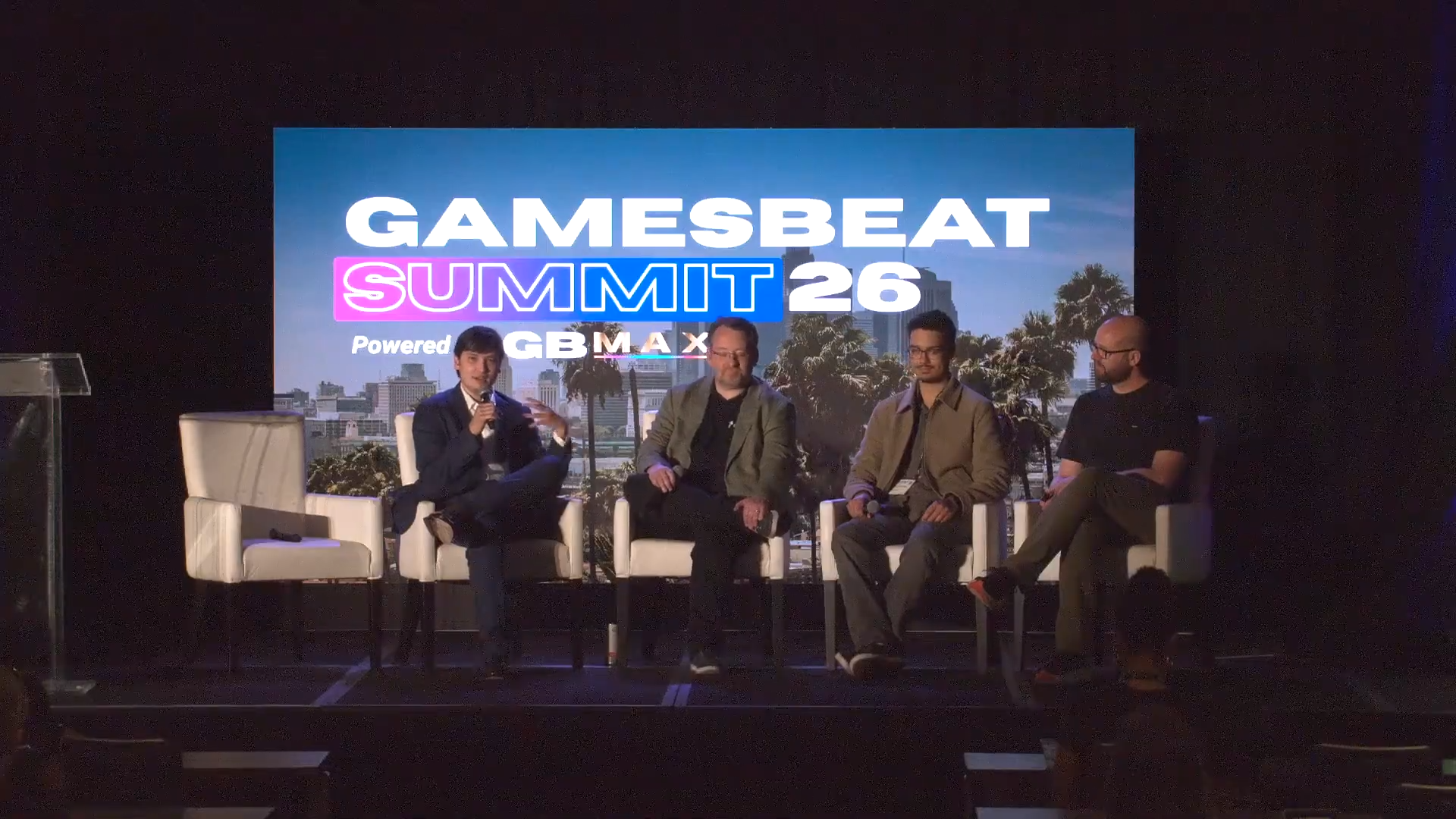
At GamesBeat Summit, an Overwolf-sponsored session brought together Tebex General Manager Liam Wiltshire, Gamebeast CEO Zander Brumbaugh, SYBO CEO Mathias Gredal Nørvig, and GamesBeat lead news writer Alex Lee to discuss how studios are using player relationships and data to build stronger, more resilient game economies.
Tebex, a merchant of record platform for gaming spanning both UGC and D2C monetization, from game keys, DLC, in-app purchases, to game servers and mods sits at the intersection of those conversations, working with studios to own the player relationship directly rather than through an intermediary.
Path to first player investment
The first half of the session focused on when and how players begin spending in games, with a focus on a shift over the past several years.
“Spending is a lot more intentioned now. Players are spending [more time] building a level of confidence” Wiltshire said, noting the emphasis on players building connection with the mobile games before making their first purchase.
The way players pay is shifting too. Wiltshire pointed to growing interest in buy-now-pay-later payment methods for higher-value purchases in Western markets, a trend that still draws debate in the region but has been routine elsewhere for years. “In other regions like Brazil, paying in installments has been normal for nearly a decade,” he said. “We’re almost catching up.”
Brumbaugh expanded on the path to a player’s first financial investment, explaining that while the journey is longer than in traditional models, commitment becomes significantly stronger once that first purchase is made.
“There is no such thing as sunsetting a game on these platforms,” he said. “There is outrage when [the] content they invested in goes away.”
Subway Surfers and player sentiment
Gredal Nørvig highlighted player sentiment as a core success metric, pointing to a collaboration his team executed with Supercell on Brawl Stars in late 2025 as a clear example of measurable impact. Understanding how players feel about certain features, characters, and other elements is key to continuing to engage them.
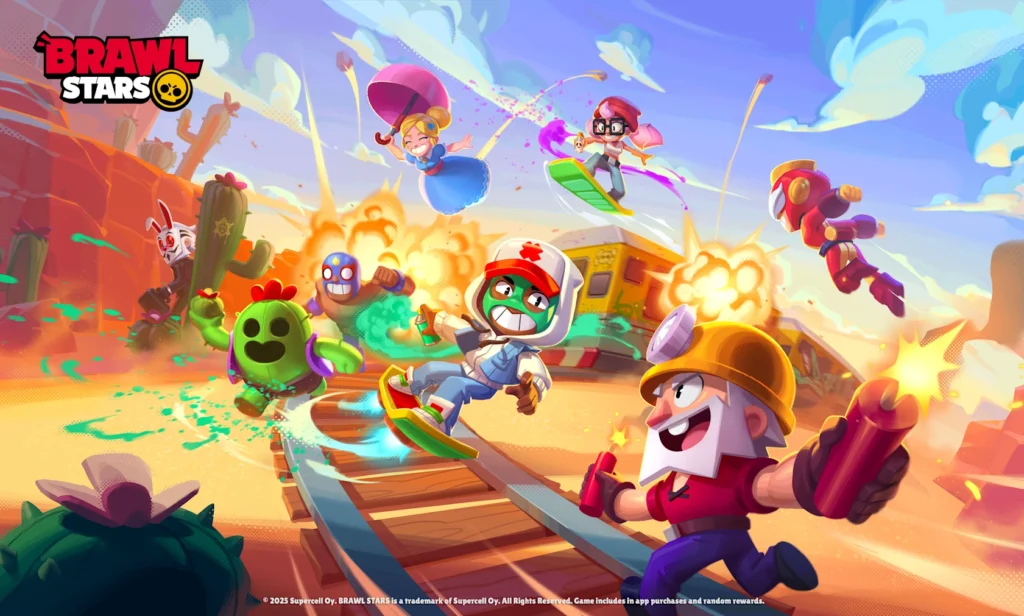
“We could see that those characters were bought way more than other characters we have collaborated with in the past,” he said. “That’s the strongest signal.”
For ad-driven games like Subway Surfers, retention remains a key focus. Wiltshire also emphasized the importance of speed in data feedback loops, arguing that slow measurement cycles are untenable.
“In a world of fast-moving UGC and AI, making a change now and not knowing for 30 days or two years if it’s worked is frankly the definition of insane,” he said. “You have to find ways to measure the impact on the same day, ideally within the first few days.”
The panel also discussed how studios are combining multiple data sources, from platform-native tools to third-party services, to better understand player behavior and pull consolidated revenue reporting across servers, with Brumbaugh emphasizing that the most important signal still comes from listening directly to communities and interpreting those signals alongside quantitative data.
From UGC fandom to day-one sales
Asked which player spending behaviors correlate with long-term loyalty, Wiltshire pointed to a pattern Tebex has observed across more than a decade of gaming payments. Players who grow up inside community ecosystems carry their fandom with them across games and platforms.
He cited Hytale as the clearest recent proof of this and a case study in D2C monetization for games, where a studio converts community loyalty into direct sales. Hypixel Studios was formed off the back of UGC and the Hypixel game server, and even with the founders openly managing expectations for the Early Access launch, that community loyalty translated directly into revenue.
“You saw the real pattern of people that had come through their UGC… and that translated to such a massive uptake for the purchase of the Hytale game that even on pre-orders, even before release day, they sold enough units to secure the studio for the next two years,” Wiltshire said. “As you make the money doing that, you can then do bigger things and your fans will come with you.”
Enabling long-term change
In the closing Q&A, an audience member asked how established studios can continue to evolve over time. Nørvig responded that sustained change requires a shift in mindset. He said pushing artists and designers to think about their creations as more than art is vital for success.
“That’s the million dollar question,” he said, adding that AI will help studios incorporate more changes throughout their organizations. “It’s about getting that business mindset into the craft.”