
Going into 2026, all eyes are on the Arab world as a major source of global gaming industry growth.
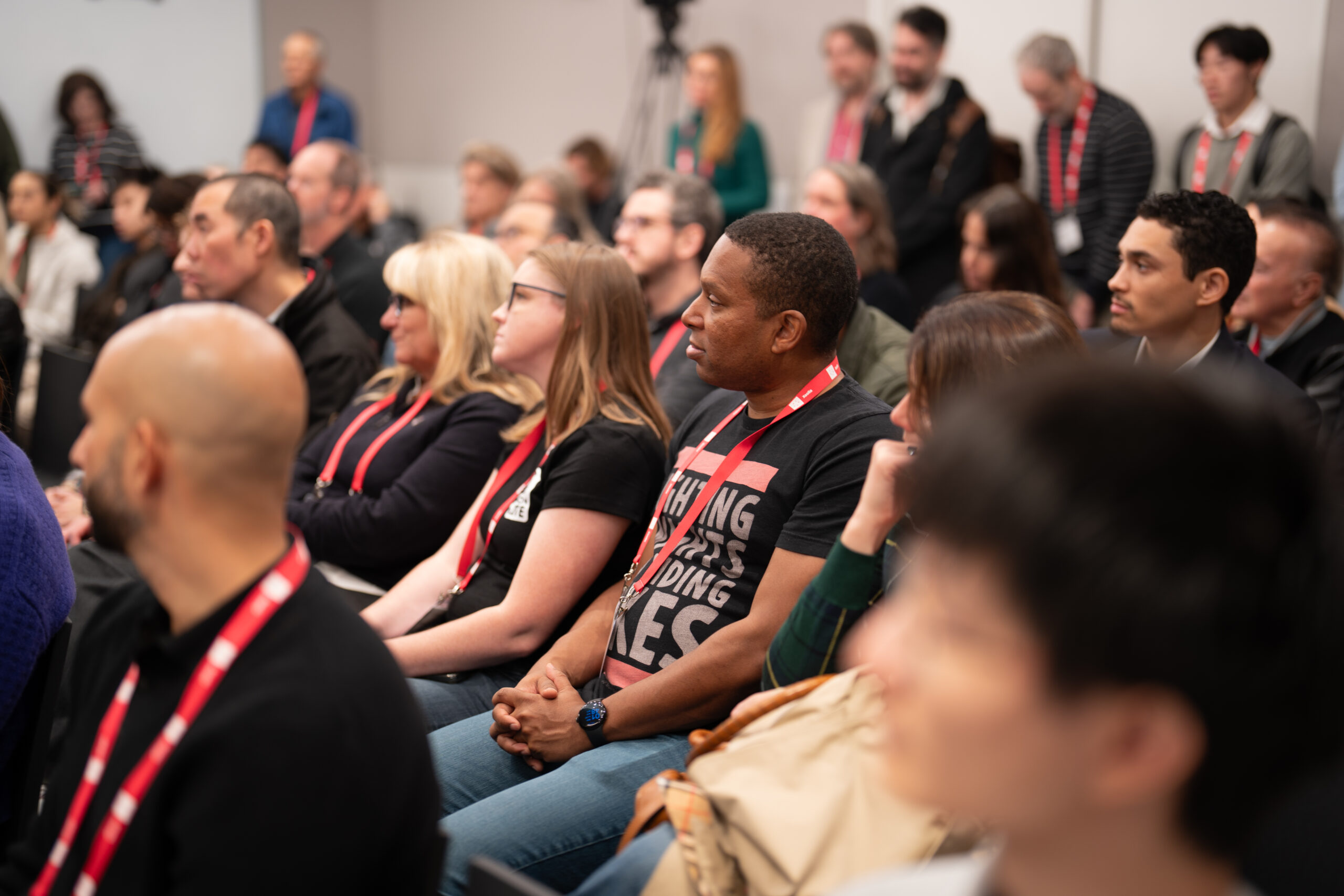
At this month’s GamesBeat Next conference in San Francisco, attendees packed the room for a talk by Mohamed El Sheakh, the founder and CEO of Games Ventures, a mobile gaming company based in the United Arab Emirates. The topic: gaming’s growing role as an economic force within the Arab world.
It’s no surprise that El Sheakh’s talk garnered wide interest at GamesBeat Next. After all, the Arab world’s presence in gaming and esports has gradually been growing for years — and was surely at top of mind for any attendees who followed the $55 billion acquisition of Electronic Arts earlier this year by a consortium led by Saudi Arabia’s Public Investment Fund. El Sheakh flagged the PIF’s gaming subsidiary Savvy Games Group — and its role within Saudi Arabia’s ongoing Vision 2030 plan to increase the nation’s economic and cultural diversity — as a key driver of the growth of gaming in the Arab world.
“There’s a clear vision statement that Saudi Arabia is saying they want to become the center of the game, meaning the whole ecosystem is building around that vision,” El Sheakh said during his GamesBeat Next talk.
El Sheakh said that the Saudi PIF’s acquisitions of multiple game studios, including both EA and Scopely, could help benefit all companies by allowing them to dip into each others’ popular series and intellectual properties.
“Suddenly, all these IPs that were part of these companies are then a part of Savvy Group,” El Sheakh said.
In addition to acquiring game studios and publishers outright, the Saudi Arabian government has made a concerted effort to bring more independent gaming companies into the nation, in part by building a planned city — Qiddiya — intended to be filled with esports arenas and game development studios. These efforts have begun to pay off, with prominent game studios like JP Universe establishing dedicated satellite offices in the region.
“You start to see more and more game developers and game development talent coming out,” El Sheakh said during his GamesBeat Next talk. “But it also means that you have a massive consumer base that are young, and that have the right equipment.”
Indeed, one reason why Arab entities like the PIF are leaning into gaming is because the Arab audience is relatively young and hungry for more gaming content. El Sheakh said that the younger nature of the Arab audience is particularly beneficial to companies in the mobile gaming space, since smartphones are the primary gaming device for younger Arab consumers.
“We have the world’s largest youth population in 2025 — over 200 million people, and over 60 percent are under the age of 30,” El Sheakh said. “So, where do you think the largest smartphone penetration market in the world exists, in terms of percentage, not numbers? It’s in the Arab world.”
Gameswashing concerns
In his GamesBeat Next talk, El Sheakh outlined several logical and exciting reasons behind the growth of gaming in the Arab world. But some observers believe there is another reason for Saudi Arabia’s growing interest in the sector: to generate goodwill. Much like the Saudi government has been accused of “sportswashing” in its ongoing takeover of the traditional sports industry, some have also framed the Public Investment Fund’s spending on gaming and esports as a propaganda initiative intended to distract gaming fans from human rights violations in the region.
Gameswashing concerns notwithstanding, El Sheakh’s talk outlined the legitimate economic reasons for companies in the Arab world to be increasing their investments in gaming and on the gaming audience — and there is clearly money to be made in the region.
“Please, come visit,” El Sheakh said. “Explore the region, spend some time, and then, if it really works for your and your business, look at expansion.”