
Epic Games’ recent challenges against Big Tech have created new opportunities for publishers to monetize their games — particularly by steering them into external web stores and payment platforms outside of the app store ecosystems.
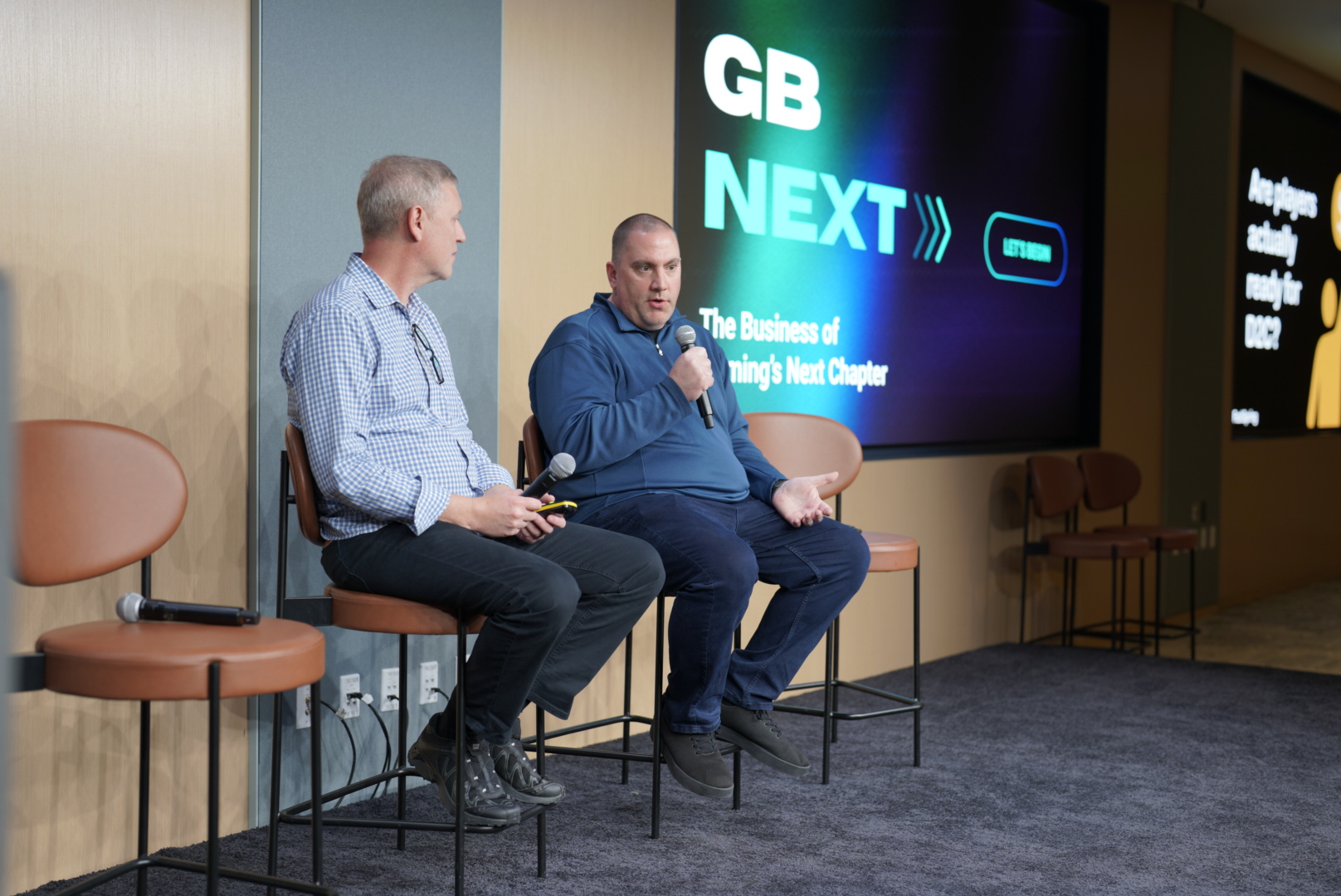
On day one of GamesBeat Next today, November 12, FastSpring CMO David Vogelpohl sat down with Ares Interactive president Mike DeLaet for a discussion about how the recent Epic v. Apple and Epic v. Google court rulings are reshaping how studios can communicate with — and sell directly to — their users.
The tone of today’s discussion was practical, covering what works today, what’s legally allowed and how to balance relationships with both players and the app stores. Here are some of the key takeaways.
The four pathways to going direct
Vogelpohl and DeLaet outlined four primary funnels for direct-to-consumer monetization, each with different levels of risk and technical complexity. Here’s a breakdown.
- Embedded in-app payments: This method typically takes the form of third-party payment processors integrated directly into the game. Unlike steering, this practice is generally not allowed by app stores in most cases.
- Marketing outside the game: Promoting a game’s web store via third-party platforms like Discord or social channels.
- In-game steering: Linking players from within the game directly to an external checkout flow.
- Web-to-app monetization: Driving installs from web campaigns. This method is typically allowed by app stores, but is currently underused by publishers, per Vogelpohl. “This is where we place an ad for user acquisition. We serve a web page that collects the user’s email address for a free trial, and then we ask the user to install, in this case, the game or apps,” he said. “You’ve collected the players information; you’re able to communicate with them outside the app store, not violating any steering terms or conditions.”
Publishers want to own their customer relationships
In 2025, web stores are evolving from an experimental feature to a must-have for game studios of all sizes, with a FastSpring survey showing that 57 percent of major game publishers already own their own web stores. As publishers look to unlock more revenue streams during an increasingly difficult period for the industry, publisher-owned and -operated web stores represent one way for studios to widen their margins while leaning into a pre-existing revenue stream.
“Margins are already very thin in the game business — marketing, development cost, studio overhead, et cetera,” DeLaet said during the talk. “If you can improve margins at all, it’s something you should really be thinking about.”
Recent court cases have cleared the way for steering
During today’s session, Vogelpohl and DeLaet were sure to remind their audience that they are not lawyers. Instead, the discussion was meant to inform publishers about how to operate safely within platforms’ current rules from a layman’s perspective — particularly because Epic’s challenges against Apple and Google have created new monetization gray areas for publishers to play in.
The term “steering” refers to the practice of game developers or publishers directing players to make purchases outside of an app store’s payment ecosystem, often by linking them to an external checkout flow. Previously, purchases of in-game currency or items on mobile devices had to go through Apple’s App Store or Google Play, with both platforms taking a sizeable commission. Epic’s Big Tech lawsuits confirmed that steering is currently legally permissible, allowing publishers to sidestep the platforms’ cut and keep a much larger share of revenue.
“I would advise you to follow the same path that our customers follow at FastSpring, which is to follow the terms and conditions of the app stores and to do what’s right by your players, and to check with your counsel if you think you’re coloring outside the lines,” Vogelpohl said during the session.
Community building is key
DeLaet tied his company’s successful monetization to its success in community building, pointing out that Ares Interactive’s Discord community boasts nearly 250,000 members. DeLaet said that this community platform, as well as other community resources such as lists of players’ email addresses, is crucial for promoting direct purchase, allowing publishers to market special offers and content updates to a highly engaged core fan base.
“I think having those emails, or any kind of information on the users on file, really helps a lot with that DTC relationship — which I think is critical for any given company,” DeLaet said.
Disclosure: FastSpring is a sponsor of GamesBeat Next 2025.